IUD Insertion in Norway: Fastlege vs Private Gynecologist
Trying to figure out where to turn for long-term contraception in a new country can feel like a high-stakes guessing game, especially when you are dealing with the intimacy of an IUD insertion. I remember the paralyzing confusion of my first year in Oslo, staring at the Helsenorge portal and wondering if I should wait weeks for my GP or just pay the premium for a private clinic. This guide clears that fog, comparing the public Fastlege route against private gynecologists to help you secure the best care for your body and your schedule.
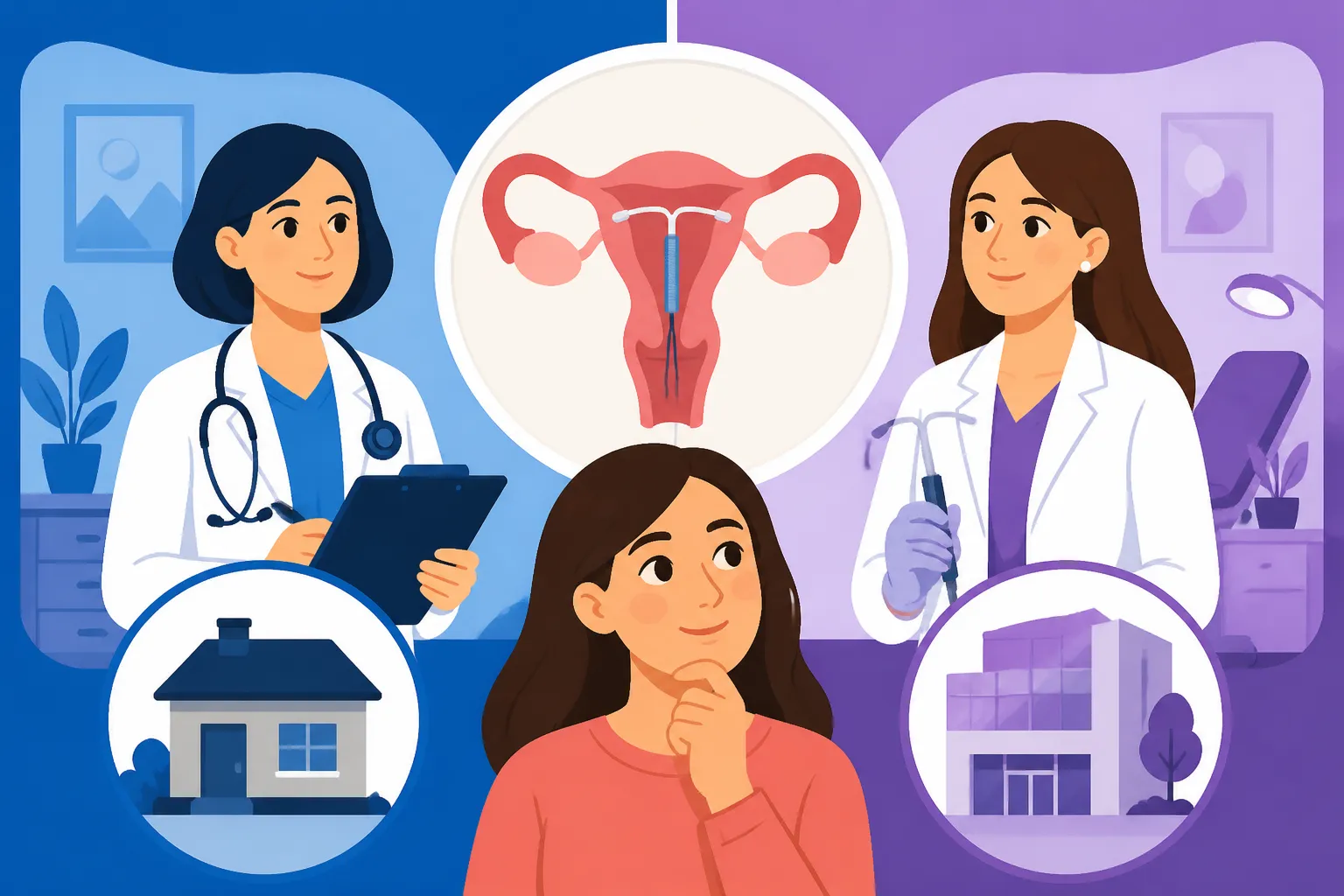
Deciding Between Your Fastlege and a Private Specialist
When you first move to Norway, your primary point of contact for almost everything medical is your GP. In the Norwegian system, this is your "Fastlege," and they are the gatekeepers to specialized care. However, when it comes to IUD insertion (spiral, as it is often called here), you have a choice to make that involves balancing your budget, your timeline, and your personal comfort levels.
The Fastlege Experience for IUDs
Most residents in Norway who are registered in the National Registry will eventually be assigned a doctor through The Fastlege Scheme: Navigating Norway’s GP System. For many, this is the most logical place to start. The primary advantage of seeing your Fastlege for an IUD insertion is the cost. Because the public system is subsidized, you only pay a small user fee (egenandel) for the consultation.
However, there is a catch that catches many expats off guard. Not every Fastlege is comfortable or even trained to perform IUD insertions. I learned this the hard way when I showed up for an appointment only to be told my doctor "preferred" to refer patients to a specialist. If your GP does perform the procedure, you should expect a standard office setting. It may not feel as "high-end" as a private clinic, and the equipment might be more basic, but the medical standard remains exceptionally high. You will likely need to book an initial consultation first to discuss the type of IUD you want and to get a prescription.
Choosing a Private Gynecologist
If the thought of waiting three weeks for a GP appointment makes you anxious, or if you simply prefer a doctor who specializes exclusively in female reproductive health, the private route is your best friend. In cities like Oslo, Bergen, and Stavanger, private clinics like Volvat, Aleris, or Dr.Dropin offer specialized gynecological services with almost zero wait time.
When you go private, you are paying for convenience and expertise. A private gynecologist will almost always have an in-office ultrasound machine to check the placement of the IUD immediately after insertion—something many GP offices lack. This immediate verification provides massive peace of mind. For those who are moving frequently or are in Norway on shorter assignments, using Private Health Insurance in Norway: Is It Worth the Extra Cost? can often cover these private visits. Brands like Cigna Global are frequently used by expats who want to bypass the public queues entirely and head straight to a top-tier specialist in a modern facility.
The Practical Steps of the IUD Process
Regardless of which path you choose, the process in Norway has a specific rhythm that might differ from your home country. You don’t just walk into a clinic and get an IUD; there is a "prescription first" rule that you need to follow.
Getting Your Prescription and Buying the Device
In Norway, doctors generally do not keep a stock of IUDs in their office to sell directly to patients. Instead, your doctor will issue a "resept" (prescription). You then take this prescription to any pharmacy (Apotek 1, Vitusapotek, etc.) and purchase the device yourself. You then bring the box, unopened, to your insertion appointment.
Understanding the difference between Pharmacies and Prescriptions in Norway: White vs Blue Slips is vital here. For most women over the age of 25, an IUD is prescribed on a "white slip," meaning you pay the full price of the device. If you are under 25, you might be eligible for significant subsidies or even a free device, depending on your exact age and the type of IUD chosen. Common options in Norway include the Mirena, Kyleena, and various copper models. I recommend checking the current prices on the pharmacy websites before your appointment so you aren't shocked at the checkout counter; a hormonal IUD can cost upwards of 1,200 NOK.
Booking Your Appointment Using BankID
The easiest way to manage this entire process is through digital tools. Once you have your BankID Explained: Norway's Digital Identity System and Expat Challenges sorted, you can log into Helsenorge to see your prescriptions and communicate with your Fastlege. If you choose the private route, most clinics have their own slick booking portals where you can select a specific gynecologist based on their bio and language skills.
When booking, specifically look for an appointment labeled "Spiralinnsetting" (IUD insertion). This ensures the clinic allocates enough time for the procedure and the necessary post-insertion rest. If you are struggling with the language, many expats find that How to Book a Doctor’s Appointment Online Using BankID makes the process much less intimidating than trying to explain medical needs over the phone in broken Norwegian.
Comparing Costs and the Frikort System
Money is always a factor when navigating Public vs Private Healthcare in Norway: A Complete Guide. The price gap between the public and private sectors for an IUD insertion is significant, but it is important to look at the total "package" price, including the device and the consultation fees.
Public Fees and the Exemption Card
In the public system, the consultation fee for your GP usually hovers around 160 to 250 NOK. This fee counts toward your annual "frikort" limit. Once you spend a certain amount on healthcare in a calendar year, you receive a Healthcare Budgeting: The Frikort Exemption Card and User Fees which makes all further public consultations free for the rest of the year.
However, be aware that the cost of the IUD device itself does not count toward the frikort. It is considered an out-of-pocket expense. This is one of those What Medical Services Are Not Covered by the Norwegian Frikort? nuances that can lead to budgeting errors if you expect the government to pick up the tab for the device.
Private Clinic Pricing
A private gynecologist appointment for an IUD insertion typically costs between 1,500 and 2,800 NOK, excluding the price of the IUD itself. While this is much higher than the GP fee, it often includes a full gynecological exam and an ultrasound. For those with international coverage like SafetyWing, these costs might be reimbursable if they are part of a broader health check or if your policy includes routine wellness. SafetyWing is particularly popular among digital nomads and younger expats who haven't yet fully integrated into the Folketrygden system and need immediate, private access to Women’s Health in Norway: Contraception, Smear Tests, and Gynecology.
| Feature | Fastlege (Public) | Private Gynecologist |
|---|---|---|
| Cost (Consultation) | ~250 NOK | 1,500 – 2,800 NOK |
| Waiting Time | 1 – 4 weeks | 1 – 3 days |
| Ultrasound Included | Rarely | Almost Always |
| Frikort Eligible | Yes | No |
| Expertise Level | Generalist | Specialist |
| Prescription Needed | Yes | Yes (often issued on-site) |
What to Expect During the Appointment in Norway
Norwegian medical culture tends to be very direct and efficient. While this is great for getting things done, it can sometimes feel a bit "brisk" if you are used to more hand-holding during invasive procedures.
Pain Management Norms
One thing to be prepared for is that Norwegian doctors—both public and private—traditionally do not offer heavy sedation or "twilight" anesthesia for IUD insertions. The standard advice is usually to take 400mg of Ibuprofen and 1000mg of Paracetamol about an hour before your appointment. If you are particularly anxious or have had a difficult insertion in the past, you must advocate for yourself. You can ask for a local anesthetic spray or gel (like Xylocaine), but you should mention this when booking the appointment so the doctor is prepared.
The procedure itself is quick, usually taking less than ten minutes. The doctor will perform a quick exam, measure the depth of your uterus, and then insert the "spiral." You might feel a sharp cramp, often described by Norwegians as a "heavy period cramp." Afterward, most private clinics will allow you to lie down for 15 minutes and offer you a glass of water.
Aftercare and Follow-up
After the insertion, it is common to experience cramping and spotting for a few days. In Norway, the standard advice is to avoid tampons, swimming pools, and sexual intercourse for at least 48 hours to minimize the risk of infection.
Your doctor will likely suggest a follow-up check after your first or second period following the insertion. This is to ensure the strings are in the correct place and the IUD hasn't shifted. If you went through your Fastlege, you might have to check the strings yourself, as they don't always schedule a follow-up unless you have issues. If you went to a private specialist, the follow-up is usually encouraged and often includes a quick ultrasound check. If you ever feel severe pain or develop a fever, you should immediately contact Emergency Medical Care in Norway: 113, Legevakten, and Hospitals or call the out-of-hours medical service at 116 117.
Final Considerations for Expats
Choosing between a Fastlege and a private gynecologist often comes down to your current stage of "Norwegian-ness." If you have your permanent ID number, a steady Fastlege you trust, and a tight budget, the public route is a fantastic, high-quality option that will save you thousands of kroner.
On the other hand, if you are still waiting for your ID number, or if the idea of a general practitioner performing an IUD insertion makes you uneasy, paying for a private specialist is a valid and popular choice among the expat community. Many of us find that the peace of mind offered by a specialist with an ultrasound machine is worth the higher price tag. Whichever route you choose, remember that the Norwegian healthcare system is built on patient rights. Don't be afraid to ask questions, request an English-speaking doctor, and ensure you feel completely comfortable before the procedure begins.
Disclaimer
This article is for informational purposes only and does not constitute professional medical advice, diagnosis, or treatment. Always seek the advice of your physician or another qualified health provider with any questions you may have regarding a medical condition or procedure in Norway. Healthcare regulations and prices are subject to change; always verify current procedures via Helsenorge or the UDI.