Emergency Dentists in Norway: Weekend Pain Relief Options
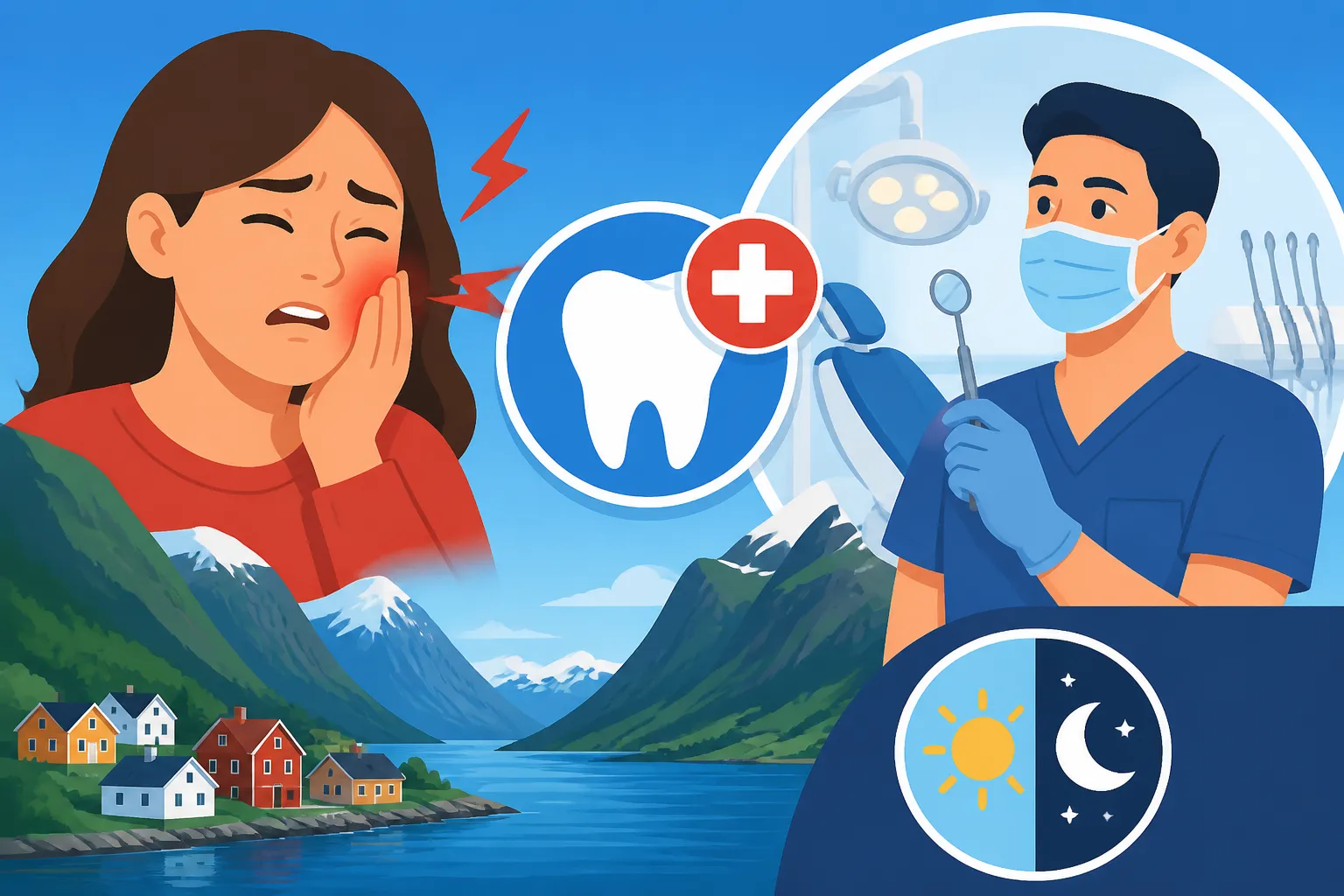
You are enjoying a quiet Saturday evening when a sudden, throbbing pain radiates through your jaw, turning a peaceful night into a frantic search for relief. I remember my first dental crisis in Oslo; the panic of not knowing who to call or if I could even afford the weekend surcharges was overwhelming. This guide explains exactly how to access emergency dentists in Norway, navigate the weekend clinics, and manage the high costs of out-of-hours care.
Understanding the Tandlegevakt System in Norway
The first thing you need to understand as an expat is that dental care in Norway operates quite differently from the rest of the healthcare system. While your regular medical needs are largely covered by the state once you hit a certain spending limit, dental care for adults is almost entirely private and out-of-pocket. This distinction becomes even more pronounced when you are searching for an emergency dentist, known locally as the Tandlegevakt.
In most major Norwegian cities, there is a public Tandlegevakt managed by the county (fylkeskommune). These clinics are designed to handle acute cases that cannot wait until the next business day. However, they are not "free" clinics. Even at a public emergency facility, adults must pay the full rate, often with a significant "weekend surcharge" added on top. I learned the hard way that walking into a public clinic doesn't mean a public price tag.
Public vs Private Emergency Clinics
When the pain starts on a Friday night, you generally have two paths: the public county clinic or a private emergency dentist. The public clinics, such as the Tannlegevakten in Oslo located at Storgata 40, have set hours for evenings and weekends. They operate on a triage system, much like the Legevakten (116 117): When and How to Use the Out-of-Hours Service. If your case isn't deemed "acute" (meaning you aren't in agonizing pain or bleeding profusely), you might face a long wait while they prioritize more severe traumas.
Private clinics, such as Oris Dental or Colosseum Dental, often provide emergency slots. The advantage here is comfort and often a shorter wait time. Some private chains have expanded their hours to include Sundays and late evenings to cater specifically to the expat and working professional population. If you have comprehensive international coverage through a provider like Cigna Global, you might find that these private options are more aligned with the level of service you expect, provided your policy covers emergency dental.
Defining a Dental Emergency in the Norwegian Context
Not everything that feels like an emergency to you will be classified as one by the Tandlegevakt. In the Norwegian system, an emergency typically involves uncontrolled bleeding, severe swelling that might affect breathing, a knocked-out permanent tooth, or excruciating pain that does not respond to over-the-counter medication. A lost filling or a minor chipped tooth, while annoying, will often be turned away from public emergency clinics and told to wait until Monday.
If you are a traveler or a new arrival without a local ID yet, you might feel vulnerable. This is where having a plan like SafetyWing can be a lifesaver, as they often cover emergency dental stabilization, which is exactly what these weekend clinics provide. They won't pay for a new gold crown, but they will help cover the cost of stopping the pain and preventing further infection until you can see a regular dentist.
Locations and Operating Hours for Weekend Relief
Finding where to go is half the battle when you are lightheaded from pain. Every county in Norway has an emergency dental provision, but the accessibility varies wildly depending on whether you are in a major hub or the rural fjords.
In Oslo, the public Tannlegevakt is open from 7:00 PM to 10:00 PM on weekdays and from 11:00 AM to 2:00 PM and 7:00 PM to 10:00 PM on weekends and public holidays. If you are in Bergen, the emergency clinic is centrally located at Valckendorffs gate 9. For those living further north, such as in Trondheim or Tromsø, the services are often centrally located but may have more restricted hours.
Regional Emergency Contact Information
| City | Primary Emergency Clinic | Typical Weekend Hours | Payment Options |
|---|---|---|---|
| Oslo | Tannlegevakt (Storgata 40) | 11:00-14:00 & 19:00-22:00 | Card, Vipps, Invoice (with BankID) |
| Bergen | Tannlegevakten i Vestland | 11:00-14:00 & 19:00-21:00 | Card, Vipps |
| Stavanger | Tannlegevakt i Stavanger | 13:00-17:00 | Card, Vipps |
| Trondheim | Tannklinikken i Trondheim | 10:00-15:00 | Card, Vipps |
It is worth noting that if you are in a remote area, you may need to call the local Legevakten (116 117): When and How to Use the Out-of-Hours Service to get the phone number for the "dentist on duty" (tannlegevakt-telefon). In rural Norway, dentists rotate the duty, and you might actually be meeting them at their private practice after hours.
The Role of Private Chains
In recent years, private dental chains have filled the gap left by the limited hours of public clinics. Companies like Dr.Dropin have entered the dental market in Oslo and Bergen, offering transparent pricing and online booking that works even on Sundays. For an expat, the ability to book a slot via a smartphone rather than sitting in a crowded public waiting room is worth the extra cost. Many of these private providers are used to dealing with foreigners and will offer a high standard of Public vs Private Healthcare in Norway: A Complete Guide information if you ask.
The Financial Reality: Costs and Surcharges
Brace yourself: emergency dental care in Norway is expensive. Because adults are not covered under the Folketrygden Basics: Who is Covered by the National Insurance Scheme, you are responsible for the full cost of the consultation, materials, and any weekend fees.
A standard emergency consultation on a Saturday night can easily start at 2,000 NOK before they even perform a procedure. If you need a temporary filling or an extraction, you could be looking at 3,500 NOK to 5,000 NOK. Public clinics generally add a 50% to 100% surcharge on top of their standard daytime rates for weekend and holiday work.
Subsidies and Helfo Reimbursements
There are a few exceptions where you might get some money back, but they are specific. If your dental emergency is the result of an accident, a specific illness, or if you fall into a protected group (like those with chronic conditions or certain disabilities), you might be eligible for a partial refund from Helfo. However, for the average "toothache" or "cracked tooth," expect to pay in full at the counter.
For younger expats, there is some relief. If you are between 19 and 26, check out how the Dental Subsidies for Young Adults (19-28): How the 25% Rate Works can significantly lower your bill. Even in emergency settings, these age-based discounts should technically apply at public clinics, but you must bring your ID to prove your age.
Managing the Bill with Insurance
This is where your choice of insurance becomes critical. Standard travel insurance often has very low limits for dental—sometimes as low as 500 NOK, which won't even cover the exam. If you are living here long-term, having a robust policy from Cigna Global can ensure that a weekend root canal doesn't drain your savings. They typically offer "Emergency Dental" as a module or part of their core plans, which is a massive comfort in a high-cost country like Norway.
If you are a digital nomad or between jobs, a plan like SafetyWing is a common choice because it is built for people who are "on the move." Just remember that most insurance companies require you to pay the clinic first and then file a claim for reimbursement. Always ask for a detailed receipt (spesifisert faktura) in English if possible, or at least one that clearly lists the Norwegian medical codes for the procedures performed.
Step-by-Step: What to Do in a Dental Crisis
When the pain hits, your first instinct might be to panic, but a systematic approach will save you time and money.
- Assess the Severity: If you have a fever, swelling in the face, or difficulty swallowing, this is more than a toothache. This is an infection that could become systemic. If the dental clinics are closed, go to the regular medical Legevakten (116 117): When and How to Use the Out-of-Hours Service. They cannot fix your tooth, but they can provide heavy-duty antibiotics or painkillers to get you through the night safely.
- Call First: Never just show up. Even public clinics prefer you to call ahead so they can "triage" you over the phone. They will ask how long you've had the pain and if you've taken any Over-the-Counter (OTC) Drugs in Norway: What You Can Buy in Supermarkets.
- Prepare Your Documentation: You will need your passport or Norwegian residence card. If you have a Fødselsnummer, it makes the administrative process much faster. If you only have a D-number, make that clear from the start.
- Inquire About Payment: Ask upfront if they accept international credit cards. Most do, but some smaller clinics in rural areas might prefer Vipps (which requires a Norwegian bank account) or may try to send an invoice. If you don't have BankID yet, paying by invoice can be a hurdle, so stick to clinics that take physical cards.
Navigating the Language Barrier
Most dentists in Norway speak excellent English, especially those working in emergency centers in cities like Oslo and Stavanger. However, the reception staff at a busy public clinic might be under stress. Clearly state: "I have an acute dental emergency, I am in severe pain, and I need an emergency appointment."
If they prescribe you something, pay attention to the type of prescription. You might receive Pharmacies and Prescriptions in Norway: White vs Blue Slips. Emergency dental prescriptions are almost always "white slips," meaning you pay the full price at the pharmacy. Be aware that most pharmacies close early on Saturdays and are closed on Sundays, except for one or two "Vaktapotek" (emergency pharmacies) in each city.
Long-Term Prevention and Budgeting
The best way to handle an emergency dentist in Norway is to avoid needing one. Regular checkups here are expensive—often 1,200 NOK to 1,800 NOK for a cleaning and X-rays—but compared to a 5,000 NOK emergency visit, they are a bargain.
If you are struggling with the Healthcare Budgeting: The Frikort Exemption Card and User Fees, remember that dental costs do NOT count toward your Frikort total. This is a common point of confusion for expats. You can spend 20,000 NOK on your teeth and still not have it count toward the annual cap for regular medical care. This is why many expats choose to maintain a separate "dental fund" or opt for international insurance like Cigna Global to bridge the gap.
Finding a Regular Dentist
Once your emergency is resolved, the emergency dentist will give you a copy of your X-rays and a summary of what they did. Your next step is to find a permanent dentist to finish the work. Most emergency visits only provide "midlertidig" (temporary) solutions, such as a temporary filling or draining an abscess. You will need a follow-up to ensure the problem is fully resolved.
When searching for a regular dentist, look for one that is Finding English-Speaking Doctors and Specialists in Oslo or your respective city. Ask if they are "Helfo-connected," which means if you ever do qualify for a subsidy, they can process it directly so you don't have to file the paperwork yourself.
Summary of Emergency Dental Tips for Expats
- Be Prepared for the Cost: Have at least 4,000 NOK available on a credit card before you go.
- Check Your Insurance: Know if SafetyWing or Cigna Global is your primary backup.
- Time it Right: Public clinics have very specific windows; showing up at 3:00 PM on a Saturday might mean you are told to come back at 7:00 PM.
- Follow Up: The emergency dentist is a "patch-up" service. You must book a follow-up with a regular dentist to prevent the issue from returning.
Living in Norway is an adventure, but a dental crisis shouldn't be the highlight of your stay. By knowing where the Tandlegevakt is located in your city and understanding the costs involved, you can handle the "weekend wall" of Norwegian administration with the confidence of a veteran expat.
Disclaimer
This guide is provided for informational purposes only and does not constitute professional medical or legal advice. Healthcare regulations and prices in Norway are subject to change. Always consult with a qualified dental professional or your insurance provider for specific advice regarding your health and coverage.