Accessing Psychologists with Public Funding vs Private Practice
Struggling to find mental health support in a new country often feels like navigating a dense fog without a compass. I remember sitting in my dimly lit Oslo apartment during my first winter, realizing that my usual coping mechanisms weren't working and having no idea where to turn for professional help. This guide settles the confusion by detailing exactly how to access psychologists through both the public and private systems in Norway.
The Norwegian Mental Health Landscape: A Reality Check
When you first arrive in Norway, the healthcare system can seem like a fortress of bureaucracy. It is designed to be egalitarian, but that equality often comes with a side of patience that many expats aren't prepared for. Mental health care is divided into two primary tiers: primary care (your municipality and GP) and specialist care (District Psychiatric Centers or DPS). Understanding where you fit into this hierarchy is the first step toward getting the help you need.
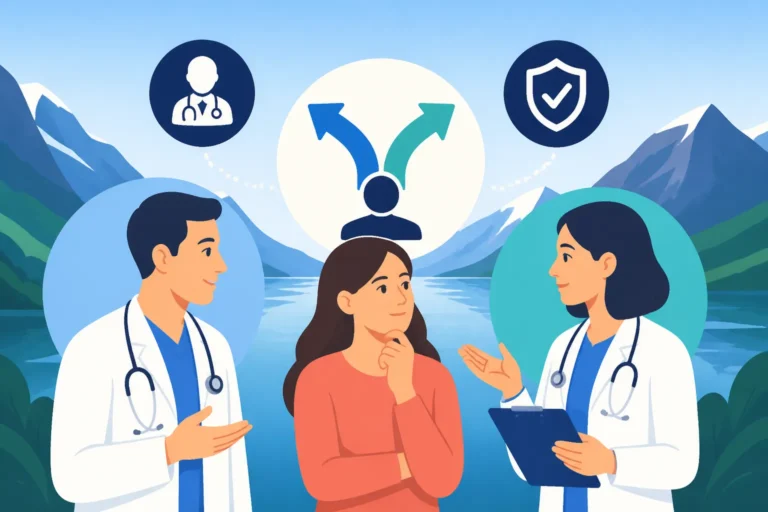
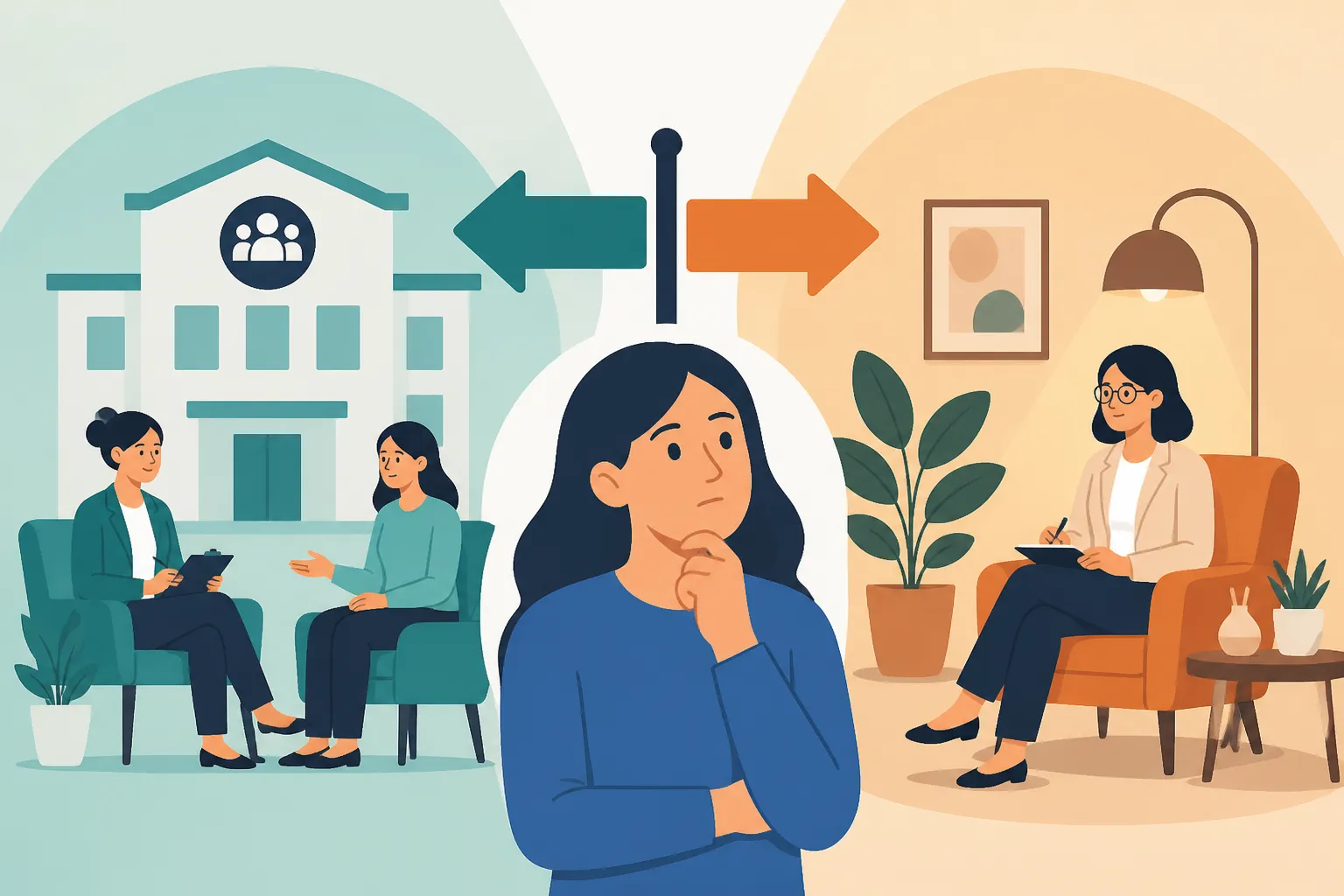
Public System (DPS) vs. Private Options
The public system, often referred to as the "specialist health service," is managed by regional health authorities. If you have a legitimate medical need, the state covers the majority of the cost. However, the threshold for entry is high. You cannot simply call up a public psychologist and book an appointment. You must be referred, and your condition must be deemed "serious" enough to warrant specialist intervention. This often leaves people with mild to moderate anxiety or depression in a difficult middle ground.
On the flip side, private practice is exactly what it sounds like. You find a therapist, you book a slot, and you pay the full market rate. There is no gatekeeping from a GP, and the wait times are usually measured in days rather than months. For many expats, this is the only viable path when they are in a crisis that doesn't qualify as a "life-threatening emergency" but still feels unbearable. Mentioning brands like SafetyWing can be relevant here, as their Nomad Health insurance often provides a bridge for those who find the public system too slow or inaccessible during their first months in the country.
The Referral Path and Waiting Times
The waiting times in the public sector are a common point of frustration for everyone living in Norway. Depending on where you live—Oslo and Bergen usually have the longest queues—you might wait anywhere from six weeks to six months for an intake appointment at a DPS. During this time, you are essentially in limbo. The system uses a triage method: if you are suicidal or psychotic, you move to the front. If you are struggling with "standard" burnout or moderate depression, you are placed at the back.
In contrast, the private sector operates on a supply-and-demand basis. If you have the funds, you can see someone tomorrow. This disparity is why many of us veterans suggest that if you have international insurance like Cigna Global, you should lean on it heavily during your first few years. It bypasses the "referral fatigue" that can set in when you're told for the third time that your "case isn't acute enough" for public funding.
Navigating the Public Route: The District Psychiatric Center
If you decide to go the public route, you need to prepare for a multi-step process. It starts with your primary point of contact in the Norwegian healthcare system. You’ll want to read up on The Fastlege Scheme: Navigating Norway’s GP System to understand how to even get that first appointment. Your GP is the gatekeeper; without their stamp of approval, the doors to the DPS remain firmly shut.
The Role of the Fastlege (GP)
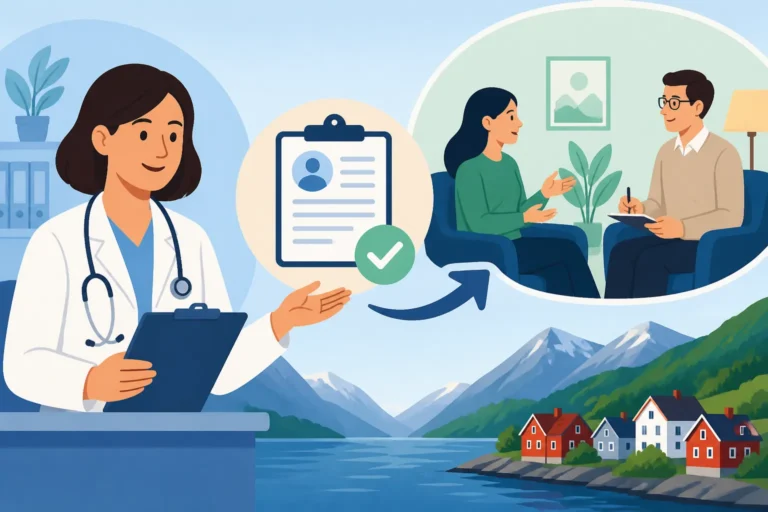
Your Fastlege is responsible for the initial assessment of your mental health. When you go into that office, be prepared to be very direct. Norwegians value stoicism, but this is not the time for it. If you downplay your symptoms, the GP might suggest "more exercise and vitamin D" and send you on your way. You need to clearly articulate how your mental health is impacting your ability to work, your relationships, and your daily functioning.
Once the GP agrees that you need specialist care, they send a referral to the local DPS. This referral is then "vetted" by a team of specialists who decide if you have a "right to healthcare" (rett til helsehjelp). If they reject the referral, they will usually send a letter back to your GP with suggestions for local municipal help, such as "Rask psykisk helsehjelp" (Rapid Mental Health Help), which is a low-threshold service offered by many communes.
District Psychiatric Centers (DPS)
The DPS is where the actual therapy happens in the public system. These centers are staffed by psychologists, psychiatrists, and psychiatric nurses. One of the biggest hurdles for expats here is the "treatment package" (pakkeforløp) approach. The system is increasingly structured around specific timelines and standardized modules. While this ensures a certain level of quality, it can sometimes feel a bit "assembly line" if you are used to more open-ended therapy.
Another reality of the DPS is that you don't always get to choose your therapist. You are assigned whoever has an opening in the relevant team. If you're looking for Finding English-Speaking Doctors and Specialists in Oslo, the DPS will try to accommodate you, but they are not legally required to provide a therapist who speaks perfect English—though most do. If language is a major barrier, you have the right to an interpreter, but this can make the therapeutic process feel clunky and less intimate.
The Private Alternative: Speed vs. Cost
For those of us who can't wait months or who want a specific type of therapy (like EMDR or specialized CBT), private practice is the way to go. It removes the stress of the "referral lottery" and gives you total control over your care. However, the financial burden is significant. A single 45-minute session in a city like Stavanger or Trondheim can cost anywhere from 1,200 NOK to 2,200 NOK.
Why Expats Choose Private Care
The primary driver for choosing private care is often the "expat experience." Moving to Norway is hard. The culture is private, the winters are dark, and the social circles are notoriously difficult to break into. Many public psychologists, while highly skilled, may not fully grasp the specific trauma of "identity loss" that comes with being a foreigner. Private therapists often specialize in "expat issues" or have lived abroad themselves, providing a level of empathy that the public system might lack.
Additionally, many expats use Private Health Insurance in Norway: Is It Worth the Extra Cost? to cover these sessions. If you are working for a large multinational, your employer-provided insurance might cover 6 to 10 sessions with a private psychologist. This is often enough to get through a rough patch or a period of acute stress without having to engage with the public bureaucracy at all.
Insurance Solutions: Cigna Global and SafetyWing
If you don't have a Norwegian employer-provided plan, international health insurance becomes a lifesaver. Cigna Global is a heavy hitter in this space, often offering comprehensive mental health modules that cover private outpatient therapy. This allows you to pick a therapist from a wide network, including those who offer online sessions from your home country, which can be a huge comfort.
SafetyWing is another popular choice, particularly for younger expats or those on a Norway Digital Nomad Visa: Independent Contractor vs Svalbard Routes. Their "Nomad Health" product is specifically designed to cover the gaps that local systems often leave, providing a safety net for mental health crises and ongoing support. Having one of these plans means you can skip the User Fees (Egenandel) for Doctor Visits Before Reaching Frikort Status and go straight to the specialist who best fits your needs.
Financial Considerations and the Frikort System
Norway is expensive, and healthcare is no exception—at least until you hit the magic number. The "Frikort" (Exemption Card) system is one of the best parts of living here, but you need to understand how it applies to mental health to avoid surprise bills.
Understanding User Fees (Egenandel)
In the public system, you pay a "user fee" for every consultation until you reach the annual cap. For 2026, this cap is set around 3,100 NOK (though you should check Understanding the Frikort: The 2026 Healthcare Exemption Card Limit for the exact current figure). Every session at a DPS or a GP visit for mental health counts toward this total. Once you hit the limit, all further public healthcare for the rest of the calendar year is free.
| Service Type | Estimated Cost (Public) | Estimated Cost (Private) | Waiting Time |
|---|---|---|---|
| GP Consultation | ~160 – 210 NOK | 600 – 1,200 NOK | 1 – 7 Days |
| Psychologist (DPS) | ~375 NOK (per session) | 1,200 – 2,200 NOK | 2 – 6 Months |
| Emergency Care | 0 NOK (if acute) | N/A | Immediate |
| Online Therapy | N/A | 800 – 1,500 NOK | 1 – 3 Days |
Budgeting for Private Costs
If you are paying out of pocket for private therapy, you need to budget carefully. Unlike public sessions, private fees do NOT count toward your Frikort. You are paying for speed and convenience, and the state does not subsidize this. Some therapists offer a "sliding scale" for students or those on low incomes, but this is rare in the larger cities.
For many, the best strategy is a hybrid approach: start with a few private sessions to stabilize your situation while simultaneously working through the referral process for the public system. By the time your private insurance or budget runs out, your spot in the public queue might finally be coming up. You can track your spending and status through the How to Check Your Frikort Status on the Helsenorge App guide to ensure you aren't overpaying in the public sector.
Specialized Mental Health Services and Support
Sometimes you don't need a long-term psychologist; you need immediate support or help tailored to a specific life stage. Norway has several "low-threshold" services that are often faster to access than the DPS but more affordable than private practice.
Student Mental Health Services
If you are in Norway on a study permit, you have access to some of the best-subsidized mental health care in the country. Organizations like SiO (in Oslo) or Sammen (in Bergen) have their own staff of psychologists and counselors. These services are specifically designed to handle the stresses of academic life and the isolation of being an international student. For more details on this, check out Mental Health for International Students: University Counseling Centers. The wait times here are usually much shorter than the general public system, and the staff are very accustomed to speaking English.
Emergency Support and Low-Threshold Care
If you are in an immediate crisis, you should not wait for a referral. You can head straight to the "Legevakt" (Emergency Clinic). Most major cities have a "Psykiatrisk legevakt" which is a dedicated psychiatric emergency room. This is for acute situations where there is a risk of harm to yourself or others. For more information on how this works, see Emergency Medical Care in Norway: 113, Legevakten, and Hospitals.
For non-emergencies that still need quick attention, look for "Rask psykisk helsehjelp" in your municipality. This is a free, short-term service based on cognitive behavioral therapy. It's usually a group-based course or a limited number of individual sessions (around 8-12). It's an excellent option for mild depression or anxiety and often has a much shorter wait time than the DPS.
Finding an English-Speaking Therapist
The quality of your therapy is directly tied to how well you can communicate. While most Norwegians speak excellent English, there is a difference between "business English" and "emotional English." Finding a therapist who can catch the nuances of your feelings is crucial.
Language Barriers in Public Care
In the public sector, you can request an English-speaking therapist, but the DPS is under no obligation to provide one if they don't have one available. They will provide an interpreter, but as someone who has been through this, I can tell you it changes the dynamic significantly. If you are struggling with complex trauma or deep-seated emotional issues, the presence of a third person in the room can be a barrier.
If you find that your assigned public therapist's English isn't quite up to the task, don't be afraid to speak up. You have Patient Rights: How to File a Complaint with the Health Authority if you feel your care is being compromised by a lack of communication. However, often the easiest solution is to ask for a change of therapist within the DPS, though this may put you back on a waiting list.
Online Platforms and International Networks
The rise of telehealth has been a game-changer for expats in Norway. Many people now choose to use platforms like BetterHelp or find private therapists in their home countries who offer Zoom sessions. This is often the best way to ensure you are speaking with someone who understands your cultural background.
If you prefer someone in person, websites like "Finn en psykolog" (Find a psychologist) allow you to filter by language and specialty. Many private practitioners in Norway list their services on Finding an English-Speaking Therapist in Private Practice directories. This allows you to vet their credentials and see if they have experience working with the international community before you commit to a high session fee.
Practical Steps to Getting Started
Getting help shouldn't be a job in itself, but in Norway, it requires a bit of project management. Here is a quick checklist to get you moving:
- Book a GP Appointment: Use How to Book a Doctor’s Appointment Online Using BankID to get in to see your Fastlege as soon as possible.
- Prepare Your Case: Write down your symptoms and how they affect your life. Don't "Norwegian-ize" your pain—be honest and raw.
- Check Your Insurance: Contact Cigna Global or SafetyWing if you have a private policy to see what their "Prior Authorization" process looks like for mental health.
- Explore Local Options: Look up "Rask psykisk helsehjelp" + your municipality name to see if there is a free, low-threshold service available nearby.
- Secure Your Digital ID: Everything in the health system runs on BankID. If you don't have it yet, prioritize getting it, as it allows you to see your referrals and lab results on the Helsenorge portal.
Disclaimer
The information provided in this guide is for educational and informational purposes only and does not constitute professional medical or legal advice. Healthcare regulations and costs in Norway are subject to change. Always consult with a qualified healthcare provider or the Norwegian Health Economics Administration (Helfo) for advice specific to your situation. If you are experiencing a mental health emergency, please call 113 or visit your nearest Legevakt immediately.