Public Libraries in Norway: Free Resources and Community Events
Arriving in Norway, you'll quickly realize that nearly everything comes with a price tag, often a hefty one. For many expats, the initial excitement of a new country can quickly give way to the stark reality of the cost of living, which can feel isolating and overwhelming. But what if I told you there's a treasure trove of free resources, a warm haven during the long winters, and a genuine community hub that many newcomers overlook? This guide is going to walk you through the incredible world of public libraries in Norway, explaining exactly how they can become your best friend in your new Scandinavian home.
More Than Just Books: Unlocking the Norwegian Library System
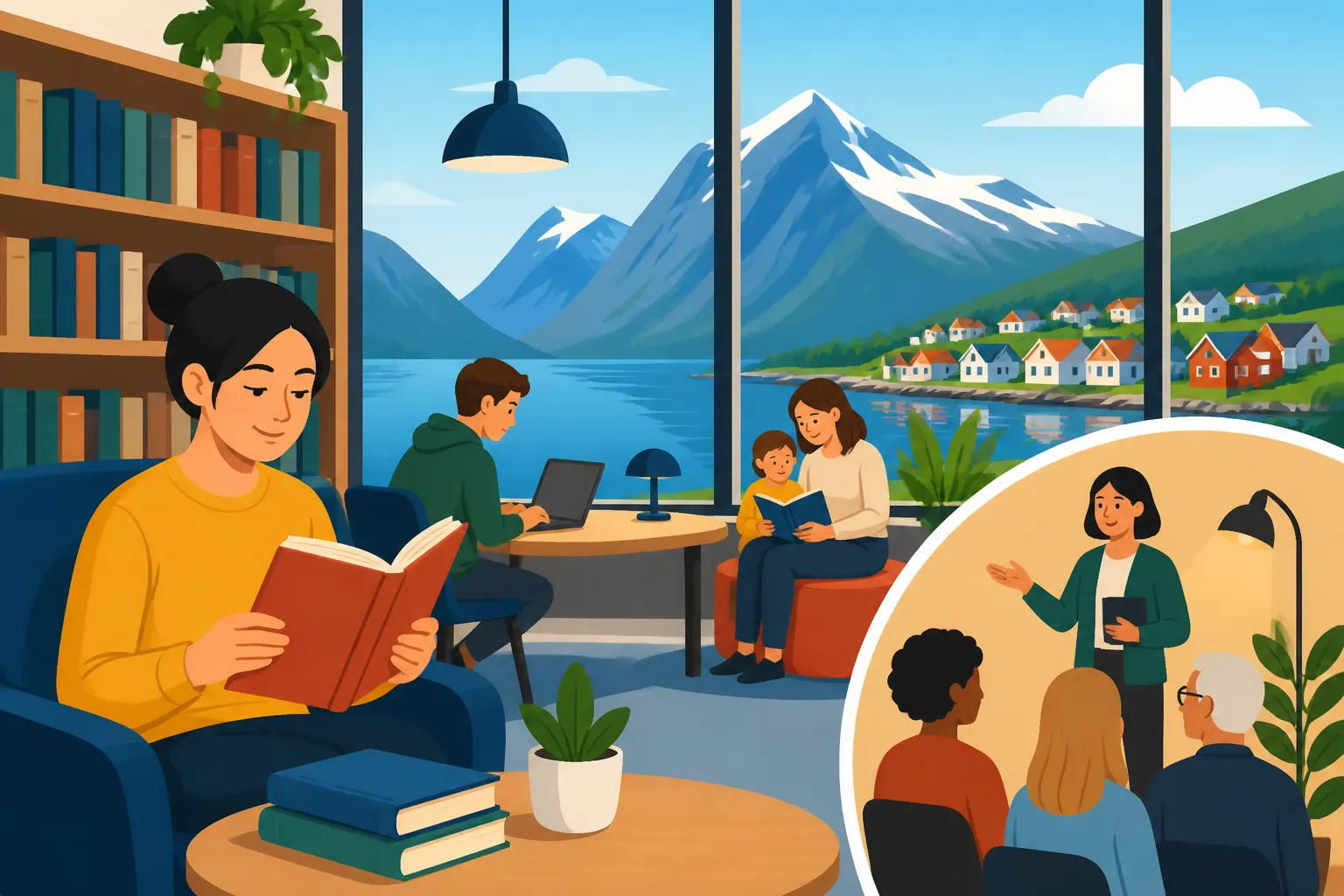
When you picture a library, you might think dusty shelves and hushed whispers. In Norway, however, public libraries are vibrant, modern, and incredibly versatile institutions that serve as vital community centers. They are a stark contrast to the often transactional nature of daily life here, offering a wealth of resources that go far beyond just lending out physical books. They are designed to be democratic spaces, freely accessible to everyone, and frankly, they’re one of the best free perks of living in Norway.
The concept here is about public enlightenment and access to information, regardless of your financial situation or background. This means libraries aren't just for reading enthusiasts; they're for students, job seekers, families, and anyone looking to engage with their local community without having to spend a single krone. From bustling urban libraries like Deichman in Oslo to cozy local branches in smaller towns, each library aims to be a welcoming spot. Think of them as a third place – not work, not home, but a comfortable and enriching space in between.
A Sanctuary for New Arrivals and Long-Term Residents
For expats and tourists, especially those just settling in, Norwegian public libraries can be a true lifeline. You’re likely grappling with finding Renting in Norway: Apartments, Contracts, and Tenant Rights or simply trying to understand how anything works here. Libraries offer free internet access, which is invaluable when you're reliant on apps and online portals but haven't quite sorted out your permanent internet connection or a long-term mobile plan yet. While you might be using an eSIM from a provider like Airalo to stay connected on the go, having a reliable, free Wi-Fi spot can be a huge relief, especially for those longer tasks like job applications or figuring out bureaucratic forms.
Beyond connectivity, libraries are warm spaces. This might seem trivial until you experience your first Norwegian winter. When the "mørketid" (dark season) sets in, having a free, heated, well-lit place to spend time, read, study, or simply exist can make a huge difference to your mental well-being. It’s a place where you don't have to buy a coffee to justify your presence, and that's a rare and precious thing in a country where the Cost of Living in Norway 2026: Budgeting for Singles and Families can be astronomical. Libraries often have comfortable seating, study carrels, and even quiet zones, providing an ideal environment if your temporary accommodation from platforms like Spotahome doesn't offer enough personal space or quiet.
What's more, for families, these spaces are gold. Children's sections are often vibrant, engaging, and equipped with toys, drawing stations, and plenty of picture books (many in English!). It's a fantastic, free activity for kids, offering a break from screens and an opportunity for them to interact with other children, indirectly helping parents to meet other families too. It really helps foster a sense of belonging in what can otherwise be a challenging, new environment.
Getting Your Library Card: The First Step to Access
To truly tap into the wealth of resources that Norwegian public libraries offer, your first step is to get yourself a library card (bibliotekkort). The good news is, it's generally free, but there are a few bureaucratic hurdles, as is often the case in Norway. You'll typically need some form of Norwegian identification.
For most long-term residents, a valid Fødselsnummer (11-digit national identity number) will suffice. If you're a new arrival and only have a D-Number, don't despair! Many libraries will accept a D-number along with photo identification (like your passport) and proof of your current Norwegian address. This might require showing a rental contract or a utility bill. It's always best to check with your local library branch directly, as requirements can vary slightly between municipalities. Sometimes, if you're really new and haven't secured permanent housing or a proper ID yet, they might issue a temporary card with limited access, but it's worth asking.
Once you have your card, it usually grants you access not just to the physical collection in your local library but often to a broader network. Many municipal libraries are part of a national system, allowing you to borrow books from other libraries across the country and have them delivered to your local branch. This inter-library loan system is incredibly efficient and expands your access to a huge range of materials.
The physical card is also your key to the library's digital portals. This is where the magic truly happens for many expats. With your card number and a PIN, you can log into services like BookBites or Libby (often linked through local library apps) to borrow e-books and audiobooks in various languages, including English. You can also access digital newspapers and magazines from around the world through platforms like PressReader. This means you can keep up with news from your home country or delve into a new language, all without leaving your sofa. Many libraries also offer streaming services for films, giving you access to a curated collection of cinema – another fantastic free entertainment option.
Digital Gateways and Language Learning Tools
Navigating a new country’s language and culture can feel like a full-time job. Beyond the obvious benefit of physical books, Norwegian libraries are expertly equipped to help you on this journey, especially through their digital offerings. They understand that while you might be aiming to learn Norwegian, you still need access to information and entertainment in a language you understand immediately.
Language Learning Resources Galore
One of the most practical benefits for expats is the extensive collection of language learning resources. Libraries often have entire sections dedicated to learning Norwegian, including textbooks, grammar guides, dictionaries, and conversational practice CDs or audio files. Many also subscribe to online language learning platforms like Transparent Language Online, which you can access for free with your library card from anywhere with an internet connection. This is a brilliant way to supplement formal classes or kickstart your Learning Norwegian for Work: Norskprøven and Language Courses journey at your own pace.
But it’s not just about Norwegian. Libraries often have resources for learning other languages, and crucially, they also stock books and media in a variety of foreign languages. You’ll find sections dedicated to English, Spanish, German, French, and often many others, reflecting the diverse populations within their municipalities. This can be a huge comfort when you’re craving a good book in your native tongue and aren't ready to tackle a complex Norwegian novel yet. You can find everything from bestsellers to classics, and even children's books in multiple languages, which is wonderful for multilingual families.
Free Internet, Computers, and Printing Services
Let's face it, getting set up with a Mobile Operators in Norway: Telenor vs Telia and Budget Alternatives and home internet when you first arrive can be a hassle, especially if you're waiting for your D-number or Fødselsnummer to fully process. Even then, unexpected data usage can quickly add up. Libraries offer free, reliable Wi-Fi, making them an excellent spot to catch up on emails, apply for jobs, or even attend online meetings if you need a quiet space. While services like Airalo are fantastic for mobile data on the go, having a dedicated hotspot for longer tasks is a game-changer.
Most libraries also provide public computers with internet access, often available for a set time (e.g., 30-60 minutes), which can be extended if no one else is waiting. These computers typically have standard office software, perfect for drafting documents, creating presentations, or managing online applications. And yes, you can usually print, scan, and photocopy documents, though there's often a small fee for printing, which is typically quite reasonable – a few kroner per page. This is incredibly useful for official documents, visa applications, or anything that still requires a physical copy in Norway’s otherwise digital-first society.
Community Hubs: Events, Classes, and Social Connection
Beyond the tangible resources, perhaps the most invaluable aspect of Norwegian public libraries is their role as community hubs. For expats struggling with the sometimes-reserved nature of Norwegian Etiquette: Social Rules, Dugnad, and Making Local Friends, these libraries offer a low-pressure, welcoming environment to engage with the local culture and meet people. They are designed to be inclusive spaces for everyone, regardless of age or background.
Engaging with Local Culture and Events
Libraries regularly host a diverse array of events, many of which are completely free. These can range from author readings and book launches to lectures on local history, current affairs, or environmental topics. While many events are in Norwegian, you’ll often find some catered specifically to international residents or conducted in English. Keep an eye on your local library's website or physical bulletin boards for their event calendar. These events provide excellent opportunities to practice your listening skills, learn more about Norwegian society, and simply enjoy some free cultural enrichment.
For families, the children’s programs are a highlight. Storytime sessions (lesestund) are a common offering, often held multiple times a week. While primarily in Norwegian, the engaging nature of the stories, songs, and activities transcends language barriers, making it a fun outing for young children and a chance for parents to connect. Some larger libraries in cities like Oslo or Bergen even offer multicultural story times or activities specifically designed for children learning Norwegian. It's a fantastic way to find playmates for your kids and perhaps even strike up conversations with other parents.
Language Cafes and Integration Programs
Many public libraries actively support immigrant and expat communities by hosting language cafes (språkkafé). These are informal gatherings where you can practice your Norwegian in a relaxed setting with native speakers and other language learners. They're usually facilitated by volunteers and are completely free. It’s a wonderful, non-judgmental space to gain confidence in speaking and to get answers to those everyday questions you might be too shy to ask elsewhere. It’s also an excellent way to genuinely meet Norwegians and fellow expats outside of a work or study context.
Beyond language cafes, some libraries partner with local organizations to offer integration programs, workshops on Norwegian culture, or even practical help with things like job applications or understanding the Norwegian tax system. These initiatives highlight the library’s commitment to fostering community and helping newcomers settle in. If you're wondering how to branch out and How to Join Local Sports Clubs and Volunteer Groups to Make Friends, starting with a library event can be a really gentle way into social circles.
A Table of Common Library Services and Offerings
| Service / Resource Type | Description | Key Benefit for Expats |
|---|---|---|
| Physical Books | Extensive collections, including fiction, non-fiction, children's books, and specialized genres. | Access to a vast range of titles, including foreign language sections (often English), saving money on buying books. |
| E-books & Audiobooks | Digital lending through apps like BookBites, Libby, or dedicated library platforms. | Read/listen on your own device, convenient, available 24/7, crucial for Surviving the Norwegian Winter: Clothing, Heating, and Mørketid Dark Season. |
| Magazines & Newspapers | Physical copies and digital access to national and international publications via platforms like PressReader. | Stay updated with news from home, access to a wide variety of interests, free access to premium content. |
| DVDs & Streaming | Borrow physical films or access curated streaming services for free. | Affordable entertainment, exposure to Norwegian and international cinema without subscription costs. |
| Language Learning | Textbooks, grammar guides, online platforms (e.g., Transparent Language Online), language cafes. | Essential for Learning Norwegian for Work: Norskprøven and Language Courses, free practice, and cultural immersion. |
| Public Computers & Wi-Fi | Free internet access, standard office software, printing/scanning (small fee). | Critical for job searching, communication, administrative tasks, especially for new arrivals without immediate home internet. |
| Events & Workshops | Author talks, lectures, children's story times, craft workshops, cultural presentations. | Free cultural engagement, family-friendly activities, opportunities to meet locals and other expats. |
| Study & Work Spaces | Quiet zones, individual desks, group study rooms (sometimes reservable). | Alternative to working from home, free, conducive to focus, especially for students or remote workers. |
Remember, your local public library is likely easily accessible by Public Transport in Oslo Ruter: Zones, Tickets, and Monthly Passes or other municipal transport options, making it a convenient destination no matter where you are in the city. So next time you're looking for something to do, a quiet place to work, or simply a free way to enrich your life in Norway, remember your local library. It's truly a hidden gem, waiting to be discovered.
Disclaimer
The information provided in this guide is for general informational purposes only and does not constitute legal or financial advice. While we strive to keep the content up-to-date and accurate, requirements for library cards, services, and specific programs can vary between municipalities and may change over time. Always check with your local public library in Norway for the most current and specific information relevant to your situation.