Playgroups (Åpen Barnehage): Socializing for Stay-at-Home Parents
Moving to a new country with little ones, especially if you're a stay-at-home parent, can feel incredibly isolating. You might be surrounded by the stunning Norwegian landscape, but finding your village, a place to connect with other parents, and a soft landing for your child can feel like an impossible task when you're navigating a new language and a completely different system. This guide is here to introduce you to a truly wonderful Norwegian concept that often goes unnoticed by new expats: the åpen barnehage, or "open kindergarten," a vital resource that can transform your early years in Norway from lonely to lovely.
What Exactly is an Åpen Barnehage?
Let's clear up some common misconceptions right away. When you hear "barnehage," most expats immediately think of the official, full-time daycare system that many Norwegians rely on for their children from age one. And yes, Norway's highly subsidized childcare system is often a major draw for families moving here. However, an åpen barnehage is something entirely different. The "åpen" part is key – it literally means "open." These aren't formal childcare institutions where you drop off your child for the day and pick them up later. Think of them more as informal, drop-in playgroups or activity centers run by the municipality or sometimes a church (kirke) or community center.
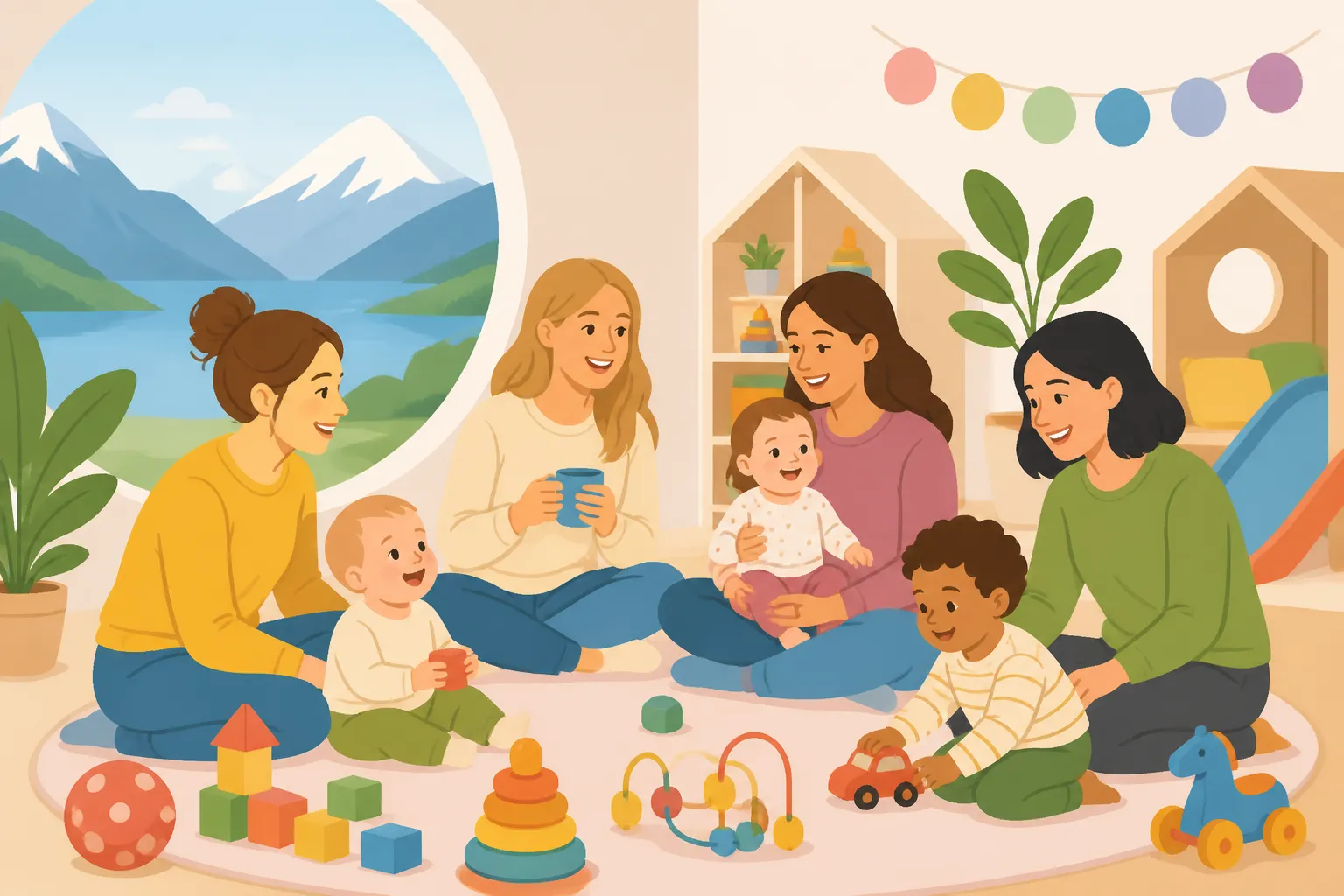
The primary purpose of an åpen barnehage is twofold: to offer a safe, stimulating environment for young children (typically from birth to school age) to play and socialize, and equally important, to provide a meeting place and support network for their parents or caregivers. This is a game-changer for many, especially those who don't have a spot in a traditional barnehage, or for stay-at-home parents who are craving adult interaction beyond their immediate family. It's a low-barrier entry point into local Norwegian life, designed specifically to foster community and combat the isolation that can easily creep in when you're at home with small children, far from your usual support system.
They are typically staffed by qualified early childhood educators who are there to facilitate play, offer guidance, and ensure a welcoming atmosphere. While you, as the parent, remain responsible for your child throughout the visit, these professionals can be an invaluable source of information on everything from local parenting groups to the next steps for applying to a regular barnehage. They are often the unsung heroes who help new families, particularly those from abroad, find their footing in the local community.
Who Can Attend and Why It's a Lifesaver for Expats
The beauty of the åpen barnehage lies in its accessibility. Generally, anyone with children under school age can attend. There are no strict application processes, no long waiting lists, and often no fees, or perhaps a very minimal daily or annual fee to cover snacks or materials. This makes them an incredibly valuable resource, especially for expat families who might still be waiting for their permanent residence permits, their fødselsnummer, or simply navigating the complexities of the official childcare system. If you're a D-number holder or just arrived and are still getting settled, figuring out Daycare (Barnehage) Application Process: Deadlines and Max Prices can feel overwhelming, but an åpen barnehage offers an immediate solution for socialization.
For stay-at-home parents, the benefits extend far beyond just playtime for the kids. It’s a crucial antidote to loneliness. Many expats, especially those who have moved for a partner's job, find themselves suddenly at home with children in a new country, struggling to build a social circle from scratch. An åpen barnehage is a ready-made community where you can meet other parents – both Norwegian and international – share experiences, swap tips, and even practice your Norwegian in a relaxed setting. It’s a place where you can grab a cup of coffee, have a chat, and realize you’re not alone in the challenges and joys of raising kids in Norway. Friendships often blossom in these settings, leading to playdates, coffee meetups, and even informal language exchange groups.
Furthermore, it offers a crucial stepping stone for children who will eventually enter the formal barnehage system or school. They get accustomed to group settings, learn to share, follow simple routines, and interact with other children and adults outside their family unit. This gentle introduction to collective play can significantly ease their transition when they do start formal childcare, helping them adapt more quickly and confidently. For parents too, it’s a wonderful opportunity to observe other parenting styles, pick up local habits, and understand more about Family Life in Norway: Daycare (Barnehage), Schools, and Kids' Activities. It's not just a place for kids to play; it's a vital support system for the entire family.
How to Find and Join an Åpen Barnehage
Finding an åpen barnehage is usually quite straightforward, though it might require a little local detective work. The best place to start is your local municipality's (kommune) website. Look for sections related to "barnehage," "barn og familie," or "helsestasjon." Many municipalities list their åpen barnehage offerings there, often with schedules, addresses, and contact information. You can usually find listings for åpen barnehager in Oslo, Bergen, Trondheim, and other major cities this way. Don't be shy about using Google Translate if the Norwegian text is too much of a hurdle, or even better, ask a friendly Norwegian neighbor for help!
Another excellent resource is your local helsestasjon, which is Norway's free child health clinic. When you first arrive in Norway, registering with your local helsestasjon is one of the first things you should do, especially if you have infants or toddlers. They are a fantastic source of information, not just for your child's health checks and vaccinations (which you can learn more about in Helsestasjon: Norway’s Free Child Health Clinics and Vaccination Program), but also for community resources like playgroups. The nurses there are usually very well-informed about local offerings and can point you in the right direction. It's often where new parents get their first introduction to this wonderful concept.
Joining is usually as simple as showing up during their opening hours. There’s typically no formal registration process, especially for the municipal ones. You might just sign a visitor's list when you arrive. Some may have a small, voluntary donation box or a café where you can buy coffee and snacks, but access to the play area itself is generally free. If you're new to Norway and still getting your bearings, perhaps living in temporary accommodation found through platforms like Spotahome while you hunt for a more permanent place, these drop-in centers are perfect because they don't require any long-term commitment. Just turn up when you feel like it.
What to Expect During a Visit
Walking into an åpen barnehage for the first time can feel a bit daunting, but rest assured, they are designed to be welcoming. You’ll typically find a large, open play area filled with age-appropriate toys, books, and craft supplies. There might be different zones for babies, toddlers, and preschoolers, or just a general free-play setup. The staff will greet you, show you where to hang your coat and shoes (remember, indoor shoes or socks are customary indoors in Norway!), and point out the facilities. Don't be surprised if you see parents with thermoses of coffee and packed lunches – this is very Norwegian!
A typical day might involve free play, followed by a communal snack time, where children often bring their own packed lunch (matpakke style). Sometimes, the åpen barnehage might provide a simple snack like fruit or crackers for a small fee. After snack time, there's often a structured activity, like a "samlingsstund" (gathering time) where everyone sings songs, reads a story, or participates in a simple craft project. This is usually done in Norwegian, which is a fantastic way for your children to pick up some of the language naturally, and for you to practice Learning Norwegian for Work: Norskprøven and Language Courses in a low-pressure environment. Don't worry if you don't understand everything at first; many parents are happy to translate or explain.
The atmosphere is generally relaxed and informal. You'll see parents chatting, children playing, and staff circulating, offering help or engaging in play. This is a great place to pick up on little aspects of Norwegian Etiquette: Social Rules, Dugnad, and Making Local Friends, like the importance of queueing, children’s independence, and the emphasis on outdoor play. Dress your child in comfortable clothes that can get a bit messy, and remember layers, as Norwegian buildings can sometimes be warm. Oh, and if you're ever in doubt about what to pack for lunch or how things work, just ask! Norwegians are generally helpful, especially when it comes to children. And speaking of packing, ensuring you have enough data on your phone with a local eSIM from Airalo can be a lifesaver for navigating public transport or quickly looking up schedules when you're out and about with kids.
Åpen Barnehage vs. Regular Barnehage: Key Differences
To really understand the role of an åpen barnehage, it helps to contrast it with the traditional, subsidized barnehage system. While both are invaluable, they serve very different purposes and operate under different structures.
| Feature | Åpen Barnehage (Open Kindergarten) | Regular Barnehage (Formal Daycare) |
|---|---|---|
| Purpose | Informal play, parent socialization, community building. | Formal childcare, early childhood education, preparing for school. |
| Attendance | Drop-in, flexible hours, parents/caregivers must stay. | Fixed schedule (full-time/part-time), children attend independently. |
| Cost | Often free or very low daily/annual fee. | Monthly fees (subsidized, but significant), maximum price set by government. |
| Registration | None, or simple sign-in upon arrival. | Formal application process, often with waiting lists and deadlines. |
| Age Range | Typically birth to school age (0-6 years). | Typically 1-6 years (children must be 1 by August 31st for full year). |
| Staff Role | Facilitators, support for parents, informal guidance. | Educators, caregivers responsible for children's well-being and learning. |
| Meals | Often self-provided matpakke; sometimes simple snacks available. | Usually provided (hot meal or bread meal, often with milk/fruit). |
| Parental Role | Active presence and supervision required. | Drop-off and pick-up; parents are not present during the day. |
| Language | Primarily Norwegian, but welcoming to all; great for practice. | Norwegian is the main language of instruction. |
As you can see, the åpen barnehage is a beautiful complement to the structured system. It fills a crucial gap for families who are not yet in formal childcare, or for those who simply choose to be at home with their children longer. It offers flexibility, community, and a gentle introduction to Norwegian life for both parents and children. Don't underestimate its value; it might just be the social lifeline you didn't know you needed when settling into Norway.
Navigating the Social and Language Aspects
One of the biggest concerns for expat parents when entering any new social setting in Norway is the language barrier. You might be worried about not understanding conversations or feeling awkward. While Norwegian is typically the primary language spoken in an åpen barnehage, especially during organized activities like "samlingsstund," you'll often find that staff and other parents are very understanding and accommodating. Many Norwegians speak excellent English, and they are usually happy to help translate or switch to English if they see you're struggling. This environment is an excellent, informal way to improve your own Norwegian skills while getting to know other parents.
Remember that a significant part of the experience is simply being present and observing. You'll pick up words, phrases, and cultural cues over time. Don't be afraid to strike up a conversation, even if it's just a simple "Hei!" or "Så søt baby!" (What a cute baby!). Many parents, both Norwegian and international, are keen to connect and share experiences. This is also a fantastic place to ask practical questions about local life, from where to buy Supermarkets in Norway: Finding International Ingredients to understanding public transport.
Another crucial aspect of expat life in Norway is coping with the long, dark winters. Coping with Seasonal Affective Disorder (SAD) in the Norwegian Winter can be a real challenge for many, and having a regular social outlet like an åpen barnehage can make a huge difference to your mental well-being. It provides a reason to get out of the house, interact with others, and simply be in a warm, bright environment when the outside world is dark and cold. The staff are often trained in early childhood development and can offer invaluable insights into children’s play and social development, which can be comforting and reassuring for parents adapting to a new cultural context. It’s truly a safe haven in multiple ways.
Building Your Local Network
Beyond the immediate benefits for your child, the åpen barnehage is a goldmine for building your personal network in Norway. These connections can extend far beyond the playgroup walls. You might meet other parents who are also new to the area, or experienced locals who can offer advice on everything from finding a good local dentist to navigating the school system when your child gets older. It's often through these informal interactions that expats truly start to feel at home.
I’ve seen friendships born in åpen barnehager lead to shared holiday traditions, carpooling arrangements, and even support during challenging times, like when a child is sick and you need advice on whether to call the Legevakten (116 117): When and How to Use the Out-of-Hours Service. These places provide a crucial sense of belonging, which is often what every expat parent craves most. They are a true example of Norwegian community spirit in action, an open invitation to join in and participate. Don't hesitate to take advantage of this wonderful resource; it truly can make all the difference in your family's journey in Norway.
Disclaimer
Please note that while this guide provides comprehensive information, regulations and services can change. It is always recommended to verify the most current details with your local municipality (kommune) or relevant authorities for the most up-to-date and specific information regarding åpen barnehage offerings and eligibility.