Legevakten (116 117): When and How to Use the Out-of-Hours Service
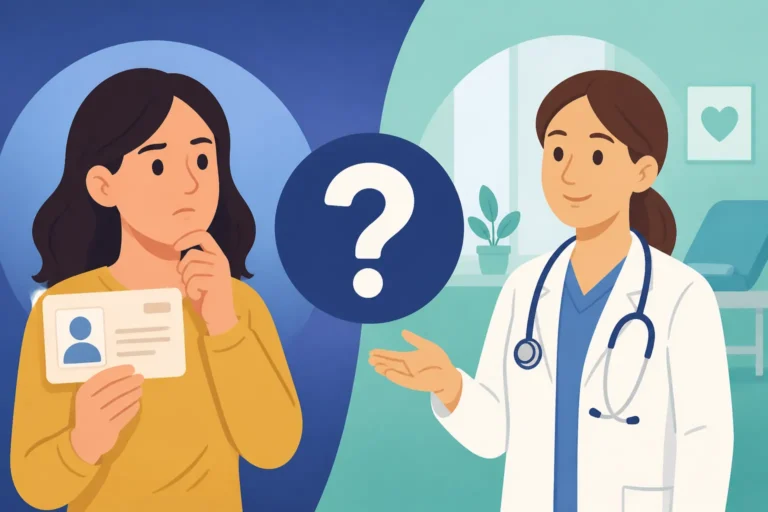
You are standing in your kitchen at 10 PM, clutching a throbbing wrist after a slip on the ubiquitous black ice, or perhaps watching your child’s fever climb toward 40 degrees. I remember that exact feeling of helplessness during my first winter in Tromsø, staring at a closed GP office and wondering if I was "sick enough" for the hospital. This guide explains how to navigate Legevakten and the 116 117 service to get the urgent care you need without the stress.
Understanding Legevakten: Norway’s Bridge Between the GP and the ER
When you move here, you’ll quickly learn that Healthcare in Norway for Expats: How the System Works (2027) is built on a very specific hierarchy of care. At the base is your regular doctor, but life rarely waits for business hours. Legevakten is the municipal out-of-hours medical service designed to handle illnesses and injuries that cannot wait until the next day but aren't quite life-threatening enough for a full-scale emergency room.
What Exactly is Legevakten?
Legevakten is a service provided by every municipality in Norway. It is essentially an "urgent care" clinic staffed by doctors and nurses who are trained to handle everything from nasty flu symptoms and allergic reactions to minor fractures and deep cuts. Unlike a hospital’s emergency department, which is usually reserved for trauma and severe acute illness, Legevakten is where the community goes when the "Fastlege" (General Practitioner) is closed.
In smaller municipalities, the Legevakt might just be your local GP taking turns on an on-call rotation, often operating out of the same office you visit during the day. In larger cities like Oslo, Bergen, or Trondheim, it is a massive, dedicated facility with its own x-ray machines, laboratories, and specialized psychiatric units. Understanding this distinction is the first step in Emergency Medical Care in Norway: 113, Legevakten, and Hospitals and ensures you don't show up at a high-intensity trauma center for a prescription for an ear infection.
The Difference Between Legevakten and the ER
It is a common mistake for newcomers to head straight to the "Akuttmottak" (Emergency Room) at the hospital. In the Norwegian system, the Akuttmottak generally only accepts patients who arrive by ambulance or have a direct referral from a doctor at Legevakten. If you show up at a hospital with a sprained ankle, they will likely give you directions to the nearest municipal Legevakt.
Legevakten acts as a gatekeeper. They have the authority to treat you on-site or, if they determine your condition is serious, arrange for an immediate transfer to the hospital. This system keeps the hospital's specialized resources free for life-and-death situations. If you are an expat with international coverage like Cigna Global, you might have the option to seek private urgent care, but for the vast majority of residents, the public Legevakt is the primary destination for nighttime and weekend medical needs.
Why You Can’t Always Just Walk In
One of the biggest cultural shocks for foreigners is that Legevakten is rarely a "walk-in" clinic in the traditional sense. While they won't turn you away at the door if you show up bleeding, the system is designed around the 116 117 phone number. The philosophy here is triage-first. By calling ahead, you are assessed by a professional nurse who determines how quickly you need to be seen.
I was quickly told that unless it was an immediate emergency, I should have called first to get a time slot or at least a triage assessment over the phone. This helps the staff manage the flow of patients and prevents the waiting room from becoming a cross-infection zone for every virus in the city.
When to Call 116 117: Identifying Urgent vs. Non-Urgent Care
The 116 117 number is a nationwide service that connects you to the nearest Legevakt dispatch center based on your GPS location or the area code you are calling from. It is a brilliant system, but it relies on patients using it correctly. Knowing when to dial those six digits—and when to just take a Paracet and wait for morning—is an essential skill for surviving the Norwegian winter.
Defining Urgent in the Norwegian Context
In Norway, "urgent" means a condition that will likely worsen or cause significant suffering if left untreated for 12 to 24 hours. Common reasons to call 116 117 include high fevers in children that don't respond to antipyretics, suspected broken bones, deep lacerations that may need stitches, or sudden, severe pain that isn't chest pain (which is a 113 call).
Think of it this way: if you would feel comfortable waiting until 8:00 AM to call your own doctor, then it’s not a Legevakt issue. If you are worried that you or your child won't make it through the night safely, then it is absolutely a 116 117 issue. For those who are still navigating the residency process and don't yet have a local ID, services like SafetyWing can be a lifesaver, but the public 116 117 service remains the standard point of contact for anyone physically in the country, regardless of their insurance status.
Situations That Can Wait for Your Fastlege
Legevakten is frequently bogged down by non-urgent requests, which leads to longer wait times for everyone. Typical "wait until Monday" scenarios include renewing a long-term prescription, getting a sick note for a minor cold you’ve had for three days, or discussing a chronic back ache that hasn't changed in weeks. The doctors at Legevakten do not have your full medical history; that is the job of The Fastlege Scheme: Navigating Norway’s GP System.
People can wait four hours at the clinic just to be told that they need to see their own GP for a referral to a specialist. To avoid this frustration, ask yourself: "Does this require a doctor right now?" If the answer is "I'm just annoyed by the symptoms," stay home. This is especially true for sick notes; Legevakten rarely issues "sykemelding" for minor illnesses that can be handled by the "egenmelding" (self-certification) system your employer provides.
Mental Health Support at Legevakten
A vital but often overlooked aspect of the out-of-hours service is its role in psychiatric care. Most large Legevakt locations have a "Psykiatrisk legevakt" or an emergency psychiatric team. If you or someone you know is experiencing a mental health crisis, severe anxiety, or suicidal thoughts outside of normal business hours, 116 117 is the number to call.
They can provide immediate counseling over the phone or arrange for an in-person assessment. For many expats, the dark "mørketid" in the north can trigger unexpected emotional distress. Knowing that Mental Health in Norway: Accessing Therapy and Psychiatric Care includes an emergency component can provide immense peace of mind when the winter blues turn into something more serious.
How the 116 117 Phone System Works
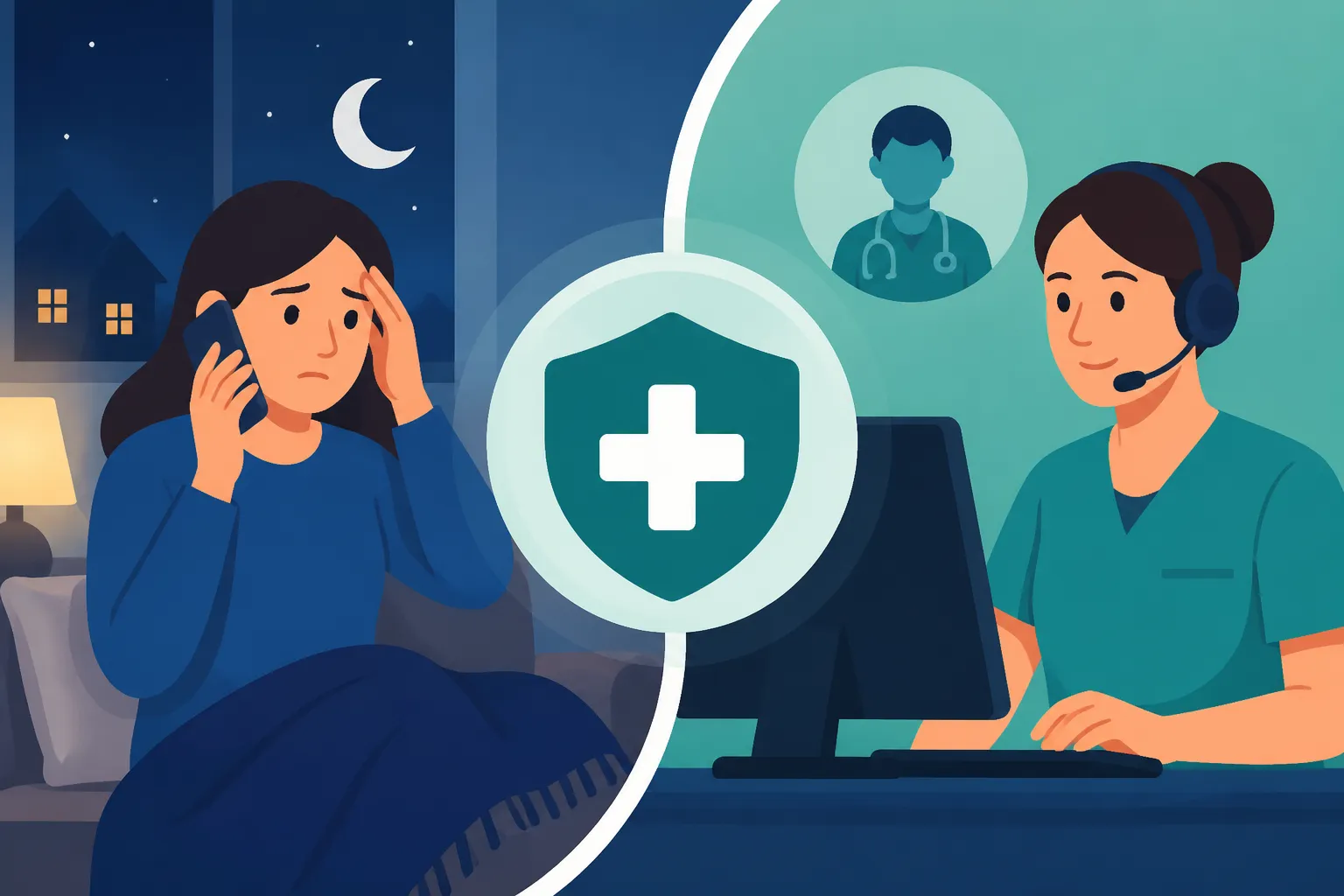
When you dial 116 117, you aren't just calling a receptionist; you are calling a specialized triage center. The person who answers will be a registered nurse with specific training in assessing medical urgency over the phone. This conversation is the most important part of the process.
Dialing 116 117: The Nationwide Triage Center
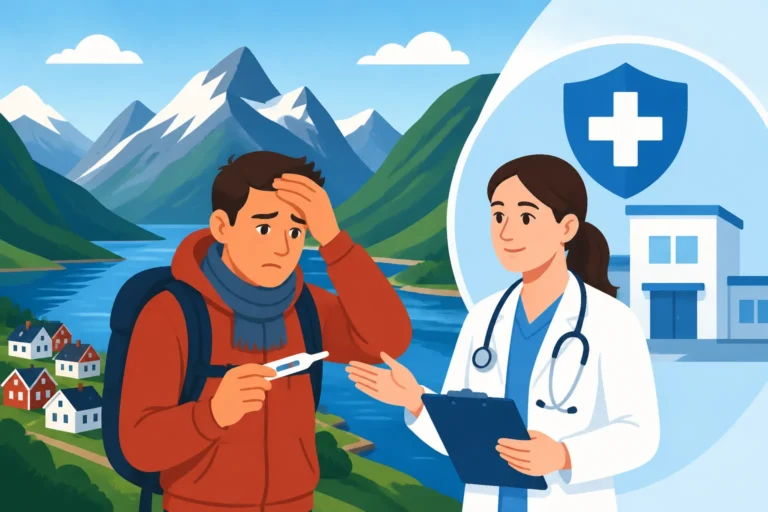
The beauty of this number is that it works anywhere in Norway. If you are hiking in Lofoten and twist your ankle, 116 117 connects you to the local response team in that region. If you are in the heart of Oslo, it connects you to the central dispatch. The operators are almost always fluent in English, so don't let a language barrier stop you from calling.
When the nurse answers, they will ask for your location and the nature of your problem. They use a standardized clinical tool to determine the severity of your condition. Be prepared for a series of direct questions: Is the patient conscious? Is there difficulty breathing? When did the symptoms start? Based on your answers, they will decide if you need to come in, if you should stay home, or if they need to send an ambulance via Calling 113: Ambulance Services and Life-Threatening Emergencies.
What to Prepare Before You Call
To make the call go smoothly, have a few things ready. You will be asked for your "Fødselsnummer" (11-digit personal number) or D-number. If you are a tourist or a new arrival without these, have your passport handy. It’s also incredibly helpful to have a list of any medications you are currently taking and a clear timeline of your symptoms.
It is wise to recommend writing down your main concerns before you pick up the phone. When you’re stressed or in pain, it’s easy to forget that you also have a rash or that the fever actually started two days ago. Having your "temp" readings and any previous medical history ready will help the nurse make a more accurate assessment. If you have private insurance through a provider like Cigna Global, have those details nearby as well, though the public system will treat you first and figure out the billing later in an emergency.
The Triage Outcome: Advice, Appointment, or Referral
There are generally three outcomes to a 116 117 call. First, the nurse might give you "self-care" advice. They might explain how to properly dose Paracetamol and Ibuprofen for a fever and tell you to call back if it doesn't drop within two hours. Do not feel dismissed if this happens; it means they believe you are safe at home.
Second, they may give you a specific time to show up at the clinic. This isn't exactly an "appointment" like at a hair salon—you might still have to wait—but it puts you in the system and ensures the doctor is expecting you. Third, in serious cases, they will tell you to head straight to the hospital or inform you that an ambulance is on the way. If you are an EU citizen, this is when having your EHIC and GHIC in Norway: Using European Health Insurance becomes vital for the administrative side of things.
Arriving at the Clinic: What to Expect During Your Visit
If the nurse tells you to come in, the experience can vary depending on whether you are in a quiet rural town or a bustling city center. Regardless of location, the process follows a predictable pattern designed to ensure the sickest people are seen first.
The Triage Nurse and Waiting Times
When you walk through the doors of Legevakten, your first stop is the registration desk and then a second "live" triage with a nurse. They will take your vitals—blood pressure, pulse, temperature—and assign you a color code: Red (Immediate), Orange (Very Urgent), Yellow (Urgent), or Green (Wait).
This is where the "I've-been-there" frustration often kicks in. If you are a "Green," you might be in for a long wait. I have sat in the Oslo Legevakt for six hours with a painful but stable finger injury while watching ambulances whisk "Red" patients straight past the waiting room. It’s important to remember that Legevakten is not "first-come, first-served." It is "sickest-served-first." Bringing a book, a phone charger, and a snack is standard veteran expat advice.
Costs and User Fees at Legevakten
Public healthcare in Norway is subsidized, but it is not entirely free for adults. When you visit Legevakten, you will be charged an "Egenandel" (user fee). As of 2026, this fee is typically higher than a standard GP visit because it includes the "out-of-hours" surcharge. You should expect to pay somewhere between 200 and 450 NOK depending on the tests performed and whether a doctor sees you.
These costs count toward your annual "Frikort" limit. Once you have paid a certain amount in a calendar year, all further treatments are free. You can track this in the Helsenorge app. For a detailed breakdown, see Understanding the Frikort: The 2026 Healthcare Exemption Card Limit and User Fees (Egenandel) for Doctor Visits Before Reaching Frikort Status. Note that children under 16 are exempt from these fees and are treated for free. If you are covered by SafetyWing, keep your receipts to file for reimbursement later.
Language Support and Medical Interpreters
One of the most impressive things about the Norwegian health system is the right to a medical interpreter. If you are in a high-stress medical situation and don't feel comfortable explaining your symptoms in English or Norwegian, you have the legal right to an interpreter in your native language. This service is free of charge.
The Legevakt staff can dial in a professional interpreter via video or phone within minutes. Never hesitate to ask for this if you feel there is a misunderstanding. Precise communication is vital for a correct diagnosis. Most doctors speak excellent English, but when it comes to specific medical terminology or describing the "quality" of pain, having an interpreter can prevent dangerous errors.
Practical Tips for Expats Navigating Out-of-Hours Care
Living in Norway as an expat means learning to navigate the system with a bit of foresight. The "Legevakt" experience doesn't have to be a nightmare if you go in prepared with the right documentation and expectations.
Bringing Documentation and ID
Even in an emergency, the administrative wheels must turn. Always bring a physical form of ID. While the Helsenorge app and BankID are the standard for residents, having your passport is crucial if your digital ID isn't working or if you haven't been fully registered in the Folkeregisteret yet. If you are a visitor, your EHIC and GHIC in Norway: Using European Health Insurance card is your ticket to being treated under the same financial rules as a local.
If you are using Private Video Consultations (Kry, Dr.Dropin) in Norway, they will often require BankID to log in. However, at the public Legevakt, they can create a temporary file for you based on your passport. If you have chronic conditions, bringing a copy of your recent medical records or a list of your diagnoses from your home country can save hours of "detective work" for the doctor on duty.
Using Private Alternatives for Faster Service
In major cities, you aren't limited to the public Legevakt. Private clinics like Volvat or Dr.Dropin operate their own "urgent care" branches. These are often much faster and have more "comfortable" waiting rooms, but you will pay significantly more—often 1,500 NOK or more for a consultation.
This is where premium expat insurance like Cigna Global pays for itself. If your plan covers private outpatient care, you can skip the 6-hour wait at the public clinic and see a private doctor within 30 minutes. However, be aware that for major traumas, even private clinics will eventually refer you back to the public hospital system, as that is where the heavy equipment and specialists are located.
Post-Visit Care: Getting Your Results to Your Fastlege
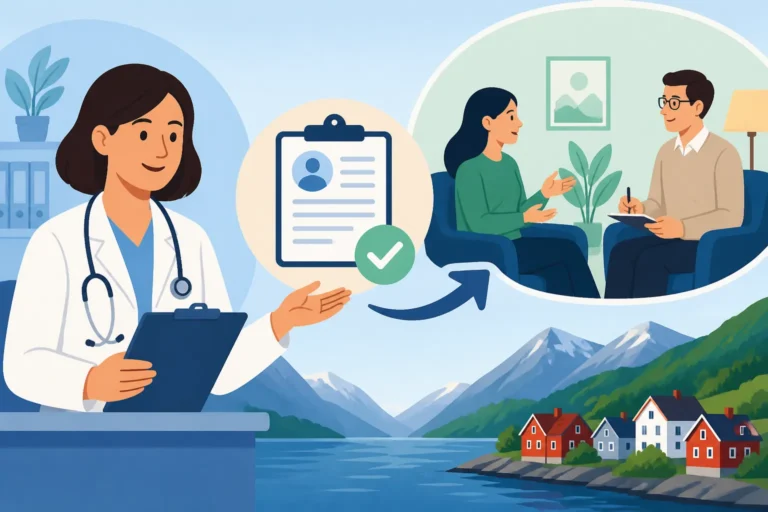
A common pitfall is assuming the Legevakt doctor will now manage your recovery. They won't. Their job is to stabilize you and send you home. Any follow-up appointments, blood test results, or long-term treatment plans must be handled by your regular GP.
The Legevakt will send an electronic "epikrise" (summary) to your Fastlege, but it’s always a good idea to check your Helsenorge account a few days later to ensure it arrived. If you need a follow-up x-ray or a specialist referral, you will likely need to book a new appointment with your GP to get those wheels in motion. Managing your health is a proactive task in Norway, and the Legevakt is just one piece of the puzzle.
Summary Table: Choosing the Right Medical Service
| Situation | Recommended Service | Contact Method | Typical Cost |
|---|---|---|---|
| Life-threatening (Chest pain, unconsciousness, heavy bleeding) | Emergency (113) | Call 113 | Free (Ambulance included) |
| Urgent but stable (High fever, broken wrist, deep cut) | Legevakten | Call 116 117 | ~200 – 450 NOK (User fee) |
| Non-urgent (Cold symptoms, prescription renewal, chronic pain) | Fastlege (GP) | Book via Helsenorge | ~160 – 250 NOK (User fee) |
| Minor issues / Fast advice (Prescriptions, simple rashes) | Private Video App (Dr.Dropin/Kry) | App / Website | 350 – 600 NOK (Flat fee) |
| Mental health crisis (Urgent distress, suicidal thoughts) | Psykiatrisk Legevakt | Call 116 117 | ~200 – 450 NOK (User fee) |
Disclaimer
This guide is for informational purposes only and is based on personal expat experiences and publicly available information regarding the Norwegian healthcare system as of 2026. Medical regulations and costs can change. Always consult official sources like Helsenorge.no or UDI.no for the most current advice. In a medical emergency, always dial 113 immediately. Regardless of your insurance coverage with providers like Cigna Global or SafetyWing, the Norwegian public system is the primary responder for emergencies.