Medical Screening for Residence Permits: Tuberculosis Tests Explained
Most expats expect the fingerprinting and the photo at the police station, but the sudden requirement for a mandatory tuberculosis screening often catches people off guard and adds a layer of anxiety to an already stressful move. When I first arrived in Oslo, I was confused by the conflicting info about which clinic to visit. This guide clears up exactly who needs the test, how to book it, and what the results mean for your residency.
Understanding the Tuberculosis Screening Requirement
Norway maintains a remarkably low rate of tuberculosis (TB) infections, and the government is fiercely protective of this public health status. Under the Norwegian Health Act, specific groups of foreign nationals are legally required to undergo a TB screening shortly after arrival. This isn't just a suggestion; it is a formal part of your Visas and Residence Permits in Norway: The Complete UDI Guide (2027) process. If you fail to complete the screening, your residence permit could be revoked, or you may find that your residence card simply never arrives in the mail.
The screening is designed to identify both active TB, which is infectious, and latent TB, where the bacteria are present but not currently making you sick. For many of us coming from countries where TB is more common, this can feel like an invasive or even discriminatory step, but in the Norwegian context, it is viewed as a standard, universal preventive measure. I remember the slight panic of receiving the letter from the municipal health service, but once you understand that this is a routine administrative hurdle for thousands of newcomers every year, the stress begins to fade.
Who Exactly Needs to be Screened
The requirement for screening is based on two primary factors: your country of citizenship and the duration of your stay in Norway. Generally, if you are moving to Norway for more than three months and you come from a country with a high or very high incidence of tuberculosis, you must be tested. This list is updated annually by the Norwegian Institute of Public Health (FHI), so it is vital to check the current status of your home country before you travel.
Even if you are an EU/EEA citizen, you aren't automatically exempt. While most Western European countries are considered low-risk, the rules apply to anyone who has lived in a high-risk country for more than three months during the last three years. This means if you are a German citizen who spent a year working in Southeast Asia or parts of Africa before moving to Norway, the screening requirement will likely apply to you as well. This is often where people get tripped up; they assume their passport is the only thing that matters, but your recent travel history is equally significant to the health authorities.
Specific professional groups face even stricter requirements. Those planning to work in health and social services, or those who will have contact with children (such as teachers or au pairs), must often provide a clean TB certificate regardless of their country of origin if they have spent time in high-incidence areas. If you are pursuing Healthcare Careers in Norway: Licensing for Foreign Nurses and Doctors, the TB test is one of the very first documents your employer will ask for during the onboarding process.
The Mandatory Screening Process Step by Step
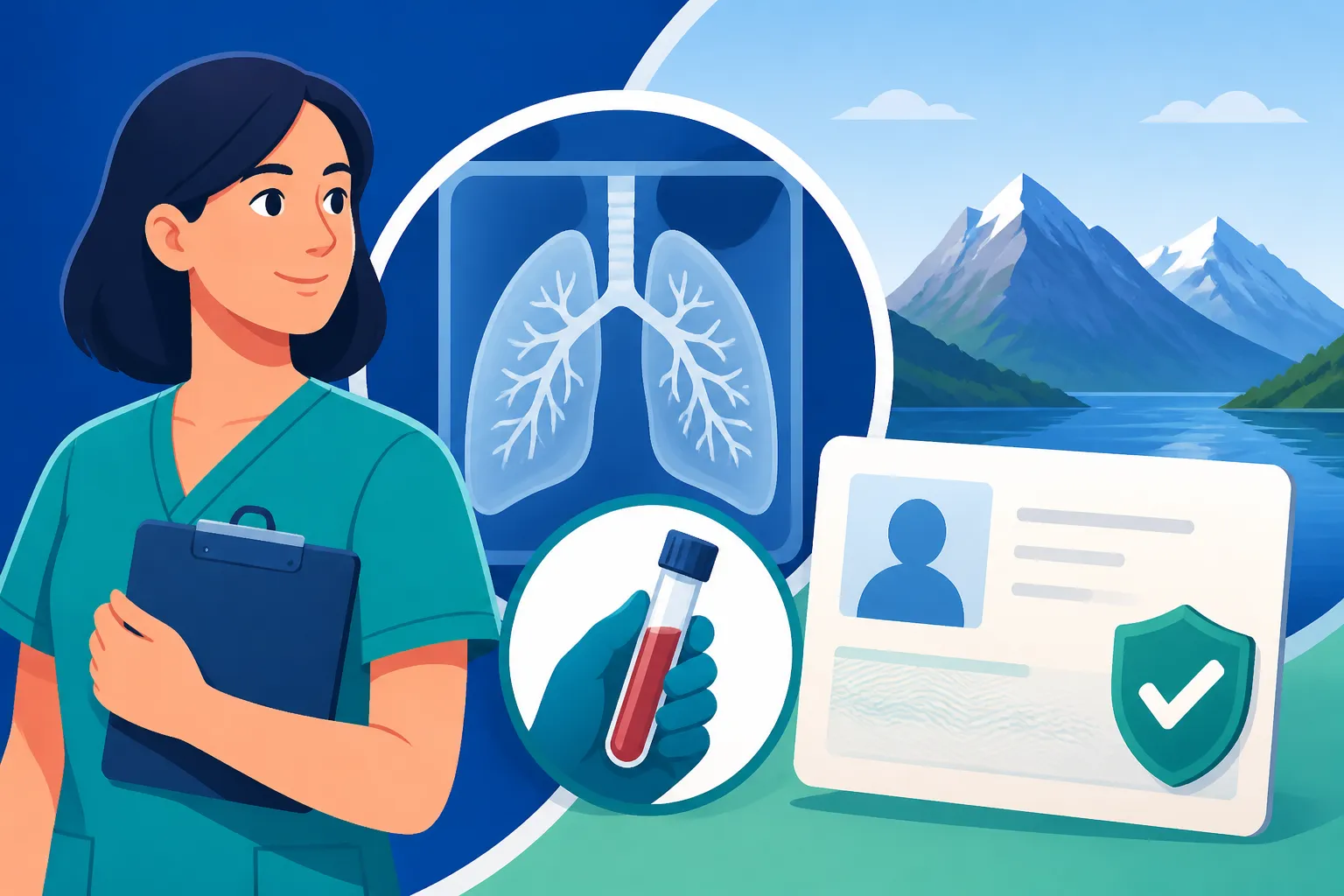
The screening usually involves one of two methods: a blood test (known as an IGRA test) or a chest X-ray. For most adults and children over the age of 12, the IGRA (Interferon-Gamma Release Assay) is the standard approach. It is a simple blood draw that looks for immune system reactions to the TB bacteria. Unlike the older skin tests used in some countries, the IGRA test is not affected by the BCG vaccine, which many of us received as children. This is a huge relief because it means you won't get a false positive just because you were vaccinated years ago.
If the blood test comes back with an uncertain result, or if you are from a country with a particularly high incidence of TB, the doctor may request a chest X-ray. This is performed at a specialized radiology department, often located within Norwegian Hospitals: Inpatient Care, Outpatient Care, and Patient Choice. The X-ray looks for signs of infection in the lungs that the blood test might not fully characterize. For pregnant women, the health authorities are usually very cautious, and while X-rays are generally avoided unless absolutely necessary, the IGRA blood test is considered safe and mandatory.
Once the tests are completed, the results are sent to the municipal medical officer. If everything is clear, they will issue a health certificate. In many cases, this certificate is sent digitally to the UDI and the National Registry, but it is wise to ask for a paper copy or a digital PDF for your own records. You never know when a glitch in the Navigating the UDI and Police Portal: Booking Appointments and Tracking might require you to prove you've done your part.
Timing and Booking Your Appointment
Technically, the law states that you should undergo the screening within two to four weeks of your arrival in Norway. In reality, the timeline is often dictated by how quickly the municipality (kommune) contacts you. In larger cities like Oslo or Bergen, you might receive a letter automatically after you register your move with the police. However, you shouldn't just wait for the mail. If you haven't heard anything within your first two weeks, it is your responsibility to contact the local Smittevernkontoret (Infectious Disease Control Office).
The booking process varies by municipality. In Oslo, you might be directed to the specialized clinic at Storgata, whereas in smaller towns, you might simply visit your local health center. When booking, you will need your Norwegian ID number or D-number. If you haven't received these yet, you can still be tested using your passport and UDI application number. This is a common pain point for many because Healthcare Rights for D-Number Holders: Exclusions and Alternatives can be confusing, but TB screening is one of the few services that is typically accessible even before your full registration is finalized.
Many expats ignore the TB screening letter because they were overwhelmed with finding an apartment or starting a new job. This is a mistake. The police often wait for the "OK" from the health department before they trigger the production of your physical residence card. No card means no BankID, and no BankID means no life in Norway. Treat the TB test as a top priority in your First 30 Days Health Checklist: GP, Frikort, and Pharmacies.
Costs and Financial Considerations
One of the few silver linings of this process is that mandatory tuberculosis screening is entirely free of charge in Norway. The government covers the cost of the consultation, the blood tests, and any necessary X-rays. You do not need to worry about the usual egenandel (user fee) that applies to standard GP visits. This is because the screening is considered a matter of public safety rather than personal elective healthcare.
However, while the test itself is free, the logistical side can incur costs. If you live in a rural area and have to travel to a regional hospital for an X-ray, those travel expenses are generally your own responsibility. Furthermore, if you are in the country on a temporary basis or haven't yet entered the Folketrygden Basics: Who is Covered by the National Insurance Scheme, you might want to ensure you have a backup plan for other medical needs.
While the public system handles the TB screening, it doesn't cover everything during your first few months. Many expats choose to use SafetyWing for their initial transition period, especially if they are digital nomads or job seekers who aren't yet fully registered. For those who prefer a more comprehensive, long-term private option that bypasses the public waiting lists for non-mandatory care, Cigna Global offers plans that provide peace of mind while you wait for your full Norwegian health rights to kick in.
Dealing with a Positive Result
The word "positive" is terrifying in a medical context, but when it comes to TB screening in Norway, it doesn't necessarily mean your life or your residency is over. If your test comes back positive for latent TB, it means you have been exposed to the bacteria at some point, but you are not currently sick or contagious. In this case, the Norwegian health service will offer you preventive treatment—usually a course of antibiotics lasting several months. This treatment is also free of charge.
If the tests indicate active TB, the situation is more serious but still manageable. You will be admitted to a hospital for treatment until you are no longer contagious. Importantly, having TB is not, by itself, grounds for deportation. Norway’s focus is on treatment and cure, not punishment. The health authorities are bound by strict confidentiality rules, and your employer will not be told the specifics of your diagnosis, only that you are on sick leave.
Navigating a diagnosis in a foreign country is a massive emotional hurdle. However, the Norwegian system is world-class in this area. You will be assigned a public health nurse who will follow your progress and ensure you have the medications you need. This is a clear example of why many consider the Public vs Private Healthcare in Norway: A Complete Guide to be heavily weighted toward the public side for serious or infectious conditions—the specialized expertise in the public hospitals is unmatched.
Summary of TB Screening Requirements
| Applicant Category | Screening Required? | Type of Test | Cost |
|---|---|---|---|
| EU/EEA Citizens (Low Risk) | No | None | N/A |
| Non-EU Citizens (High Risk) | Yes | IGRA Blood Test / X-ray | Free |
| Health Workers (All Regions) | Often | IGRA Blood Test | Free |
| Students (High Risk Regions) | Yes | IGRA Blood Test | Free |
| Children under 12 (High Risk) | Yes | IGRA or Skin Test | Free |
Practical Tips for Your Appointment
When you finally head to the clinic, bring your passport, your UDI application documents, and any previous vaccination records you might have. Even if they don't use the vaccination records to skip the test, it helps the doctors build a more complete picture of your health history. If you don't speak Norwegian, don't worry—almost all health professionals in this field speak excellent English.
If you are particularly anxious about the appointment, you can check Finding English-Speaking Doctors and Specialists in Oslo to see if there are private clinics that offer pre-screening, though keep in mind that only the official municipal result counts for your residency requirements. I found that the staff at the infectious disease clinics are generally very empathetic; they know that most people there are just trying to check a box to get their residence card.
Finally, keep a record of the date you were tested and the name of the clinic. If your residence card hasn't arrived after four or five weeks, you can call the UDI or the police and tell them exactly when and where your TB screening was completed. This often helps them "unstick" an application that has been sitting in a digital pile waiting for a health clearance that was never properly linked to your file.
The Long Term Value of Private Coverage
While the public system is excellent for emergencies and mandatory screenings like the one for tuberculosis, many expats find that the long waiting times for specialists can be a major frustration. If you have a history of chronic issues or simply want the comfort of knowing you can see a doctor the same week you have a concern, looking into Do I Need Private Health Insurance if I Live in Norway? is a wise move.
Brands like Cigna Global provide a level of service that mirrors the high-end private care many are used to in the US or UK, allowing you to bypass the public "fastlege" waiting lists. On the other hand, SafetyWing is an excellent, budget-friendly choice for those who are still in the "moving" phase and haven't quite settled into the national insurance scheme yet. Having this extra layer of protection means that while the government handles your mandatory TB screening, you are in control of the rest of your health journey.
Healthcare Budgeting and Exemption Cards
Once you pass your TB screening and are officially a resident, you'll enter the world of Egenandelstak. This is the maximum amount you'll have to pay for healthcare in a calendar year. After you hit this limit, you receive a frikort, and all subsequent public healthcare is free. This is a vital part of your financial planning. While the TB test doesn't count toward this limit (because it’s free anyway), other visits to your GP will. Knowing how to navigate this will save you significant money in your first year.
The administrative burden of moving to Norway can feel heavy, but each of these steps—the TB test, the police appointment, the National Registry—is a milestone toward your new life. Stay organized, keep your paperwork in order, and don't be afraid to ask for help from the expat community. We've all been through it, and we all made it to the other side with our residence cards in hand.
Disclaimer
The information provided in this guide is for informational purposes only and does not constitute professional medical or legal advice. Regulations regarding tuberculosis screening and residence permits in Norway are subject to change by the UDI and the Norwegian Institute of Public Health. Always verify current requirements with official government sources before your arrival.