D-Number vs Fødselsnummer: How Immigration Status Dictates Your ID
One of the most perplexing hurdles for anyone new to Norway isn't just navigating the language or the chilly winters, but figuring out your fundamental identity in the eyes of the Norwegian bureaucracy. The constant confusion between a D-Number and a Fødselsnummer can feel like a secret handshake you haven't been taught. This guide is here to demystify these crucial identification numbers, explaining exactly what they are, who gets them, and how your immigration status directly dictates which one you'll be assigned, ultimately impacting your day-to-day life here.
The Identity Conundrum for New Arrivals: D-Number vs Fødselsnummer
When you first arrive in Norway, full of hope and perhaps a bit of trepidation, one of the first things you'll encounter is the need for an identification number. This number is your gateway to virtually everything in Norwegian society, from opening a bank account to accessing healthcare. However, it's not a one-size-fits-all situation, and the type of ID you receive depends heavily on your initial immigration status. Many expats find themselves scratching their heads, wondering why their friend has a different number or why they can't access certain services despite having a number. This isn't arbitrary; it's a fundamental aspect of how Norway categorizes and integrates its residents.
Understanding the Basic Distinction
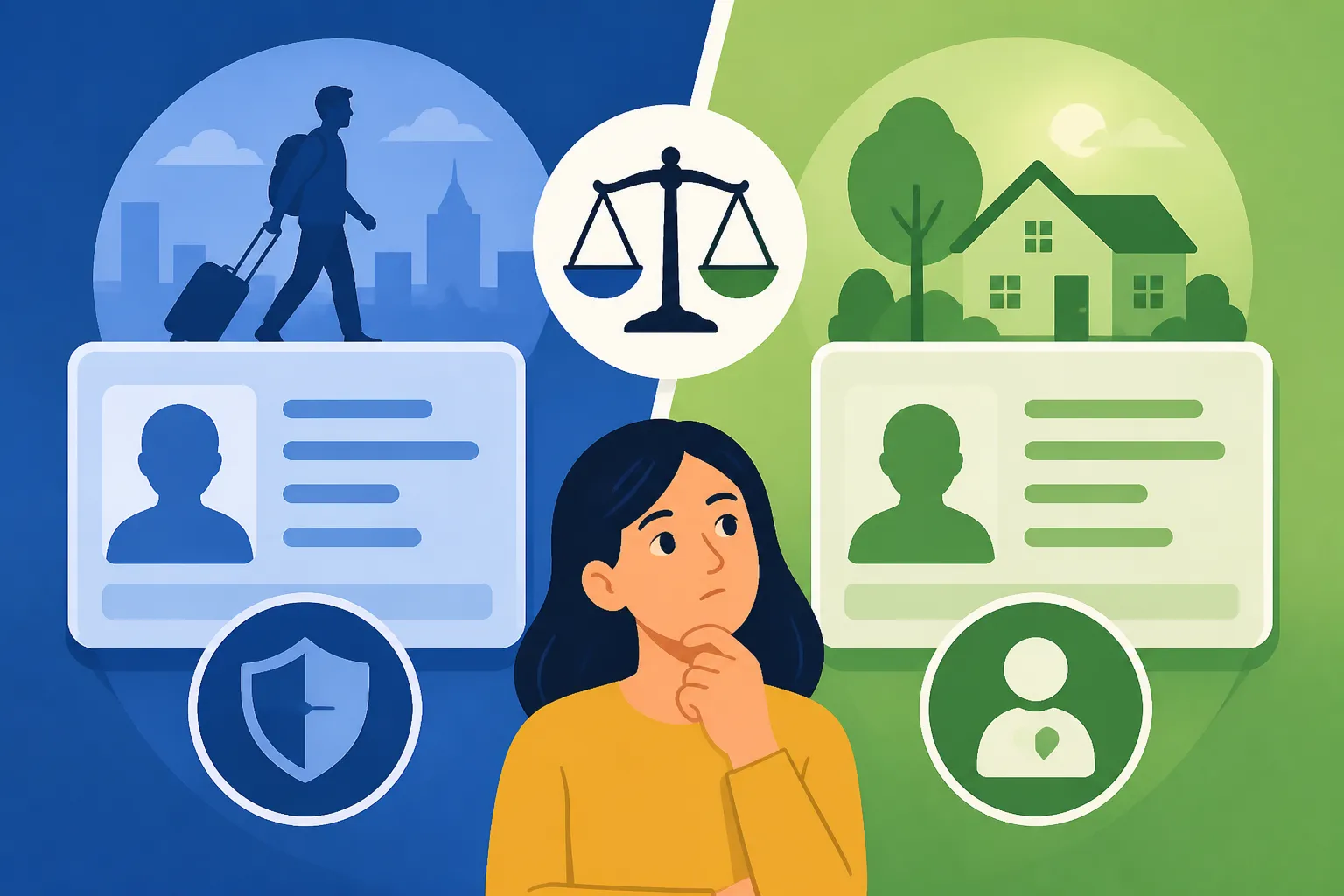
At its core, the distinction is about permanence and comprehensive registration. A D-number (D-nummer) is a temporary identification number. Think of it as a stepping stone, often issued to individuals who need an ID for specific purposes but aren't yet considered long-term residents in the National Population Register (Folkeregisteret). It allows you to interact with Norwegian authorities and some private services, but it comes with limitations. It’s like having a guest pass – it gets you in, but not full membership rights.
A Fødselsnummer (national identity number or birth number), on the other hand, is your golden ticket. This 11-digit number is issued to everyone who is registered as a permanent resident in Norway's National Population Register. It’s the equivalent of a social security number or national insurance number in other countries, granting you full access to all public and private services without restriction. This is the number you'll carry for life here, deeply integrated into everything from your tax records to your medical history. The moment you are registered in the Folkeregisteret, your previous D-number effectively becomes obsolete, though it might still be referenced for historical data.
Why Your Immigration Status Matters
Your initial immigration status is the primary determinant of whether you receive a D-number or a Fødselsnummer. If you come to Norway on a short-term visa or a temporary work permit that isn't intended for permanent settlement, you'll likely be assigned a D-number. This applies to students, seasonal workers, certain types of exchange programs, or even family members who are awaiting a more permanent permit decision. The authorities view your stay as potentially temporary, and thus, a D-number suffices for your basic needs while you're here.
Conversely, if your residence permit explicitly grants you the right to live and work in Norway for a prolonged period, typically exceeding six months, you are usually eligible for a Fødselsnummer. This often includes skilled workers, family reunification cases, or those granted asylum. The underlying assumption is that you are establishing a long-term life in Norway, making full integration into the national population register necessary. It's a key step in truly becoming a resident here, enabling you to access comprehensive public services and financial tools that are vital for settling down. Understanding these initial criteria is crucial, as it sets the stage for your entire administrative experience in Norway. You can read more about the general landscape in our guide on Visas and Residence Permits in Norway: The Complete UDI Guide (2027).
Diving Deep into the D-Number: The Temporary ID
For many expats, their journey in Norway begins with a D-number. It's often the first piece of official Norwegian identification they receive, allowing them to start piecing together their new life. While incredibly useful for getting started, it's important to understand that the D-number is a distinct entity from the Fødselsnummer, with its own set of functions and, frankly, its own set of frustrations.
Who Receives a D-Number and Why
A D-number is issued to individuals who have a legitimate need for an identification number in Norway but are not (yet) registered as residents in the National Population Register. This includes a wide array of people. You might receive a D-number if you are:
- Temporary workers: Individuals on short-term contracts, seasonal employment, or those who only plan to stay in Norway for a limited period, often less than six months.
- Foreign citizens with assets in Norway: This could be someone who owns property, has investments, or needs to manage an inheritance, but doesn't live in Norway.
- EU/EEA citizens residing temporarily: If you are an EU/EEA citizen moving to Norway, you might initially be given a D-number until you meet the requirements for full registration with the police and Folkeregisteret.
- Students: Many international students, particularly those on shorter exchange programs, will start with a D-number.
- Family members awaiting permits: Often, family members who arrive in Norway through family reunification processes might receive a D-number while their long-term residence permit applications are being processed by UDI, and before they can register with the Folkeregisteret.
- Cross-border commuters: People who live in a neighboring country but work in Norway.
The "why" behind the D-number is about facilitating necessary interactions with Norwegian society without conferring full residency status. It allows for basic functions like opening a bank account (sometimes with difficulty), getting a tax deduction card (The Complete Guide to Norwegian Taxes for Expats (Skatteetaten)), and accessing certain public services.
The Limitations and Frustrations of D-Number Life
This is where the rubber meets the road for many expats, and believe me, I've heard my fair share of exasperated sighs over D-number woes. While a D-number is essential, it comes with significant limitations that can make daily life unnecessarily complicated. The biggest hurdle is often tied to BankID, Norway's ubiquitous digital identification system. While some banks, like DNB or Nordea, might issue you a limited form of BankID with a D-number, it's not guaranteed, and often requires a physical visit to the bank. This means digital signing, logging into public services like Helsenorge (Norway's public health portal), or even using mobile payment apps like Vipps becomes a monumental challenge, if not impossible. Check out our detailed guide on Overcoming the BankID Block: Workarounds for D-Number Holders for some sanity-saving tips.
Beyond banking, accessing full public services can be a maze. You might find restricted access to certain online portals, including parts of the healthcare system. While you have a right to healthcare, your ability to register for a fastlege (GP) on Helsenorge might be delayed or complicated without a Fødselsnummer. This can be incredibly frustrating, especially when you're trying to integrate into a new country and simply need to see a doctor. The bottom line is, while you're officially recognized, you're not fully integrated, and this manifests in countless small, irritating administrative roadblocks.
Obtaining and Renewing Your D-Number
The process for obtaining a D-number typically involves the Norwegian Tax Administration (Skatteetaten) or sometimes the police, depending on your reason for needing it. If you're coming to work, your employer will often help facilitate the application for a tax deduction card, which automatically triggers the assignment of a D-number if you don't already have one. You'll need to visit a tax office (skattekontor) in person with your passport, employment contract, and often your residence permit.
For EU/EEA citizens, after registering your stay with the police, you might be issued a D-number that way. Students or family members might have their D-number assigned through UDI as part of their permit application process or upon their first police registration. The key is presenting valid identification and documents proving your need for the number.
D-numbers are generally considered active as long as you have a valid reason for needing one in Norway. However, they are not permanent. If you leave Norway for an extended period or your temporary permit expires without renewal or conversion to a more permanent status, your D-number might become inactive. While you don't typically "renew" a D-number in the same way you renew a visa, ensuring your underlying permit or reason for being in Norway remains valid is crucial. If your circumstances change, or you transition to a long-term permit, you'll eventually move towards obtaining a Fødselsnummer, which is a different process entirely.
Embracing the Fødselsnummer: Your Permanent Norwegian ID
For most expats who plan to build a life in Norway, the Fødselsnummer is the ultimate goal. It signifies your full integration into Norwegian society and unlocks a level of administrative ease that D-number holders can only dream of. Getting this number is a significant milestone, marking your transition from a temporary visitor to a recognized resident.
Eligibility for the Fødselsnummer
The path to a Fødselsnummer is straightforward: you must be registered as a permanent resident in the National Population Register (Folkeregisteret). This typically happens when you have a residence permit that indicates a long-term stay in Norway, usually exceeding six months. Common scenarios include:
- Skilled worker permits: If you've secured a job that comes with a skilled worker permit, you are generally eligible. Our guide on Applying for a Work Permit from Abroad vs From Within Norway details this process.
- Family reunification: Spouses, partners, and dependent children joining a resident in Norway.
- Study permits: While some students initially get a D-number, those on longer degree programs (e.g., Bachelor's or Master's degrees) who intend to stay for more than six months often qualify for a Fødselsnummer upon arrival and registration.
- EU/EEA citizens with permanent residency rights: After registering their stay and meeting the long-term residency requirements, they can also obtain a Fødselsnummer.
- Asylum seekers granted protection: Once their status is confirmed.
The core requirement is that your stay is intended to be for a period of at least six months or more, and your permit type supports this long-term perspective. Once you meet this criterion and physically move to Norway, you can initiate the process of full registration.
The Benefits of a Fødselsnummer
The Fødselsnummer truly is your key to unlocking Norway. Its benefits are extensive and profound, streamlining nearly every aspect of your life here:
- Seamless Banking and Digital Identity: With a Fødselsnummer, obtaining a full BankID Explained: Norway's Digital Identity System and Expat Challenges becomes much simpler. This means you can easily use online banking, sign documents digitally, and utilize critical apps like Vipps without hassle. This is perhaps the most immediate and impactful improvement for many expats.
- Full Access to Helsenorge: You gain complete access to Helsenorge, the national health portal. Here, you can change your fastlege, view your medical records, renew prescriptions, book appointments, and check your Frikort status. This transforms your ability to manage your healthcare, a topic thoroughly covered in Healthcare in Norway for Expats: How the System Works (2027).
- Easier Interaction with Public Services: From Skatteetaten (Tax Administration) to NAV (Norwegian Labour and Welfare Administration), having a Fødselsnummer simplifies all interactions. Your identity is unambiguously established, reducing paperwork and administrative delays.
- Pensions and Social Security: Your Fødselsnummer is central to your contributions to the national insurance scheme (Folketrygden) and, consequently, your pension rights.
- Credit and Loans: Building a credit history and applying for loans (like mortgages or car loans) becomes feasible, as your identity and financial history are clearly linked to a permanent identifier.
- Property Ownership: Purchasing property is also significantly easier and more secure with a Fødselsnummer.
In essence, the Fødselsnummer transitions you from being an expat with temporary needs to a fully recognized and integrated member of Norwegian society, with all the rights and responsibilities that entail.
The Registration Process for a Fødselsnummer
The process of obtaining a Fødselsnummer involves registering your move to Norway with the National Population Register (Folkeregisteret), which is managed by Skatteetaten. This process typically happens after you have received your residence permit from UDI (or registered as an EU/EEA citizen with the police) and have found a place to live in Norway.
Here's a general overview of the steps:
- Receive Your Residence Permit: For non-EU/EEA citizens, ensure you have your UDI residence permit. For EU/EEA citizens, you must have completed your registration with the police.
- Book an Appointment with Skatteetaten/Police: You will need to book an appointment with a local tax office that handles population registration, often facilitated through the police if you're a non-EU/EEA citizen getting your residence card. During this appointment, you'll register your move to Norway. This is a critical step, as it formally records your entry into the Folkeregisteret.
- Provide Required Documents: You'll need to bring:
- Your valid passport.
- Your UDI residence permit or EU/EEA registration certificate.
- Your employment contract (if applicable).
- Your rental contract or proof of address.
- Marriage certificate (if applicable).
- Birth certificates for children (if applicable).
- Any other documents related to your immigration status.
- Important: Some original documents issued outside of Norway might need to be translated into Norwegian or English by an authorized translator, and possibly apostilled. Services like RushTranslate or Translayte can be invaluable for ensuring your documents meet Norwegian standards before your appointment, saving you immense hassle.
- Interview and Verification: The officer will review your documents and ask questions about your move and intentions to live in Norway.
- Registration and Fødselsnummer Issuance: Once everything is verified, you will be registered in the Folkeregisteret, and a Fødselsnummer will be assigned to you. You'll typically receive a letter with your new Fødselsnummer in the mail shortly after the appointment, usually within a few weeks. The wait time can vary, but generally, it's a smoother process once all documentation is in order.
Remember, the moment you are registered in the Folkeregisteret, any previous D-number you might have had effectively transitions into your Fødselsnummer in the system, even though the actual number sequence is different. You're now formally recognized as a full resident.
The Journey from D-Number to Fødselsnummer: Bridging the Gap
Many expats start with a D-number and then, as their long-term plans solidify, transition to a Fødselsnummer. This upgrade is a significant administrative step that signals a deeper commitment to life in Norway. It’s not automatic, but rather triggered by specific changes in your circumstances or residence status.
When and How the Upgrade Happens
The "upgrade" from a D-number to a Fødselsnummer isn't a simple button press. It typically occurs when your underlying immigration status changes from temporary to long-term, thereby meeting the criteria for registration in the National Population Register. This could be due to:
- Extending a temporary permit to a long-term one: For instance, if you initially came on a short-term project and then secured a permanent employment contract that qualified you for a skilled worker residence permit exceeding six months.
- Family reunification: When a family member with a D-number receives approval for a family reunification permit, they will then be eligible to register for a Fødselsnummer.
- EU/EEA citizens meeting residency requirements: If you are an EU/EEA citizen who initially registered for a D-number but have now officially registered your residence with the police and intend to stay for more than six months.
- Students on long-term programs: Some students initially receive a D-number, but if their study program is for more than six months, they will be registered for a Fødselsnummer once they complete their police registration and report their move to the tax office.
The "how" involves a new appointment with the tax administration (Skatteetaten) for population registration, often handled at a police station for non-EU/EEA citizens getting their residence card. You essentially follow a similar process to getting a Fødselsnummer for the first time, providing updated documentation reflecting your new, more permanent status. It’s about updating the Folkeregisteret with your long-term presence.
Navigating the Transition
Once you've been assigned a Fødselsnummer, the real work begins: updating all the services that had your D-number on file. This is where many expats hit small bumps in the road, as not all systems automatically update. Here’s a checklist of key areas to address:
- Your Bank: This is paramount. Contact your bank immediately to inform them of your new Fødselsnummer. They will update your records and, crucially, should be able to issue you a full BankID Explained: Norway's Digital Identity System and Expat Challenges linked to this permanent number. Without this, you might still face digital roadblocks. You can learn more about this in our article How Long Does it Take to Get a Fødselsnummer for BankID?.
- Helsenorge: While the public health system is often quite good at automatically updating your details, it’s wise to log in (once you have BankID!) and verify that your Fødselsnummer is reflected in your profile. This ensures seamless access to your fastlege and other health services, as explained in How to Register for a Fastlege (GP) on Helsenorge.
- Skatteetaten (Tax Administration): Since Skatteetaten manages the Folkeregisteret, your tax records should update automatically. However, always double-check your digital tax card (skattekort) on their portal once your Fødselsnummer is active.
- Employer: Inform your employer of your new Fødselsnummer. They'll need to update your payroll records to ensure your tax deductions and national insurance contributions are correctly attributed.
- Other Subscriptions and Services: Update utilities, mobile phone contracts, library cards, and any other services where you initially registered with your D-number. While some might not strictly require the Fødselsnummer, it's good practice for consistency.
It's a bit of administrative legwork, but the long-term benefits of having everything linked to your Fødselsnummer far outweigh the initial effort.
Essential Documents for the Change
When you go for your appointment to register for a Fødselsnummer (or transition from a D-number), having the correct, up-to-date documentation is absolutely critical. Any missing or incorrectly prepared document can lead to frustrating delays. Here's a rundown of what you'll typically need:
- Valid Passport: Your most important piece of identification.
- New Residence Permit Card: If your immigration status has changed, you'll need the physical card proving your new, long-term permit.
- Proof of Address: A valid rental contract (leiekontrakt) or purchase agreement for property. This confirms your physical address in Norway.
- Employment Contract (if applicable): If your Fødselsnummer is linked to a work permit, this is essential.
- Marriage Certificate/Birth Certificates (if applicable): If you're registering as a family, these documents are vital.
- Originals and Copies: Always bring original documents, and it's a good idea to have clear photocopies of everything.
- Translated and Apostilled Documents: For any official documents not issued in Norwegian or English (e.g., birth certificates, marriage certificates from non-English speaking countries), you must have them officially translated. This means using certified translators. Companies like RushTranslate or Translayte specialize in these services and can ensure your documents meet the stringent requirements of Norwegian authorities, potentially saving you weeks of rejections and re-submissions. An apostille stamp might also be required for certain documents from specific countries, certifying their authenticity for international use. Always check UDI or Skatteetaten's website for country-specific requirements.
Being meticulously prepared with your documents will make the transition as smooth as possible, allowing you to quickly move past the administrative hurdles and focus on living your Norwegian life.
Practical Implications and Real-World Scenarios
The D-number vs. Fødselsnummer distinction isn't just bureaucratic jargon; it has tangible impacts on your daily life, from managing your money to accessing healthcare and even understanding your taxes. Let’s break down how these two numbers influence critical areas.
Banking and Financial Services
This is arguably one of the most significant differences expats encounter.
- D-Number Holders: Opening a standard Norwegian bank account with just a D-number can be surprisingly difficult. While legally possible, many banks are hesitant due to stricter anti-money laundering regulations and the lack of a permanent ID. You might find yourself limited to basic accounts, and obtaining BankID Explained: Norway's Digital Identity System and Expat Challenges is often a major headache. Banks might issue a simpler digital ID, but it typically won't give you access to all services, including critical government portals. This impacts everything from paying bills online (eFaktura/AvtaleGiro are often hard to set up) to using mobile payment apps like Vipps. Our article, Banking in Norway: How to Open an Account as a Foreigner, delves deeper into these challenges.
- Fødselsnummer Holders: Once you have a Fødselsnummer, opening a bank account becomes routine. You’ll also easily get full BankID, which is essential for almost all digital transactions and public service logins. This simplifies paying bills, managing investments, and even applying for loans. In fact, many financial products, like Aksjesparekonto (ASK) for stock savings, are often only fully accessible with a Fødselsnummer.
Healthcare and Public Services
Accessing healthcare and other public services is another area where your ID number makes a huge difference.
- D-Number Holders: You are entitled to necessary medical care, especially in emergencies. However, routine access can be more complicated. Registering with a fastlege (GP) on Helsenorge, while theoretically possible for D-number holders, is often a clunky process without BankID. This can mean more manual paperwork or relying on a general legevakt (out-of-hours clinic) for non-emergencies. You can find more specific details in Healthcare Rights for D-Number Holders: Exclusions and Alternatives and What to Do if You Need a Doctor but Don't Have BankID.
- Fødselsnummer Holders: With a Fødselsnummer and BankID, you get full access to Helsenorge, which is incredibly convenient. You can easily choose and change your fastlege, view your health records, manage prescriptions, and track your user fees towards the frikort exemption card. This seamless integration ensures you can manage your health proactively within the Norwegian system, as explored in How to Register for a Fastlege (GP) on Helsenorge.
Employment and Taxation
Both numbers are critical for working in Norway, but the Fødselsnummer offers more streamlined and long-term integration.
- D-Number Holders: You can work in Norway with a D-number. Your employer will need it to process your salary and tax deductions. You'll apply for a tax deduction card (skattekort) from Skatteetaten, which will be linked to your D-number. However, certain aspects like pension contributions might be handled differently, or you might be placed on a simplified PAYE (Pay As You Earn) scheme, which is a flat 25% tax.
- Fødselsnummer Holders: This number ensures you are fully integrated into the Norwegian tax system. Your tax deduction card, annual tax return (skattemelding), and all national insurance contributions (which fund your future pension and other social benefits) are seamlessly linked to your Fødselsnummer. This is crucial for long-term financial planning and ensuring you benefit from Norway's robust social safety net. You'll be part of the standard progressive tax system, with access to various deductions and benefits.
In short, while a D-number gets your foot in the door, a Fødselsnummer truly opens it wide, allowing you to fully participate in and benefit from life in Norway.
Troubleshooting and Expert Tips for Expats
Navigating the bureaucratic landscape of a new country is rarely without its challenges, and Norway is no exception. While the D-number and Fødselsnummer system is logical in principle, the practical application can throw expats for a loop. Here are some seasoned tips to help you through.
What to Do if You Only Have a D-Number but Need Full Access
This is a common predicament, especially for those on temporary permits who find themselves needing more than a D-number can offer. While there's no magic wand to instantly get a Fødselsnummer if you don't yet qualify, there are workarounds:
- BankID Alternatives: If your bank cannot issue you a full BankID, ask about "BankID på mobil" (BankID on mobile) if it's still offered, or other forms of electronic identification. Some banks have their own basic login systems that allow bill payments, even if they don't grant access to external government sites. Keep pushing your bank; policies can sometimes vary by branch or representative. Our article Overcoming the BankID Block: Workarounds for D-Number Holders provides practical strategies.
- Helsenorge Access: You can usually call the national health information line (116 117 for legevakt / out-of-hours service, or your local fastlege's reception) to book appointments. While online access is limited, direct phone calls can often bypass the need for BankID. Ensure you have your D-number ready.
- Skatteetaten (Tax Administration): For tax matters, you can usually contact Skatteetaten directly by phone or by visiting a tax office in person. They can help you retrieve your tax card or answer questions without requiring a BankID login.
- Physical Mail: Until you have full digital access, getting comfortable with Norway's reliable postal service (Posten) is key. Many official documents, even bill reminders, will still arrive by physical mail. Make sure your name is clearly on your mailbox.
The key is persistence and knowing which channels to use. Don't be afraid to ask for assistance at the physical offices; often, the in-person service is more accommodating for D-number holders.
Common Pitfalls and How to Avoid Them
Even with the right number, missteps can happen. Here are some common pitfalls:
- Assuming Automatic Updates: Don't assume that once you get a Fødselsnummer, all your old D-number records will automatically update everywhere. They often don't, especially with private service providers. Be proactive in informing your bank, utility companies, and employer.
- Lost Documents: Keep all your official documents – passports, residence permits, letters with your D-number and Fødselsnummer – in a safe, accessible place. Losing your residence card can be a major headache.
- Language Barriers: While many Norwegians speak excellent English, official communication from government agencies is almost exclusively in Norwegian. If you're not confident in your Norwegian, always ask a trusted Norwegian friend or colleague to help you read official letters. For critical documents, professional translation services like Translayte or RushTranslate are worth the investment to avoid misunderstandings, particularly when dealing with immigration or tax.
- Ignoring Official Mail: Even if you don't understand it, never ignore mail from UDI, Skatteetaten, NAV, or your local kommune (municipality). These letters often contain critical information or deadlines.
- Not Registering Your Move (Flytting): When you move addresses within Norway, you must inform the National Population Register (Skatteetaten) within 8 days. Failure to do so can lead to administrative issues, including incorrect tax municipality or problems with social services.
The Importance of Accurate Documentation
This cannot be stressed enough: accuracy and completeness of your documentation are paramount in Norway. Every single piece of paper, from your birth certificate to your employment contract, needs to be precise and verifiable.
- Consistency: Ensure your name, date of birth, and other personal details are identical across all your documents (passport, residence permit, work contract). Even a slight discrepancy can cause delays.
- Originals: Always provide original documents when requested. Copies might be accepted for initial applications, but the originals will almost always be required for in-person verification.
- Certified Translations: For documents not in Norwegian or English, only use certified translators. An informal translation by a friend, no matter how fluent, will not be accepted by UDI, Skatteetaten, or the police. This is where professional services like RushTranslate or Translayte become indispensable, offering certified translations that adhere to official Norwegian standards. They prevent the headache of having your application rejected because a translation wasn't deemed 'official' enough.
- Apostille: For certain documents (e.g., marriage certificates, police certificates of good conduct) issued in a foreign country, an apostille might be necessary to authenticate them for use in Norway. Check the specific requirements based on your country of origin and the document type.
Taking the time to ensure your documents are perfectly in order will save you countless hours of frustration and administrative back-and-forth, making your journey in Norway much smoother.
Disclaimer
The information provided in this article is intended for general guidance and informational purposes only, and does not constitute legal, financial, or medical advice. While we strive to keep the information up-to-date and accurate, regulations and procedures in Norway can change. It is always recommended to consult official sources such as UDI, Skatteetaten, Helsenorge, or a qualified professional for advice tailored to your specific situation.