Reporting Address Changes to the National Registry (Folkeregisteret)
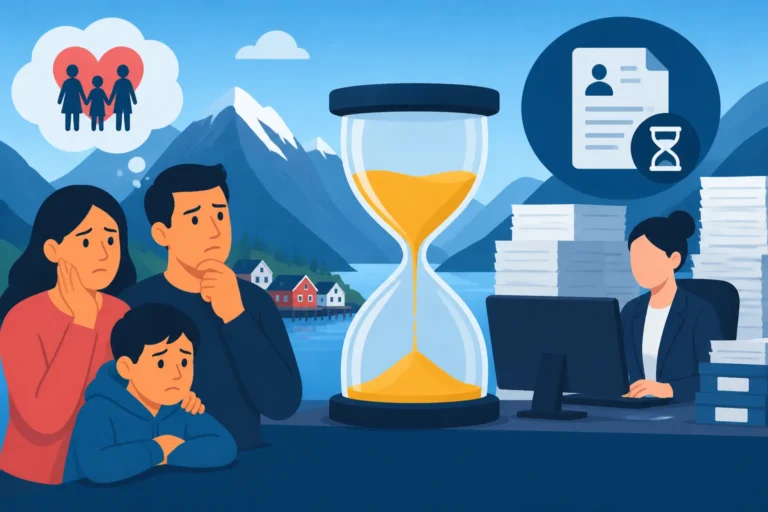
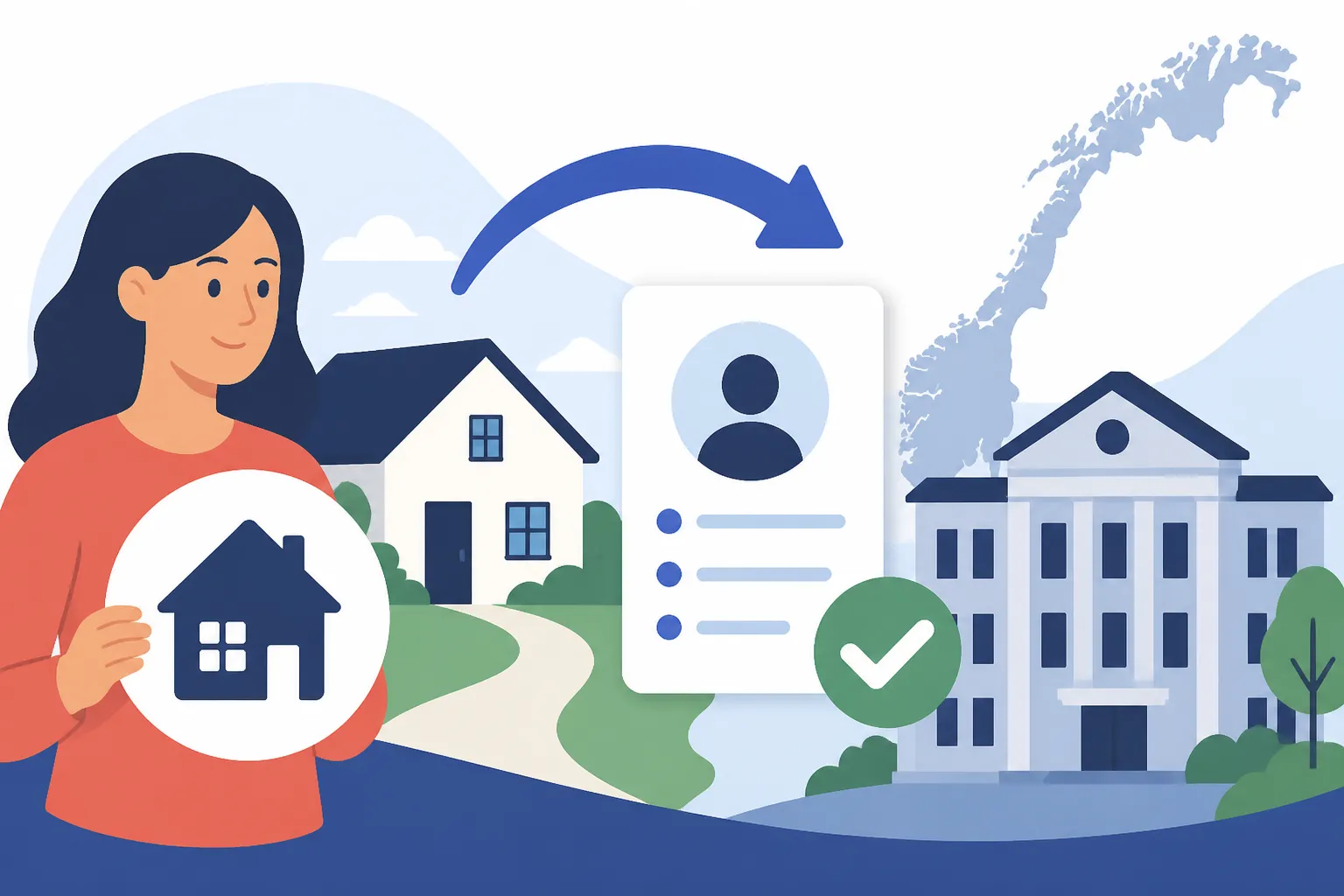
Moving to a new place in Norway, whether it's across the city or just down the street, brings with it a unique blend of excitement and administrative headaches. For us expats, simply changing your address isn't just about updating your landlord or mail service; it’s a crucial step that impacts everything from your healthcare access to your tax status. This guide will meticulously walk you through the often-confusing process of reporting your address changes to the National Registry, known as Folkeregisteret, ensuring you stay on the right side of Norwegian bureaucracy.
Why Your Registered Address is Crucial in Norway
In Norway, your registered address isn't just a physical location; it's the anchor for your entire administrative existence. Unlike some countries where you might get by with a somewhat fluid address, Norway's system is tightly integrated, meaning one official change ripples through almost every aspect of your life here. Understanding this interconnectedness is key to appreciating why updating Folkeregisteret is so vital.
The Interconnected Web of Norwegian Bureaucracy
Think of your address in Folkeregisteret as the master key to countless doors in Norway. This isn't just about receiving letters from Skatteetaten (the Tax Administration, which manages Folkeregisteret); it influences virtually every public service you interact with. Your bank needs it, your doctor's office needs it, UDI (the Directorate of Immigration) needs it, and even the local library system relies on it. If your address isn't up-to-date, essential communications can go missing, leading to delays, fines, or even issues with your immigration status.
For instance, your primary care physician, your fastlege, is assigned based on your registered address. If you move and don't update Folkeregisteret, you might find yourself still registered to a doctor in your old neighborhood, even if you’re now living far away. This can become a real problem if you suddenly need medical attention, particularly outside of emergency situations. Your ability to access services through platforms like Helsenorge, Norway's digital health portal, is also tied to your official address.
The Link to Your Fødselsnummer or D-Number
The backbone of this integrated system is your unique identification number: either a fødselsnummer (11-digit national identity number) if you're a permanent resident, or a D-number (11-digit temporary identification number) if you have temporary residence or other specific circumstances. These numbers are inextricably linked to your registered address in Folkeregisteret. Without an accurate address linked to your ID number, government agencies struggle to identify you, process your requests, or send you important documents.
For those holding a D-number, the situation can sometimes be even more complex. While you might not always have a long-term, stable address upon arrival, establishing one and registering it is paramount as soon as you settle. Even if you only have a D-Number vs Fødselsnummer: How It Affects Your Banking Options, many banks will still require a verifiable address to fully activate services or provide you with BankID, the digital ID crucial for most online interactions. This initial registration is the gateway to fully participating in Norwegian society.
Who Needs to Report an Address Change in Norway?
The simple answer is: almost everyone living in Norway for an extended period. But like most things in bureaucracy, there are nuances depending on your residency status and the duration of your stay. Knowing where you fit into these categories will help you understand your obligations.
Full-Time Residents (Folkeregistrert)
If you are officially "folkeregistrert" in Norway, meaning you have a fødselsnummer and your intention is to reside in Norway for more than six months, you absolutely must report any change of address. This applies whether you're moving from Oslo to Bergen, or simply from one apartment to another within the same city. The system is designed to track everyone who is a long-term resident, ensuring that public services can reach you and that you are correctly linked to your municipality for tax and administrative purposes.
Failure to report your address can have surprisingly widespread consequences. Imagine renewing your residence permit or even applying for Permanent Residence in Norway: Requirements, Timelines, and Language Tests – UDI will check your registered address history. If it doesn't match where you've actually been living, it can raise red flags and cause significant delays. It's not just about compliance; it's about maintaining your legal standing and ensuring continuous access to all the benefits of being a resident, from healthcare to social services.
Temporary Stays and D-Number Holders
For those with a D-number, the rules can feel a bit more ambiguous, especially if your stay is truly temporary. If you're planning to stay in Norway for less than six months, you generally aren't required to register your move with Folkeregisteret, as you won't typically be considered a long-term resident for administrative purposes. However, if your D-number was issued for a stay that will exceed six months (e.g., you're a skilled worker, a student, or here on family reunification), then you are required to register your address.
This is a critical distinction that many expats initially misunderstand. For instance, international students often arrive with D-numbers but quickly transition to fødselsnummer status if their study program is longer than six months. Even as a D-number holder, if you intend to stay longer, or if you need to use services that require a stable address (like opening certain bank accounts or setting up utilities), it's highly advisable to register your address change, even if it's considered temporary. The sooner you establish an official connection to a physical address, the smoother your life in Norway will be.
The Official Process: Skatteetaten and Folkeregisteret
In Norway, the National Registry (Folkeregisteret) isn't a separate office you visit. It's managed by Skatteetaten, the Norwegian Tax Administration. This means that all address changes, whether you're moving into Norway, within Norway, or out of Norway, are handled through Skatteetaten. Getting to grips with this centralized system is the first step to a smooth transition.
Skatteetaten: The Keeper of Your Personal Data
Skatteetaten is the central authority for all things related to your personal information in Norway, including your name, civil status, citizenship, and, crucially, your registered address. When you report an address change, you're not just telling them where to send your mail; you're updating your official record in the National Registry, which then automatically updates other linked government agencies. This integration is designed for efficiency but can feel opaque if you're used to systems where different government bodies handle their own data.
The main channel for managing your information with Skatteetaten is their website, Skatteetaten.no. Here, you'll find forms, information, and, if you have BankID, the ability to make changes digitally. If you don't have How to Book a Doctor’s Appointment Online Using BankID yet, don't fret; there are still paper-based options, but they are significantly slower and less convenient. It's a testament to Norway's digital-first approach that BankID has become virtually indispensable for administrative tasks.
Understanding the Timing and Importance
The general rule is that you should report your address change to Skatteetaten no later than 8 days after you've moved. This deadline is not just a suggestion; it's a legal requirement. While nobody is likely to show up at your door with a stopwatch, neglecting this can cause problems down the line, particularly if there are discrepancies with other records, like your employment contract or your UDI registration.
Furthermore, if you're moving to Norway from abroad and planning to stay for more than six months, you need to register your move-in to Norway with Skatteetaten within 8 days of your arrival, not 8 days from when you find an apartment. This initial registration is crucial for getting your fødselsnummer and activating many services. Remember, the date you become a legal resident, and thus subject to these rules, is generally tied to your date of entry and the start date of your residence permit. Taking this seriously from day one will prevent a lot of headaches later on.
Step-by-Step Guide to Reporting Your Move
Navigating the actual process of reporting your address change can be daunting, but breaking it down into manageable steps makes it much easier. Whether you're a digital wizard with BankID or still relying on old-fashioned paper, here's how to get it done.
For Those With BankID: The Digital Route
If you've managed to secure BankID – congratulations, you've unlocked the golden key to Norwegian bureaucracy! This is by far the easiest and fastest way to report your address change.
- Log in to Skatteetaten's website: Go to Skatteetaten.no and log in using your BankID. You'll typically find the login option prominently displayed.
- Navigate to "Change of Address": Once logged in, look for sections like "Folkeregisteret," "Flytting," or "Endre adresse." The exact wording can change, but it's usually intuitive.
- Fill out the online form: You'll be prompted to enter your new address, the date of your move, and confirm your personal details. If you're moving with family, you can usually update everyone's address in one go.
- Upload necessary documents (if any): For internal moves within Norway, often no documents are needed if your identity is confirmed by BankID. However, if you've been living abroad and are now moving to Norway, or if you're a Moving From a Student Visa to a Family Immigration Visa, you might need to upload a copy of your tenancy agreement or proof of ownership. Make sure documents are in Norwegian or English, or officially translated. Services like RushTranslate or Translayte can be incredibly helpful for official document translations if you're dealing with papers in another language.
- Submit and confirm: Review all details carefully before submitting. You'll usually receive an electronic confirmation in your digital mailbox (like Digipost or E-boks) or directly on Helsenorge within a few days.
The digital route is a real blessing because it means your address change is processed quickly, typically within a few days to a couple of weeks, depending on the current workload at Skatteetaten.
For Those Without BankID: The Paper Route
If you're still waiting for your BankID, or simply don't have one yet, don't worry – there's still a way. It's just a bit slower and requires more proactive effort.
- Download the appropriate form: Visit Skatteetaten.no and search for "Flyttemelding" (Notice of Relocation) or "Change of address". They usually have forms for moving within Norway, moving to Norway (from abroad), and moving from Norway (to abroad). Make sure you pick the correct one.
- Fill out the form meticulously: Print the form and fill it out by hand or electronically if it’s a fillable PDF. Ensure all information is accurate and legible. If you're unclear about any section, it's better to ask Skatteetaten directly or consult with someone who understands Norwegian bureaucracy.
- Gather required documents:
- Valid identification: This is almost always a requirement. A passport is usually the safest bet.
- Proof of new address: This could be your rental contract (leiekontrakt), a purchase agreement (kjøpekontrakt), or a confirmation letter from your employer if they provide housing. Ensure the document includes your name and the full address.
- Residence permit (if applicable): If you're a non-EU/EEA citizen, a copy of your valid residence permit from UDI is essential.
- Marriage certificate/birth certificates: If you're moving with family and their details also need to be updated, include certified copies of these documents, especially if they are from outside Norway and require translation. Again, professional translation services like RushTranslate can provide certified translations that meet Norwegian standards.
- Book an appointment: For most initial registrations or complex cases without BankID, you'll need to physically visit a Skatteetaten service office. You must book an appointment online beforehand. Walk-ins are generally not accepted for these types of services.
- Attend your appointment: Bring all your original documents and copies of the filled-out form. The Skatteetaten representative will review your documents and process your application. This is your chance to ask any questions you might have.
- Confirmation: You'll receive a confirmation by post to your new address once the change has been processed. This can take several weeks, so patience is key.
Here's a quick overview of document types:
| Scenario | Common Required Documents | Notes |
|---|---|---|
| Moving Within Norway | Valid ID (passport/national ID), signed rental agreement or proof of ownership, completed "Flyttemelding" form (if not using BankID) | Generally simpler if you have BankID; often no document upload needed online. Paper form requires original ID check. |
| Moving TO Norway (first time) | Valid passport, residence permit/proof of EU/EEA right to reside, signed rental agreement or proof of ownership, completed "Melding om flytting til Norge fra utlandet" form, potentially birth/marriage certificates. | Often requires an in-person appointment at Skatteetaten. Documents not in Norwegian/English might require official translation (e.g., from Translayte). Crucial for obtaining a fødselsnummer. |
| Moving FROM Norway (permanently) | Valid ID, completed "Melding om flytting fra Norge til utlandet" form, proof of new address abroad (sometimes required). | Important for tax residency and social security. You'll be deregistered from Folkeregisteret. Failure to do so can have tax implications and issues with What Happens to Your Folketrygden Contributions if You Leave Norway?. |
Consequences of Not Reporting or Late Reporting
It’s easy to think of an address change as a minor detail, but in Norway, neglecting this administrative task can lead to a cascade of problems. From missing vital mail to facing legal difficulties, the consequences can range from inconvenient to truly serious for expats.
Missed Communications and Service Disruptions
One of the most immediate problems with an outdated address is the risk of missing critical information. All government agencies, including UDI, NAV (the Norwegian Labour and Welfare Administration), Skatteetaten, and even your bank, will send official correspondence to your registered address. If your mail is going to an old apartment, you could miss:
- Important tax documents: Your Understanding Your Skattekort (Tax Deduction Card) and How to Change It) might be sent, or notifications about your tax return. Missed deadlines can lead to fines.
- Healthcare appointments: Reminders for specialist appointments or information about your fastlege (GP) could be lost, impacting your ability to manage your Healthcare in Norway for Expats: How the System Works (2027).
- Bank statements or new cards: Your bank might send crucial updates or even replacement debit/credit cards. An outdated address could expose you to security risks or simply cut off access to your finances. Many banks are hesitant to open a Can I Open a Norwegian Bank Account Without a Permanent Address?, let alone keep it running smoothly, without accurate contact info.
- Immigration-related notices: UDI might send notifications about your residence permit application or renewal. Missing these could literally jeopardize your right to live and work in Norway.
Imagine receiving a letter from NAV regarding unemployment benefits or family support that requires an urgent response, only for it to be sent to your previous address. By the time you realize it's missing, the deadline might have passed, leaving you in a difficult situation.
Legal and Administrative Complications
Beyond missed mail, not reporting your address can create more severe legal and administrative hurdles. Your official address is a cornerstone of your legal status as a resident in Norway.
- Immigration status: UDI relies on Folkeregisteret for accurate information. Discrepancies between the address on your permit application and your registered address can lead to questions about your true place of residence, potentially delaying or even complicating permit renewals. If you're on a specific visa that requires you to reside at a certain location (though this is rare), not updating your address could be seen as a breach of your permit conditions.
- Access to social security: Your eligibility for certain benefits under the Folketrygden Basics: Who is Covered by the National Insurance Scheme is tied to your legal residency and thus, your registered address. If your address is incorrect, it might create issues for accessing child benefits, parental leave, or sick pay.
- Driving license updates: When you exchange your foreign driving license for a Norwegian one, your address is noted. While not directly linked to Folkeregisteret in the same way, consistency across all official documents is always best practice.
- Proof of residence: In many situations, you might need official proof of your Norwegian address – for example, when applying for certain jobs, registering children for school, or even some private services. If Folkeregisteret doesn't reflect your current living situation, obtaining such proof becomes impossible.
In a highly regulated country like Norway, it’s always best to be transparent and proactive with administrative duties. The system is designed to track residents carefully, and deviations can unfortunately lead to suspicion or, at the very least, a lot of extra paperwork and stress for you.
Special Situations: Moving Abroad, Temporary Addresses, and D-Numbers
While the general rules cover most scenarios, expat life often throws curveballs. What happens if you're leaving Norway for good, or you're just here temporarily without a fixed abode? These special situations require a slightly different approach to address changes.
Moving Permanently from Norway
If you are leaving Norway permanently, it's just as important to de-register your address as it was to register it upon arrival. This involves notifying Skatteetaten that you are moving out of the country. This process is called "Melding om flytting fra Norge til utlandet" (Notification of moving from Norway to abroad).
Why is this so crucial?
- Tax Residency: De-registering impacts your tax residency status. If you remain registered in Norway but live abroad, you could inadvertently still be considered a tax resident and be subject to Norwegian taxes, potentially leading to double taxation or unexpected bills. It's vital to clarify your tax situation with Skatteetaten when you leave, especially if you plan to keep assets or income in Norway.
- Social Security and National Insurance: Your membership in the National Insurance Scheme (Folketrygden) is typically tied to your residency. De-registering helps ensure your contributions and benefits are correctly handled as you transition to another country's social security system.
- Avoiding Missed Correspondence: Any future official mail will cease, preventing important documents from piling up or being lost at your old Norwegian address.
The process is similar to registering a move within Norway, but you select the "moving from Norway" option on Skatteetaten's website or use the specific paper form. You'll need to specify your new address abroad and the date of your departure. You should do this before you leave Norway, or at least within 8 days of your departure.
Temporary Addresses and Short-Term Stays
What if your address isn't quite "permanent"? Perhaps you're on a short-term contract, living in a temporary rental, or moving between several places. If your stay in Norway is planned for less than six months, you are generally not required to register with Folkeregisteret. This is common for tourists, some seasonal workers, or business travelers.
However, if your stay is intended for six months or longer, even if you consider your accommodation temporary (like a short-term sublet or a hotel for the first few weeks), you must register your address. The "temporary" nature of your living situation does not exempt you from the registration requirement if your overall stay exceeds the six-month threshold.
In such cases, your current living arrangement – even if it’s an Airbnb for a few months – must be reported as your official address. Once you find more stable, long-term housing, you then simply report another address change. It's always better to be registered to some address than none at all when you are living in Norway for an extended period. This also helps with practical matters like opening bank accounts or setting up utilities, which might otherwise be difficult without a fixed postal address.
D-Number Holders and Address Registration
We've touched on D-numbers, but it's worth reiterating the specific challenges. Many D-number holders, particularly those on shorter assignments or who haven't yet qualified for a fødselsnummer, sometimes operate under the misconception that they don't need to register an address. This is incorrect if your stay will be six months or longer.
If you have a D-number and are staying for longer than six months, Skatteetaten expects you to register your address. The procedure is usually the paper route, requiring an in-person visit with your identification and proof of address. This can be challenging for those who arrive without a rental contract (e.g., staying with friends initially), but it's a hurdle you need to overcome for full administrative integration.
Remember, a D-number, while temporary, still functions as your official identifier. Ensuring it's linked to a correct address means you'll receive vital mail and have a clearer administrative footprint, which is essential for future interactions with UDI or for transitioning to a fødselsnummer down the line. It's always advisable to be proactive and register your address as soon as you have stable accommodation, regardless of whether you perceive your D-number status as "temporary" or not.
What Happens if You Need a Medical Interpreter for Your Appointment?
While reporting your address change to Folkeregisteret is primarily an administrative task with Skatteetaten, the consequences of not doing so can directly impact your ability to access essential services, including healthcare. If you're struggling with the language barrier in these official interactions, knowing how to request a medical interpreter can be a lifesaver, especially when trying to ensure your fastlege registration is accurate.
Ensuring Clear Communication with Public Services
Let’s be honest, Norwegian bureaucracy can be tough to navigate even for native speakers, let alone those of us still finding our feet with the language. When you're making an in-person visit to Skatteetaten to register an address change, or if you end up needing to clarify something with NAV or UDI due to an address mix-up, clear communication is absolutely paramount. While many public service employees speak excellent English, it’s not always guaranteed, and in official contexts, misunderstandings can have serious repercussions.
If you anticipate difficulties, you have the right to request an interpreter for crucial appointments with public services like Skatteetaten. While it might require a bit of advance notice, making this request ensures that your information is accurately conveyed and that you fully understand the instructions or consequences of your actions. Don't hesitate to ask for this service, especially for complex matters related to your residency or Visas and Residence Permits in Norway: The Complete UDI Guide (2027). It’s much better to take the extra step than to leave an appointment confused or misinformed.
Your Fastlege and Address-Related Healthcare Access
As mentioned earlier, your registered address directly impacts your fastlege (GP) assignment. If you move and don't update Folkeregisteret, your fastlege will remain tied to your old address, potentially leaving you without easy access to a local doctor in your new neighborhood. This is where the importance of your official address becomes acutely clear in a very practical sense.
Once your address is updated in Folkeregisteret, you can then proceed to update your fastlege through Helsenorge. The process is usually straightforward: you log in with your BankID (another reason why this digital ID is so important!), navigate to the fastlege section, and select a new doctor from the available list in your new municipality. However, if you haven't yet received BankID, or if you need assistance, contacting Helsenorge's support or your local helsestasjon (health station) might be necessary. They can help you with How to Register for a Fastlege (GP) on Helsenorge even without full digital access.
In healthcare settings, if you need an interpreter, whether it’s for a fastlege appointment, a hospital visit, or to discuss Family Health in Norway: Pregnancy, Childbirth, and Pediatric Care, you have the right to request one. The public healthcare system is obligated to provide professional medical interpreters free of charge for necessary appointments. Simply inform the clinic or hospital staff when you book your appointment that you require an interpreter, specifying the language. This ensures you can discuss sensitive health matters openly and accurately, without relying on family members or friends who might not be trained in medical terminology.
Disclaimer
The information provided in this article is intended for general guidance only and does not constitute legal, financial, or immigration advice. While we strive to keep the content up-to-date and accurate, regulations and procedures in Norway can change. Always consult official sources such as Skatteetaten.no, UDI.no, or a qualified professional for advice tailored to your specific situation.