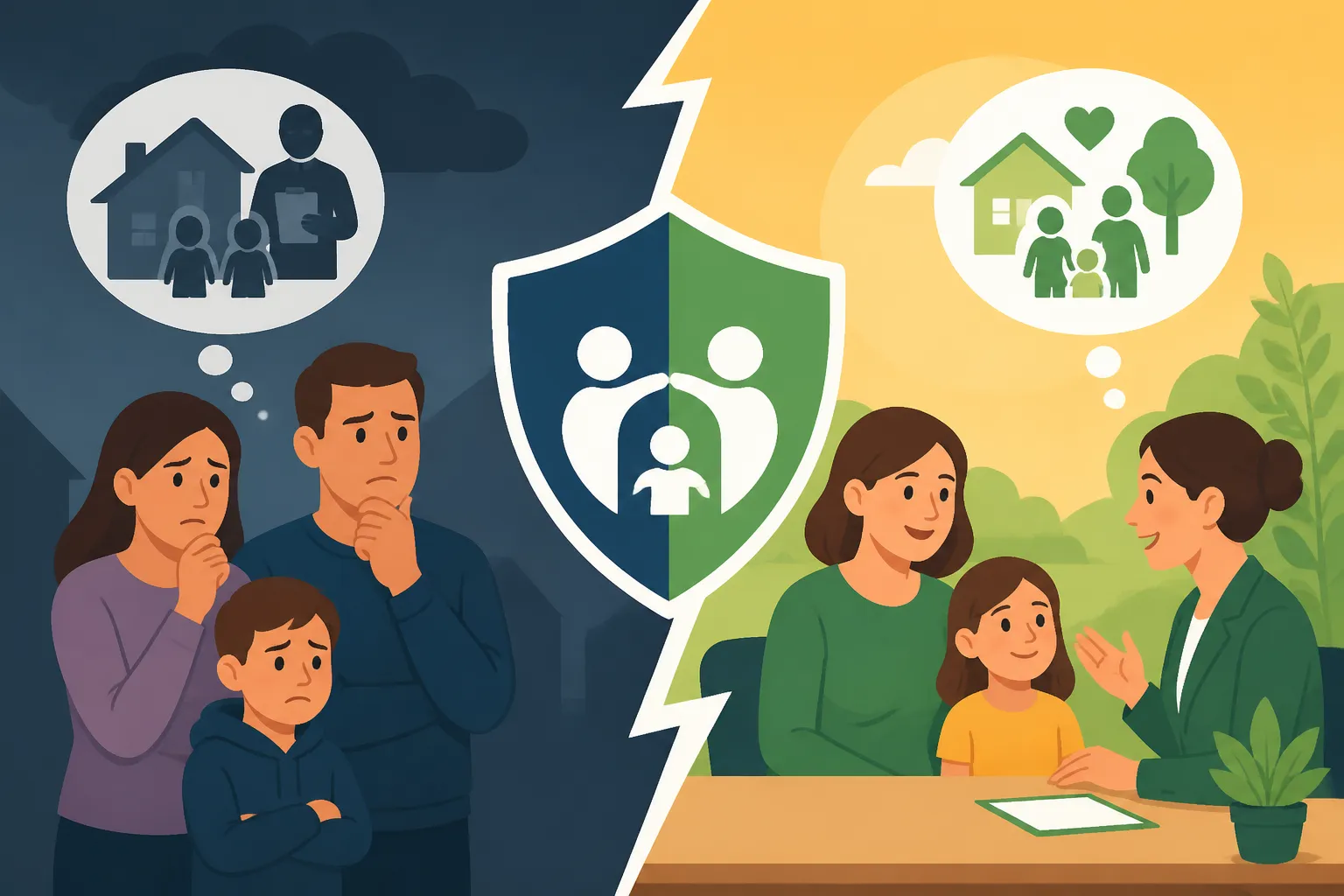
Child Protection Services (Barnevernet): Myths vs Reality for Expats
For many expat parents arriving in Norway, the mere mention of Barnevernet – Norway's Child Protection Services – can trigger significant anxiety. Misinformation and cultural differences often lead to fear-inducing stories, creating a worrying image of a system quick to intervene. This guide aims to dispel those myths, offering a factual, empathetic understanding of how Barnevernet operates and outlining your rights as a parent in Norway.
Understanding Barnevernet's Role in Norway
Let's be honest, hearing whispers about a country's child welfare system can be unsettling, especially when you're navigating a new culture. For many expats, Barnevernet feels like a shadowy entity, a potential threat looming in the background. But the reality is far from the sensationalized stories you might encounter online or through word-of-mouth. At its core, Barnevernet exists to ensure that children in Norway grow up in safe environments, receiving the care and protection they need. It’s not about punishing parents, but about safeguarding children.
What Barnevernet Actually Does and Doesn't Do
Barnevernet’s primary mandate is to intervene when a child's needs are not being met by their parents or guardians, and when the child is at risk of harm. This could stem from neglect, physical abuse, psychological abuse, or a parent's inability to provide adequate care due to severe illness, substance abuse, or other significant challenges. Their role is multi-faceted, ranging from offering preventative support to families in crisis to, in rare and extreme cases, taking over the care of a child.
It's crucial to understand what Barnevernet is not. They are not a policing force for minor parenting disagreements or cultural differences. They don't typically get involved because your child went to school without a hat on a chilly day, or because you use a different discipline method than your Norwegian neighbours, unless these actions constitute genuine neglect or abuse as defined by Norwegian law. Their actions are always guided by the principle of the child's best interests, and they are legally obliged to explore all possible support measures to keep families together before considering removal. Think of them more as a safety net of last resort, rather than a first responder to minor issues.
The Legal Framework and Guiding Principles
The operations of Barnevernet are strictly governed by the Norwegian Child Welfare Act (Barnevernloven). This comprehensive piece of legislation outlines everything from reporting procedures to the criteria for intervention and the rights of parents and children throughout the process. A cornerstone of this Act is the principle of "least intrusive measure," meaning Barnevernet must always choose the intervention that causes the least disruption to the child's life and family unit, while still ensuring the child's safety and well-being.
This principle is why their initial response to a concern is almost always to offer voluntary support services rather than immediately initiating a formal investigation or, even less often, removing a child. The law prioritises keeping children with their biological families whenever possible, offering resources like family counselling, parental guidance courses, or practical help in the home to strengthen the family's ability to cope. It’s a system built on a belief in rehabilitation and support, not just punitive action. Decisions that involve compulsory measures, like removing a child from parental care, are not made by Barnevernet alone, but by a legal body called the Child Welfare Board (Fylkesnemnda for barnevern og sosiale saker), which acts like a court.
Dispelling Common Myths and Misconceptions
Let's tackle some of the pervasive myths that often create such fear among expats. The notion that Barnevernet "targets foreign families" or "takes children for trivial reasons" is simply not borne out by facts or the law. While it's true that a higher proportion of families with immigrant backgrounds may be involved with Barnevernet, studies and official reports often link this to socio-economic factors, language barriers, and a lack of understanding of the Norwegian system, rather than discriminatory targeting. Expats, particularly those from countries with vastly different social welfare models, can sometimes misunderstand the role of institutions like helsestasjon (child health clinics) or schools, which are often the first to identify and report concerns.
For example, corporal punishment, which might be culturally acceptable or even traditional in some parts of the world, is strictly illegal in Norway and is considered a form of abuse. Similarly, leaving very young children unsupervised, even briefly, could be viewed differently in Norway than in your home country. These cultural clashes, coupled with a lack of understanding of the system's mandate and an inability to communicate effectively, can unfortunately escalate situations. However, it's crucial to distinguish genuine concerns about child welfare from mere cultural differences. Barnevernet isn't there to enforce cultural conformity, but to uphold a minimum standard of child protection legally established in Norway. They are required to offer Medical Interpreters in Norway: How to Request One for Free to help bridge communication gaps, but sometimes the sheer weight of cultural norms can still lead to misunderstandings.
How Barnevernet Intervenes: The Process Explained
When you hear a horror story, it often jumps straight to the worst-case scenario: a child being removed. But the reality of Barnevernet's intervention is a multi-stage process, heavily leaning towards support and resolution within the family, not immediate separation. Understanding these steps can help demystify the system and alleviate some anxieties.
The Initial Report and Investigation Phase
The process typically begins with a concern being reported to Barnevernet. Anyone can make a report: a private citizen, a teacher, a doctor, or staff at a Helsestasjon: Norway’s Free Child Health Clinics and Vaccination Program. Professionals who work with children have a legal duty to report concerns. Once a report is received, Barnevernet has a short timeframe (usually within a week) to conduct an initial assessment to decide if the report warrants further investigation. This initial assessment is often about gathering basic information and determining if there’s a real and immediate risk to the child.
If they decide to proceed, an investigation is initiated. This is where Barnevernet begins to gather more in-depth information. They will usually contact the parents, explain the concerns, and invite them for a meeting. They might speak to the child (if appropriate for their age and maturity), teachers, doctors, and other relevant parties. Parents have rights during this phase, including the right to information about the concerns, the right to state their case, and often the right to legal counsel. It's during this time that the cultural and language barriers can feel most acute, making clear communication absolutely vital. It is essential to engage cooperatively and openly, even if the situation feels unfair or misunderstood.
Support Measures Before Removal
It cannot be stressed enough: Barnevernet's primary goal is to support families to ensure the child's well-being within their own home. Compulsory measures, like removing a child, are always a last resort. Before reaching that point, Barnevernet is legally obliged to offer a range of voluntary support measures. These might include:
- Parental guidance programs: Workshops or individual counseling to help parents develop better parenting skills, manage challenging behaviour, or understand child development.
- Family therapy: Sessions aimed at improving communication and relationships within the family unit.
- Practical help: In some cases, this could involve home visits to assist with routines, budgeting, or maintaining a safe living environment.
- Respite care: Providing temporary care for a child to give parents a break, especially in stressful situations or when a parent is ill.
- Economic support: Addressing financial issues that might be contributing to a child's neglect, although this is often coordinated with other social services departments.
The philosophy here is to empower parents to create a safe and nurturing environment for their children. If you're struggling, reaching out for help from your The Fastlege Scheme: Navigating Norway’s GP System or the helsestasjon is always viewed positively and can actually prevent Barnevernet involvement, as it demonstrates a proactive approach to your child's welfare. Remember, asking for help is a sign of strength, not weakness, in the Norwegian system. If you are experiencing mental health challenges, your fastlege can also help you with How to Get a Referral for Therapy (DPS) in Norway.
When Placement Outside the Home Becomes Necessary
The decision to place a child outside their home involuntarily is incredibly serious and is never taken lightly. It happens only after all other voluntary support measures have been attempted and failed, or when the child is deemed to be in immediate and severe danger. These decisions are not made by caseworkers alone, but by the Child Welfare Board (Fylkesnemnda for barnevern og sosiale saker), an independent administrative body that resembles a court.
During proceedings before the Child Welfare Board, both parents and Barnevernet present their cases, often with legal representation. Evidence is heard, and the child's perspective is considered. The Board then makes a legally binding decision based on strict criteria outlined in the Child Welfare Act, always prioritising the child's best interests. Grounds for such a decision typically involve:
- Serious neglect (e.g., severe lack of basic care, emotional deprivation).
- Serious physical or psychological abuse.
- Other serious circumstances where the child's health or development is at risk and cannot be adequately addressed by voluntary measures.
If a child is removed, it could be a temporary emergency placement or a long-term placement in a foster home (fosterhjem) or a children's institution. Even after removal, Barnevernet continues to work with the family, aiming for reunification whenever it is safe and possible. Parents typically retain rights to visitation and to stay informed about their child's welfare, unless these rights conflict with the child's best interests. This is a complex and emotionally charged process, but it's important to know it's highly regulated and subject to review.
Expats and Barnevernet: Navigating Cultural and Communication Barriers
Moving to Norway means immersing yourself in a culture that, while welcoming, has its own distinct social norms and expectations, especially when it comes to parenting and child-rearing. For expats, these differences, combined with language barriers, can unfortunately lead to misunderstandings with Barnevernet.
The Language Barrier and Interpretation Services
Imagine trying to explain complex emotional situations or your parenting philosophy to someone when you’re not fluent in their language. It's incredibly frustrating and anxiety-inducing. The language barrier is arguably one of the most significant challenges for expat families interacting with Barnevernet. Nuances in communication, subtle cultural cues, and even direct translations can be lost or misinterpreted, leading to further misunderstandings.
However, it's a fundamental right for you to have an interpreter provided by Barnevernet if you do not understand Norwegian. You should insist on this if you are not fully comfortable with Norwegian. Do not try to muddle through in English if you feel you might miss critical information or struggle to express yourself completely. It's their responsibility to ensure effective communication, and your responsibility to clearly state your need for an interpreter. Beyond Barnevernet, understanding the language will greatly ease your daily life and interactions with other public services. Consider exploring Learning Norwegian for Work: Norskprøven and Language Courses to help integrate more smoothly.
Cultural Differences in Parenting Styles
Norwegian parenting norms often emphasize early independence, outdoor play regardless of weather, and a distinct lack of physical discipline. For example, corporal punishment, even light spanking, is illegal and culturally unacceptable in Norway. Parenting styles that might be considered normal or even beneficial in some cultures – such as letting children walk to school alone at a young age, or having babies sleep outdoors in prams (which is common practice here) – can sometimes be misinterpreted if context isn't fully understood by those new to the culture, though Barnevernet wouldn't intervene for these things alone. However, more significant differences, such as leaving very young children unsupervised for extended periods, or using harsh physical discipline, are areas where Norwegian norms diverge sharply and could indeed trigger concerns.
The challenge for expats lies in understanding these often unwritten social rules. While cultural differences alone are not grounds for intervention, a clash of cultural parenting practices can become a concern if they are perceived to cross the line into neglect or harm as defined by Norwegian law. It's not about judging your culture; it's about upholding the legal framework for child protection. Exploring Norwegian Etiquette: Social Rules, Dugnad, and Making Local Friends can help you understand the broader cultural landscape, including how children are generally raised and viewed within Norwegian society.
Seeking Proactive Support and Information
The best defence is a good offence, as they say. If you have concerns about your parenting, your child's well-being, or simply want to understand the Norwegian system better, seeking proactive support is always the smart move. Resources like your local helsestasjon (child health clinic) are invaluable. They offer free check-ups, advice on child development, parenting guidance, and are often the first point of contact for families with young children. They are there to support you, not to report you unnecessarily. Your Healthcare in Norway for Expats: How the System Works (2027) is also a key player in family welfare.
If you're struggling with stress, mental health issues, or finding it hard to cope with parenting in a new country, reach out to your fastlege. They can connect you with appropriate support services. In Norway, asking for help is seen as a sign of responsible parenting and is often lauded, not stigmatized. There are also many expat networks and online forums where you can find support and advice from others who have navigated similar challenges. Becoming familiar with how to access various public services, like using Navigating the Helsenorge App in English: A Step-by-Step Translation, can also help you feel more in control. A stable living environment, potentially found through platforms like Spotahome when you first arrive, can reduce initial stressors, and reliable communication services like Airalo can ensure you stay connected to crucial support networks. Taking these steps to establish a stable and connected life for your Family Life in Norway: Daycare (Barnehage), Schools, and Kids' Activities can proactively build a strong foundation for your family.
Your Rights and Resources if Barnevernet Contacts You
If Barnevernet does contact you, it's a stressful situation, but remember that you have rights. Knowing these rights and where to turn for support can make a significant difference in navigating the process.
The Right to Legal Counsel and Advocacy
Perhaps the most critical right you have is the right to legal representation. If Barnevernet initiates an investigation or suggests measures that are compulsory, you are entitled to free legal assistance. Do not try to navigate this complex system alone. A lawyer can help you understand the allegations, present your case effectively, ensure your rights are protected, and communicate with Barnevernet on your behalf. They understand the legal nuances and can advocate for the least intrusive measures.
Expats often feel isolated and unsure where to find legal help, but the Norwegian legal aid system is designed to provide access to justice. You can request a lawyer directly from Barnevernet, or seek one through the public legal aid services. Connecting with lawyers who have experience with child welfare cases and ideally, experience with expat families, can be invaluable. There are also various non-governmental organizations and expat community groups that might offer guidance or connect you with advocacy services.
Accessing Your Case Files and Filing Complaints
You have the right to access the information Barnevernet has gathered about you and your children. This includes reports, meeting summaries, and assessments. This transparency is vital for you to understand the basis of their concerns and to prepare your response. You can request to view your case files, and Barnevernet is legally obliged to provide them to you, with some exceptions for confidential information.
If you believe Barnevernet has acted unfairly, made factual errors, or violated your rights, you have avenues for recourse. You can file a formal complaint with Barnevernet itself, which they are required to investigate. If you are not satisfied with their internal handling, you can escalate your complaint to the County Governor (Fylkesmannen) or the National Office for Children, Youth and Family Affairs (Bufdir). In more serious cases, you also have the option to take legal action or appeal decisions made by the Child Welfare Board to higher courts. Understanding your Patient Rights: How to File a Complaint with the Health Authority can provide insights into similar processes within the Norwegian healthcare system, which are often comparable for other public services. It is important to remember that Norway is a signatory to international human rights conventions, which also protect family life.
Finding Reliable Information and Support Networks
In times of stress and uncertainty, reliable information is your best friend. While online expat forums can be a good source of peer support, be wary of anecdotal stories that might not reflect your situation or provide accurate legal advice. Always cross-reference information with official sources. The Norwegian Directorate for Children, Youth and Family Affairs (Bufdir) and the Ministry of Children and Families (Barne- og familiedepartementet) publish information about child welfare laws and policies, often available in English.
Connecting with local expat communities, both online and in person, can provide invaluable emotional support and practical advice. Many larger cities, like Oslo, have established expat groups that can offer a sense of community and shared experience. Don't underestimate the power of these networks for navigating the practicalities and emotional rollercoaster of living abroad. Remember that you are not alone, and there are resources and people willing to help you understand and engage with the Norwegian system constructively.
Disclaimer
The information provided in this guide is for general informational purposes only and does not constitute legal advice. While we strive to provide accurate and up-to-date content, laws and procedures can change. It is essential to consult with relevant Norwegian authorities or legal professionals for advice specific to your situation.