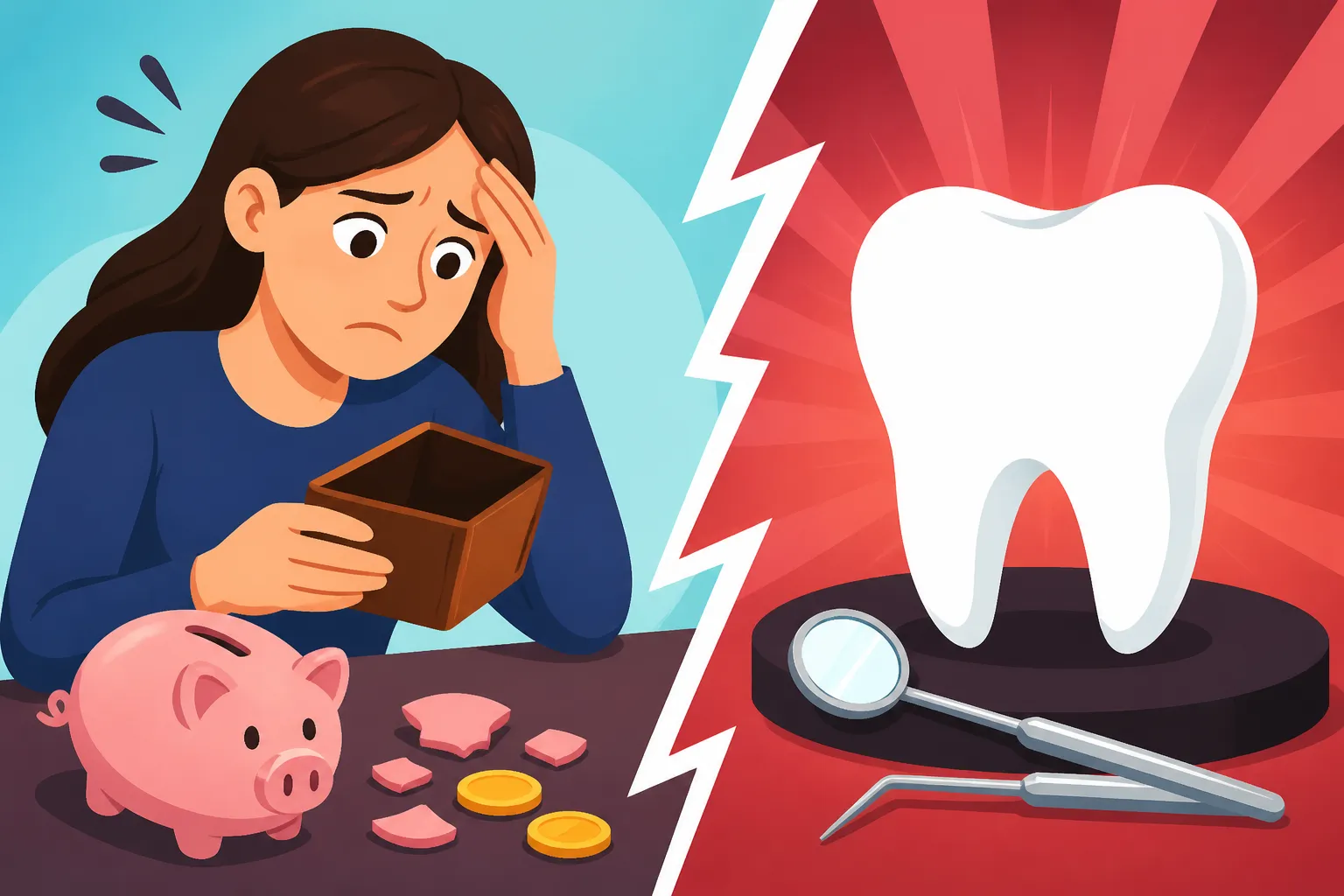
Budgeting for Dental Care: Why It Ruins Monthly Budgets
You’ve just moved to Norway, mastered the basics of the Healthcare in Norway for Expats: How the System Works (2027), and assume your medical expenses are safely capped. Then, a sudden toothache strikes. You walk into a sleek clinic in Oslo or Bergen, spend thirty minutes in the chair, and walk out 2,500 NOK lighter. This guide explains why adult dental care is the one major "blind spot" in the Norwegian social net and how you can strategically budget to prevent it from derailing your monthly finances.
The Cultural Shock of Norwegian Dental Costs
When most expats arrive in Norway, they are sold on the dream of the "Folketrygden"—the National Insurance Scheme that covers everything from GP visits to major surgeries. However, there is a hard cultural and administrative line drawn at the jawline. For reasons rooted in historical legislation, teeth are treated more like a luxury or a private responsibility than a fundamental part of the body. This realization usually hits when a newcomer tries to use their Healthcare Budgeting: The Frikort Exemption Card and User Fees at a dental reception, only to be told it doesn’t apply.
The system is split into a public tier (Den Offentlige Tannhelsetjenesten) and a private tier. Unless you are under 24, a person with a chronic disability, or in long-term nursing care, you are almost certainly relegated to the private market. In the private market, dentists are free to set their own prices, leading to a competitive but undeniably expensive landscape. I remember my first year in Oslo; I went in for what I thought was a "standard cleaning" and walked out with a bill that looked like a monthly car payment. It’s a shock that every expat faces, and validating that frustration is the first step toward managing it.
Furthermore, the "social" aspect of Norway often disappears in the dental office. Unlike the highly regulated User Fees (Egenandel) for Doctor Visits Before Reaching Frikort Status, which are predictable and low, dental fees are multifaceted. You aren't just paying for the dentist's time; you are paying for the dental hygienist, the high-tech imaging, the specialized materials, and even a "technician fee" if a lab is involved. For many, this feels like a betrayal of the Nordic model, but understanding that this is a "user-pays" market is essential for your financial survival.
Breaking Down the Price Tag: What You Actually Pay
To budget effectively, you need to stop guessing and start looking at the raw numbers. Most private clinics in Norway have a price list (Prisliste) on their website, but these are often "starting at" prices. A routine checkup (Undersøkelse) usually includes a couple of X-rays and a light cleaning. If you haven't been to the dentist in a while, the hygienist might spend extra time on tartar removal, which adds incremental costs every fifteen minutes.
If you are a freelancer or working with Taxes for Expats to manage a complex international income, you’ll know that cash flow is king. A sudden 5,000 NOK bill for a filling and a deep clean can throw off your entire month. If you are transferring funds from abroad to cover these costs, using a service like Wise is often the smartest move to avoid the terrible exchange rates offered by major Norwegian banks like DNB or Nordea.
Below is a breakdown of what you can realistically expect to pay in a major Norwegian city in 2026. Keep in mind that these are averages; a clinic in the center of Majorstuen will likely charge more than one in a smaller town like Sarpsborg.
| Service Category | Estimated Cost (NOK) | Notes |
|---|---|---|
| Basic Checkup & 2 X-rays | 900 – 1,400 | Usually takes 20-30 minutes. |
| Hygienist Cleaning (per 30 min) | 800 – 1,200 | Often billed separately from the dentist. |
| Simple Filling (One surface) | 1,200 – 1,800 | Price increases with the size of the cavity. |
| Root Canal (Front tooth) | 4,500 – 6,000 | Does not include the final crown. |
| Porcelain Crown | 7,000 – 12,000 | Includes lab fees and several appointments. |
| Wisdom Tooth Extraction | 2,500 – 5,500 | Surgical extractions cost significantly more. |
These prices demonstrate why Dental Care in Norway: Costs, Subsidies, and Finding a Dentist is such a frequent topic in expat forums. If you need a "big" job done, like two crowns and a root canal, you are looking at a 25,000 NOK bill. Without a dedicated "Dental Sink Fund," this can wipe out a vacation budget or an emergency fund instantly.
Who Actually Qualifies for Subsidies?
While the general rule is that adults pay 100%, there are very specific "loopholes" managed by Helfo (the Norwegian Health Economics Administration). The most common subsidy is age-based. Norway has a very generous sliding scale for young adults. If you are aged 19 to 24, you are entitled to heavily discounted care in the public dental clinics. For instance, Dental Subsidies for Young Adults (19-28): How the 25% Rate Works explains how the state covers 75% of the cost for this age group, leaving you with only a small co-pay.
Beyond age, Helfo provides coverage for about 15 specific conditions. This includes rare medical syndromes, cleft lips/palates, and—more commonly for the average expat—severe periodontitis (gum disease). If your dentist determines that your dental issues are the result of a specific medical condition or a side effect of a medication that causes dry mouth (Xerostomia), they can apply for Helfo to cover a portion of the bill. However, the dentist must have a direct agreement with Helfo for this to work seamlessly.
It is also worth noting that Dental Care for Children in Norway: Free Public Dental Services is one of the best perks of living here. From the year they turn one until the year they turn eighteen, children receive 100% free dental care, including braces in some severe cases. This is a massive relief for families, but it often lulls parents into a false sense of security regarding their own dental health. They see the kids getting world-class care for free and forget to set aside money for their own eventual crown or bridge.
Practical Budgeting Strategies for Expats
So, how do you survive this without going broke? The first step is "The Annual Scan." Never skip your yearly checkup. In Norway, preventative care is expensive, but reactive care is astronomical. A 1,200 NOK checkup can catch a small cavity that costs 1,500 NOK to fix. If you wait until it hurts, you’re looking at a 15,000 NOK root canal and crown.
Secondly, consider the "Dental Travel" option, but with caution. Many expats in Norway travel to Poland, Hungary, or even back to their home countries for major dental work. While the "sticker price" in Gdansk might be 70% lower, you must factor in flights, hotels, and the risk of complications. If a crown fitted in Budapest fails two weeks later, a Norwegian dentist will charge you full price to fix it, and they may be hesitant to touch work done by a foreign clinic.
For those staying in Norway, I highly recommend setting up a dedicated "Health Sub-account" in your banking app. If you use Wise, you can easily create a "Jar" specifically for dental emergencies. Aim to put 300-500 NOK per month into this account. By the time your annual checkup rolls around, the bill is already covered. If you have a major procedure looming, consulting with Taxes for Expats can help you understand if any of your health-related costs can be factored into your broader financial planning, though generally, private dental work is not tax-deductible in Norway.
Another option to explore is Private Health Insurance in Norway: Is It Worth the Extra Cost?. While the public system is great for general health, some private insurance policies offered by employers (like those from Storebrand or If) include a "Dental Add-on." These usually have a high deductible and a cap, but they can be a lifesaver for major accidents or unforeseen surgeries. Always read the fine print; most won't cover "cosmetic" work like whitening or minor fillings, but they will cover "necessary" trauma-related repairs.
Lastly, don't be afraid to ask for a "Kostnadsoverslag" (Cost Estimate). In Norway, it is your right as a patient to receive a written estimate before a major treatment begins. If a dentist is vague about the price, take that as a red flag. A professional clinic will break down exactly what Helfo covers and what you are responsible for. If you find yourself in a bind after paying out of pocket for something you believe should have been covered, you can research How to Use HELFO for Healthcare Refunds After Paying Out of Pocket to see if you have a claim for reimbursement.
Disclaimer
The information provided in this guide is for educational and informational purposes only. While every effort has been made to ensure the accuracy of the costs and regulations described, dental prices in Norway are subject to market fluctuations, and Helfo regulations change annually. This guide does not constitute professional financial or medical advice. Always consult with a licensed dentist in Norway and check the latest updates on Helsenorge or the UDI website for specific legal or medical requirements.