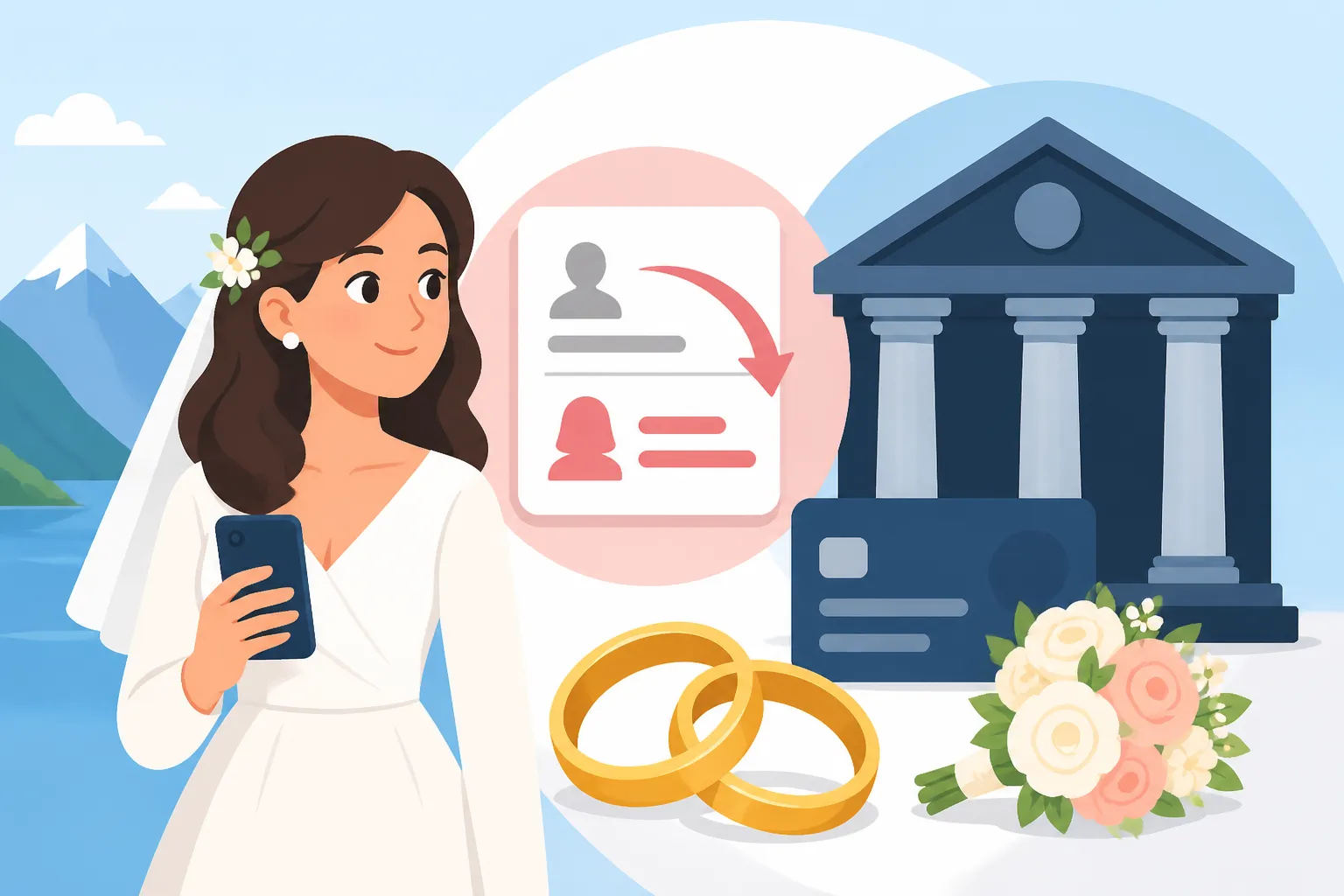
Changing Your Name on Your Norwegian Bank Account After Marriage
Getting married in Norway is a beautiful experience, but the administrative aftermath—specifically changing your name on your bank account—can feel like navigating a labyrinth. Many expats discover that a marriage certificate isn't a magic wand; your bank won't update your profile until the National Registry and your physical ID are perfectly synchronized. This guide solves the confusion by detailing the exact sequence of events required to update your Norwegian financial identity without losing access to your vital BankID.
The Foundation of Your Identity The National Registry
In Norway, your bank is not the primary keeper of your identity; the National Registry (Folkeregisteret) is. Before you even think about walking into a DNB or Nordea branch, you must ensure that your name change has been legally processed and recorded by the Norwegian Tax Administration. This is the "source of truth" that every financial institution in the country relies upon. If you changed your name through a marriage performed in Norway, the process is usually integrated into the marriage license application, but for those who married abroad, the hurdles are significantly higher.
You will need to submit a formal notification of a change of name to Skatteetaten. If the marriage took place outside of Scandinavia, you will likely need an original marriage certificate with an Apostille stamp or a legalization from the issuing country’s Ministry of Foreign Affairs. Once Skatteetaten processes this change, they will update your digital file. Only after you receive a confirmation letter (either in your Altinn inbox or via physical mail) should you proceed to the next steps. This is a critical period because, for a short window, your digital identity might not match your physical passport, which can complicate your The Complete Guide to Norwegian Taxes for Expats (Skatteetaten) filings if you are doing them during the transition.
The frustration here often lies in the waiting period. It can take several weeks for the registry to update, and during this time, you are in a sort of "administrative limbo." You cannot update your bank, which means your bank cards still bear your maiden name, yet your legal name in the eyes of the state has already shifted. It is essential to keep a copy of your name change confirmation on your phone at all times during this phase, as you may need to explain the discrepancy to various service providers.
Updating Your Physical Identification Documents
Once the National Registry reflects your new name, the bank will still refuse to update your account based on a digital record alone. Norwegian banks are bound by strict "Know Your Customer" (KYC) regulations, which require them to see a government-issued photo ID that matches the name in the National Registry. For most expats, this means you must first obtain a new passport from your home country's embassy or a new Norwegian National ID card if you are eligible for one.
If you are a non-EU/EEA citizen, this process also involves the UDI. You will need to order a new residence card that reflects your married name. This can be a notoriously slow process, often requiring an appointment at the police station. You should check the D-Number vs Fødselsnummer: How It Affects Your Banking Options requirements to see if your specific ID type impacts how quickly the bank can verify your new identity. Without a physical ID card that shows your new name and matches your birth number, the bank’s systems will simply not allow the clerk to override your profile.
The cost of these new documents can add up quickly. Between embassy fees for a new passport, the UDI fee for a new residence card, and the potential travel to Oslo for embassy appointments, the "free" name change is anything but. It is a good idea to factor these costs into your The Complete Guide to Norwegian Taxes for Expats (Skatteetaten) planning, though unfortunately, these specific administrative fees are generally not tax-deductible. Always ensure that the name on your new ID is spelled exactly as it appears in the Folkeregisteret confirmation to avoid having to start the entire process over again.
The Bank Visit and the BankID Reset
With your new passport or National ID card in hand, you are finally ready to visit the bank. While Norway is a heavily digitized society, changing a legal name is one of the few actions that almost always requires a physical appearance at a branch. You should call ahead to book an appointment, as many banks in larger cities like Oslo or Bergen no longer accept walk-ins for identity verification. During this meeting, the advisor will scan your new ID and update your "Customer Wash" (kundevask) profile.
A significant pain point for many is the impact on BankID. Because BankID is tied to your legal identity and verified by your bank, changing your name often necessitates a full reset of your digital certificate. This means you may temporarily lose access to your online banking, health portals, and government services. It is wise to handle any urgent business—like checking your Understanding Your Skattekort (Tax Deduction Card) and How to Change It—before you initiate the bank update.
Once the bank has updated your name in their system, you will need to order a new debit card. Most Norwegian banks will charge a small fee (around 200–300 NOK) for a replacement card with your new name. This is also a perfect time to discuss Joint Bank Accounts in Norway: How to Set One Up for Couples if you and your spouse haven't yet consolidated your household finances. Having both names correctly registered is vital for credit checks and future mortgage applications.
| Task | Required Document | Agency |
|---|---|---|
| Name Change Registration | Marriage Certificate (Apostilled) | Skatteetaten |
| Passport Update | National Registry Confirmation | Your Home Embassy |
| Residence Card Update | New Passport / Marriage Cert | UDI / Police |
| Bank Account Update | New Passport & Residence Card | Your Bank Branch |
| BankID Reactivation | Physical ID & New Bank Card | Your Bank |
Syncing Third-Party Financial Services
Updating your primary bank account is the biggest hurdle, but the work doesn't stop there. In Norway, your bank account is the "hub" for many other services. The most prominent of these is Vipps. Because Vipps is tied to your phone number and your bank-verified identity, a name change can sometimes cause a mismatch that temporarily blocks your ability to send or receive money. You will need to go into the Vipps settings and ensure that the "Profile" information is updated once your bank has finalized the change. For more on the technical side of this, refer to Setting Up Vipps: The Requirements for Norway’s Leading Mobile Payment.
If you are an expat who frequently sends money abroad, you likely use a service like Wise. These platforms also have strict KYC requirements. Once your Norwegian bank account reflects your new name, you must update your profile on Wise to match. If you attempt to send money from a bank account named "Jane Smith" to a Wise account still registered as "Jane Doe," the transaction will likely be flagged or rejected for a name mismatch. Providing Wise with your new passport scan and the marriage certificate usually clears this up within 24 to 48 hours.
Similarly, if you have insurance policies, car loans, or private pension accounts, each of these entities must be notified. While some may update automatically via the National Registry, many private companies require you to manually upload your marriage certificate. Keeping a digital folder with your First 30 Days Health Checklist: GP, Frikort, and Pharmacies documents and your new ID scans will make these dozens of small notifications much more manageable.
Tax Implications and Professional Assistance
Changing your name and marital status has direct implications for your tax situation in Norway. While the "marriage tax class" was largely abolished years ago, being married still affects how certain deductions are distributed between spouses. When you are Filing Your Tax Return (Skattemelding): Deadlines and Common Deductions, you will want to ensure that your new name is correctly reflected to avoid any issues with the automated pre-filled data.
For expats with complex financial lives—perhaps you own property in your home country or have RSUs from a foreign employer—a name change can create a paper trail nightmare. This is where services like Taxes for Expats become invaluable. They can help navigate the reporting requirements for both the Norwegian authorities and your home country (like the IRS for Americans), ensuring that your name change doesn't trigger unnecessary audits or "mismatch" flags in international banking systems. Using Taxes for Expats can provide peace of mind that your global financial identity remains cohesive.
It is also worth noting that if you have a business or are self-employed, you must update the Brønnøysund Register (Brønnøysundregistrene). Your "Enkeltpersonforetak" (sole proprietorship) is often tied directly to your legal name. If you change your name but your business remains registered under your maiden name, you might face issues when invoicing clients or applying for business credit. Ensuring Taxes for Expats reviews your business structure after a name change is a smart move to maintain professional continuity.
Navigating the Emotional and Practical Frustrations
Beyond the paperwork, there is an emotional weight to this process. For many expats, your maiden name was your primary link to your identity in your home country. Seeing it disappear from your BankID Explained: Norway's Digital Identity System and Expat Challenges login screen can be a bittersweet moment. Furthermore, the sheer repetitiveness of explaining your marriage to bank clerks and government officials can be exhausting.
Practical tips to ease the burden:
- Carry multiple copies of your marriage certificate.
- Update your mailbox name tag immediately; Posten can be strict about delivering mail if the name on the envelope (your new name) doesn't match the name on the box.
- Inform your HR department as soon as the National Registry update is confirmed to ensure your payslip and Understanding Your Skattekort (Tax Deduction Card) and How to Change It are aligned.
- If you encounter a clerk who seems confused by foreign marriage documents, politely ask for a manager or someone familiar with international "Family Immigration" cases.
The "Norwegian way" is heavily reliant on the system working automatically, but as an expat, you are often the "edge case" where the automation fails. Being proactive and following the "Registry -> ID -> Bank" sequence is the only way to ensure your financial life continues without a hitch. By the time you reach the point of updating your Wise account and finalizing your yearly review with Taxes for Expats, you will be an expert in the bureaucratic dance of your new home.
Disclaimer
This guide is provided for informational purposes only and does not constitute legal or financial advice. Norwegian regulations regarding identity management and banking are subject to change. Always consult with the Norwegian Tax Administration (Skatteetaten) and your specific financial institution for the most current requirements. The author is a lifestyle blogger and veteran expat, not a licensed financial advisor or immigration lawyer.