Which Banks in Norway Give BankID to D-Number Holders?
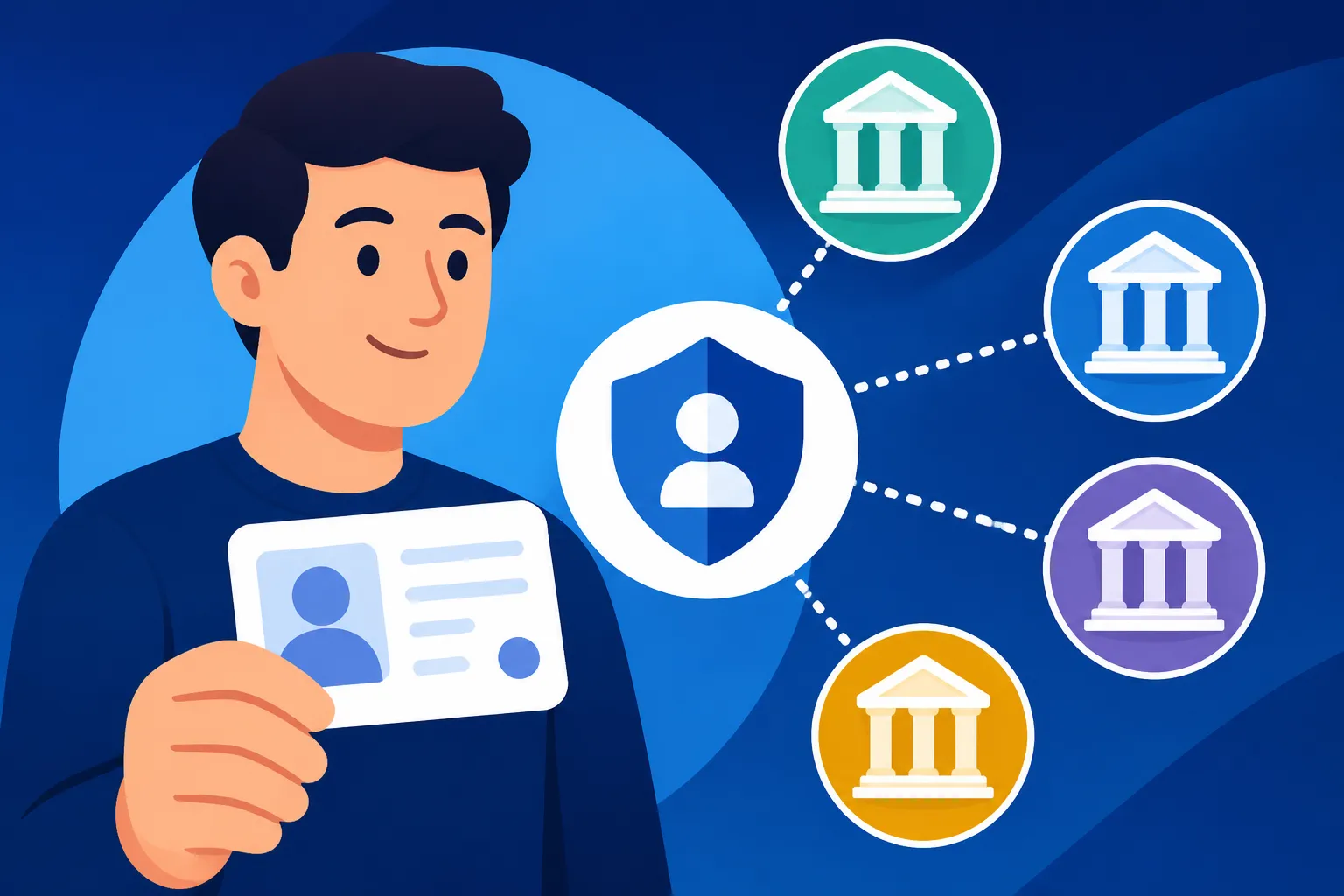
The first hurdle many of us face as expats arriving in Norway, even after securing a job and a place to live, is the perplexing challenge of getting a BankID when you only have a D-number. It’s a frustrating Catch-22: you need BankID to access essential digital services, but many banks are hesitant to issue it without a permanent fødselsnummer. This guide will cut through the confusion, explaining which banks might consider D-number holders, what you'll need, and practical steps to navigate this uniquely Norwegian administrative maze.
Understanding BankID and D-Numbers in Norway
Before diving into the banking specifics, let's unpack what these terms truly mean in the Norwegian context. Understanding their significance will help you grasp why this particular hurdle feels so much taller than it should.
The Digital Key to Norwegian Life
Imagine a single digital key that unlocks almost every door in your new life. That’s essentially what BankID is in Norway. It’s not just for banking; it’s your secure electronic identification that allows you to sign contracts, access government services like Helsenorge (your digital health portal) and Skatteetaten (the tax authority), apply for benefits from NAV, and even sign up for utilities. Without it, you’re left scrambling for paper forms and physical visits, which quickly becomes an exercise in frustration in this hyper-digital society.
Navigating your new life here, you’ll find that nearly every essential service, from checking your medical records to Filing Your Tax Return Skattemelding Deadlines and Common Deductions, demands BankID. It's the standard for robust authentication, designed to ensure that you are, in fact, you. This strong security is fantastic for citizens, but for new arrivals, it can feel like being locked out of your own home. You might find yourself saying, "But I have my passport, my visa, my job contract – why isn't that enough?" It's a common sentiment, and you're not alone in feeling it.
D-Number: Your Temporary Identity
When you first arrive in Norway and register with the authorities, if you’re not immediately eligible for a permanent fødselsnummer (national identity number), you'll likely be issued a D-number. Think of it as a temporary, unique identifier. It allows you to open a bank account (usually, for basic transactions), receive a salary, and register with some official bodies. It signifies that you exist in the Norwegian system, but often, not to the full extent of a permanent resident.
The D-number is typically assigned to individuals who will reside in Norway for less than six months, or those who meet specific criteria like being a cross-border commuter or holding certain types of permits. While it's crucial for initial integration, its "temporary" nature makes financial institutions wary. They often view it as a higher risk for issuing something as powerful and universally recognized as BankID, which requires a much stricter identity verification process tied to long-term residency. This creates a significant gap between merely being able to get paid and truly being able to manage your life digitally, which is the standard here.
The Core Challenge: Banks and D-Numbers
The difficulty you face in getting a BankID with a D-number isn't due to malicious intent, but rather a combination of regulatory requirements and banking risk assessments. It's a systemic issue that often leaves new expats feeling caught in an endless loop.
Why Most Banks Hesitate with D-Numbers
Norwegian banks operate under stringent anti-money laundering (AML) and know-your-customer (KYC) regulations. These rules demand a very high level of certainty about a customer's identity and long-term connection to Norway. A fødselsnummer, being a permanent identifier linked to the National Population Register, provides this certainty. A D-number, on the other hand, is considered more provisional.
For a bank, issuing a BankID is akin to giving you a highly secure digital signature. If your identity or residency status is perceived as less permanent, the risk for the bank increases. They want to ensure that the person using the BankID will remain traceable and accountable within the Norwegian system for the foreseeable future. This means that even if you have a D-number and a bank account, many institutions will draw a hard line at BankID, citing internal policies driven by these regulatory frameworks. It's not personal, but it certainly feels that way when you're repeatedly denied access to crucial services. It feels like hitting a brick wall, time and time again.
The Chicken-and-Egg Problem for New Arrivals
This brings us to the quintessential expat frustration: the Norwegian chicken-and-egg problem. You often need BankID to prove your identity digitally, for instance, to log in to Helsenorge to confirm your address, or to communicate with Skatteetaten regarding your tax residency, which in turn helps solidify your claim for a fødselsnummer. Yet, to get that BankID, you're told you need a fødselsnummer. It’s enough to make you want to pull your hair out!
Many essential services are now exclusively digital. Want to register for How to Register for a Fastlege GP on Helsenorge? You guessed it, BankID. Need to check your Healthcare Budgeting The Frikort Exemption Card and User Fees status? Helsenorge and BankID are your friends. This paradox can stall your integration process significantly, making you reliant on physical visits, phone calls (often with long waiting times), or the kindness of Norwegian colleagues or friends to help you with tasks that should be straightforward. It’s not just an inconvenience; it can genuinely impede your ability to settle in and manage basic life affairs effectively.
Navigating the Landscape: Which Banks Might Help
While it's a tough road, some banks are more amenable to D-number holders seeking BankID, though often under very specific, strict conditions. You'll need to be prepared and persistent.
Major Banks with Potential Under Strict Conditions
Historically, DNB, Nordea, and SpareBank 1 have been the main players for expats, and they do sometimes issue BankID to D-number holders. However, this isn't a guaranteed service. Their policies are often in flux and highly dependent on your individual circumstances, the branch manager's discretion, and the completeness of your documentation.
- DNB: As Norway's largest bank, DNB is often the first stop. They may consider D-number holders, especially those with stable employment in Norway, a long-term residence permit (not just a tourist visa), and a confirmed address. You'll likely need your physical passport (with an RFID chip is often preferred for verification), your Norwegian employment contract, proof of address, and your D-number registration document. Expect a thorough in-person interview where they assess your long-term ties to Norway.
- Nordea: Another prominent bank, Nordea has also been known to assist D-number holders. Similar to DNB, they will require extensive documentation and proof of your connection to the country. A permanent job and a clear path to a fødselsnummer can greatly strengthen your case. Be ready to explain your situation in detail.
- SpareBank 1: This is a network of independent local banks, so policies can vary slightly by region. Some larger city branches might be more experienced with expat cases. Again, expect the same high bar for documentation and proof of stability.
The common thread here is the strictness of the conditions. Don't expect to walk in with just a D-number and an address and walk out with a BankID. They need to see a compelling reason that you are a stable, long-term resident.
Digital-First Options and Limited Solutions
While direct BankID issuance from digital-only banks to D-number holders is rare, some modern financial services can offer a degree of digital banking convenience for D-number holders, even if they don't provide a full BankID themselves.
- Digital-First Banks (e.g., Sbanken, Bulder Bank): These banks often streamline their services and can be easier for D-number holders to open a basic account for everyday transactions, especially if you already have a verified Norwegian bank account elsewhere. However, they typically rely on existing BankID for full onboarding or limit services if you only have a D-number. They generally don't issue BankID to D-number holders. This is the critical distinction.
- Alternative Identification (Buypass ID): Buypass ID is another e-ID solution recognized in Norway. While it's not BankID, it can be used for logging into some government services and is occasionally more accessible for D-number holders, especially if you already have a mobile subscription registered in Norway. It might not cover all the same services as BankID, but it can be a useful interim solution. You can explore how to get Overcoming the BankID Block Workarounds for D-Number Holders or Buypass ID as a stepping stone.
- Money Transfer Services (Wise): While not a BankID provider, a service like Wise (formerly TransferWise) is invaluable for expats to manage finances internationally and within Norway. You can often receive your salary into a Wise account and then transfer it to your Norwegian bank account once opened, or use its debit card. It’s excellent for international transfers and managing different currencies, potentially reducing reliance on traditional banks for all your financial needs, particularly when dealing with your home country finances or sending money to loved ones. It solves a different problem, but it's a crucial tool in an expat's financial arsenal.
- Taxes for Expats: Similarly, services like Taxes for Expats can help you navigate the complexities of Norwegian tax law, particularly if you have international income or assets. While they don't help with BankID directly, having your tax affairs in order can indirectly demonstrate your commitment to operating transparently within the Norwegian system, which might subtly aid your overall financial integration.
The Crucial Paperwork and In-Person Visit
Regardless of the bank, your best bet is always a personal visit to a physical branch. Bring every document you can think of:
- Valid Passport: The physical document, not a copy. Banks often require passports with an RFID chip for digital verification.
- Residence Permit Card/Visa: Proof of your legal right to reside in Norway, showing your permit type and duration.
- D-Number Documentation: The official letter confirming your D-number.
- Employment Contract: A full, signed contract showing your employer, salary, and permanent position. This is perhaps the most crucial document, demonstrating your financial ties and stability in Norway.
- Proof of Address: A rental contract or a letter from your landlord.
- Payslips: Recent payslips if you've already started working.
- Norwegian Mobile Number: Essential for contact and often for receiving codes.
- Any other documents: Marriage certificate (if applicable), ID card from your home country, etc.
Prepare to be interrogated (politely, of course!) about your plans in Norway, your intention to stay, and why you need BankID. They are trying to build a profile of your long-term connection to Norway to justify the risk of issuing a BankID.
Practical Steps for D-Number Holders Seeking BankID
Alright, so you know it's a battle, but it's one you can potentially win. Here’s a more structured approach to increase your chances.
Step-by-Step Application Process
- Gather All Your Documents: Seriously, over-prepare. Passport (with RFID!), residence permit, D-number confirmation, employment contract, rental agreement, recent payslips, any official letters from UDI or Skatteetaten. The more you can prove your long-term intention to stay and your stable financial situation, the better.
- Choose Your Target Bank(s): Start with DNB, Nordea, or SpareBank 1. If you live in a smaller town, target the local SpareBank 1 branch; in larger cities, DNB and Nordea might have more expat-savvy staff. You may also want to research Best Norwegian Banks for Expats DNB Nordea SpareBank 1 and Sbanken for a broader perspective.
- Book an Appointment (Crucial!): Do NOT just walk in. Call or use their online system to book a specific appointment for "opening an account and discussing BankID" or "identification for BankID" if you already have an account. This signals you're serious and allows them to allocate proper time.
- Prepare for the Interview: Be ready to clearly articulate your reasons for being in Norway, your job, your future plans, and why you need BankID. Emphasize your stability and commitment to Norway. Bring a printed version of your Understanding Your Skattekort Tax Deduction Card and How to Change It if you have one.
- Be Patient and Polite: The process can be slow and feel intrusive. Remember the bank staff are following procedures. A friendly, cooperative attitude goes a long way.
- Follow Up (if necessary): If they ask for additional documents, provide them promptly. If you don't hear back, follow up politely after a reasonable timeframe.
Alternatives to Full BankID for D-Number Holders
If full BankID remains elusive, don't despair. There are workarounds that can help you manage some essential digital tasks.
- Buypass ID: As mentioned, this is a strong alternative digital ID that some D-number holders find easier to obtain. It involves identity verification, often at a Posten service point, and can be used for many public services. It’s worth looking into as a temporary solution.
- MinID: This is a simpler login solution, providing a lower level of security than BankID or Buypass ID, but it can grant you access to some basic public services (e.g., viewing your digital mailbox, some sections of Skatteetaten). You usually receive a code card for MinID after you've registered your D-number and address.
- Employer Assistance: Some employers, particularly larger international companies, might have established relationships with banks and can facilitate the initial account opening process. While they can't get you a BankID directly, their recommendation might influence a bank's decision.
- Manual Processes: For some services, you might be stuck with paper forms or phone calls. Keep detailed records of everything, including dates, names of people you spoke to, and reference numbers.
- Physical Presence: For instance, if you need to access urgent medical records, a physical visit to your doctor's office or Legevakten 116 117 When and How to Use the Out-of-Hours Service might still be possible, even without Helsenorge access via BankID.
- BankID for limited use: Sometimes, a bank might offer a "BankID på mobil" or similar limited version of BankID to D-number holders for internal bank use (e.g., only logging into their own internet banking). While not the universal BankID, it’s a start. However, generally, "BankID på mobil" has been replaced by the BankID app, which usually requires a fødselsnummer or full BankID already. Confirm with the bank the exact type of BankID you are applying for.
Patience and Persistence are Key
The journey to getting a BankID as a D-number holder in Norway can be a test of patience, and sometimes, your sanity. It's easy to feel disheartened when facing repeated denials or bureaucratic hurdles. Remember that many expats have walked this path before you, and while challenging, it is often surmountable. Keep all your paperwork organized, maintain a polite but firm demeanor, and don't be afraid to try different branches or even different banks if one proves completely unyielding. Eventually, once you obtain your fødselsnummer, the world of Norwegian digital services will open up considerably, and you'll find that getting How Long Does it Take to Get a Fødselsnummer for BankID becomes much, much easier.
Remember that while you're waiting for that elusive BankID, there are still ways to manage your finances, pay bills (often through direct debit agreements known as AvtaleGiro or eFaktura once your bank account is fully operational), and stay connected. It might not be as smooth as for a long-term resident, but you will get there.
Here's a quick comparison of the major banks and their general stance towards D-number holders seeking BankID:
| Bank | D-Number BankID Possibility | Key Requirements (Typical) | Notes |
|---|---|---|---|
| DNB | Possible, but challenging | Stable employment, long-term residence permit, in-person visit, RFID passport. | Often requires strong ties to Norway. Policies can be strict and vary. High scrutiny on identity verification. |
| Nordea | Possible, but challenging | Stable employment, confirmed address, long-term ties, in-person visit. | Similar to DNB, requires significant documentation. Having existing banking history with Nordea in another country might sometimes help, but not guaranteed. |
| SpareBank 1 | Possible, varies by branch | Stable employment, proof of address, strong local connection (e.g., local employer), in-person visit. | As a collective of local banks, policies can be more flexible at some branches, especially if they have many international clients. Worth checking local branches. |
| Sbanken | Highly Unlikely | Requires existing BankID or fødselsnummer for full onboarding. | Excellent digital bank but generally not for issuing BankID to D-number holders. More suited if you already have BankID from another bank. |
| Bulder Bank | Highly Unlikely | Requires existing BankID or fødselsnummer for full onboarding. | Another modern digital bank. Similar to Sbanken, it's great if you have a BankID, but not a solution for getting one with a D-number. |
| Buypass ID | Often more accessible | Requires physical identification (Posten), registered mobile number. | Not BankID, but a recognized e-ID that can unlock many public services. Good alternative while you work on getting a fødselsnummer. Check How Long is the Waiting List to See a Specialist in Norway for services that might use this. |
As you continue to settle into life in Norway, remember that every successful step, whether it's navigating the banking system or simply figuring out the Public Transport in Oslo Ruter Zones Tickets and Monthly Passes, is a victory. The system isn't always intuitive for newcomers, but with persistence, you'll master it.
Disclaimer
The information provided in this guide is for general informational purposes only and does not constitute financial or legal advice. Banking policies and regulations in Norway can change, and individual circumstances may vary significantly. Always verify information directly with the specific bank or relevant authorities (e.g., UDI, Skatteetaten) for the most accurate and up-to-date guidance on your personal situation.