What Does “Overtakelse” Mean When Signing a Lease?
Stepping off the plane at Gardermoen is the easy part; the real challenge begins when you are handed a ten-page lease in Norsk and asked to agree on an "overtakelse" date. For many expats, this term sounds like just another administrative hurdle, but failing to understand the legal weight of this moment can lead to lost deposits and months of disputes. This guide breaks down exactly what the handover process entails so you can secure your new home with total confidence.
Understanding the Concept of Overtakelse in the Norwegian Rental Market
When you first start looking for a place to live, perhaps while browsing Finn.no Masterclass: How to Navigate Norway’s Biggest Housing Site, you will see the word "overtakelse" everywhere. In its simplest form, it translates to "takeover" or "handover." However, in the context of Norwegian law, it represents the exact moment the legal responsibility for the property shifts from the landlord to you. It is the bridge between signing the contract and actually putting your boxes on the floor.
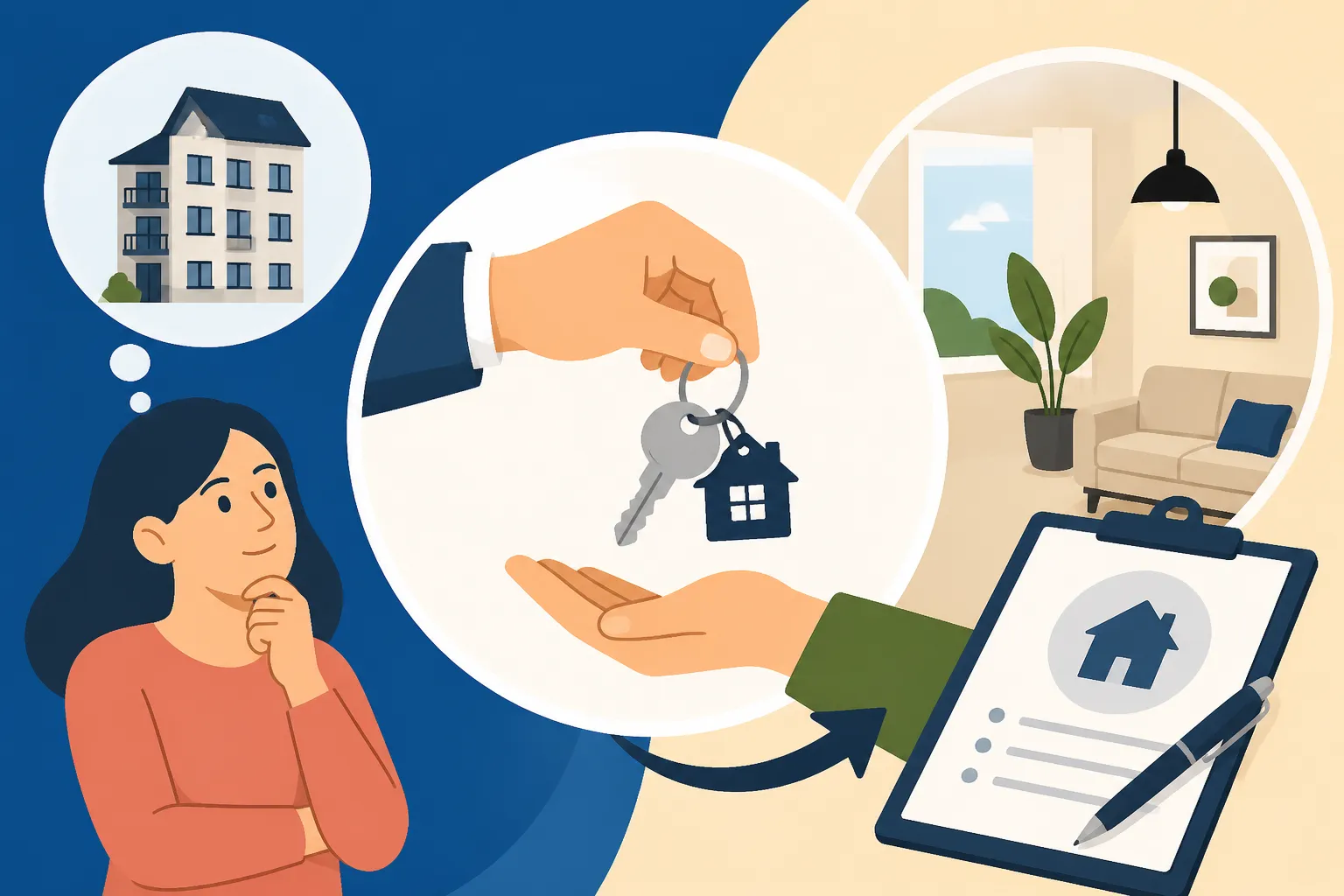
In many countries, you might just pick up the keys from a real estate office and head to the apartment alone. In Norway, the overtakelse is almost always a formal meeting at the property. You and the landlord (or their representative) will walk through every room together. This isn't just a friendly tour; it is a critical inspection. If you miss a crack in the window or a stain on the parquet floor during this meeting, it becomes your problem the day you move out. Because Renting in Norway: Apartments, Contracts, and Tenant Rights are quite specific about the state of a property, this meeting is your primary shield against future claims.
The timing of this event is usually negotiated during the bidding process or shortly after your application is accepted. If you are moving from abroad and haven't found a permanent spot yet, you might be using services like Spotahome to find a mid-term solution while you wait for your official handover date. Having that buffer is essential because Norwegian landlords are often very strict about the time. If the contract says 12:00 PM on the 1st of the month, they expect you to be standing at the door, ready to inspect, at exactly 12:00 PM.
The Handover Protocol and Why It Is Your Best Friend
During the overtakelse, the most important piece of paper you will encounter is the overtakelsesprotokoll (handover protocol). This is a formal checklist where both parties note the condition of the apartment, the number of keys handed over, and the initial meter readings for electricity. If your landlord doesn't bring one, you should insist on creating one on the spot. Even a handwritten note signed by both parties is better than nothing, though most professional landlords will have a digital or printed form.
As you walk through the rooms, do not be shy. This is the moment to be "typically Norwegian" in your attention to detail. Open the kitchen cabinets, check if the fridge is clean, and test every light switch. If you see a scratch on the wall, point it out and ensure it is written in the protocol. It is also a great time to ensure your phone has a stable data connection via Airalo so you can take photos of every single corner and immediately upload them to a cloud drive. These photos, timestamped on the day of overtakelse, are your ultimate insurance policy when it comes time to reclaim your Security Deposits (Depositumskonto): How to Protect Your Money in Norway.
The protocol should also include the current reading of the electricity meter. In Norway, you are responsible for the electricity from the minute the handover is complete. You will need these numbers to set up your own account. Since the process of Setting Up Utilities: Electricity, Heating, Internet, and Mobile Plans often requires a Norwegian personal number or D-number, having the exact reading from the protocol ensures you aren't paying for the previous tenant's final week of heating. If you are still waiting for your local SIM card to arrive, using an eSIM from Airalo can help you stay connected to look up your meter ID online during the meeting.
| Feature of Overtakelse | Why It Matters | Expat Tip |
|---|---|---|
| Key Exchange | Confirms you have total access. | Count every key (mailbox, basement, main door). |
| Meter Reading | Prevents paying for previous tenant's power. | Take a photo of the meter dial clearly. |
| Cleanliness Check | Sets the standard for when you leave. | Check "hidden" spots like the top of the fridge. |
| Damage Logging | Prevents deposit deductions later. | Use a high-quality camera and save to the cloud. |
| Functional Test | Ensures appliances actually work. | Run the dishwasher and test the shower pressure. |
Cleanliness Standards and the Infamous Utvask
One of the biggest shocks for foreigners during a Norwegian handover is the expected level of cleanliness, known as utvask. The law states that the apartment must be "professionally clean," which in Norway means a level of hygiene that borders on the surgical. If the previous tenant did a poor job, the overtakelse is your only chance to complain. If you accept the keys and the landlord leaves, you have effectively accepted the apartment in its current state.
When you walk in, the apartment should smell faintly of soap, and there should be zero dust on the baseboards or inside the kitchen drawers. Check the exhaust fan in the kitchen—if it's greasy, the utvask wasn't done correctly. If you find the place is dirty, you have the right to demand that the landlord cleans it before you move in or compensates you for the cost of hiring a cleaning firm. This is a common point of friction, and having a veteran's perspective helps: don't let a "koselig" landlord talk you out of documenting a dirty oven. You will be held to this same standard when you leave, as detailed in the Moving Out Checklist: Cleaning Standards (Utvask) and Deposit Return.
In the event that the apartment is unlivable or significantly dirtier than promised, you might need to delay your move-in. This is where having a backup plan is vital. If your original plan was to move straight in but the handover fails, you might find yourself searching Spotahome for a last-minute apartment for a week while the landlord fixes the issues. It’s always better to wait a few days for a clean start than to spend your first weekend in Norway scrubbing someone else's grime.
Handling Repairs and Functional Deficiencies
The overtakelse is also your time to ensure that all "fast inventar" (fixed inventory) is functioning as it should. In Norway, most rentals come with large appliances like a fridge, stove, and often a washing machine. Turn them all on. Check the seals on the freezer and ensure the oven heats up. If the landlord promised the apartment would be furnished, compare the furniture present to the list provided during the How to Rent an Apartment on Finn.no Without Having a BankID phase of your search.
If something is broken, like a window handle that doesn't lock or a leaky faucet, it must be noted in the protocol with a deadline for when the landlord will fix it. Being polite but firm is the Norwegian way. You are not being a "difficult tenant" by asking for these things; you are simply following the standard procedure. It is also worth asking about Reporting Pests (Skadedyr): Who Pays for Extermination in Rentals? during this time, especially if you notice any suspicious traps or signs of silverfish in the bathroom.
Lastly, make sure you understand how the building works. Ask where the trash disposal is, how to access the shared laundry (if applicable), and where your specific "bod" (storage room) is located. These storage rooms are often in the basement or attic and are a huge part of Norwegian living culture. Ensure your key works for the storage unit as well. If you are feeling overwhelmed by all the technical details, remember that having an active data plan from Airalo allows you to use translation apps in real-time if the landlord's English is a bit rusty or if the technical terms for "fuse box" or "water shut-off valve" get confusing.
Settling Into Your New Neighborhood
Once the protocol is signed and the keys are in your hand, the overtakelse is officially over. You are now the legal occupant. This is a great time to walk around your new block. If you chose your location based on Where to Live in Norway: Top Expat Neighborhoods in Oslo, Bergen, and Beyond, you likely have a local "Kiwi" or "Rema 1000" grocery store nearby. Your first task should be to put your name on the mailbox. In Norway, if your name isn't on the box, the postman will not deliver your mail—including your physical residence card or bank documents.
If you find that the apartment feels a bit empty or you need a few more pieces of furniture to make it feel like home, you can always supplement your space. Many expats find that even after a successful handover, they prefer the ease of managed stays. If you decide the apartment isn't quite right for the long term, you can look into other flexible options via Spotahome for your next move. For now, take a breath, enjoy the "koselig" atmosphere of your new Norwegian home, and celebrate surviving one of the most stressful administrative days of the expat journey.
Disclaimer
This guide is intended for informational purposes only and does not constitute legal advice. While we strive to provide the most accurate and up-to-date information regarding Norwegian rental customs and laws, regulations can change. We highly recommend consulting the Norwegian Tenancy Act (Husleieloven) or seeking professional legal counsel through organizations like Leieboerforeningen (The Tenants' Union) for specific disputes or complex contract issues.