Donating to Charities in Norway: Which Donations are Tax Deductible?
Moving to Norway often involves a steep learning curve regarding where your money goes, especially when you want to support causes close to your heart. You might find that the charitable habits you brought from home don't quite align with the strict reporting requirements of the Norwegian Tax Administration (Skatteetaten). This guide clarifies exactly which donations qualify for tax deductions, how the automatic reporting system works, and the pitfalls to avoid so your generosity actually reflects on your tax return.
Understanding the Norwegian Tax Deduction for Donations
When I first arrived in Oslo, I assumed that keeping a few PDF receipts from my favorite global NGOs would be enough to claim a deduction at the end of the year. I quickly learned that Norway operates on a very specific, data-driven system. In Norway, charitable giving is incentivized through a direct reduction in your taxable income, but the "how" is just as important as the "how much." For the 2024 and 2025 tax years, the deduction is calculated at a rate of 22% of the total amount donated, provided the amount falls within the government's set floor and ceiling.
Annual Thresholds and Limits
The most important thing to keep in mind is the minimum threshold. If you give small amounts to ten different charities but the total given to each individual organization is under 500 NOK for the entire year, you won't see a single øre in deductions. The law requires that you donate at least 500 NOK to a specific organization for that organization to report it. Once you hit that 500 NOK mark, every krone you give to that specific charity becomes deductible up to the annual maximum limit.
For several years, the maximum deductible amount was quite high, but it has seen adjustments in recent budgets. Currently, the maximum deduction you can claim for gifts to pre-approved organizations is 25,000 NOK per year. To visualize this, if you are a high-earner and donate the full 25,000 NOK to an approved Norwegian NGO, your actual tax bill will decrease by 5,500 NOK (22% of 25,000). If you give more than the cap, you still provide wonderful support to the cause, but the tax benefit stops at that ceiling. This is a crucial detail for expats who are used to more uncapped or higher-limit systems in places like the United States or the UK.
The Approved List of Organizations
Not every organization with a "Donate" button on their website is eligible for tax deductions in the eyes of the Norwegian state. Skatteetaten maintains a rigorous list of pre-approved organizations that fulfill specific criteria. These organizations must be based in Norway or another EEA country, and they must pursue "socially beneficial" goals. This includes religious communities, human rights organizations, environmental groups, and sports clubs (though the rules for sports are slightly more nuanced).
Before you set up a recurring payment, it is a good idea to search the official list of "Gaver til frivillige organisasjoner" on the Skatteetaten website. If the organization isn't on that list, you can still give to them, but it will be considered a private gift with no tax benefit. For expats, this is often frustrating when they want to support a local school or a small niche charity back home that doesn't have a Norwegian branch. Understanding Filing Your Tax Return (Skattemelding): Deadlines and Common Deductions is vital here, as it helps you recognize where these figures should eventually appear on your annual statement.
How to Ensure Your Donation is Reported Correctly
In many countries, you are responsible for telling the tax office how much you gave. In Norway, the burden of reporting actually shifts to the charity. This is one of the most efficient parts of the Norwegian "digital first" mindset, but it requires one piece of information that many foreigners are hesitant to share: your National ID number.
The Role of the Fødselsnummer or D-Number
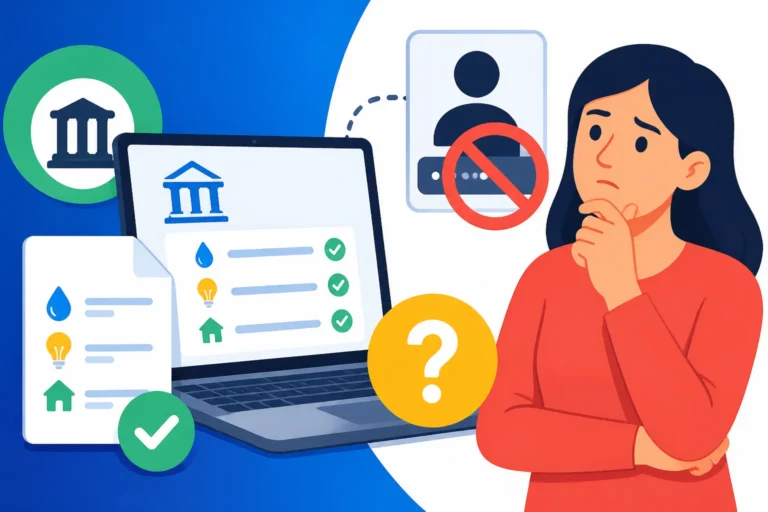
For a charity to report your gift to the tax authorities, they must link the payment to your specific tax profile. This is done using your 11-digit fødselsnummer or your D-number. When you sign up as a regular donor (fast giver), you will almost always be asked to provide this number. If you donate via a one-time SMS or a "blind" web form without providing your ID, the charity cannot report the gift, and you cannot manually add it to your tax return later.
Many expats were worried about identity theft and refused to give their ID number to a charity, only to be disappointed when their Understanding the Frikort: The 2026 Healthcare Exemption Card Limit discussions or tax assessments didn't show their 5,000 NOK donation. In the Norwegian system, the charity is legally obligated to handle this data securely. Without it, the "automatic" nature of the system breaks down. If you are still waiting on your permanent ID, you should read about D-Number vs Fødselsnummer: How It Affects Your Banking Options to understand how your identification status impacts your financial life in Norway.
Verifying Your Tax Return in March
Every March, when the preliminary tax return (skattemelding) is released, you need to check "Section 3.3" (or the equivalent in the digital portal). This is where your charitable donations should be listed. If you have given 500 NOK or more to an approved organization and provided your ID number, the amount should already be pre-filled.
If it’s missing, don't panic immediately. First, contact the charity. It’s possible they had a typo in your ID number or haven't finished their reporting cycle. However, you generally cannot just type in a number yourself and expect it to be approved. Skatteetaten requires the third-party verification from the charity to prevent fraud. This is a very different experience from the "trust but verify" model in other countries. If you find yourself needing to navigate these forms for the first time, looking into Navigating the Helsenorge App in English: A Step-by-Step Translation might give you a feel for how Norwegian digital services are structured, even if the apps serve different purposes.
| Donation Type | Tax Deductible? | Minimum Amount | Reporting Method |
|---|---|---|---|
| Approved Norwegian NGO | Yes | 500 NOK | Automatic via ID number |
| Religious Communities | Yes | 500 NOK | Automatic via ID number |
| Political Parties | No | N/A | Not deductible |
| Foreign Charity (Non-EEA) | No | N/A | Not deductible |
| Crowdfunding (Spleis/GoFundMe) | Usually No | N/A | Private gift |
| Workplace Giving Schemes | Yes | 500 NOK | Often through payroll |
International Giving and Expat-Specific Considerations
Expats often maintain a strong connection to their home countries through philanthropy. However, the Norwegian tax system is quite protective of its tax base. If you are living and working in Norway, you are likely a tax resident here, which means your global income is taxed, but your global deductions are strictly limited.
Donating to Non-Norwegian Charities
If you want to support a charity in the US, UK, or Australia, you generally will not receive a Norwegian tax deduction. There is a small exception for organizations based within the EEA (European Economic Area), but even then, the organization must apply to the Norwegian Tax Administration to be recognized as an approved recipient. Most small or medium-sized foreign charities don't bother with this administrative hurdle.
If you are a US citizen, you might be using services like Taxes for Expats to handle your dual-filing requirements. In this case, your donations to US-based 501(c)(3) organizations are still deductible on your US tax return (Form 1040), even if they provide no benefit on your Norwegian tax return. It is vital to keep these two worlds separate. Your Norwegian employer withholds tax based on Norwegian rules, so your monthly take-home pay won't be affected by your overseas giving. For moving money to support these causes back home, using a service like Wise can help minimize the exchange rate loss, ensuring more of your money reaches the actual cause rather than being swallowed by bank fees.
Currency Exchange and Transaction Fees
When you donate to a foreign cause while living in Norway, you are often dealing with the fluctuating value of the Krone. If you set up a monthly donation of 50 USD, the amount in NOK will change every month. If you are trying to hit a specific deduction limit back in your home country, this volatility can make planning difficult.
Furthermore, traditional Norwegian banks often charge a "spread" and a flat fee for international transfers. This is where Wise becomes a favorite for the expat community. By using a multi-currency account, you can convert your NOK to the target currency when the rate is favorable and then donate directly from that balance. While this doesn't help with your Norwegian tax deduction, it maximizes the "impact per krone" of your altruism. If you are struggling with the overall cost of living, you might want to review the Cost of Living in Norway 2026: Budgeting for Singles and Families to see how much "disposable" income you truly have for charity after the high Norwegian expenses are paid.
Practical Tips for Maximizing Impact and Deductions
Giving effectively in Norway requires a bit of local strategy. Because the system is so automated, a little bit of setup work at the beginning of the year pays off significantly when the dark, cold days of tax season arrive in the spring.
Setting Up Recurring Gifts (AvtaleGiro)
The most efficient way to ensure you hit the 500 NOK threshold is to set up an "AvtaleGiro" (automatic debit) through your Norwegian bank account. Most major charities will provide a link on their website where you can sign in with BankID to authorize this. This ensures the charity has your correct ID number from the start.
If you are new to the country and haven't quite mastered the banking system yet, you might find the guide on Banking in Norway: How to Open an Account as a Foreigner helpful. Once the AvtaleGiro is active, the charity handles everything. You don't need to save receipts or bank statements for tax purposes; the deduction will simply appear on your tax return. If you prefer to give via Vipps, ensure you follow the prompt within the app to "share my information" or "provide personal number" for tax purposes. Many people skip this screen, effectively forfeiting their 22% tax break.
Gift Taxes and High-Value Donations
Norway famously abolished the "inheritance tax" and "gift tax" for individuals in 2014. This means you can generally give large sums of money to individuals or organizations without the recipient having to pay a specific "gift tax." However, high-value donations (especially those involving property or shares) can still trigger other tax events, such as capital gains tax if you are transferring assets rather than cash.
For the average expat, the main concern with high-value giving is the wealth tax. If you donate a large sum of money, your total "formue" (wealth) decreases, which might slightly lower your wealth tax bill if you are above the threshold. Understanding Social Security in Norway: Understanding National Insurance Contributions and Wealth Tax (Formuesskatt) in Norway: How Global Assets Are Taxed can help you see the bigger picture of how your net worth and your charitable giving interact. Always ensure that large transfers are well-documented, especially if you are sending money to family members abroad, to avoid red flags with anti-money laundering (AML) protocols at your bank.
Managing the Emotional and Financial Balance
Being a "good citizen" in Norway often involves more than just money; it involves "dugnad" (communal volunteer work). However, the tax system only recognizes the financial side. It can be tempting to give to every cause that knocks on your door during the annual TV-aksjonen (the national telethon), but if you want to be tax-efficient, it’s better to pick two or three organizations and give to them consistently.
If you are feeling the pinch of the Norwegian economy, remember that Everyday Cost of Living: Supermarket Prices (Kiwi, Rema 1000, Meny) can fluctuate. Charitable giving is a wonderful way to integrate into Norwegian society and support the "Nordic Model" values, but it shouldn't come at the expense of your own financial stability. By using the tax deductions available, you essentially get the government to "co-sponsor" nearly a quarter of your donation, which is a win-win for everyone involved. For those who are self-employed or running a business, the rules can be even more complex, so reading Freelancer Taxes: How to Report Income as an Enkeltpersonforetak might provide additional insights into how business expenses and donations are treated differently.
Disclaimer
This article is for informational purposes only and does not constitute professional tax or legal advice. Tax laws in Norway, including deduction limits and eligibility criteria, are subject to change by the Storting (Parliament) during annual budget negotiations. While we strive to keep information up to date, you should always consult the official Skatteetaten website or a qualified tax professional regarding your specific financial situation, especially if you have dual-taxation obligations in other countries. For those with complex international tax needs, consulting specialized services like Taxes for Expats is highly recommended.