Toll Roads (Bompenger) Costs: Budgeting for Driving in Norway
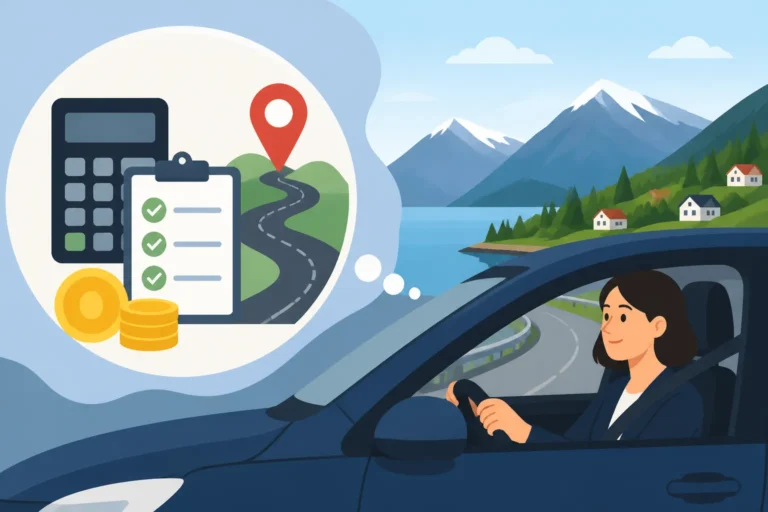
Ah, the infamous bompenger! If you've just arrived in Norway, or are even considering making the leap, you're probably already familiar with the little nagging feeling in the back of your mind about the cost of everything. And when it comes to driving, those road tolls, or bompenger, can be a real head-scratcher, leaving many expats and tourists wondering how to budget and avoid unexpected bills. This guide is going to break down everything you need to know about navigating Norway's toll road system, helping you understand the costs, how to pay, and how to keep your budget on track.
Understanding Norway's Toll Road System (Bompenger)
Let's face it, for many of us coming from countries with fewer or no tolls, Norway's extensive network of bompenger can feel like a bit of a financial ambush. It's not just a few motorways; tolls are woven into the fabric of urban driving and national infrastructure.
Why Tolls Exist in Norway
Norway’s reliance on toll roads isn't just about making a quick buck; it’s a fundamental part of how the country funds its ambitious infrastructure projects and manages urban congestion. Unlike some countries where tolls primarily cover the construction of a single bridge or highway, Norway uses bompenger for a much broader scope. A significant portion of these funds goes towards developing new roads, tunnels, and bridges, connecting communities across its challenging terrain. But it’s also a powerful tool for environmental policy and urban planning. By placing toll rings around major cities like Oslo, Bergen, and Trondheim, the government aims to reduce traffic, lower emissions, and encourage the use of public transport. It's a system designed to make drivers contribute directly to the infrastructure they use, and also think twice before hopping in the car for short trips.
How the System Works
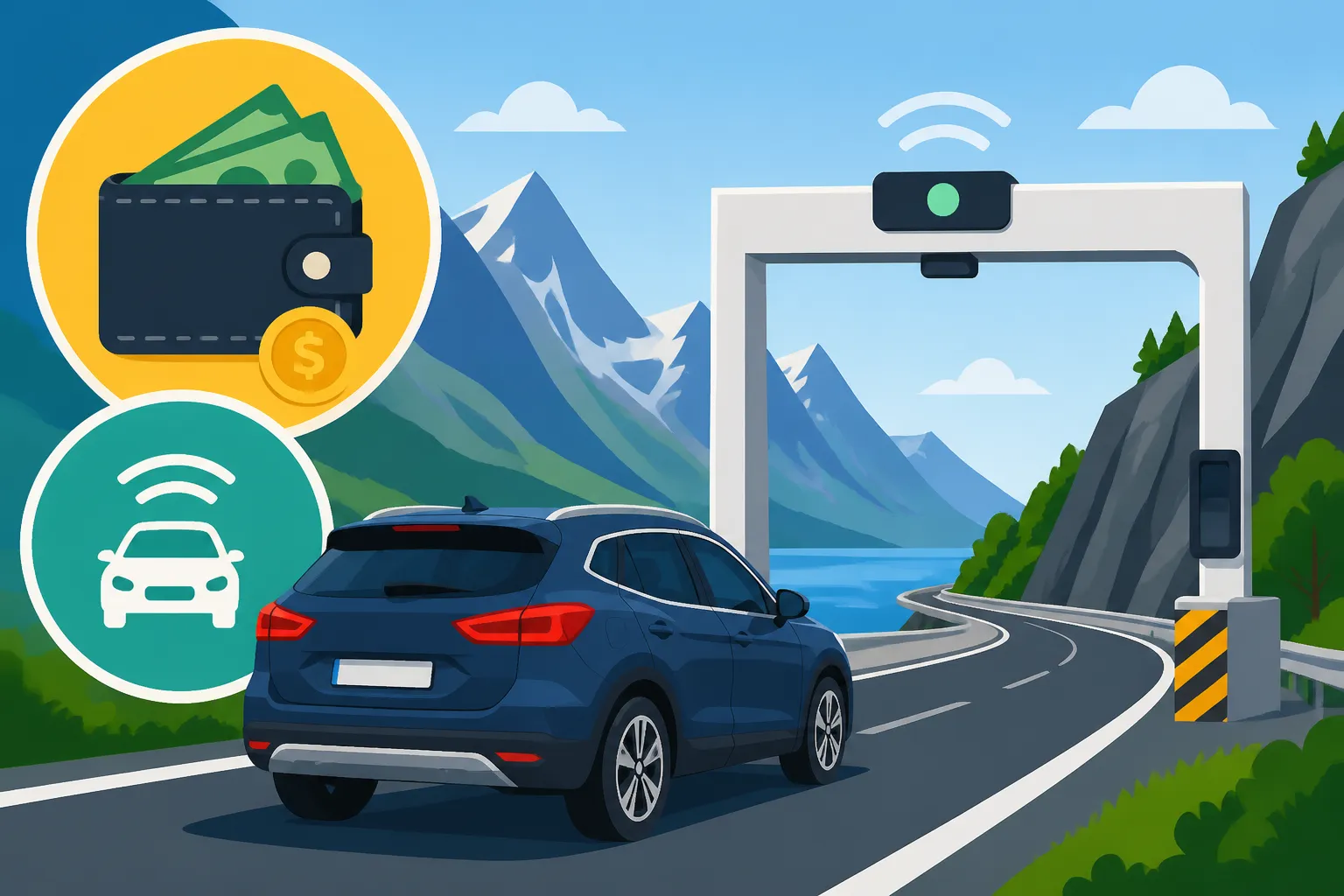
The beauty – and sometimes the frustration – of the Norwegian toll system is its highly automated nature. You won't find traditional toll booths with barriers and cashiers on most roads anymore. Instead, Norway operates almost entirely on an electronic toll collection system called AutoPASS. As you drive through a toll point, cameras register your vehicle's license plate. If you have an AutoPASS agreement and a transponder (a small electronic device mounted on your windscreen), the toll is automatically registered to your account, often with a discount. If you don't have an AutoPASS agreement, the system still registers your passage, and a bill will be sent to the registered owner of the vehicle. This means whether you're driving your own car, a rental, or even a foreign-registered vehicle, your passage will be recorded and you will be billed. It's an efficient system, but it demands a bit of foresight from drivers to avoid surprises.
Differentiating Toll Rings, Ferry Tolls, and Road Projects
It’s crucial to understand that bompenger isn't a single, uniform charge. It comes in a few different flavors, each with its own purpose and payment structure:
- Toll Rings (Bompenger-ringer): These are the most common and often the most costly for daily drivers. Major cities like Oslo, Bergen, Trondheim, and Stavanger have toll rings that charge you each time you enter or sometimes even exit the city center, or pass certain internal zones. These often have different rates for peak and off-peak hours, and sometimes even for different types of vehicles. The goal here is primarily congestion and environmental management.
- Ferry Tolls (Ferjebompenger): Many parts of Norway rely on car ferries to cross fjords and connect islands to the mainland. While you typically pay directly for the ferry ride itself, some ferry connections also integrate into the AutoPASS system, allowing you to pay for the ferry trip via your AutoPASS account, often with a discount. This is super convenient, especially for those scenic road trips up the coast.
- Road and Tunnel Projects (Veiprosjekter/Tunnelprosjekter): Beyond city rings, tolls are often levied on specific large-scale infrastructure projects – think new bridges, long tunnels through mountains, or major highway upgrades. These tolls are usually in place until the project's construction costs are covered, and then they might be removed. These are often encountered on longer journeys outside the main city areas.
Understanding these distinctions helps you anticipate where and why you're paying tolls, making it easier to plan your routes and budget.
Navigating Payment for Tolls (AutoPASS and Alternatives)
The thought of managing all these tolls can be daunting, especially if you're new to the country. But fear not, Norway has streamlined the payment process, with AutoPASS being the golden standard.
AutoPASS Agreement and Transponder: The Best Option for Residents
For anyone living in Norway or planning an extended stay, getting an AutoPASS agreement and a transponder (also known as a bombrikke) is an absolute no-brainer. This isn't just about convenience; it's about saving money. An AutoPASS agreement links your vehicle to an account, and the small electronic transponder on your windshield ensures that every toll passage is registered correctly.
Here’s why it’s the best option:
- Automatic Discounts: Many toll roads offer significant discounts, often 10% or more, for vehicles with an active AutoPASS agreement and transponder. For electric vehicles, these discounts can be even higher in some zones.
- Monthly Caps: In some toll rings, having an AutoPASS agreement means you'll benefit from a monthly cap on the number of toll passages or the total cost you pay within a certain period. This is a huge advantage for daily commuters.
- Consolidated Billing: All your tolls are conveniently consolidated into one invoice, either monthly or bi-monthly, which is sent to you digitally or via post. This makes tracking your expenses much easier.
- Simplified Ferry Payments: As mentioned, many ferries can be paid directly through your AutoPASS account, adding to the ease of travel.
You can typically sign up for an AutoPASS agreement with one of the many toll road companies, such as Fjellinjen for the Oslo area, or another regional operator. It's often recommended to get this sorted as soon as you have your Norwegian fødselsnummer or D-number and have registered your car. Remember to update your vehicle details if you change cars, or you might find yourself with unexpected bills. You can find more information on how to update your details or manage your account on Helsenorge, which, surprisingly, also acts as a portal for some administrative services.
Short-Term Visitors and Rental Cars: What You Need to Know
If you're just visiting Norway for a holiday or on a shorter work assignment, getting a full AutoPASS agreement might not be practical. However, you still need to pay those tolls!
- Rental Cars: This is probably the easiest scenario. Reputable car rental companies in Norway have their vehicles equipped with AutoPASS transponders. The tolls you incur will be tracked by the rental company, and they will usually charge them to your credit card after your rental period, often with an administrative fee. Make sure to confirm this arrangement when you pick up your car to avoid surprises. They might offer a "toll package" where you pre-pay, or simply bill you post-rental.
- Foreign-Registered Vehicles: If you’re driving your own car into Norway, you have a few options:
- Register with AutoPASS for Visitors (EPASS24): This is the most recommended method for visitors. Before or shortly after entering Norway, you can register your vehicle and a credit card with EPASS24. This links your car to a payment method, and tolls will be automatically charged, usually without the discounts you'd get with a full AutoPASS agreement. This prevents invoices from being sent to your home country, which can sometimes come with additional international processing fees.
- Wait for an Invoice: If you don't register with EPASS24, the toll road companies will eventually send an invoice to the registered address of your vehicle's owner. This can take several weeks or even months to arrive, especially for international addresses. These invoices will be for the full, undiscounted rate. Be aware that these bills will find you, so don't think you can just ignore them! Using services like Wise to handle international currency transfers can be helpful when paying these bills from abroad, ensuring you're getting a fair exchange rate.
It’s crucial to understand that even if you don't have a transponder, the cameras will still record your passage. There's no escaping bompenger!
Managing Your Payments and Avoiding Fines
The key to a stress-free experience with Norwegian tolls is proactive management.
- Check Your Statements: Whether you have an AutoPASS agreement or use EPASS24, regularly check your online statements or incoming invoices. Discrepancies can occur, and it’s better to catch them early.
- Pay on Time: Norwegian authorities are efficient, and they don’t mess around with unpaid bills. Unpaid tolls will quickly accumulate late fees and reminder charges, which can significantly inflate the original amount. For those managing their finances, services like Banking in Norway: How to Open an Account as a Foreigner or understanding eFaktura and AvtaleGiro? Setting Up Automatic Bills can be invaluable to ensure timely payments.
- Update Your Information: If you move, change your vehicle, or update your payment method, ensure these details are immediately updated with your AutoPASS provider or EPASS24. Outdated information is a prime cause of missed invoices and subsequent fines.
- Understand Billing Cycles: Don’t be alarmed if you pass a toll point and don't immediately see a charge. Bills typically arrive monthly or bi-monthly. Patience is key, but don't forget to budget for these upcoming expenses.
Budgeting for Bompenger: Costs and Considerations
Budgeting for tolls can feel like trying to hit a moving target, especially with varied rates and potential discounts. However, understanding the factors involved will help you anticipate the impact on your wallet.
Typical Toll Costs and Peak Hours (Examples from Major Cities)
Toll costs vary significantly based on location, time of day, and vehicle type. It's not uncommon for a single passage through a city toll ring to cost anywhere from NOK 10 to NOK 70.
Let's look at some examples (prices are approximate and subject to change, especially with annual adjustments):
- Oslo (Fjellinjen): The Oslo toll ring has multiple charging points and different rates. As of early 2026, a standard petrol/diesel car (emissions class Euro 6 or older) might pay around NOK 20-30 during off-peak hours and NOK 30-40+ during peak hours (6:30-9:00 AM and 2:30-5:00 PM) for a single passage. Electric vehicles often pay a reduced rate, perhaps NOK 8-15 off-peak and NOK 15-25 peak. Heavy vehicles generally pay more. There's usually a "one-hour rule" where you only pay for one passage if you pass multiple toll points within an hour. Toll Roads (Bompenger) Costs: Budgeting for Driving in Norway can give you even more detailed current figures.
- Bergen (Bymiljøpakken Bergen): Similar to Oslo, Bergen uses a city toll ring with peak and off-peak charges. A petrol/diesel car could face charges of NOK 20-30 off-peak and NOK 30-50 peak. EVs receive discounts here too, paying less than half of the standard rate. Bergen also has specific charges for entering certain zones to reduce congestion.
- Trondheim (Miljøpakken Trondheim): Trondheim also employs peak hour charges, with standard cars paying similar rates to Oslo and Bergen. Electric vehicles generally get a significant discount.
These city toll rings often have hourly maximums, meaning you won't be charged repeatedly for passing multiple points within a short timeframe. However, the daily or monthly caps for AutoPASS users are where the real savings kick in for frequent drivers. Always check the specific toll company's website (e.g., Fjellinjen, Vegfinans, Ferde) for the most current rates and rules for your area.
Exemptions and Discounts (Electric Vehicles, Public Transport)
Norway actively uses its toll system to promote environmental goals and public transport.
- Electric Vehicles (EVs): Historically, EVs enjoyed full exemption from tolls. However, as EV adoption has soared, these exemptions have been reduced. Most EVs now pay a percentage of the standard toll rate, often 50-70%, though this can vary by municipality and specific toll project. Always check local rules. While not fully free, it's still a substantial discount that makes owning an EV more appealing, especially when combined with other The EV Revolution: Why Expats Should Consider Buying an Electric Car benefits.
- Hydrogen Vehicles: These often receive even greater discounts or full exemptions in some areas, aligning with Norway's push for zero-emission transport.
- Public Transport: While not an "exemption" for drivers, the existence of a robust toll system is intended to push people towards buses, trams, and trains. Investing in a monthly public transport pass, such as a Ruter card in Oslo, can eliminate your daily bompenger entirely and is often a much more cost-effective way to commute. Consider exploring Public Transport in Oslo (Ruter): Zones, Tickets, and Monthly Passes if you live in a major city.
- Emergency Vehicles and Motorcycles: These are typically exempt from all tolls.
It's clear that the more environmentally friendly your vehicle, the less you'll pay in tolls. This is a deliberate policy choice in Norway to steer its population towards greener alternatives.
The Impact on Your Overall Driving Budget
When you're creating your monthly budget for living in Norway, bompenger absolutely must be factored in, especially if you plan on driving regularly. It's not just the cost of fuel or car insurance; tolls are a fixed, recurring expense for many.
Let's do a hypothetical example:
If you commute five days a week and each round trip involves two toll passages (e.g., entering and leaving a city toll ring), and each passage costs an average of NOK 35 for a petrol car, that's NOK 70 per day. Over 20 working days, that's NOK 1400 per month. If you also use your car for weekend trips, this figure will climb even higher.
Table: Estimated Monthly Toll Costs for a Commuter (Non-EV, Oslo Area, assuming AutoPASS)
| Scenario | Daily Commute Tolls (NOK) | Monthly Commute Tolls (NOK, 20 working days) | Potential AutoPASS Monthly Cap (Approx.) | Total Estimated Monthly Tolls (NOK) |
|---|---|---|---|---|
| Standard Car, Peak Hours x2 | 70 (35×2) | 1400 | Varies, often around 1000-1200 | 1000-1200 (due to cap) |
| Standard Car, Off-Peak x2 | 50 (25×2) | 1000 | Varies, often around 900-1000 | 900-1000 |
| Electric Car, Peak Hours x2 | 30 (15×2) | 600 | Varies, often around 500-600 | 500-600 |
Note: These are illustrative figures. Actual caps and rates vary by operator and year.
This can easily add up to over a thousand kroner a month, a sum that many expats overlook when first calculating their Cost of Living in Norway 2026: Budgeting for Singles and Families. It affects your disposable income significantly, especially if you're not eligible for or don't choose to get the AutoPASS discounts. When budgeting, consider the frequency of your driving, the areas you'll be driving in, and whether you qualify for any discounts.
Practical Tips and Common Expat Questions
Even with the system explained, there are always those little niggling questions that pop up. Here are some practical tips and answers to common expat concerns.
Checking Your Toll Bills on Fjellinjen/AutoPASS
For residents with an AutoPASS agreement, checking your toll bills is straightforward. Most toll road companies provide an online portal where you can log in using your BankID (or sometimes a username/password for EPASS24). Here, you can view your passages, download invoices, and manage your payment methods.
- Fjellinjen.no: For those in the Oslo, Akershus, and Østfold regions.
- Ferde.no: Covers many areas in Southern and Western Norway, including Bergen and Stavanger.
- Vegfinans.no: Manages tolls in several other regions like Innlandet and Møre og Romsdal.
- AutoPASS.no: The main portal, offering links to various operators and general information.
It's a good habit to log in monthly, even if you’ve set up direct debit. This way, you can catch any anomalies and ensure your bills are accurate. If you're a D-number holder struggling with BankID access, navigating Overcoming the BankID Block: Workarounds for D-Number Holders might be useful.
What Happens if You Don't Pay?
Ignoring bompenger invoices is a definite no-go in Norway. The system is efficient, and the authorities will pursue unpaid tolls.
- Reminder Fee: The initial invoice will specify a due date. If you miss this, you'll receive a reminder, often with an added reminder fee (purregebyr), which can be around NOK 70-100.
- Increased Charges: If the reminder is ignored, the charges can be escalated to a debt collection agency (inkasso). At this stage, significant additional fees will be added, potentially doubling or tripling the original toll amount.
- Collection Abroad: For foreign-registered vehicles, unpaid tolls and associated fines can be pursued through international debt collection agencies. Norway has agreements with other European countries to facilitate this.
- Issues with Future Entry/Registration: While less common for minor toll infractions, serious and persistent non-payment could potentially lead to issues when attempting to register a vehicle in Norway or even with future border crossings if linked to outstanding debt.
The bottom line is: pay your tolls. It’s far cheaper to pay on time than to deal with the Norwegian debt collection system. For more information on dealing with such matters, you could look into Dealing with Debt Collection (Inkasso): Strict Norwegian Late Fees.
Tolls and Moving: Adjusting Your Registration
If you're moving within Norway or moving away from Norway, it's vital to update your AutoPASS or EPASS24 details.
- Moving within Norway: If you get a new car or change your address, ensure your AutoPASS account is updated. If you are selling a car, remember to remove it from your AutoPASS agreement to avoid being billed for the new owner's tolls.
- Leaving Norway: If you are leaving the country for good, remember to cancel your AutoPASS agreement and remove your vehicle registration. You don’t want surprise bills arriving months later for a car you no longer own or are no longer driving in Norway. Always check for any outstanding tolls, especially if you're using services like Wise for Norwegian toll payments to settle final financial matters before departure. This goes hand-in-hand with making sure all your other financial ties are cut cleanly, as outlined in Leaving Norway Financially Prepared: Closing Accounts and Final Taxes.
Navigating Norway's toll roads might seem complex at first, but with a bit of understanding and proactive management, it becomes just another part of driving in this beautiful country. Remember, these tolls contribute to world-class infrastructure, which is something we all benefit from in the long run.
Disclaimer
The information provided in this guide is for general informational purposes only and does not constitute financial, legal, or professional advice. Toll rates, regulations, and payment systems in Norway are subject to change by local authorities. Always consult the official websites of the relevant toll companies (e.g., AutoPASS, Fjellinjen, Ferde, Vegfinans) or the Norwegian Public Roads Administration (Statens Vegvesen) for the most current and accurate information. Expats and tourists should verify specific requirements and costs that apply to their individual circumstances.