Over-the-Counter (OTC) Drugs in Norway: What You Can Buy in Supermarkets
You are standing in the middle of a brightly lit Rema 1000, your head is throbbing from the sudden shift in Arctic pressure, and you are desperately scanning the aisles for a familiar bottle of extra-strength painkillers. I remember my first week in Oslo, wandering aimlessly past the brown cheese and pickled herring, wondering why on earth I couldn't find a simple bottle of aspirin next to the toothpaste. This guide solves the mystery of the Norwegian "Medicine in Shops" system and details exactly what you can—and cannot—grab with your groceries.
Understanding the Norwegian Pharmacy Landscape
If you come from a country where you can buy 500-count bottles of ibuprofen at a warehouse club, the Norwegian approach to medicine will be a significant culture shock. Here, medicine is viewed through a lens of high regulation and public safety. The government tightly controls who can sell medication and in what quantities, aiming to prevent accidental overdose and self-medication of serious underlying issues. While the Healthcare in Norway for Expats: How the System Works (2027) is world-class, it requires you to adjust your expectations regarding convenience.
The LUA System: Medicine Outside Pharmacies
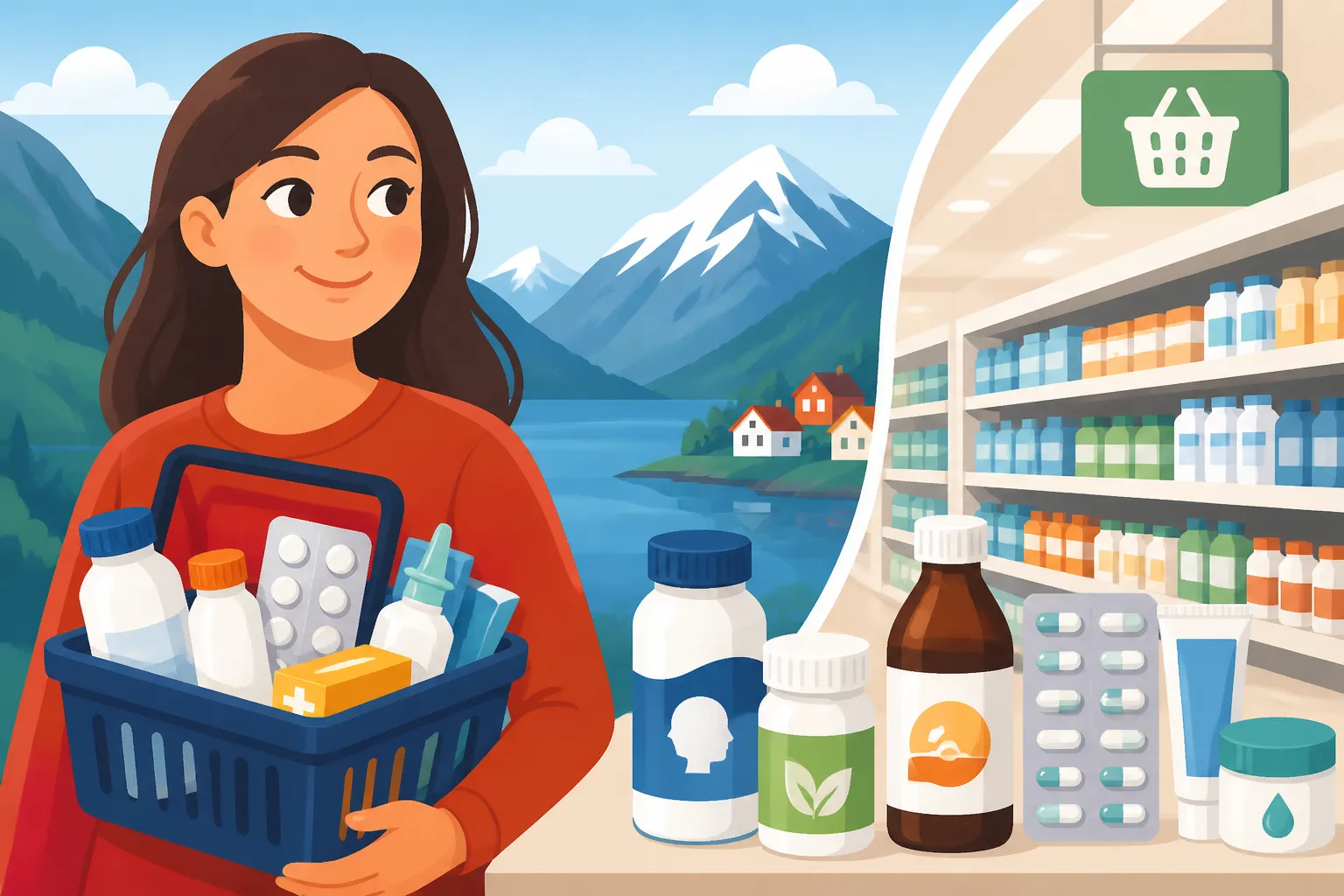
In Norway, the sale of non-prescription medication in outlets other than pharmacies is governed by the LUA (Legemidler utenom apotek) scheme. This regulation allows grocery stores, gas stations, and even some kiosks to sell a very specific, limited selection of over-the-counter (OTC) drugs. However, you won’t find these items sitting freely on a shelf next to the shampoo. By law, they must be kept behind the counter or in a locked cabinet that requires staff assistance.
When you are at the checkout of a Kiwi or Coop, you will often see a small, numbered menu or a touchscreen near the cashier. You must ask the clerk for the specific item you need. This can feel intimidating if your Norwegian is rusty, but most staff understand "Paracet" or "Ibux" perfectly well. This system ensures that an 18-year-old age limit is enforced and that shoppers don't just clear out the inventory. For tourists or those on short-term stays, having a plan like SafetyWing can provide peace of mind if a simple supermarket remedy isn't enough to solve a burgeoning health issue.
Strict Limits on Quantity and Dosage
Perhaps the most frustrating part for many expats is the "small pack" rule. Supermarkets are generally only allowed to sell the smallest pack sizes available for any given medication. For example, while a pharmacy might sell you a pack of 50 paracetamol tablets, a supermarket is typically restricted to packs of 20. Furthermore, you are usually only allowed to buy one pack of each type of medicine per transaction.
The logic here is purely "Norsk"—it is designed to discourage people from stockpiling medicine at home. If you find yourself needing more than one pack, it is seen as a signal that you should probably be consulting a professional or at least visiting a dedicated pharmacy where you can get expert advice. If you have chronic needs that require larger quantities, securing comprehensive coverage through a provider like Cigna Global can help you navigate the costs and logistics of more frequent pharmacy visits and specialist consultations.
Pain Relief and Fever Management in Supermarkets
When the "winter flu" hits, your first instinct will be to reach for pain relief. In Norway, the two heavy hitters available in every grocery store are Paracetamol and Ibuprofen. Understanding the local brand names is essential because you won't see "Tylenol" or "Advil" on the labels.
Paracetamol: The Go-To for Fever and Pain
Paracetamol is the most widely used OTC drug in Norway. In a supermarket setting, you will almost exclusively see the brand Paracet. It usually comes in 500mg tablets, and a standard box contains 20 tablets. This is the "safe" choice recommended by most Norwegian doctors for general pain and fever.
The culture around pain relief here is quite conservative. Norwegians tend to use the minimum effective dose and wait longer before taking a second pill compared to American or British habits. If you are looking for specific guidance on how these are sold, you can read more about Paracetamol and Ibuprofen: Supermarket vs Pharmacy Rules in Norway. Note that even though it’s "over the counter," the cashier is technically supposed to ensure you aren't buying it for someone under the age of 18 without parental supervision.
Ibuprofen: Anti-Inflammatory Options
The most common brand of Ibuprofen in Norwegian supermarkets is Ibux. You will typically find it in 200mg doses in the grocery store cabinets. If you need the 400mg version, you usually have to head to a dedicated "Apotek" (pharmacy). Ibux is favored for muscle aches, menstrual cramps, and toothaches.
One thing that caught me off guard was the price. OTC drugs in supermarkets are not subsidized, so you will pay the full retail price, which can be significantly higher than what you might be used to in larger markets. If you are an expat managing a budget, it’s worth noting that these small expenses don't count toward your Healthcare Budgeting: The Frikort Exemption Card and User Fees until you reach the threshold through doctor-prescribed medications.
Digestive Issues Cold and Allergy Meds
Beyond basic pain relief, Norwegian supermarkets carry a small selection of "rescue" medications for common ailments like heartburn, the common cold, and seasonal allergies. However, the variety is much narrower than what you would find in a pharmacy.
Relief for Heartburn and Indigestion
If you’ve overindulged in heavy "fårikål" (mutton and cabbage) or too much "julebord" food, you can find basic antacids in most large grocery stores. Look for brands like Link or Titralac. These are typically chewable tablets designed to neutralize stomach acid quickly.
While these are available, the selection is often hidden away. If you don't see them on the LUA menu at the cashier, check the "Helse" (Health) aisle where they might keep non-medicinal supplements, though actual active-ingredient antacids are usually behind the counter. For those with chronic digestive issues, relying on supermarket runs isn't sustainable, and it’s often better to look into Pharmacies and Prescriptions in Norway: White vs Blue Slips to get a more potent, long-term solution.
Navigating the Cold and Allergy Aisle
During the long Norwegian winter, nasal sprays are a staple. Otrivin is the brand you will see everywhere, from the smallest gas station in Finnmark to the largest Meny in Oslo. Supermarkets are allowed to sell standard saline sprays and the medicated versions that reduce swelling in the nasal passages. Be warned: Norwegians are very strict about only using medicated nasal sprays for a maximum of ten days to avoid "rebound" congestion.
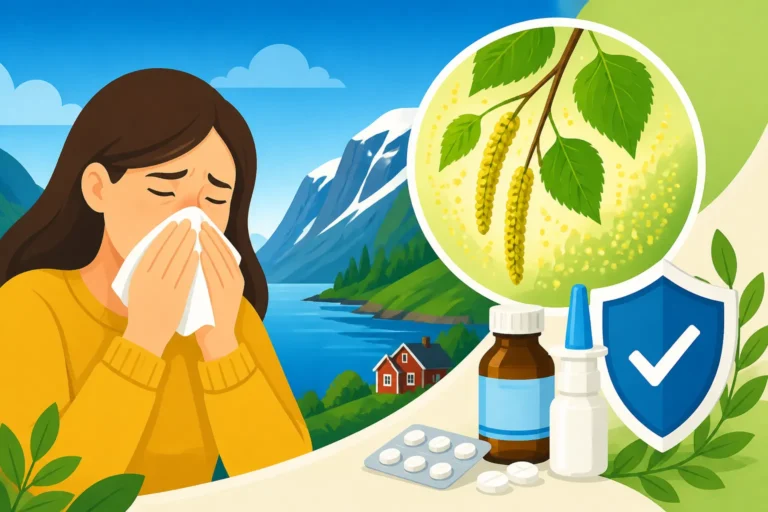
For allergy sufferers, the options in supermarkets are very limited. You might find a small pack of Zyrtec (Cetirizine) during the peak of the Allergy Medicine in Norway: Dealing with Birch Pollen Season, but don't count on it being in stock year-round. Most expats find it more reliable to visit an Apotek to get larger packs of antihistamines or eye drops, especially if they are trying to survive the intense birch pollen that blankets the country in May.
What You Cannot Buy in a Supermarket
Knowing what isn't in the supermarket is just as important as knowing what is. Norway maintains a sharp divide between "convenience" medicine and "pharmacy-only" medicine. If you are searching for anything even slightly specialized, you are going to be disappointed by the grocery store selection.
Melatonin and Sleep Aids
For years, melatonin was a prescription-only drug in Norway. While the rules have relaxed slightly, you still won't find it in the Rema 1000 aisles. You must go to a pharmacy to buy it over the counter, and even then, the dosages allowed without a prescription are quite low. If you're struggling with the midnight sun or the dark winter, you should check the specifics on Melatonin in Norway: Is it Prescription Only or OTC? before you start your search.
Many expats get frustrated trying to find "NyQuil" or similar multi-symptom nighttime cold medicines. These simply do not exist in Norway. The Norwegian medical philosophy prefers to treat individual symptoms rather than using a "shotgun" approach with multi-ingredient syrups. You won't find anything that induces sleep in a grocery store.
Antibiotics and Stronger Painkillers
It should go without saying, but there are zero antibiotics available without a prescription in Norway. Even topical antibiotic creams (like Neosporin) are not commonly found in supermarkets; you usually find antiseptic creams like Bacimycin in pharmacies instead. If you suspect you have an infection, your only route is through a GP or the Legevakten (116 117): When and How to Use the Out-of-Hours Service.
Similarly, any painkiller containing codeine (like certain types of Co-codamol) is strictly prescription-only. Don't waste your time asking the supermarket cashier for anything "stronger" than basic Ibux; they literally do not have it in the building. For those moving to Norway with existing prescriptions, make sure you understand the rules for Bringing Medication into Norway: Customs Rules and Schengen Certificates to avoid having your supply confiscated at the border.
| Medication Category | Common Brand | Available in Supermarket? | Requires ID/18+? |
|---|---|---|---|
| Paracetamol | Paracet | Yes | Yes |
| Ibuprofen | Ibux | Yes | Yes |
| Nasal Spray | Otrivin | Yes | Yes |
| Antihistamines | Zyrtec | Sometimes | Yes |
| Antacids | Link / Titralac | Sometimes | No (usually) |
| Nicotine Gum/Patches | Nicorette | Yes | Yes |
| Hydrocortisone Cream | Mildison | No | N/A (Pharmacy Only) |
| Disinfectant | Klorhexidin | Yes (often) | No |
Practical Tips for Buying Medicine in Norway
Navigating the local system is easier when you know the "unwritten" rules of the Norwegian shopping experience. From Sunday closures to the importance of BankID, here is how to handle your medical needs like a local.
The Sunday Struggle and Opening Hours
One of the hardest things for new expats to accept is that almost all grocery stores (and pharmacies) are closed on Sundays. If you wake up on a Sunday morning with a fever, your local Kiwi will not be there to save you. Only "Brustadbua" (tiny, Sunday-open sections of grocery stores) or gas stations will be open, and their selection of medicine is even more limited than a standard supermarket.
In major cities, there is usually one "Vaktapotek" (emergency pharmacy) that stays open 24/7 or has extended Sunday hours. However, prices there can be even higher. This is where having a robust insurance plan like Cigna Global can be a lifesaver, as they often provide resources or helplines to help you locate open facilities when you are in a pinch. For a broader look at setting yourself up for success, check the First 30 Days Health Checklist: GP, Frikort, and Pharmacies.
Using Apps and Digital Solutions
If you have a Norwegian BankID Explained: Norway's Digital Identity System and Expat Challenges, you can skip the supermarket aisle altogether. Many Norwegians use apps like Farmasiet or Apotea to order OTC drugs directly to their door or to a local "post-i-butikk" (postal point in a grocery store).
This is often cheaper than buying the small packs at the supermarket checkout. You can browse the full range of dosages and pack sizes, and if you have a prescription, you can see it right there in the app. If you don't have BankID yet, you'll have to stick to the physical checkout counter and the "LUA" cabinet.
A Note on Pricing and "Store Brands"
Unlike many countries where "store brand" ibuprofen is half the price of the name brand, Norway doesn't have a massive market for generic supermarket drugs. You will mostly see the major brands like Paracet and Ibux. The price difference between a supermarket and a pharmacy for these small packs is usually negligible, but pharmacies offer the benefit of professional advice.
If you are a traveler or a new arrival without a Norwegian personnummer, remember that services like SafetyWing are designed to cover the big emergencies, but these small OTC purchases are out-of-pocket expenses. Keep your receipts anyway; you never know when you might need to document your medical history for a future doctor's visit.
Summary of the Supermarket Medicine Experience
To wrap up, buying medicine in a Norwegian supermarket is a lesson in Scandinavian minimalism. You can get exactly what you need to survive a headache or a cold, but nothing more. Always remember:
- Look for the menu at the cashier; don't search the aisles.
- Be prepared to show ID if you look young.
- Expect small packs and one-pack limits.
- Know your Norwegian brand names: Paracet, Ibux, and Otrivin.
If your symptoms persist for more than a couple of days, stop trying to fix it with Rema 1000 supplies. The Norwegian system is designed around the GP (Fastlege) for a reason. Don't be afraid to use the resources available to you as an expat to get the proper care you need.
Disclaimer
This article is for informational purposes only and does not constitute medical or legal advice. Regulations regarding medication in Norway can change. Always consult with a qualified healthcare professional or a licensed pharmacist (Apotek) before taking any medication. For emergencies, dial 113. For non-emergency medical advice in Norway, call 116 117.