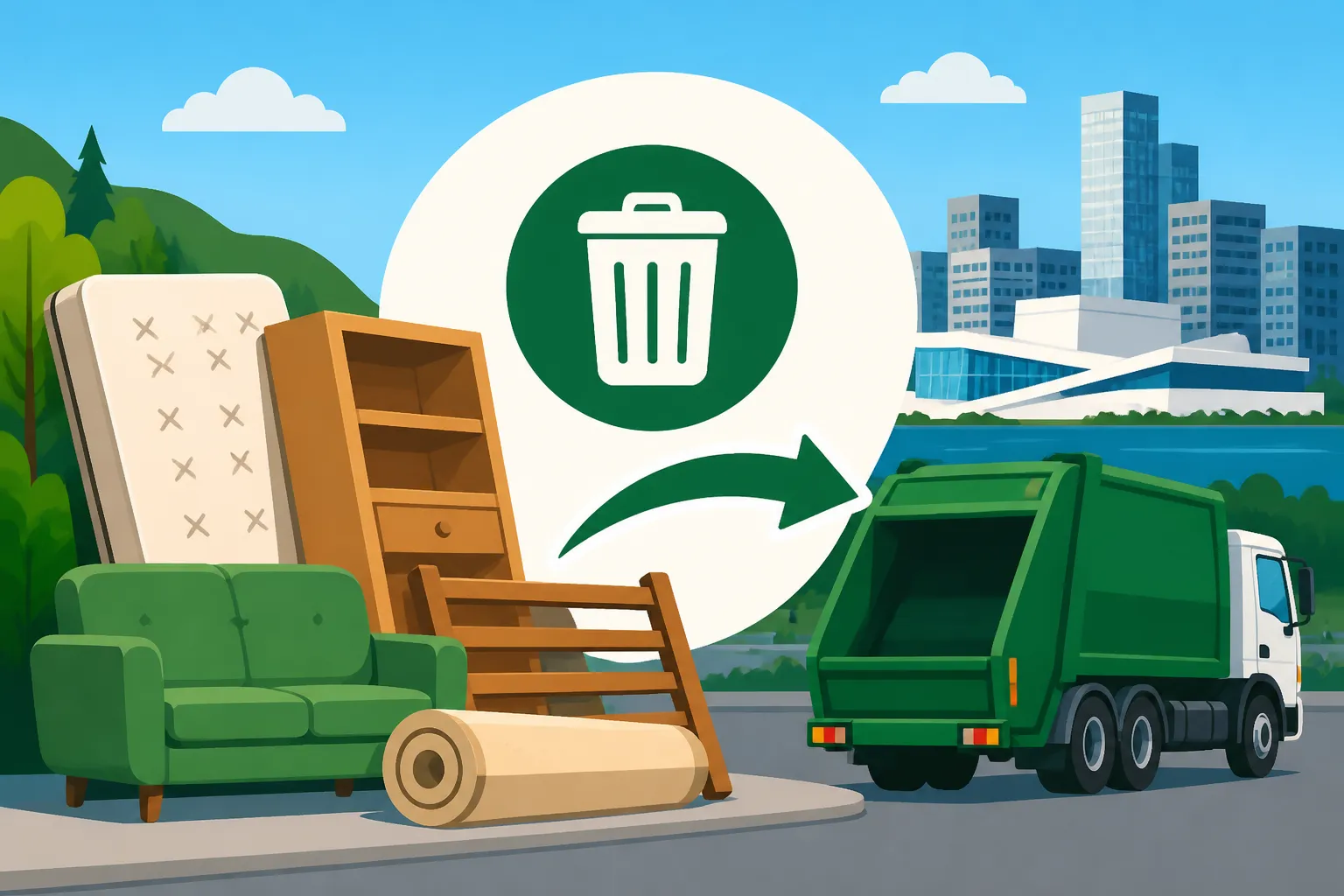
How to Throw Away Oversized Garbage (Grovavfall) in Oslo
Let's face it, moving to Norway means navigating a whole new set of unspoken rules and logistical challenges, and one of the most perplexing for many expats is figuring out what to do with large, unwanted items. You've just unpacked your life, maybe bought some new furniture, and suddenly you're staring at an old mattress, a broken bookshelf, or a pile of moving boxes, wondering, "How on earth do I get rid of this without causing an international incident?" This guide is here to demystify the process of disposing of grovavfall, or oversized garbage, specifically within Oslo, ensuring you keep your home tidy, your neighbors happy, and your wallet safe from unexpected fines.
Understanding Grovavfall: What Exactly Is "Oversized Garbage" in Oslo?
When you hear the term grovavfall in Norway, it's not just a fancy word for "big trash." It refers to specific types of bulky waste from private households that don't fit into your regular household waste bins and require special handling. It’s a concept that's deeply embedded in Norwegian waste management, and understanding it is your first step to being a responsible resident.
Defining Grovavfall and What's Accepted
So, what makes the cut for grovavfall? Essentially, it's items that are too large for your standard bins but aren't considered hazardous waste or construction debris. Think about the stuff that accumulates over time, or after a big move or clear-out.
Common examples include:
- Furniture: Sofas, armchairs, dining tables, chairs, bookshelves, wardrobes. If you’ve just replaced your worn-out futon or upgraded your dining set, these are prime candidates.
- Large Appliances (White Goods/Brown Goods): Old refrigerators, washing machines, ovens, dishwashers, televisions, computers. These are technically called EE-waste (electrical and electronic waste), but they're often lumped in with grovavfall for collection purposes at recycling centers.
- Mattresses and Bed Frames: The bane of many an expat’s existence when moving out. These are bulky and need proper disposal.
- Carpets and Floor Coverings: Rolled-up carpets from a renovation or simply replacing old ones.
- Sports Equipment: Old skis, bicycles, large toys.
- Other Bulky Items: Prams, large garden furniture (if not wood for burning).
It’s just as important to know what isn't accepted as grovavfall. You absolutely cannot include:
- Hazardous Waste (Farlig Avfall): Paint, chemicals, batteries, light bulbs, oil, medication. These have their own strict disposal channels.
- Construction Waste (Byggeavfall): Bricks, concrete, tiles, plasterboard, wood from demolition. This is typically the responsibility of the homeowner or contractor and often involves renting a skip.
- Liquid Waste: Oils, chemicals, etc., need separate disposal.
- Ordinary Household Waste: Your daily food scraps, packaging, paper, plastic, and glass belong in their designated municipal bins. Don't be tempted to sneak them into a grovavfall collection.
- Food Waste: This goes into your organic waste bin or special collection if your municipality has it.
The distinction is vital. Oslo kommune, like other municipalities, has a clear system, and ignoring it can lead to headaches. Many newcomers, especially those who come from countries with less stringent waste sorting, might find this level of detail a bit overwhelming at first. But trust me, once you get the hang of it, it becomes second nature, much like mastering other aspects of Norwegian daily life, such as Garbage Sorting and Recycling Rules in Norwegian Municipalities.
Why Proper Disposal is Crucial in Norway
You might think, "It's just an old chair, what's the big deal?" But in Norway, proper waste disposal goes beyond mere convenience; it's a matter of environmental responsibility, civic duty, and adhering to strict regulations. The "dugnad" spirit, a sense of community responsibility, extends even to how you manage your rubbish.
Firstly, Norway has a strong commitment to environmental protection and recycling. Landfills are largely a thing of the past for recoverable materials. When you dispose of grovavfall correctly, you're contributing to a system designed to recycle, reuse, or safely incinerate items, minimizing environmental impact. Many electrical items, for instance, contain valuable materials that can be recovered, or harmful substances that must be handled safely.
Secondly, the rules are strict, and fines are real. Illegally dumping your old sofa by the roadside or next to a public bin isn't just frowned upon; it can result in a hefty fine. Norwegian authorities are quite proactive in maintaining the cleanliness and order of public spaces. You'll rarely see abandoned furniture or appliances on the streets of Oslo, and that's not by accident. People adhere to the rules.
Finally, there's a cultural expectation. Norwegians value their clean cities and nature. As an expat, contributing positively to this clean image is part of integrating into society. Disregarding waste disposal rules can unfortunately lead to neighborly disputes, something you definitely want to avoid as you settle into your new community. Understanding and respecting these rules is part of building a good life here, much like understanding Norwegian Etiquette: Social Rules, Dugnad, and Making Local Friends.
Your Options for Disposing of Grovavfall in Oslo
Now that we understand what grovavfall is and why it's so important to dispose of it properly, let's dive into the practical options available to you in Oslo. There isn't just one way to do it, and your best option will often depend on the size and type of items, as well as your living situation.
Leveraging Gjenbruksstasjoner (Recycling Stations)
For most private households with a vehicle, Oslo's gjenbruksstasjoner, or recycling stations, are your most reliable bet for disposing of grovavfall. These are facilities specifically designed to receive and sort various types of waste, from garden refuse to electronics and, yes, your bulky old furniture.
Oslo operates several large gjenbruksstasjoner, serving different parts of the city. The most well-known ones include:
- Haraldsrud gjenbruksstasjon: Located in Oslo East, it’s a popular option for many residents.
- Ryen gjenbruksstasjon: Situated in the southeast, often convenient for those in the Nordstrand or Østensjø areas.
- Grønmo gjenbruksstasjon: Further south, offering comprehensive recycling services.
How it works:
- Transport: You'll need a way to get your items there. This usually means a car with a trailer, or a larger van. Public transport isn't suitable for grovavfall. If you don't own a vehicle, consider borrowing one from a friend or looking into services for Renting a Van Varebil to Move Furniture Yourself.
- Identification: Upon arrival, you might be asked for identification (e.g., your Norwegian ID or driver's license) to confirm you're a private resident of Oslo. For private households, disposing of most grovavfall is typically free up to a certain limit per year, as it's covered by your municipal waste fees. However, businesses or those exceeding limits might face charges.
- Sorting: This is where the Norwegian efficiency really shines. The gjenbruksstasjoner are usually well-signed with separate containers or areas for different waste types: wood, metal, textiles, plastics, electronics (EE-avfall), gypsum, insulation, and yes, grovavfall that doesn't fit into a specific category. You'll be expected to sort your items into the correct bins yourself. This means doing some pre-sorting at home can save you a lot of time and hassle at the station.
- Assistance: While staff are usually present, they're primarily there to guide you, not to unload your items. Bring someone to help you if you have heavy furniture!
Tips for using gjenbruksstasjoner:
- Check opening hours: These can vary, especially on weekends or public holidays. A quick check on Oslo kommune's website is always a good idea. You'll find yourself relying on your phone quite a bit to translate information or check maps. Make sure you've got a solid data plan, perhaps even an eSIM from a provider like Airalo, so you're never caught without connection when trying to figure out if Ryen gjenbruksstasjon is open or what they accept.
- Pre-sort: As mentioned, sorting your items into categories at home before you leave will make the process much faster and smoother once you're at the station.
- Consider capacity: If you have a huge amount of waste, you might need to make multiple trips or consider a private collection service.
Utilizing Special Collection Days and Services
For those without easy access to a vehicle or for very large items, special collection services can be a lifesaver. This usually falls into two categories: services arranged by your housing association or municipal collection drives.
Many borettslag (housing cooperatives) and sameier (condominium associations) in Oslo organize specific days or periods for grovavfall collection. During these times, large containers are typically placed in a central location within the complex for residents to deposit their bulky items.
How to find out about these:
- Notice Boards: Check the physical or digital notice boards in your building's common areas. Information about grovavfall days is almost always posted here.
- Ask the Board (Styret): If you're unsure, reach out to your housing association's board members. They can provide details on upcoming collections or the regular schedule. This is a good opportunity to engage with your Housing Cooperatives Borettslag: Board Rules and Fees.
- Oslo kommune Website: Sometimes, the municipality itself announces broad collection campaigns, but these are less common for individual household grovavfall and more for specific initiatives.
These special collection days are incredibly convenient, but you must adhere strictly to the dates and accepted items. Placing your items out too early or too late, or including non-accepted waste, can lead to your housing association being fined, which might then be passed on to residents.
For very large volumes or if you missed your building's collection, you also have the option of private waste collection services. Companies like Norsk Gjenvinning or Franzefoss Gjenvinning offer services where they come to your address, pick up your grovavfall, and dispose of it properly. This is typically a more expensive option, as you're paying for convenience and labor, but it can be worthwhile for significant clear-outs, especially when you’re dealing with the final details of Moving Out Checklist: Cleaning Standards Utvask and Deposit Return.
When you're searching for your new home, perhaps through a platform like Spotahome, it's actually worth asking about the building's waste management practices during viewings or contract discussions. Knowing if a borettslag regularly arranges grovavfall collections can be a real bonus!
Donating, Selling, or Giving Away Items
Before you even think about throwing something away, consider if it still has life left in it. Norway has a strong culture of reuse, and many items that are grovavfall to you might be a treasure to someone else. This is not only environmentally friendly but can also save you the hassle of disposal and even earn you a few kroner!
Popular avenues for re-using items:
- Finn.no (Torget): This is Norway's go-to platform for buying and selling second-hand items. The "Torget" section allows you to list items for sale or, very commonly, to give away for free ("gis bort"). Old furniture, bikes, and even functioning appliances are regularly listed here. It’s incredibly popular, so you might find someone willing to pick up your item within hours. This is an essential resource, much like using Finn.no Masterclass: How to Navigate Norway’s Biggest Housing Site for finding a home. You can also explore Finding Used Furniture: Navigating the Torget Section on Finn.no for more insights.
- Charity Shops: Organizations like Fretex (Salvation Army's recycling arm) and UFF (used clothing and textile collection) accept a wide range of donations, from clothing and textiles to furniture and electronics, provided they are in good, usable condition. Many have physical stores where you can drop off items, and some offer pickup services for larger furniture, though it's best to check their local policies.
- Facebook Groups: Search for local "Buy Nothing" groups, "Gis Bort" (giving away) groups, or expat groups in Oslo. These are fantastic community-driven platforms where you can quickly rehome items. It's a great way to help out a neighbor and make connections.
- University Campuses: If you're near a university, students are often looking for cheap or free furniture at the start of semesters. Posting on student forums or dedicated groups can be effective.
Donating or selling not only diverts waste from the gjenbruksstasjoner but also gives your items a second life, supporting sustainability and community welfare. It’s a win-win situation and definitely worth exploring before you commit to disposal.
Practical Tips and Expat Considerations
Navigating waste disposal as an expat in Norway can feel like a game of hide-and-seek with information, especially when language barriers come into play. But with a few insider tips, you'll be a grovavfall guru in no time.
Language Barriers and Navigating Information
One of the most common frustrations for expats in Norway is that much of the essential administrative and local information is primarily available in Norwegian. Waste management, including grovavfall rules, is no exception. Municipal websites like Oslo kommune's can be incredibly detailed but often lack comprehensive English versions.
- Translation Tools: Your best friends here will be online translation services like Google Translate or DeepL. Don't be shy about pasting entire paragraphs from municipal websites or brochures into a translator. While not always perfect, they'll give you the gist of what's required.
- Helsenorge and Other Apps: While not directly related to waste, getting comfortable with other Norwegian digital services, like the Navigating the Helsenorge App in English: A Step-by-Step Translation, can build your confidence in tackling Norwegian-only interfaces.
- Ask Locals: Don't hesitate to ask Norwegian colleagues, friends, or even your landlord. They've all been through this and can quickly clarify rules or point you to the right resource. Expats are also incredibly supportive, so community groups are another excellent resource.
- Municipal Waste Information: The official website for waste management in Oslo is often under "Renovasjonsetaten" or simply "Avfall og gjenvinning" on the Oslo kommune website. This is where the definitive rules and locations for gjenbruksstasjoner will be listed. Always cross-reference with this source.
Having a reliable mobile data connection is paramount when you're out and about trying to find a gjenbruksstasjon or translate information on the fly. Services like Airalo, offering eSIMs, can be super handy for ensuring you have data coverage without the hassle of a local SIM, especially when you're new to the country.
Transportation Challenges for Bulky Items
Let's be honest: getting a king-sized mattress or a three-seater sofa to a recycling station isn't a job for the Ruter bus. This is perhaps the biggest logistical hurdle for many expats.
- No Public Transport: As a general rule, bulky items cannot be transported on public buses, trams, or trains. This is for safety reasons and to avoid inconveniencing other passengers.
- Private Vehicle: If you own a car, great! But check if your items will actually fit. Many compact European cars struggle with larger furniture. You might need to borrow a trailer (often called tilhenger in Norwegian) or a roof rack.
- Rental Vans: This is a common solution. You can rent small vans (varebil) from places like Circle K, Hertz, or smaller local rental companies for a few hours. Budgeting for this cost should be part of your Cost of Living in Norway 2026: Budgeting for Singles and Families.
- Help from Friends: A fantastic opportunity for a mini-dugnad with friends! Offer to buy pizza and drinks in exchange for an hour or two of heavy lifting.
- Professional Services: As mentioned, private waste collection companies can be hired. This is the most expensive option but saves you all the transport hassle. Another option is removal companies (flyttebyrå) if you're moving and getting rid of a lot of items at once.
Plan ahead! Don't wait until the last minute to figure out how you're going to move that old fridge.
Avoiding Fines and Neighborly Disputes
Getting rid of grovavfall properly isn't just about following rules; it's about being a good neighbor and avoiding unnecessary stress and costs.
- Understand Your Building's Rules: This is critical. Every borettslag or sameie will have specific guidelines for waste, including grovavfall. Some might have a dedicated room or area for temporary storage of bulky items before a collection day, while others strictly forbid leaving anything in common areas. Ignorance is rarely an excuse in Norway. These rules are part of your Renting in Norway: Apartments, Contracts, and Tenant Rights.
- Timely Disposal: If your building has a designated collection day, only place items out on the specified dates. Leaving them out for days beforehand is considered unsightly, disrespectful, and can lead to problems for the building.
- Sort Correctly at Home: As reiterated, pre-sorting helps immensely at the gjenbruksstasjon. But also, make sure you're not mixing hazardous waste or general household trash with grovavfall designated for collection, whether at a recycling center or a special building collection.
- Be Mindful of Aesthetics: Norwegians generally prefer clean and orderly environments. An abandoned item can quickly become an eyesore.
By following these guidelines, you'll not only contribute to a clean and well-managed city but also build a positive reputation within your local community. It's all part of the expat journey in Norway, learning to live harmoniously with your surroundings and your neighbors.
Summary of Grovavfall Disposal Methods in Oslo
| Method | Pros | Cons | Typical Cost (Private Household) | Best For |
|---|---|---|---|---|
| Gjenbruksstasjon | Usually free, accepts wide range, open year-round | Requires own transport, self-sorting, can be a drive | Free (within limits) | Large, varied items; if you have a car/trailer |
| Special Collection Days | Convenient (on-site), no personal transport needed | Infrequent, strict dates/items, not always available | Often included in common fees | Multiple residents disposing at once; specific times |
| Donating/Selling | Environmentally friendly, might earn money | Items must be in good condition, requires effort to list | Free / Potential Income | Usable furniture, appliances, bikes; environmentally conscious |
| Private Waste Service | Most convenient, pick-up from your home | Most expensive option | Varies (NOK 1,000+) | Very large volumes, complex items, no transport |
Disclaimer
The information provided in this guide is for general informational purposes only and is subject to change. While we strive to keep the content up-to-date and accurate, waste disposal rules and services in Oslo can evolve. Always refer to the official website of Oslo kommune (Renovasjonsetaten) or contact your housing association directly for the most current and specific guidelines applicable to your situation. We cannot be held responsible for any inaccuracies, omissions, or consequences arising from the use of this information.