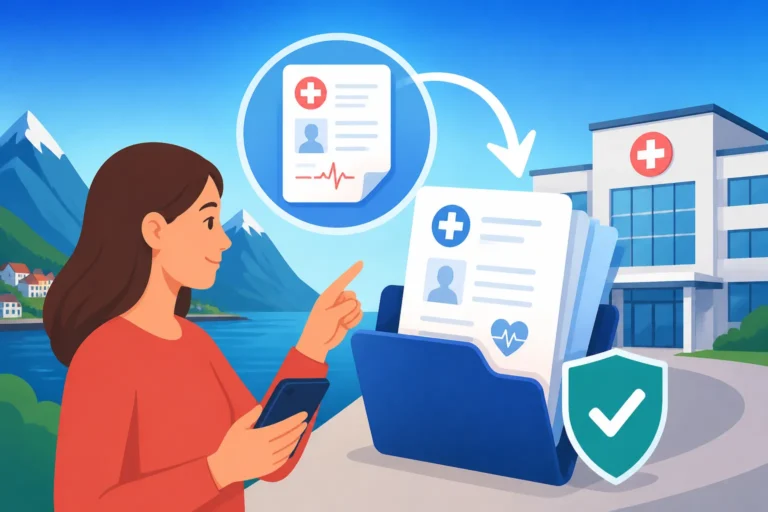
Healthcare in Stavanger: Expat Guide to Rogaland Medical Facilities
Arriving in Stavanger as an expat often feels like being thrown into a beautiful, rain-soaked puzzle, especially when you are hit with your first Norwegian winter cold. I remember wandering around Vågen during my first month, shivering and utterly confused about why I couldn’t just walk into a clinic for a quick prescription. This guide demystifies the medical infrastructure of Rogaland, ensuring you navigate the healthcare landscape of Stavanger with total confidence.
Navigating the Stavanger Healthcare Landscape
The healthcare system in Rogaland, much like the rest of Norway, is built on a foundation of public equity, but for a newcomer, it can feel incredibly bureaucratic. In Stavanger, the system is divided between the primary care provided by your local GP and the specialized care offered by the massive Stavanger University Hospital (SUS). Understanding this distinction is the first step toward avoiding a very expensive or very long day at the wrong facility.
The Fastlege Scheme and Primary Care in Rogaland
The cornerstone of your life in Stavanger will be your "Fastlege" or regular GP. Once you are officially registered in the National Registry and have received your birth number (fødselsnummer), you are entitled to a doctor. I remember the frustration of checking the Helsenorge portal every morning, hoping a doctor in the Stavanger city center would have an open slot. Many expats in the Forus or Hinna Park areas find that the local clinics are often full, requiring a bit of a commute to suburbs like Madla or Randaberg.
Your GP is the gatekeeper. Whether you have a persistent cough or need a mental health consultation, you must start here. The Fastlege Scheme: Navigating Norway’s GP System is designed to provide continuity of care, but as a foreigner, you might find the "wait and see" approach of Norwegian doctors a bit jarring. It is not uncommon to be told to go home, rest, and take paracetamol for symptoms that might have earned you an antibiotic prescription in your home country.
Registration and the Helsenorge Portal
Everything in Stavanger’s medical world runs through the Helsenorge portal. This is where you book appointments, renew prescriptions, and view your medical records. However, there is a catch: you need a high-level BankID to log in. In those first few months before your BankID is finalized, navigating Healthcare in Norway for Expats: How the System Works (2027) can be a logistical nightmare. You will often have to call clinics directly, which can be intimidating if you haven't mastered "Rogalandsk" (the local dialect) yet, though luckily, almost every medical professional in Stavanger speaks excellent English.
If you are a digital nomad or a short-term contractor who hasn't yet received a permanent ID number, you may find yourself in a grey area. This is where having a plan from SafetyWing can be a literal lifesaver, as it provides coverage while you are still waiting for the wheels of the Norwegian bureaucracy to turn. Without a D-number or F-number, the public system is difficult to access for anything other than life-threatening emergencies.
Private Medical Clinics in Stavanger
Because the waiting lists for certain public services in Rogaland can be long, many expats turn to private clinics. Facilities like Aleris in Hinna Park or Dr.Dropin in the city center offer a more "on-demand" experience. You pay a significantly higher fee out of pocket, but you can often get an appointment on the same day. For those who want the peace of mind of comprehensive global coverage that includes private facilities, Cigna Global is a frequent choice for the international oil and gas community in Stavanger. These private providers are excellent for quick consultations, but remember they still must refer you to the public hospital for major surgeries or specialized chronic care.
Emergency Care and the Legevakt in Rogaland
One of the most common mistakes I see expats make is showing up at the hospital emergency room for a non-life-threatening issue. In Stavanger, the hospital (SUS) is for "113" emergencies—think heart attacks or major trauma. For everything else that happens outside of office hours, you go to the "Legevakt."
When to Call 113 vs 116 117
If you are in a life-threatening situation anywhere in the Stavanger region, you dial 113. The response time in the city is impressive, and the paramedics are highly trained. However, if your child has a high fever at 10:00 PM on a Saturday, you call 116 117. This is the national number for the Legevakten (116 117): When and How to Use the Out-of-Hours Service.
When you call, a nurse will triage you over the phone. Be prepared to wait. They prioritize based on severity, not arrival time. It is a lesson in patience that every Stavanger expat eventually learns. If you find the public emergency wait times untenable, some private providers offer video consultations, though for physical injuries, the Legevakt remains your primary destination.
Locations and Access in Stavanger and Sandnes
The main Stavanger Legevakt is located at Armauer Hansens vei 30, right next to the hospital. If you live further south in Sandnes, there is a separate Legevakt located at Brannestasjonsveien 2. These facilities are incredibly busy during the winter months when the "flu season" hits the coast.
It is also worth noting that the "triage" system is strict. If the nurse on the phone thinks your issue can wait until your GP opens on Monday, they will tell you so. This can feel dismissive when you’re in pain, but it is how the system manages the high volume of patients in the Rogaland region. For newcomers who aren't yet in the system, having a policy with SafetyWing can help cover the costs of these emergency visits if you aren't yet a member of the National Insurance Scheme.
| Facility Type | Location | Best For | Access |
|---|---|---|---|
| Stavanger University Hospital (SUS) | Våland, Stavanger | Life-threatening emergencies, surgery | Call 113 or GP Referral |
| Stavanger Legevakt | Armauer Hansens vei 30 | Urgent care outside GP hours | Call 116 117 first |
| Aleris Private Hospital | Hinna Park | Fast specialist access, MRI, Scans | Private Pay / Insurance |
| Sandnes Legevakt | Brannstasjonsveien 2 | Urgent care for Sandnes residents | Call 116 117 first |
| Helsestasjon | Various (e.g., Sentrum, Hillevåg) | Child checkups and vaccinations | Appointment only |
Specialized Care and Hospitals in the Region
Stavanger is currently in the middle of a massive healthcare transition. The old hospital at Våland is iconic but aging, and a brand-new, state-of-the-art Stavanger University Hospital is being constructed at Ullandhaug, near the University of Stavanger.
Stavanger University Hospital (SUS)
SUS is one of the largest employers in the region and serves as the primary specialist hub for all of Rogaland. If your GP suspects something that requires a specialist's eye—be it a cardiologist, an oncologist, or a dermatologist—they will send a referral to SUS. This is where many expats encounter the "waiting list" reality of Norwegian healthcare. Depending on the urgency, you might wait weeks or even months for an outpatient appointment.
The care at SUS is world-class, but the administrative side can be opaque. You will receive letters in the mail (or on Helsenorge) with your appointment times. If you miss one, you will be charged a "no-show" fee, even if you have reached your annual limit for the Healthcare Budgeting: The Frikort Exemption Card and User Fees.
Private Specialist Alternatives
For those who don't want to wait for the public referral system, Stavanger has a robust private specialist market. Places like Volvat or Aleris allow you to bypass the GP referral for certain things, like a physical therapist or a private gynecologist. Many international workers find that their employer-provided Cigna Global insurance covers these private visits, allowing them to see a specialist in days rather than months. This is particularly helpful for orthopedic issues or skin conditions that are uncomfortable but not considered "urgent" by public health standards.
Dental, Mental Health, and Pharmacies
In Norway, healthcare is subsidized, but dental care for adults is almost entirely private. This is often the biggest "sticker shock" for expats moving to Stavanger.
Finding an English-Speaking Dentist
Dentistry in Stavanger is high-quality but expensive. Most dentists in the city center, such as those at Stavanger Tannlegesenter, are very accustomed to working with the expat community. If you are under 18, dental care is free in the public system, and there are subsidies for young adults, but for the average working expat, you will be paying full price. It is wise for new arrivals to budget specifically for this, as a simple cleaning and checkup can easily run you 1,500 NOK or more. For more details on costs, you can look into Dental Care in Norway: Costs, Subsidies, and Finding a Dentist.
Mental Health Support in Stavanger
Accessing mental health care in the public system (DPS) can be challenging in Rogaland due to high demand. You generally need a referral from your GP, and the threshold for acceptance can be high. Many expats find it more effective to seek out private psychologists or therapists who specialize in "expat transition" issues. There is a growing community of English-speaking therapists in Stavanger who understand the unique stresses of living away from home, particularly during the dark, rainy winters.
Pharmacy (Apotek) Culture
Pharmacies in Stavanger are plentiful—you will see the "Apotek 1" or "Vitusapotek" signs everywhere from the Stavanger Stasjon to the Tasta Senter. However, the rules for medication are strict. Many medications that are over-the-counter in the US or UK require a prescription here. Even strong ibuprofen often requires a chat with the pharmacist.
If your doctor gives you a "Blue Prescription," the government covers most of the cost for chronic conditions. A "White Prescription" means you pay the full amount. Make sure your doctor has entered your prescription electronically; you just show your ID at the counter, and they pull it up on their screen. It is a remarkably efficient system once you are integrated into it.
Maternal and Child Health in Stavanger
If you are moving to Stavanger with a family or planning to start one, you are in for a treat. The maternal and child health system is, in my opinion, the absolute crown jewel of the Norwegian state.
The Helsestasjon System
Every neighborhood in Stavanger, from Storhaug to Hundvåg, has a "Helsestasjon." This is a clinic dedicated to pregnant women and children aged 0-5. Once you move to your neighborhood, you should contact your local Helsestasjon to register your children. They handle all vaccinations, developmental checkups, and even offer "parenting groups" which are a fantastic way to meet other local parents. The service is entirely free and the midwives and nurses are exceptionally supportive.
Giving Birth at SUS
The maternity ward at Stavanger University Hospital (Fødeavdelingen) is highly regarded. The Norwegian approach to childbirth is very natural-focused, but all medical interventions are available if needed. One thing that surprises many expats is the "Fødeloftet" at SUS, which is a midwife-led unit for low-risk births.
For the prenatal journey, you will likely alternate between your GP and a midwife at the Helsestasjon. This Maternity Care in Norway: Prenatal Appointments, Scans, and Midwives guide provides a deeper look into what to expect, but rest assured that in Stavanger, you are in very safe hands. Most midwives speak perfect English and are very sensitive to the fact that you might be giving birth far away from your own family's support network.
Financials and Practicalities
While the system is "public," it is not entirely free. There is a co-pay system that every resident must navigate.
Egenandel and the Frikort
Every time you visit a GP or a specialist in the public system, you pay an "Egenandel" or user fee. In 2026, these fees usually range from 160 to 380 NOK per visit. These small payments add up, but once you hit the annual limit, you receive a "Frikort" (exemption card). After this, all public medical care for the rest of the calendar year is free.
You can track your progress toward this limit on the Helsenorge app. It is worth checking User Fees (Egenandel) for Doctor Visits Before Reaching Frikort Status to understand exactly which services count toward the limit, as things like dental work and certain bandages do not.
Insurance for Expats
While the Healthcare Budgeting: The Frikort Exemption Card and User Fees system is great for long-term residents, the initial gap when you first arrive in Stavanger is real. If you are here on a Skilled Worker visa, you are covered from day one, but proving that to a doctor without a birth number is difficult.
This is why many of us kept a "bridge" policy. SafetyWing is a common choice for its flexibility, especially for those who might be traveling back and forth between Norway and their home country. For those who want permanent, premium access to private hospitals like Aleris without waiting for the public system, Cigna Global offers the kind of comprehensive coverage that many corporate expats find necessary for their peace of mind.
Healthcare in Stavanger: A Final Note for Newcomers
Living in Stavanger means accepting a different rhythm of care. It is a system that values equality and necessity over luxury and speed. You might find the lack of "preventative" blood tests or the difficulty in getting a specialist referral frustrating at first. However, once you are in the system, the quality of care is high, and the financial burden is capped in a way that is incredibly liberating compared to many other countries. Take the time to set up your BankID, register with a GP early, and don't be afraid to ask for an interpreter if the Rogaland dialect becomes a barrier to your health.
Disclaimer
The information provided in this guide is for educational and informational purposes only and does not constitute professional medical or legal advice. While every effort has been made to ensure the accuracy of the information regarding the Norwegian healthcare system as of 2026, regulations and fees are subject to change by the Norwegian authorities. Always consult with a qualified healthcare provider or the official Helsenorge website for specific medical concerns or current policy updates. Your reliance on any information provided in this article is solely at your own risk.