Everyday Cost of Living: Supermarket Prices (Kiwi, Rema 1000, Meny)
Moving to Norway, you quickly learn that while the breathtaking fjords and crisp air are free, almost everything else comes with a price tag that can make your eyes water. Especially groceries! The sticker shock at the supermarket checkout is a rite of passage for every newcomer, transforming simple weekly shopping into a complex strategic mission. This guide is here to demystify the everyday cost of living when it comes to filling your fridge and pantry, comparing Norway's main supermarket chains like Kiwi, Rema 1000, and Meny, and equipping you with the insider tips to keep your budget (and sanity) intact.
The Realities of Norwegian Supermarket Sticker Shock
Let's be brutally honest: grocery shopping in Norway is expensive. You've heard it, you've read it, but experiencing it firsthand is a different beast entirely. That innocent-looking trolley can quickly accumulate items that add up to a sum that feels astronomical compared to what you might be used to back home. This isn't just a perception; it's a cold, hard fact rooted in Norway's high wages, taxes, and unique agricultural landscape.
Why Your Grocery Bill Feels So High
There are several contributing factors to Norway's notoriously high food prices. Firstly, Norway has robust import tariffs on many food products, particularly those that can be produced domestically, even if in limited quantities. This is designed to protect local farmers, which is great for national food security but less so for your wallet. Secondly, the general cost of labor in Norway is among the highest in the world, and this permeates every stage of the food chain, from farming and processing to transportation and retail. Every employee, from the farmer to the cashier, earns a good living, and that cost is naturally passed on to the consumer. Thirdly, the relatively small population spread across a vast and often challenging geography means distribution costs can be higher. This is especially true for smaller towns and rural areas where specialized logistics are needed.
For many expats, the initial grocery run can be genuinely disheartening. You might pick up a few essentials – some bread, milk, cheese, and a piece of meat – and suddenly you're looking at 300-400 NOK (around 30-40 EUR/USD, depending on the exchange rate) without even trying to buy anything fancy. It’s not uncommon to feel a pang of longing for the bargain bins and endless choices of supermarkets in your home country. This initial frustration is completely valid, and it’s something every expat grapples with, but rest assured, there are ways to navigate this.
Common Expat Frustrations at the Checkout
Beyond the sheer cost, expats often face specific frustrations. One is the limited selection compared to larger, more diverse markets. While Norwegian supermarkets offer excellent quality produce, the variety can feel constrained, especially for international ingredients. Finding specific spices, obscure vegetables, or even certain cuts of meat can be a quest. Another frustration is the "Norwegian-sized" packaging. Many products, especially meat and dairy, come in smaller portions than what some might be used to, meaning you might need to buy multiple packs, further inflating the cost.
Then there's the language barrier, particularly when deciphering labels for unfamiliar products or ingredients. While many popular brands have English translations, store-brand items or local specialties might only be in Norwegian, leading to some interesting (and occasionally regrettable) culinary experiments. And let's not forget the strict alcohol laws – that spontaneous bottle of wine to go with dinner? Not from the supermarket shelf, my friend! You'll need a trip to the Vinmonopolet, Norway's state-run alcohol monopoly, adding another layer to your shopping routine and budget. Learning about the various rules around this is essential, as covered in topics like Alcohol Laws in Norway: Opening Hours for Beer and Vinmonopolet.
Navigating Norway's Main Supermarket Chains
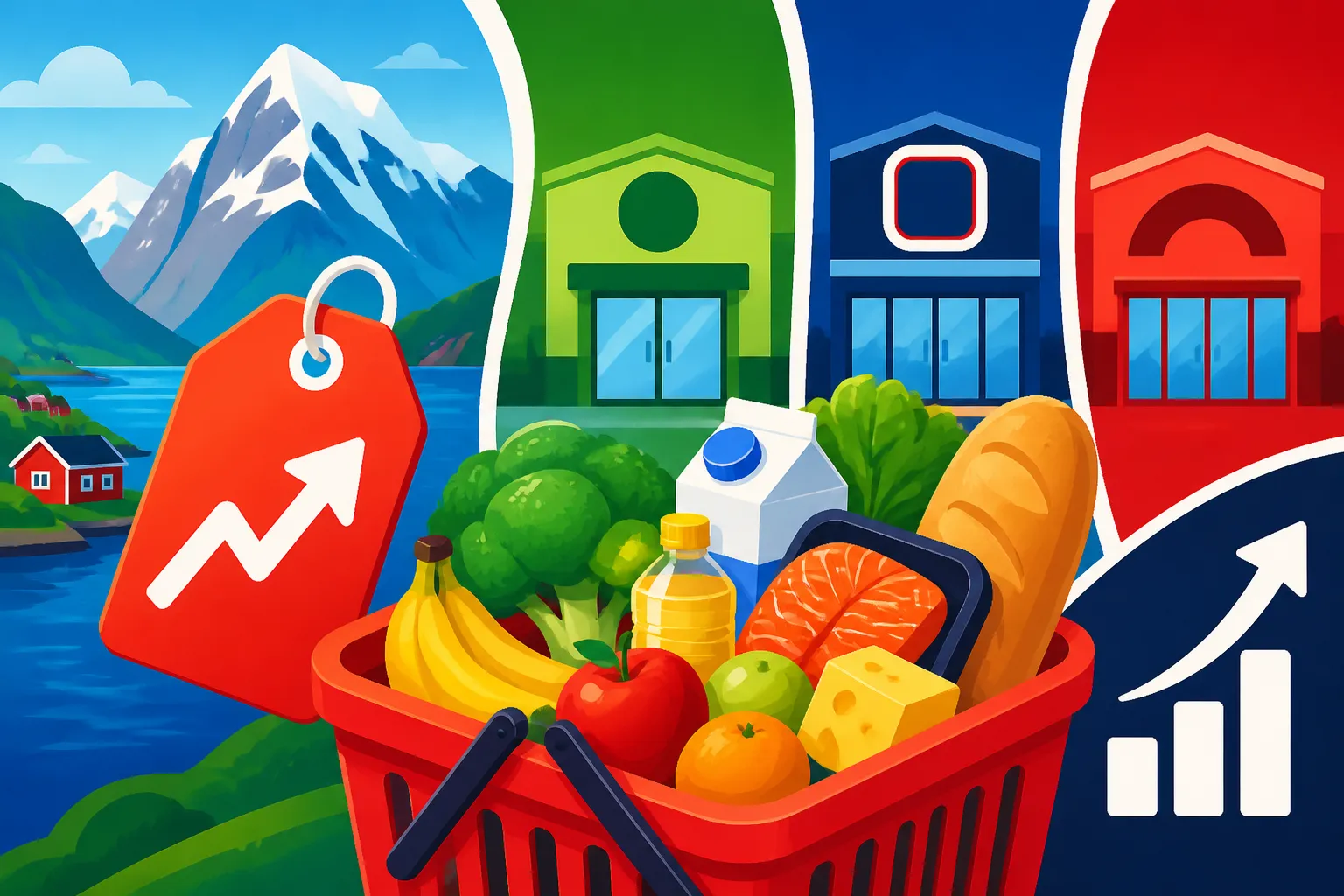
Norway's grocery market is dominated by a few major players, each with its own niche, pricing strategy, and customer base. Understanding these differences is key to optimizing your shopping and finding the best value. The "Big Three" you'll encounter most often are Kiwi, Rema 1000, and Meny.
Kiwi: The Budget-Friendly Green Giant
Kiwi is perhaps the most ubiquitous and generally considered the most budget-friendly of the larger chains. Their philosophy is "lavpris" (low price), and they achieve this by focusing on efficiency, a more limited product range (compared to Meny, for example), and a strong emphasis on their own-brand products. You'll recognize them by their distinct green branding.
- Pros: Consistently low prices on everyday essentials, a wide selection of their "First Price" (første pris) brand items, and convenient store locations, often found in residential areas. They also have the "KiwiPluss" loyalty program, which offers 15% cashback on all fresh fruits and vegetables, and 1% on all other goods if you are a member and use their app or registered bank card. This is fantastic if you consume a lot of produce, which, let’s be honest, you should be doing!
- Cons: The shopping experience can feel a bit basic. Aisles might be narrower, and the atmosphere less curated. The selection of specialty items or international foods is generally quite limited. If you're looking for something specific or gourmet, Kiwi might not be your first stop.
- Target Shopper: Anyone on a tight budget, families, students, and those prioritizing value over variety. If you're diligently tracking your Cost of Living in Norway 2026: Budgeting for Singles and Families, Kiwi will likely be your best friend.
Rema 1000: The Local Champion with a Low-Price Promise
Rema 1000 is another major player in the "lavpris" segment, often competing directly with Kiwi on price. Their slogan, "Enkelt og Billig" (Simple and Cheap), perfectly encapsulates their approach. Rema 1000 distinguishes itself by focusing on a "1000 varelinjer" (1000 product lines) strategy, meaning they aim to stock the most popular and essential items efficiently. Many stores are franchised, giving them a more local, community-focused feel in some areas.
- Pros: Very competitive pricing, especially on their own-brand "Rema 1000" products which are often excellent quality for the price. They have a loyalty app called "Æ" which gives you an automatic 10% discount on your 10 most frequently purchased items each month, and various other rotating offers. This can lead to significant savings on your regulars.
- Cons: Similar to Kiwi, the selection for niche or international products can be sparse. The store layouts can vary, and some older stores might feel a bit cramped. Sometimes, their aggressive pricing means they might be out of stock on certain popular items.
- Target Shopper: Value-conscious shoppers looking for reliable quality at a good price, and those who benefit from the personalized discounts offered by the Æ app. It's a solid choice for consistent weekly shopping.
Meny: The Premium Choice for Food Enthusiasts
Meny sits at the opposite end of the spectrum. It's an upscale supermarket chain, renowned for its wide selection, fresh produce, and a focus on quality, specialty, and international ingredients. Think of it as the place you go when you're planning a special meal or just want to treat yourself to something a bit extra.
- Pros: Extensive range of products, including many imported goods, organic options, and a fantastic fresh counter for meat, fish, and cheese. They often have in-store butchers, bakeries, and knowledgeable staff. The shopping environment is generally more pleasant, with wider aisles and attractive displays. Their "Trumf" loyalty program (shared with Kiwi, but with different benefits at Meny) offers personalized discounts and weekly deals.
- Cons: Significantly higher prices than Kiwi or Rema 1000. While they have sales, a full grocery cart at Meny will almost always cost more. It's not a sustainable option for daily budget shopping for most expats, unless you have a very generous income or specific needs.
- Target Shopper: Foodies, those looking for specific international ingredients, people planning dinner parties, or those who don't mind paying a premium for quality and variety. It's a great place to explore Norwegian deli items or find that special ingredient, but probably not for your everyday milk and bread run.
Strategies for Saving Money on Groceries
Given the high prices, developing smart shopping habits is crucial for managing your budget in Norway. It's not just about picking the cheapest store; it's about being strategic.
Embracing Loyalty Programs and Discount Apps
Joining loyalty programs is perhaps the single most effective way to cut down your grocery bill. As mentioned, KiwiPluss offers 15% cashback on fresh fruit and veg, and the Rema 1000 "Æ" app provides 10% off your top 10 items. These aren't insignificant savings over the course of a month or year.
- KiwiPluss (NorgesGruppen's Trumf Program): Sign up for Trumf and link your bank card. Every time you pay with that card, your purchases at Kiwi (and other NorgesGruppen stores like Spar, Joker, Meny) are registered. At Kiwi, this unlocks the fruit and vegetable discount and 1% Trumf bonus on other items. You accumulate Trumf bonus points, which you can later convert to cash in your bank account, use as payment in stores, or donate.
- Æ (Rema 1000): Download the Æ app and register your bank card. The app automatically tracks your purchases and applies discounts at the checkout. It intelligently identifies your 10 most frequent purchases and gives you 10% off those items, plus other weekly personalized offers. You don't have to activate coupons; it just works.
- Meny (NorgesGruppen's Trumf Program): While it uses Trumf, Meny’s specific offers are usually different from Kiwi’s, focusing more on quality items, specific product categories, or seasonal goods. Keep an eye on the weekly ads for special deals.
Mastering Own-Brand Products and Weekly Flyers
Every supermarket chain has its own brand of products, and these are almost always significantly cheaper than national brands.
- Kiwi: Look for "First Price" (første pris) products. From canned goods to dairy and frozen items, these are your go-to for basic staples.
- Rema 1000: Their "Rema 1000" branded items cover a vast range and are known for good quality-to-price ratio.
- Coop: Coop has several tiers, from Coop Extra (budget) to Coop Mega (larger selection). Their own brands include "Coop" and "Xtra."
- Generality: Don't be shy about trying these store brands. Often, they are produced by the same manufacturers as the more expensive brands but are simply packaged differently. It's a great way to save money without sacrificing too much on quality.
Furthermore, religiously checking the weekly flyers (kundeblader) online or in print is a habit many Norwegians swear by. Stores often have rotating "tilbud" (offers) on popular items. If you plan your meals around what's on sale, you can significantly reduce your bill. For example, if chicken breasts are 30% off this week, stock up and freeze some for later.
Meal Planning and "Matpakke" Culture
One of the cornerstones of Norwegian budgeting is efficient meal planning and embracing the "matpakke" (packed lunch) culture. Eating out in Norway is exceptionally expensive, even for a simple lunch. A coffee and a sandwich at a cafe can easily set you back 100-150 NOK.
- Meal Planning: Dedicate some time each week to plan your dinners and lunches. This helps you create a shopping list and stick to it, avoiding impulse purchases. Knowing exactly what you need also reduces food waste, which is another form of saving.
- Matpakke: Forget elaborate bento boxes. The traditional Norwegian matpakke is simple: usually a few slices of bread (brødskiver) with toppings like cheese, ham, or kaviar (fish roe paste). Pack a piece of fruit or a vegetable stick, and you have a perfectly respectable and incredibly cost-effective lunch. This contrasts sharply with the costs associated with Eating Out in Norway. This habit alone can save you thousands of Kroner each month. Many workplaces even have communal kitchens where you can prepare or heat your matpakke.
Another wise move is to think about how you manage your money generally in Norway. For instance, when transferring money internationally to cover your living expenses or sending money home, services like Wise (formerly TransferWise) can save you a significant amount compared to traditional bank transfers. They offer competitive exchange rates and transparent fees, which can add up to real savings on your overall budget.
Beyond the Big Three: Other Shopping Options
While Kiwi, Rema 1000, and Meny cover the bulk of Norwegian grocery shopping, there are other avenues worth exploring, especially if you have specific dietary needs, cultural preferences, or are simply looking for variety.
Ethnic Markets and Specialty Stores
For those craving ingredients from home or just a broader culinary palette, ethnic markets are a godsend. These can be found in larger cities like Oslo, Bergen, and Trondheim.
- Asian Markets: Stores like A-Food Market or Sagene Asian Market in Oslo, or various smaller Asian shops, offer an extensive range of spices, sauces, fresh produce (often cheaper than mainstream supermarkets for certain items), noodles, rice, and frozen goods. They're indispensable for anyone regularly cooking Asian cuisine.
- Middle Eastern/African Stores: You'll find a good selection of halal meats, specific vegetables, flatbreads, pulses, and spices at these shops. The prices for staple items like rice, lentils, and certain vegetables can often be more competitive here.
- Specialty Stores: For high-quality cheeses, cured meats, or specific baked goods, you might seek out smaller, independent delis or bakeries. While often pricier, they offer a level of quality and authenticity not found in regular supermarkets. Some larger Meny stores do try to replicate this, but a dedicated specialty shop often has more depth.
These stores are fantastic for adding diversity to your diet and can sometimes surprise you with better prices on specific items, but they are not typically for your entire weekly shop. They complement your main supermarket visits rather than replacing them.
Online Grocery Shopping and Delivery
Online grocery shopping has grown significantly in Norway, offering convenience, especially for those in urban areas or with busy schedules.
- Oda (formerly Kolonial.no): This is Norway's largest online-only grocery store. Oda offers a wide selection, including products from various mainstream brands and their own labels. They deliver directly to your door, and their prices are generally competitive with Rema 1000 and Kiwi. It's a great option for saving time and avoiding impulse buys. They have a user-friendly app and website.
- Meny.no and Coop.no: Many physical supermarket chains now offer online ordering and home delivery or "click and collect" services. Meny.no is particularly popular for its wide selection, though expect Meny-level prices. Coop.no provides similar services for their various store formats.
- Benefits: Online shopping allows for precise budgeting, easy comparison of prices, and the convenience of having heavy items delivered. It can also help you stick to a list and avoid the temptation of unplanned purchases.
- Considerations: Delivery fees apply, and you need to book delivery slots in advance, which can fill up quickly during peak times. Ensure your address is within their delivery zone.
Farmers Markets and Local Produce
While not as prevalent or deeply ingrained as in some other countries, farmers' markets (bondens marked) do exist in Norway, particularly in larger cities during warmer months.
- Freshness and Quality: These markets are excellent for finding seasonal, locally grown produce directly from the farmers. The quality is usually exceptional.
- Pricing: Don't expect bargain-bin prices. Farmers' markets in Norway often have prices comparable to (or sometimes even higher than) premium supermarkets due to the focus on small-scale, often organic, and local production. However, for certain items in season, you might find good deals.
- Community Experience: It's a lovely way to experience local culture, support small businesses, and connect with producers. Keep an eye out for local announcements in your area to find out when and where these markets are held.
Understanding Norwegian Food Culture and Its Impact on Your Wallet
Food in Norway isn't just about sustenance; it's deeply intertwined with culture, tradition, and social norms. Understanding these aspects can help you navigate not only your grocery budget but also your social integration.
The Sacred "Matpakke" and the Weekday Meal
We've touched on the matpakke, but its cultural significance cannot be overstated. It's not just a frugal choice; it's a social norm. Most Norwegians bring their own lunch to work or school, often consisting of simple open-faced sandwiches. Hot lunches are rare outside of specific institutions like some barnehager (daycares) or dedicated work canteens.
- Weekday Dinners: Weekday dinners tend to be practical and relatively quick to prepare. Dishes like meatballs (kjøttkaker), fish cakes (fiskekaker), or simple pasta dishes are common. Large, elaborate meals are generally reserved for weekends or special occasions. This practicality is born partly out of efficiency and partly from the historical context of busy working lives.
- Impact on Budget: Embracing this simplicity for weekdays will dramatically reduce your food expenses. Focusing on home-cooked meals using basic, reasonably priced ingredients bought at Kiwi or Rema 1000 will be far more economical than relying on takeout or ready meals. Learning to cook some traditional Norwegian dishes can also be a fun way to integrate!
Eating Out vs. Cooking at Home
The difference in cost between cooking at home and eating out in Norway is staggering. A meal at a modest restaurant can easily cost 250-400 NOK per person, excluding drinks. A pizza can be 200-300 NOK. Even fast food is pricey compared to many other countries.
- Special Occasions: Eating out is generally reserved for special occasions, social gatherings, or as a treat. It’s not an everyday affair for most Norwegians. If you’re used to frequently dining out, this will be a significant adjustment to your budget.
- Coffee Culture: While sit-down meals are expensive, coffee culture is strong. Grabbing a coffee from a cafe is a common indulgence, though still more expensive than making it at home. Many cafes offer student discounts, so it's worth asking if you're eligible.
- Home Entertaining: Because eating out is so costly, home entertaining is very popular. Inviting friends over for dinner or a "kveldsmat" (evening meal, often lighter) is a common way to socialize. This is also where you might splurge a bit at a Meny, or an ethnic store to create a memorable meal.
Budgeting for Your Basket: Integrating Grocery Costs into Your Overall Financial Plan
Managing grocery expenses isn't just about smart shopping; it's about fitting it into your broader financial picture in Norway. Considering that the overall Cost of Living in Norway 2026 is high, every Kroner counts.
Tracking Expenses and Setting Realistic Limits
The first step to effective budgeting is knowing where your money goes. Use a budgeting app, a spreadsheet, or even just a notebook to track your grocery spending for a month. You'll likely be surprised by the total.
- Budgeting Apps: There are many personal finance apps available that integrate with Norwegian banks, or you can use generic ones like YNAB (You Need A Budget) or Mint. Alternatively, your Norwegian bank's online platform (nettbank) might have a budgeting feature.
- Realistic Limits: Once you have a clear picture, set a realistic weekly or monthly grocery budget. For a single person living modestly, 3,000-4,500 NOK per month (around 300-450 EUR/USD) on groceries is a common range, but this can vary wildly based on diet, location, and shopping habits. Families will naturally spend more. Don't forget that your overall financial planning, including your Taxes for Expats obligations, will also impact your disposable income.
Utilizing Financial Tools and Services
Beyond managing daily spending, expats often need to think about how their larger financial flows impact their grocery budget.
- International Money Transfers: If you're receiving income from abroad or sending money home, services like Wise can significantly reduce fees and improve exchange rates compared to traditional banks. This means more Kroner in your pocket for groceries and other living expenses.
- BankID and Online Banking: For managing your finances, paying bills (eFaktura is your friend!), and checking your budget, a reliable digital identity like BankID is essential. It streamlines almost all online transactions, making it easier to track and control your spending. Learning about BankID Explained: Norway's Digital Identity System and Expat Challenges is a must.
- Understanding User Fees and Frikort: While not directly grocery-related, understanding the healthcare system's user fees (egenandel) and how the Frikort exemption card works is crucial for your overall financial health. Unexpected medical costs can quickly eat into your grocery budget if you're not prepared, as detailed in Healthcare Budgeting: The Frikort Exemption Card and User Fees.
Making Smart Choices for a Sustainable Budget
Ultimately, a sustainable grocery budget in Norway comes down to consistent smart choices.
- Seasonal Eating: Embrace seasonal fruits and vegetables, which are often fresher and more affordable. Root vegetables like potatoes, carrots, and kålrabi (swede) are staples and generally good value.
- Less Meat, More Legumes/Fish: Meat, especially beef and lamb, is very expensive. Consider reducing your meat consumption, opting for cheaper cuts, or incorporating more plant-based meals. Fish, particularly salmon, can be more affordable given Norway's coastal heritage, though still not cheap. Lentils, beans, and chickpeas are excellent, budget-friendly protein sources.
- Limit Impulse Buys: Those tempting displays at the checkout? Walk past them. Stick to your list.
- Make Coffee at Home: Invest in a good coffee maker and bring your own thermos. The savings are substantial over time.
- Take Advantage of Sales: Don't just browse; actively seek out deals, especially on non-perishable items or things you can freeze.
- Avoid Food Waste: Plan portion sizes, use leftovers, and properly store food to extend its life. Food waste is literally throwing money away.
| Supermarket Chain | Price Level | Key Strengths | Loyalty Program/App | Ideal For |
|---|---|---|---|---|
| Kiwi | Low | Everyday essentials, fresh produce deals, widespread | KiwiPluss (Trumf) | Budget-conscious shoppers, families |
| Rema 1000 | Low | Competitive pricing, good quality own-brand products | Æ App | Value for money, personalized discounts |
| Meny | High | Wide selection, specialty items, fresh counters | Trumf | Gourmet shopping, special occasions, unique ingredients |
| Coop Extra | Low-Medium | Good balance of price and selection | Coop Member App | General shopping, good balance |
| Coop Mega | Medium-High | Broader selection than Extra, similar to larger Rema/Kiwi | Coop Member App | Larger weekly shops, more variety |
This table provides a quick overview, but remember that prices can fluctuate, and specific deals will always vary week to week. Make sure you check out your local stores and their current offers!
Disclaimer
The information provided in this guide is intended for general informational purposes only and does not constitute financial or legal advice. While we strive to keep the information up-to-date and accurate, prices, regulations, and services in Norway can change rapidly. Always verify current details with official sources such as Skatteetaten (the Norwegian Tax Administration), UDI (the Norwegian Directorate of Immigration), or relevant service providers. Your personal financial situation and needs may vary.