Cabin Culture (Hyttekultur): Etiquette When Invited to a Norwegian Cabin
So, you’ve finally gotten that coveted invitation to a Norwegian hytte – a cabin. Maybe it's from a colleague, a new friend, or even your partner’s family. You're probably picturing cozy evenings by the fire, stunning fjords, and maybe even a bit of cross-country skiing. And while all of that is certainly part of the magic, the unspoken rules and unique expectations of Norwegian cabin culture, or hyttekultur, can be a total minefield for us expats. This guide is here to help you navigate those social currents, ensure you're a welcome guest, and truly enjoy this quintessential Norwegian experience without accidentally committing a major cultural faux pas.
Understanding the Hyttekultur Mindset: What is a Norwegian Cabin?
For many of us who grew up outside Norway, the word "cabin" might conjure images of rustic simplicity, perhaps even a bit of luxury with modern amenities nestled in nature. In Norway, however, a hytte often represents something far more fundamental and, dare I say, almost sacred. It's not just a second home; it's a philosophy, a way of life, and a deeply ingrained cultural institution that values simplicity, self-reliance, and connection to nature. This isn't your average weekend getaway; it's an intentional disconnect from urban comforts.
Simplicity and Nature: The Core Philosophy
When Norwegians talk about their hytte, they're often talking about a place where modern conveniences are intentionally left behind. Many cabins, especially older ones or those deeper in the mountains, don't have running water. This means you might be fetching water from a well or a nearby stream, or relying on stored water. Toilets could be a utedo (outhouse) or a composting toilet, not a flush system. Electricity might be limited to a few solar panels, a gas lamp, or even just candles. Don't expect blazing Wi-Fi or even reliable cell service; that’s often the whole point. This deliberate lack of modern amenities forces a slower pace of life, a greater appreciation for basic comforts, and a direct engagement with the natural environment.
For an expat, this can be quite a shock. You might arrive expecting something akin to a holiday rental you'd find on a site like Spotahome, only to discover a glorified shed with a bed. But here's the kicker: this simplicity is cherished. It's about stripping away distractions, embracing the quiet, and focusing on the company and the surrounding landscape. The feeling of gathering around a wood-burning stove after a day in the snow, or sharing a simple meal cooked on a gas burner, becomes incredibly profound when you've worked for it.
More Than Just a Building: A Place of Tradition
Hyttekultur is also steeped in tradition. It's where families have gone for generations, where childhood memories are made, and where many Norwegians feel most at home. These cabins are often filled with inherited furniture, old books, and a general air of history. They are not showpieces; they are lived-in, loved, and functional spaces. This means that when you are invited, you're not just a guest in someone's holiday home, but an honorary participant in a very personal and often multi-generational tradition. Your hosts are sharing a piece of their identity with you, and that carries a significant unspoken weight of respect and reciprocal appreciation.
This mindset also extends to the activities. You won't find many Norwegians lounging around watching TV at the hytte – if there even is a TV! Instead, the focus is on outdoor activities like skiing, hiking (remember to read up on your rights under Allemannsretten: Where Can You Legally Pitch a Tent in Norway?), fishing, or simply enjoying the view. Inside, it's about reading, playing board games, talking, and enjoying good food and drink. It's a detox from screens and schedules, a chance to truly unwind and reconnect.
The Unspoken Rules of Cabin Etiquette: Being a Gracious Guest
Being a guest in a Norwegian hytte comes with a specific set of unwritten rules. These aren't meant to make you feel uncomfortable, but rather to ensure everyone contributes and the shared experience remains enjoyable and harmonious. From what you bring to how you behave, understanding these nuances will make you a truly appreciated visitor.
Don't Come Empty-Handed: Contribution is Key
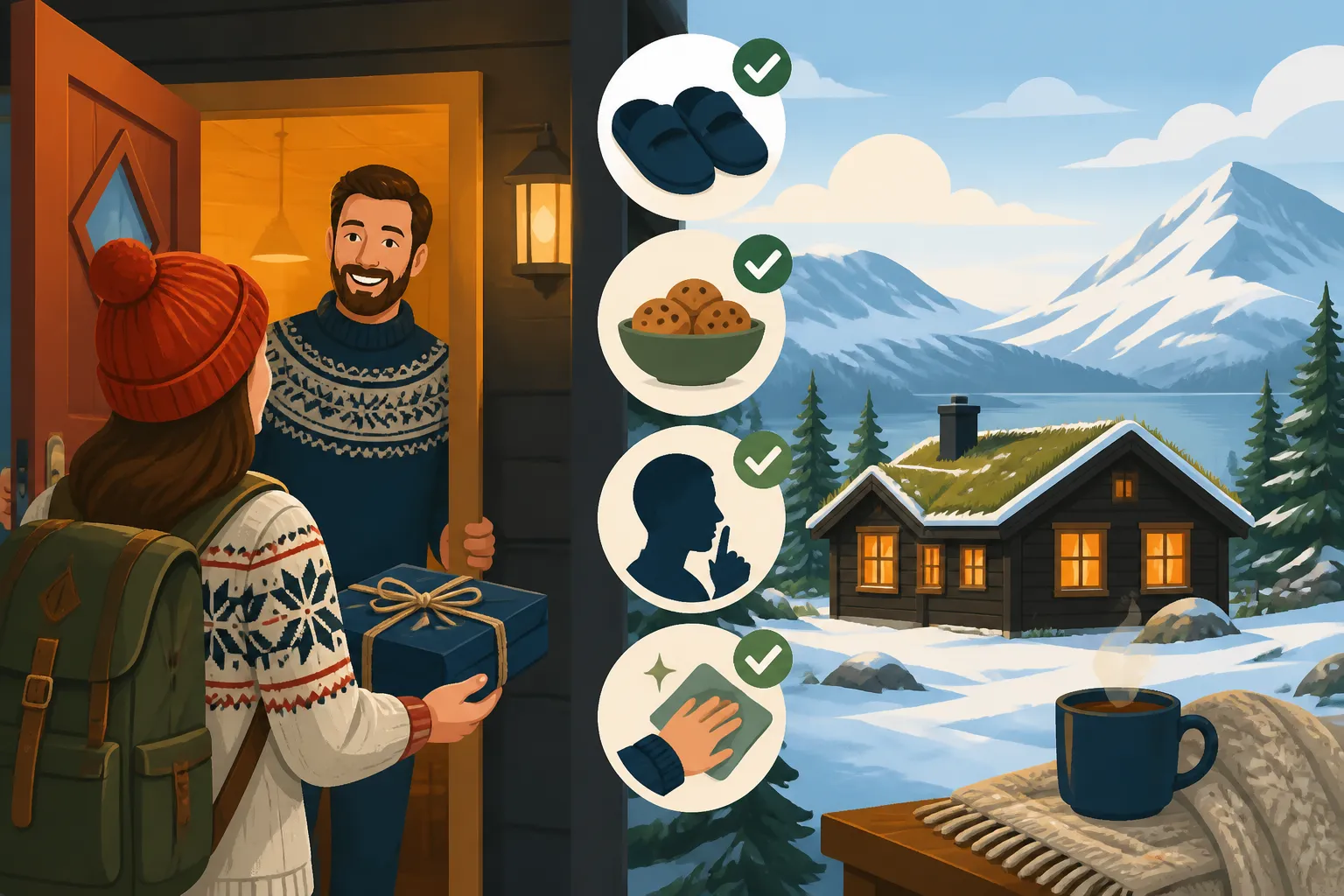
This is perhaps the golden rule of hyttekultur. You absolutely, positively, must not show up empty-handed. Unlike some cultures where the host provides everything, Norwegians expect guests to contribute. This can take many forms:
- Food and Drink: Offer to bring a substantial part of the groceries for a meal or two, or contribute snacks, coffee, or something for dessert. If you're staying for a weekend, suggesting you cover one dinner, from ingredients to cooking, is a fantastic idea. Remember that alcohol can be pricey and is only sold at Vinmonopolet, so plan your purchases accordingly. It might be wise to check out Buying Alcohol in Norway: Vinmonopolet Prices and Budgets before you go.
- Firewood: If the cabin relies on a wood-burning stove for heating, bringing a bundle of firewood is always appreciated, especially during the colder months (a good tip when thinking about Firewood in Norway: Where to Buy It and How to Store It).
- Other Supplies: Think about what might be needed – candles, toilet paper, cleaning supplies, or even a board game.
- Money: If you're unsure what to bring, a polite offer to chip in for groceries or other shared costs is always a safe bet. Your hosts will often try to refuse, but insist gently.
It’s about being proactive. Ask your host a few days before, "What can I bring? What groceries do you need me to pick up?" This shows you're thinking ahead and are ready to contribute. Never assume your hosts will cover everything; that's just not the Norwegian way, particularly at the hytte.
Embrace the "No Shoes Inside" Rule
This might seem obvious to some, but it’s a non-negotiable in virtually all Norwegian homes, and especially cabins. When you enter the hytte, take off your outdoor shoes immediately. Many Norwegians bring innesko (indoor shoes) or slippers, and it's a good idea for you to do the same, particularly if the floors are cold. Walking around in your socks or bare feet is also perfectly acceptable. The goal is to keep the cabin clean and cozy, especially since many cabins have limited cleaning resources and the snow or mud from outside can be quite messy. This small gesture demonstrates respect for your host's home and their efforts to maintain it.
Participate in the Chores and Cleaning (Utvask)
The concept of dugnad (voluntary community work) extends to the cabin. You are not there to be served; you are there to be part of the shared experience, which includes contributing to the upkeep. This means actively offering to help with chores like:
- Cooking and Washing Up: Don't wait to be asked. Jump in to help prepare meals, set the table, and wash dishes afterward. Even if there's a dishwasher, offer to load or unload it.
- Fetching Water/Chopping Wood: If the cabin lacks running water or relies on a wood stove, these are essential tasks. Offer to help fetch water, carry it inside, or chop/stack wood.
- Cleaning Up: Before you leave, a thorough utvask (final cleaning) is expected. This isn't just for rented cabins; it's a general rule. Offer to help vacuum, sweep, clean surfaces, empty trash, and make sure everything is tidy. The cabin should be left as clean, or cleaner, than when you arrived. This level of tidiness is similar to what's expected when moving out of a rental, as discussed in our guide on Moving Out Checklist: Cleaning Standards Utvask and Deposit Return.
Your hosts might downplay the need for help, but persist gently. "Is there anything I can do to help?" is a phrase you should use frequently. Your willingness to get your hands dirty and be a part of the effort will be genuinely appreciated.
Practical Preparations for Your Cabin Getaway
Going to a Norwegian hytte isn't like checking into a hotel. It requires a bit of forethought and preparation to ensure you’re comfortable and well-equipped for the unique environment.
Dress for the Occasion: Layers are Your Friend
Norwegian weather is famously unpredictable, and cabins are often in areas where temperatures can drop significantly, especially in winter. Layering is not just a suggestion; it's a survival strategy. Think wool, wool, and more wool. A good base layer, a mid-layer, and a wind/waterproof outer layer will serve you well. Don't forget a hat, gloves, and warm socks. Even in summer, evenings can be chilly, so bring a warm sweater. For an in-depth look at staying warm, consult Surviving the Norwegian Winter: Clothing, Heating, and Mørketid Dark Season.
Here’s a quick packing checklist:
| Item Type | Essential Items | Notes |
|---|---|---|
| Clothing | Wool base layers (top & bottom) | Synthetic alternatives are okay, but wool is king. |
| Warm mid-layers (fleece/wool sweater) | Bring multiple. | |
| Waterproof/windproof outer jacket and pants | Essential for outdoor activities. | |
| Warm hat, gloves/mittens, scarf | Critical for cold weather. | |
| Wool socks (multiple pairs) | Keep feet warm and dry. | |
| Indoor slippers/thick socks (innesko) | For warmth and hygiene inside the cabin. | |
| Comfortable casual clothes for inside | Something cozy to relax in. | |
| Footwear | Waterproof hiking boots/winter boots | Suitable for snow, mud, or uneven terrain. |
| Personal Items | Toiletries (biodegradable if possible) | Especially if no running water/outhouse. |
| Medications (plus any over-the-counter needs) | Pharmacies might be far. | |
| Headlamp or flashlight (with extra batteries) | Essential if limited/no electricity. | |
| Portable charger/power bank | For phone (if signal exists) or other small electronics. | |
| Food/Drink | Contribution items (as discussed above) | Ask your host specifically what to bring. |
| Snacks, coffee, tea bags, special treats | Always welcome. | |
| Entertainment | Books, magazines, board games, card games | Embrace the digital detox. |
| Miscellaneous | Small backpack for day trips | For water, snacks, extra layers during hikes. |
| Sunscreen/sunglasses (even in winter) | Sun reflection off snow can be intense. | |
| Small first-aid kit | For minor scrapes or headaches. |
Communication and Connectivity: Be Realistic
Before you go, confirm the level of connectivity. Ask if there's Wi-Fi or even decent cell signal. Many cabins are in dead zones, and your phone might just be a camera or an emergency device. If you rely on mobile data and plan to explore more remote areas, consider getting a local eSIM for better coverage, perhaps from a provider like Airalo, but even then, don't expect miracles deep in the wilderness. Be prepared for a digital detox and embrace it. Let people who need to reach you know that you might be offline for a few days. The beauty of the hytte is precisely this disconnection.
Furthermore, if you are driving to the cabin, be aware of the specific challenges of Norwegian roads, especially outside major cities. This includes narrow roads, steep inclines, and in winter, icy conditions. Make sure your vehicle is equipped with appropriate winter tires (Piggdekk vs Piggfrie: Legal Dates and Rules) and that you understand the risks, such as encountering wildlife. It’s not uncommon to see a moose or deer on cabin roads, so brush up on What to Do If You Hit a Moose or Deer While Driving.
Beyond the Cabin Walls: Activities and Relaxation
A hytte trip isn't just about the cabin itself; it's about the entire experience of being in nature and enjoying downtime. Understanding how Norwegians spend their time there will help you make the most of your visit.
Embrace Friluftsliv: Outdoor Activities
Friluftsliv, the Norwegian philosophy of outdoor life, is central to hyttekultur. Be prepared to spend a significant amount of time outside, regardless of the weather. This could involve:
- Skiing: If it's winter, cross-country skiing is almost mandatory. Your hosts will likely have skis, or you can rent them in nearby towns.
- Hiking: In warmer months, expect walks or hikes. The terrain can vary from gentle forest paths to challenging mountain trails.
- Fishing/Boating: If the cabin is by a lake or sea, fishing or rowing a small boat might be on the agenda.
- Foraging: Depending on the season, berry picking (blueberries, lingonberries) or mushroom hunting can be popular activities.
Even if you’re not particularly outdoorsy, make an effort to participate. This is a core part of the experience and a great way to bond with your hosts. They'll appreciate your willingness to try new things and engage with their traditions.
The Art of Kos and Relaxation
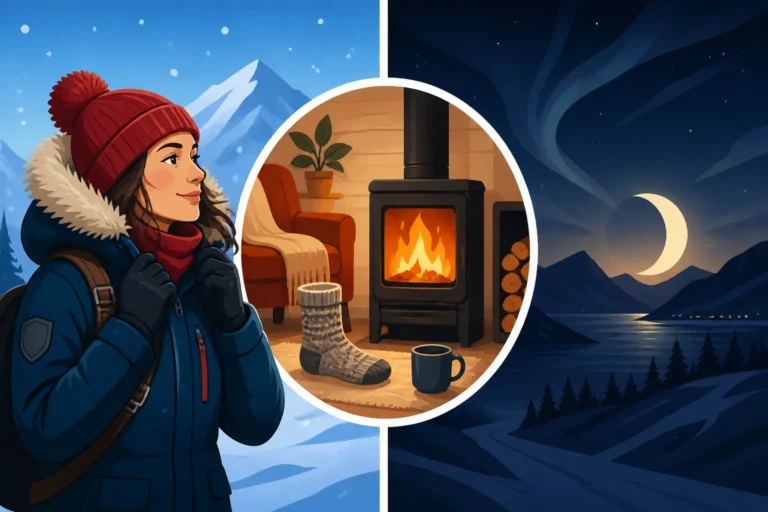
While there's a strong emphasis on activity, there's also a profound appreciation for kos – a uniquely Norwegian concept of coziness, comfort, and well-being. After a day outdoors, settling down in the hytte is where kos truly shines. This involves:
- Warmth: Lighting the fire in the peis (fireplace) or vedovn (wood-burning stove) is central to creating a koselig atmosphere.
- Simple Pleasures: Enjoying good food, playing board games, reading, listening to the radio, or simply chatting. There’s no pressure for elaborate entertainment.
- Candlelight: Many cabins use candles extensively to create a soft, inviting glow, especially where electricity is limited.
- Good Company: Kos is often about sharing these simple pleasures with loved ones.
It’s about slowing down, savoring the moment, and finding joy in the small things. Don't be afraid of silence; it's often part of the koselig vibe. Put away your phone, lean into the quiet, and just be. For an expat still navigating the complexities of life in Norway, these moments of shared kos can be some of the most genuine and rewarding experiences, truly making you feel a part of things, even if just for a weekend.
Disclaimer
Please remember that this guide offers general advice for navigating Norwegian cabin culture. While we strive to provide accurate and up-to-date information, individual situations, cabin traditions, and host expectations can vary widely. It is always best to communicate openly with your hosts about specific arrangements, expectations, and any concerns you may have before your trip. Enjoy your hytte experience!