Cycling in Norway: Helmet Laws and Winter Bike Tires
Cycling in Norway is an incredible way to experience the country's stunning landscapes and embrace the outdoor lifestyle, but for many expats, the rules and seasonal challenges can be a bit of a mystery, leading to unexpected fines or uncomfortable rides. This guide will cut through the confusion, offering a realistic look at Norwegian cycling regulations, especially concerning helmets and winter tires, and equip you with the knowledge to cycle safely and confidently, all year round.
Navigating Norway's Cycling Culture and Legalities
When you first arrive in Norway, you'll quickly notice that bikes are more than just a hobby here; they're a legitimate mode of transport, and the infrastructure in many cities reflects that. However, unlike some other countries with strong cycling cultures, Norway has its own unique blend of laws, expectations, and unspoken rules. It's not just about getting from A to B; it's about being prepared for the elements and respecting shared spaces, a learning curve many of us expats face head-on, sometimes literally!
One of the first things you'll realize is that while Norwegians love their bikes, the traffic situation, especially in larger cities like Oslo, can sometimes feel a bit chaotic, particularly where bike lanes merge or disappear. Pedestrians often share paths with cyclists, and drivers aren't always as attentive as you might hope. So, understanding the core legal framework isn't just bureaucratic red tape; it's about ensuring your personal safety.
Helmet Laws: What You Must Know
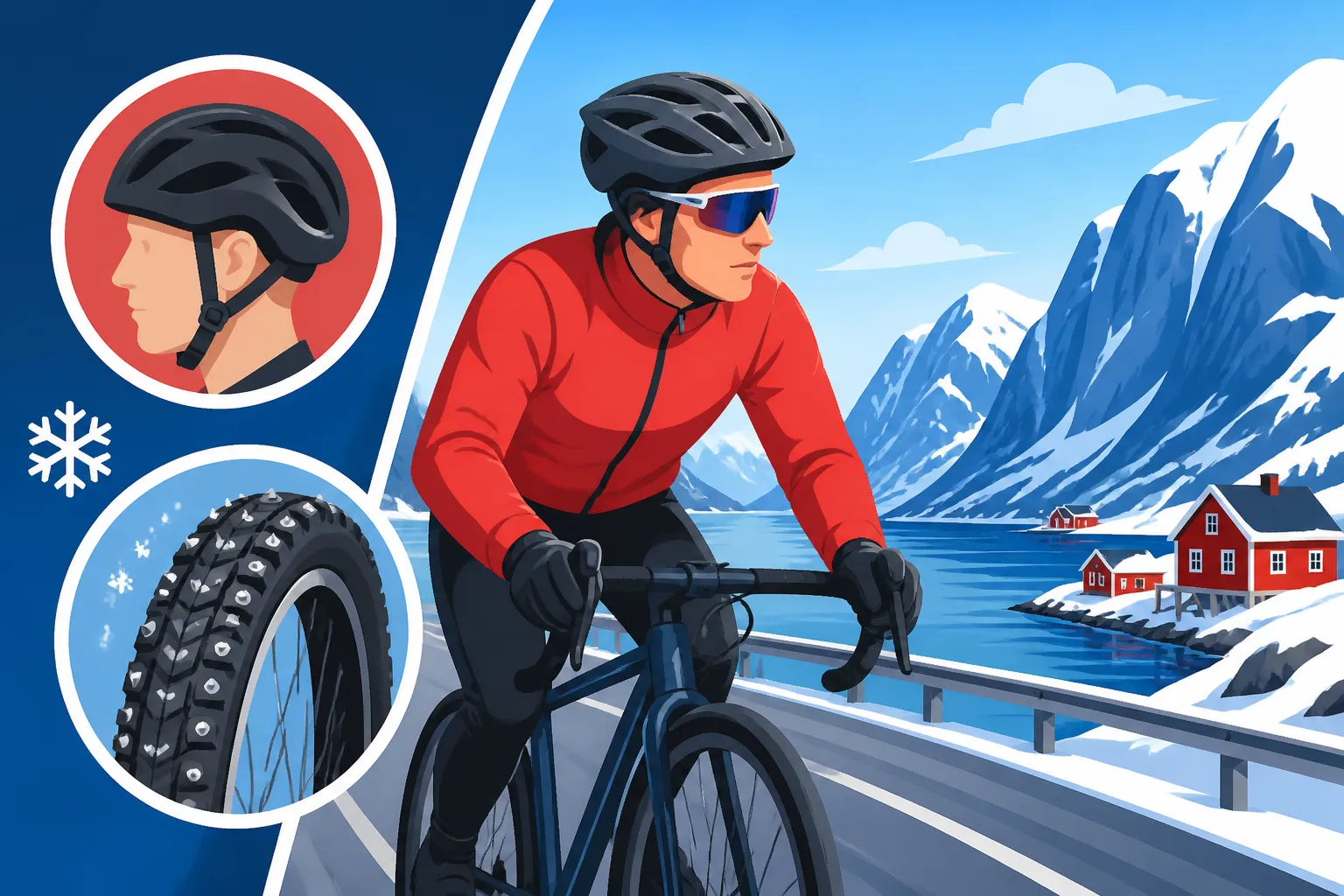
Let's get straight to it: there is no mandatory helmet law for adult cyclists in Norway. I know, surprising right? Especially considering how safety-conscious Norway generally is. You'll see plenty of adults cycling without helmets, but you'll also see many who choose to wear one. For children under 15, however, wearing a helmet is strongly recommended, and often enforced by parents and schools, although it's not strictly a legal requirement with penalties for parents.
Despite the lack of a legal mandate for adults, most seasoned expats and locals alike will tell you that wearing a helmet is simply common sense. The roads can be icy, gravel can be loose, and accidents happen. I've had my share of tumbles on slick patches, and believe me, a helmet would have been a very welcome friend on more than one occasion. It's a personal choice, but one that could literally save your life or prevent a serious injury. Think about the costs of medical care, even with the public health system, and suddenly a helmet seems like a small investment. If you're wondering about healthcare in general, you might find our guide on Emergency Medical Care in Norway: 113, Legevakten, and Hospitals helpful.
Beyond personal safety, there’s also the aspect of insurance. While a helmet won’t prevent all injuries, it can sometimes influence discussions around culpability or injury compensation after an accident, especially if you were not wearing one. Some might argue that if you weren’t wearing a helmet, you weren’t taking reasonable precautions. It’s a murky area, but why risk it? Get yourself a comfortable, well-fitting helmet. It's also worth noting that if you combine cycling with other activities or plan to transport your bike on public transport, like using Public Transport in Oslo (Ruter): Zones, Tickets, and Monthly Passes, rules regarding luggage or specific bike carriages might apply, though helmets won't be explicitly mentioned.
Essential Gear Beyond the Helmet
So, you've decided on a helmet (smart choice!). But cycling in Norway, especially outside of the peak summer months, requires a bit more preparation. The weather here is famously unpredictable and can change rapidly, even during a single ride. I've started a ride in glorious sunshine only to be drenched by a sudden downpour, then frozen by a chilly wind, all within an hour. This isn't just inconvenient; it can be dangerous.
Visibility is paramount. By law, if you're cycling in the dark or in poor visibility, your bike must have white or yellow lights at the front, and red lights at the back. Reflectors are also a must: a white one at the front, red at the back, and yellow or white on the pedals. Many Norwegian bikes come equipped with these, but if you're bringing your own or buying second-hand, double-check. Don't cheap out on lights – especially in the long, dark winters. Flashing lights are generally permitted, but make sure they're bright enough to actually be seen. Investing in reflective clothing is also highly recommended. There are vests, jackets, and even reflective strips for your shoes that can make a huge difference. You'll often see Norwegians decked out in highly visible gear, and they do it for a reason.
Dress for the weather, always. This means layers. In autumn and winter, wool underwear is non-negotiable, as Norwegians will vehemently tell you. Seriously, if you want to know Wool Underwear (Ullundertøy): Why Norwegians Insist You Wear It, just try cycling without it in November. Waterproof and windproof outer layers are crucial, as are good gloves and shoe covers. Your extremities will get cold fast. When you're trying to figure out Where to Buy Affordable Winter Clothing in Norway, consider sports stores or even larger department stores that have good outdoor sections. It's an investment, but one that makes cycling year-round possible and even enjoyable.
Conquering Winter: Your Guide to Norwegian Winter Cycling
Winter cycling in Norway is an experience unlike any other. The crisp air, the glistening snow, the quiet roads – it can be magical. But let's be realistic: it's also challenging, occasionally terrifying, and demands respect. The sheer exhilaration of gliding through fresh snow on your bike can quickly turn into a bone-jarring slide on black ice if you're not properly equipped. I've been there, picking myself up from a hidden ice patch, wishing I'd paid more attention to my tires. It’s not just about enduring; it’s about thriving, and that starts with your tires.
The biggest hurdle for year-round cycling is dealing with snow and, more importantly, ice. Municipalities do their best to clear paths, but they can't be everywhere, and temperatures fluctuate, leading to thaw-freeze cycles that create treacherous conditions. Without the right tires, your winter cycling season will be short-lived, or worse, end with a trip to Legevakten (116 117): When and How to Use the Out-of-Hours Service.
Choosing the Right Winter Bike Tires Piggdekk vs Piggfrie
This is probably the single most important decision for winter cyclists in Norway. Just like cars need specialized tires, so do bikes. You essentially have two main options: studded tires (piggdekk) or non-studded winter tires (piggfrie). Our comprehensive guide on Winter Tires (Piggdekk vs Piggfrie): Legal Dates and Rules gives a great overview for cars, and many of the principles apply to bikes too.
Studded Tires (Piggdekk): These are the gold standard for grip on ice and packed snow. They have small metal studs embedded in the rubber, providing crucial traction.
- Pros: Unbeatable grip on ice, vastly improved stability on slush and packed snow. They provide a sense of security that non-studded tires simply can't match when conditions are really bad.
- Cons: They are slower on clear, dry asphalt, creating more rolling resistance and a noticeable humming sound. They can wear down faster if you ride exclusively on clear roads. They are also heavier and generally more expensive.
- When to use them: When temperatures consistently hover around freezing, and there's a real risk of ice, black ice, or packed snow. Typically, this means from late October/early November until March/April, depending on where in Norway you live. In some northern areas, they might be necessary even earlier or later.
Non-Studded Winter Tires (Piggfrie): These tires are made with softer rubber compounds and have deeper tread patterns designed to grip snow and cold asphalt better than regular summer tires.
- Pros: Better rolling resistance than studded tires on clear roads, quieter, and lighter. They offer significantly better grip than summer tires in cold, wet conditions.
- Cons: Provide very little grip on ice. If you hit black ice with these, you're going down. They are a compromise.
- When to use them: If you mostly ride in areas where roads are consistently well-cleared, and you primarily encounter wet or snowy (but not icy) conditions. These are a good option for transition periods when it’s cold but not yet consistently icy, or if you live in a milder coastal area with less extreme freezing.
My personal advice, honed by years of precarious rides, is to invest in a good set of studded tires if you plan to cycle through the heart of winter. The peace of mind alone is worth the investment. You can often find them at local bike shops (e.g., Sykkelpikene, XXL, Biltema) or online retailers. Look for reputable brands like Schwalbe or Continental.
Adapting Your Riding Style for Ice and Snow
Getting the right tires is half the battle; the other half is learning to ride defensively and adaptively to winter conditions. This isn't just cycling; it's a subtle dance with physics and the elements.
Slow down, seriously. Your reaction time needs to be increased, and stopping distances are much longer on slippery surfaces. Don't rush, even if you're running late. A slower commute is better than an unplanned trip to the emergency room.
Smoothness is key. Avoid sudden braking, sharp turns, or abrupt changes in direction. Brake gently, using both brakes (but favouring the rear more on really slick surfaces to avoid front wheel lock-up). Lean less into turns and try to keep your weight centered and balanced. Think of yourself as a graceful (or at least stable) penguin on two wheels.
Anticipate the unknown. Shaded areas, bridges, and underpasses are prime spots for black ice, even if the rest of the road looks clear. Keep an eye out for snowdrifts, slush build-up, and gravel that might have been spread for traction but can be slippery itself. Pedestrian crossings can be compacted and icy from foot traffic. When approaching these areas, lift your weight slightly off the seat to make your body a shock absorber and be ready to dab a foot down if you start to slip.
Dress appropriately for the cold, as mentioned before. When you're out there, battling the cold wind and navigating icy patches, the last thing you want is numb fingers or toes. Proper winter cycling attire, from base layers to waterproof outer shells, makes a huge difference. Consider high-quality gloves, insulated boots, and a good buff or balaclava to protect your face and neck. If you also walk a lot, you might consider Using Ice Spikes (Brodders) on Your Shoes for Winter Commutes for when you’re off the bike.
Maintenance and Practicalities for All Seasons
Cycling in Norway isn't just about the ride; it's about the entire ecosystem of owning and maintaining a bike in a country that asks a lot from its equipment. The conditions, especially in winter, are harsh, and they take a toll on your bike. Ignoring maintenance will inevitably lead to breakdowns, rusted parts, and a generally miserable cycling experience. I've learned this the hard way, spending too many cold evenings trying to fix a frozen gear cable.
Bike Maintenance in Harsh Conditions
Norwegian weather is tough on bikes. Salt, slush, rain, and grit can wreak havoc on moving parts. Regular cleaning and lubrication are absolutely vital if you want your bike to last more than a season or two.
Clean your bike often: Especially in winter. The salt used on roads to melt ice is highly corrosive. After a ride on salty roads, rinse your bike thoroughly with fresh water, paying attention to the drivetrain (chain, cassette, derailleurs) and brakes. A quick spray from a garden hose can do wonders, but avoid high-pressure washers, which can force water into bearings.
Lubricate your chain: A clean, well-lubricated chain lasts longer and shifts smoother. Use a wet lube in wet conditions, as it’s more durable, but be prepared for it to attract more dirt. In drier, colder conditions, a dry lube might be better, but it needs more frequent application.
Check your brakes and gears: Cables can freeze, and brake pads wear down faster in wet and gritty conditions. Ensure your brakes are responsive and your gear shifts are smooth. If you notice any issues, address them promptly. Rust on cables is a common winter problem.
Inspect for wear and tear: Tires can get punctures more easily from winter grit. Look for cracks, cuts, or worn-down tread. Check your wheel spokes for looseness, and ensure your quick releases are secure. It's also a good idea to bring your bike to a professional workshop for a service once a year, particularly after the winter season, to have them check components you might miss. Regular maintenance might seem like an extra Cost of Living in Norway 2026: Budgeting for Singles and Families expense, but it saves you money and hassle in the long run.
Finding Your Way: Navigation and Apps
Navigating Norway by bike can be a joy, with dedicated bike paths in many urban areas and stunning scenic routes in the countryside. But sometimes, especially as an expat, you might need a little digital help to find your way around or to check conditions.
Google Maps is your friend, but with caveats. It often has a "cycling" option that can suggest bike-friendly routes. However, these aren't always perfect, especially in terms of elevation (Norway has a lot of hills!) or the current condition of unpaved paths. What looks like a pleasant gravel track on a sunny day can be a muddy mess after rain or an icy nightmare in winter.
Dedicated cycling apps: Apps like Komoot or Strava are popular among cyclists. They offer detailed mapping, elevation profiles, and the ability to discover routes shared by other users. This can be fantastic for finding local trails or planning longer tours. You can also use them to track your rides and connect with the local cycling community. For real-time public transport information if you decide to combine cycling with other modes, apps like Ruter (for Oslo and Akershus) or Vy (for national trains) are indispensable. For those who also drive, getting familiar with road conditions and even Driving in Norway: Licenses, Winter Driving, and Electric Vehicles (EVs) could be useful for understanding shared road etiquette.
Offline maps are essential. Phone battery life can suffer in the cold, and mobile reception can be spotty in remote areas (of which Norway has many!). Always download maps for your route beforehand, or carry a physical map as a backup. There’s nothing worse than being lost in the wilderness with a dead phone, trust me.
Always let someone know your route if you're venturing into less populated areas, and consider carrying a portable power bank for your phone, especially on longer winter rides.
| Feature / Consideration | Summer Cycling (Standard Bike) | Winter Cycling (Piggdekk) |
|---|---|---|
| Helmet Law | Not mandatory for adults, recommended for children | Not mandatory for adults, recommended for children |
| Tires | Standard road/hybrid tires | Studded (Piggdekk) recommended for ice/snow |
| Visibility | Lights/reflectors for dark/poor visibility (legal requirement) | Lights/reflectors, high-visibility clothing (essential due to long dark periods) |
| Clothing | Layers for varying temperatures, rain jacket | Warm, windproof, waterproof layers; wool underwear, gloves, balaclava |
| Road Conditions | Paved roads, gravel paths, generally dry | Ice, snow, slush, gravel; black ice common in shaded areas |
| Maintenance | Regular cleaning & lubrication | Frequent cleaning (especially for salt), more robust lubrication, regular checks |
| Speed | Normal to fast | Slower, cautious, smooth riding advised |
| Braking | Standard braking, avoid sudden stops | Gentle, anticipatory braking; use both brakes evenly |
| Safety Concerns | Traffic, pedestrian interaction | Ice, snow, traffic, limited daylight, very cold temperatures |
Disclaimer
The information provided in this guide is for general informational purposes only and does not constitute legal or professional advice. While we strive to keep the content up-to-date and accurate, laws and regulations in Norway can change. Always consult official sources, such as the Norwegian Public Roads Administration (Statens vegvesen) or local municipal authorities, for the most current and specific information. Cycling involves inherent risks, and personal safety should always be your top priority.