Posten Customs Clearance Fees: Receiving Packages from Outside Europe
Ah, the infamous Posten customs clearance fees! If you've been living in Norway for any length of time, or even just planning your move, you've probably heard the whispers, or perhaps experienced the shock firsthand: that innocent-looking package from outside Europe suddenly comes with a hefty extra bill. It's a common expat frustration, a rite of passage almost, to feel the sting of unexpected import charges. This guide is here to unravel the mystery, explain why these fees exist, how to deal with them, and perhaps even how to avoid some of the nastier surprises, so you can receive your goodies without the financial headache.
The Basics of Customs Clearance in Norway: Why the Extra Fees?
Let’s be honest, nothing quite prepares you for the sticker shock when your long-awaited parcel from back home, or that unique item you ordered online, lands in Norway and is suddenly demanding an additional sum of money. You might think, "I already paid for this, and shipping too!" But Norway, like many countries, has its own set of rules when it comes to importing goods, and these rules often involve taxes and duties. It's not just Posten being difficult; they're simply acting as the designated gatekeeper for the Norwegian customs authority, Tolletaten.
Understanding Norwegian Import Regulations and the "Low Value" Exemption (VOEC)
The core of the issue often boils down to two main components: Value Added Tax (VAT), known as moms in Norway, and customs duties (toll).
The standard VAT rate in Norway is a whopping 25% on most goods. This applies to almost everything you import. On top of that, certain goods, like clothing or food items, can also be subject to specific customs duties, though thankfully, many common items are exempt from toll if they're for personal use.
For a long time, there was a small exemption for goods under NOK 350 (including shipping). This meant you could buy small, inexpensive items from international stores without paying VAT or customs. However, this rule changed in 2020. Now, with the introduction of the VAT on E-commerce (VOEC) scheme, the idea is that foreign online stores should collect Norwegian VAT at the point of sale for goods priced under NOK 3,000. If a seller is registered under the VOEC scheme, they charge you the 25% moms directly when you check out, and you should receive your package without any additional Posten fees upon arrival. It’s designed to simplify things, making the price you see the final price.
But here’s where the frustration often kicks in: not all foreign sellers are registered for VOEC. Many smaller retailers, individual sellers, or even larger ones who haven't bothered with the Norwegian system, won't charge you moms upfront. When these parcels arrive in Norway, even if they're under NOK 3,000, Posten then steps in, calculates the VAT, and charges you the amount, plus their handling fee. It feels like double taxation if you weren't aware, or simply an unwelcome surprise. And don't even get me started on the "gift" parcels. While there is a gift exemption for items worth up to NOK 1,000 between private individuals, it's strictly enforced. If your "gift" from Amazon looks suspiciously like a new pair of headphones, or if the sender is clearly a commercial entity, Tolletaten will see right through it and charge you the full amount.
Posten's Role as Your Customs Agent and Their Service Fees
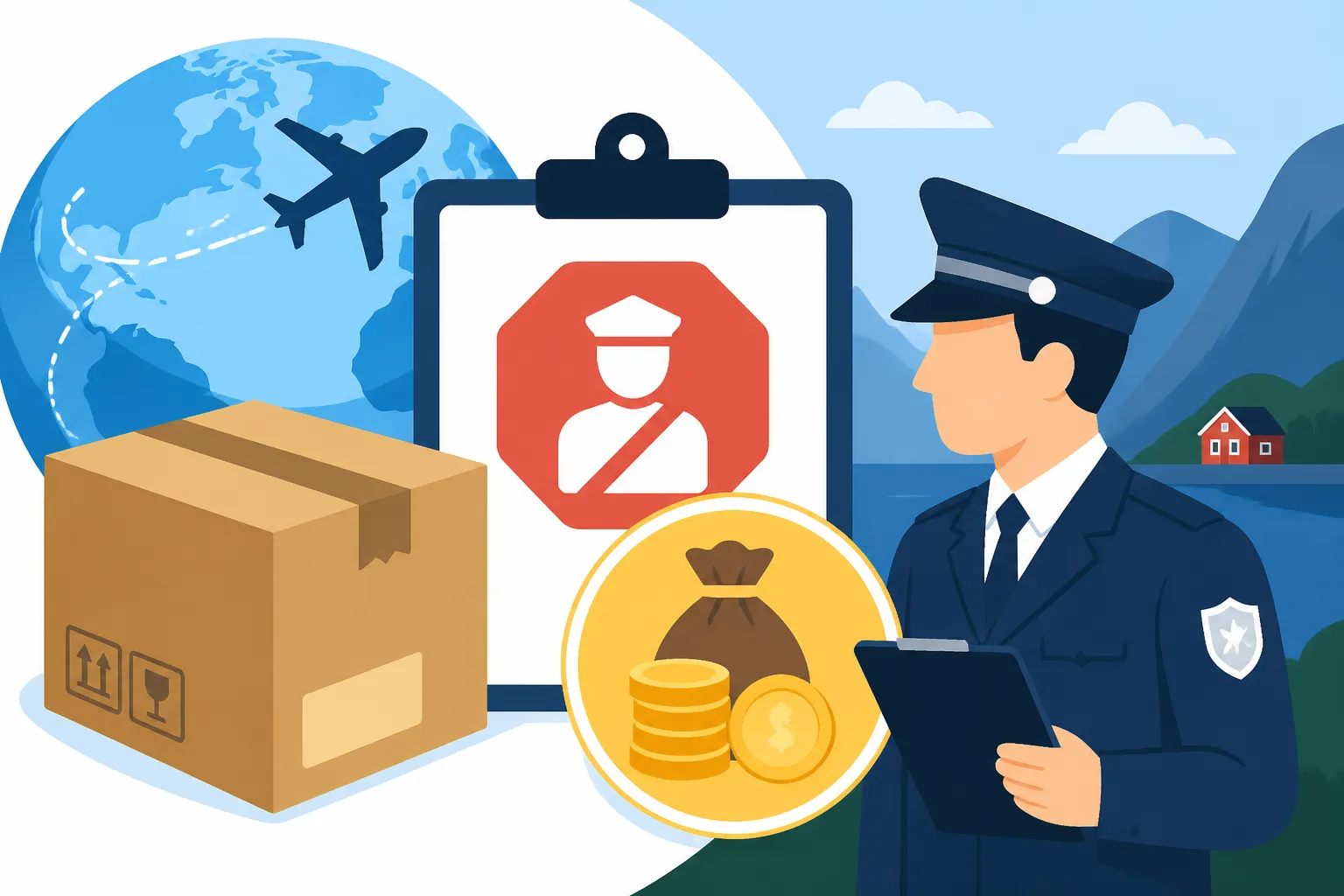
So, when your package arrives at the Norwegian border without the VAT already paid, someone needs to process it, right? That's where Posten (or any other courier like DHL, FedEx, UPS) steps in. They essentially act as your appointed customs agent, handling all the paperwork, declarations, and communication with Tolletaten on your behalf. This is a service, and like any service, it comes with a fee. This is often the most infuriating part for expats, as this "handling fee" can sometimes be as much as, or even more than, the actual VAT you owe on a low-value item.
Let's break down what you're typically paying for when you get that dreaded customs invoice from Posten:
- VAT (Moms): 25% of the item's value + shipping cost. This is non-negotiable and goes straight to the Norwegian state.
- Customs Duty (Toll): If applicable, this is an additional tax on specific goods, also going to the state. For most common personal items, this isn't usually an issue, but it's important to be aware of.
- Posten's Handling Fee (Fortollingsgebyr): This is Posten's charge for doing all the administrative work. The exact fee can vary depending on the value of the goods and whether they used simplified or full customs clearance procedures. As of my last check, these fees could range from around NOK 170 for low-value items to much higher for more complex or expensive shipments.
It's this handling fee that really grates on people. You ordered a small book for NOK 200, shipping was NOK 100, so total NOK 300. The VAT is 25% of NOK 300, which is NOK 75. But then Posten slaps on a NOK 170 handling fee. Suddenly, your NOK 300 book costs NOK 545! This is a completely common scenario, and it’s why many expats decide against ordering certain things from outside the EU/EEA, preferring to wait until they visit home or find local alternatives, even if it means slightly higher prices or fewer options. It’s a bitter pill to swallow, especially when you’re trying to settle in and just want that familiar comfort food or unique gadget from abroad.
How to Navigate and Pay Posten Customs Fees
So, the inevitable has happened: your package is being held, and you've received a notification about customs fees. Don't panic! It's a solvable problem, even if it’s an annoying one. The process itself is fairly streamlined once you know what to expect and where to look. Being proactive and understanding the communication channels is key.
The Notification Process: From Tracking to Payment Request
When your package lands in Norway and requires customs clearance, Posten will typically get in touch with you. This usually happens in one of a few ways:
- SMS Message: This is the most common method. You’ll receive a text message from "Posten" or a similar sender, informing you that your package is awaiting customs clearance and that fees need to be paid. The SMS will usually contain a link to Posten's payment portal or instruct you to log in to their website or app.
- Letter by Post: If Posten doesn't have your mobile number, or in some cases for specific types of shipments, they might send a physical letter to your registered address. This letter will contain the same information and instructions for payment.
- Posten App: If you have the Posten app (which is highly recommended for anyone living here), you’ll see the status update there, often with a direct link to pay the fees. This is a fantastic tool for tracking all your incoming parcels, especially when you're still getting settled in Norway and trying to manage other administrative tasks like setting up your Mobile Operators in Norway Telenor vs Telia and Budget Alternatives or your internet.
- Helsenorge: While primarily for healthcare, Helsenorge is a central portal for official digital communication in Norway. Sometimes, notifications regarding customs or other official matters can appear here if linked to your fødselsnummer or D-number. However, for Posten, their dedicated app and direct SMS are usually faster.
The crucial part is ensuring that the sender has your correct contact information and that you've correctly registered your address with the Postal Services Posten Redelivery, Customs, and Mailbox Names. If your name isn't on the mailbox, or if you've moved and haven't updated your address, your package might be returned or experience significant delays. This is especially true if you’re new to the country, maybe staying in temporary accommodation found via services like Spotahome, and your address isn’t fully sorted yet for official mail.
Step-by-Step Guide to Paying Your Customs Invoice
Once you've received notification, paying the fees is relatively straightforward. The goal is to get that parcel moving towards your door!
-
Access the Posten Payment Portal: Follow the link in the SMS, email, or log in to the Posten app or website. You'll typically need your tracking number and sometimes your date of birth or a form of identification. If you've just arrived and are still waiting for your fødselsnummer, this process can be tricky, as many Norwegian digital services are tied to it or a D-number. Ensure you understand the implications of D-Number vs Fødselsnummer How It Affects Your Banking Options.
-
Review the Invoice: On the portal, you’ll see a breakdown of the fees: the item's declared value, shipping costs, calculated VAT, potential customs duties, and Posten's handling fee. Make sure the declared value looks correct to you. If something seems drastically wrong (e.g., an item worth NOK 500 is declared at NOK 5000), you might need to dispute it (more on that later).
-
Choose Your Payment Method: Posten offers several payment options, typically including:
- Bank Card: Visa or Mastercard are widely accepted. This is usually the quickest and easiest way.
- Vipps: Norway's ubiquitous mobile payment app. If you have a Norwegian bank account and BankID, Vipps is incredibly convenient.
- Online Banking (Nettbank): You can often pay directly through your Norwegian bank’s online portal using the invoice details provided.
- Invoice via Email/Mail: Sometimes you can request a proper invoice to pay via traditional bank transfer, but this can delay the process.
-
Complete the Payment: Once paid, Posten will release your package for delivery. You’ll usually receive a confirmation, and your package tracking status will update to reflect that it’s on its way.
What happens if you don't pay? Ignoring the invoice isn't an option. Posten will hold your package for a limited time (usually 1-2 weeks). If you don't pay within this period, they'll often send a reminder, possibly with an additional late fee. If the fees remain unpaid, the package will eventually be sent back to the sender, and you could potentially be liable for return shipping costs as well. It's a lose-lose situation, so it's always best to deal with it promptly. Remember, prompt payment is much easier if you've already got your Banking in Norway How to Open an Account as a Foreigner sorted out.
Common Pitfalls and How to Avoid Surprising Customs Charges
No one likes a surprise bill, especially when you’re already trying to manage the Cost of Living in Norway 2026 Budgeting for Singles and Families. Understanding the nuances of Norwegian import rules and proactively managing your international purchases can save you a lot of headache and money. It’s all about being informed and communicating effectively, both with the seller and with the Norwegian authorities if something goes wrong.
Sender Responsibility: VOEC and Correct Declarations
The biggest influence on whether your package sails through customs or gets held up for fees often lies with the sender.
- Always ask about VOEC: If you're buying from an international online store (especially outside the EU/EEA) and the total value is under NOK 3,000, specifically ask if they are registered with the Norwegian VOEC scheme. If they are, great! The VAT should be included in your purchase price, and no extra fees from Posten. If they’re not, then be prepared for the extra charges or consider if the purchase is still worth it. Don't be afraid to send a polite email to the seller asking "Do you collect Norwegian VAT (moms) under the VOEC scheme for orders under 3000 NOK?"
- Accurate Customs Declarations: Emphasize to the sender the absolute importance of correctly filling out customs declarations. This includes:
- Accurate Item Description: Vague descriptions like "gifts" or "goods" are red flags. "Used t-shirt" or "new ceramic mug" are better.
- Correct Value: The value declared must be the actual purchase price. Under-declaring the value might seem tempting but is illegal and can lead to fines or confiscation if caught.
- Harmonized System (HS) Codes: While most senders handle this, an incorrect HS code can lead to wrong duties being applied.
- The "Gift" Paradox: It's a common misconception that if someone sends you a "gift," it bypasses all taxes. In Norway, genuine gifts between private individuals are exempt from VAT and duties if their value is under NOK 1,000. However, this is tightly regulated. If the package looks commercial, comes from a business, or the value is higher, it will be treated as a regular import. Sending a genuine gift? Make sure the sender clearly marks it as a "gift" and declares the true value, along with a detailed description of the contents. Avoid sending expensive electronics or brand-new clothing as "gifts" if you want to dodge fees. This is often an issue with family sending care packages from home, not realizing the strict rules.
Contesting Fees and Dealing with Overcharges
Sometimes, despite your best efforts, you might receive a customs invoice that just doesn't seem right. Perhaps the value is wrong, or you know for a fact the seller should have used VOEC. In these cases, you have the right to contest the fees.
Here's how to go about it:
- Gather Your Documentation: Before you contact anyone, make sure you have all the proof you need. This typically includes:
- Your purchase receipt or invoice, clearly showing the item's value and shipping costs.
- Proof of VAT paid (if the seller claimed to use VOEC).
- Correspondence with the seller regarding the declaration.
- Tracking number and Posten's customs invoice.
- Contact Posten First: Your first point of contact should be Posten's customer service. You can usually find their contact information on their website. Explain clearly why you believe the fees are incorrect. They might ask you to submit your documentation via email. Be patient, as these processes can take a bit of time.
- Contact Tolletaten (Customs Authority): If Posten is unable to resolve the issue, or if the problem lies with the fundamental customs declaration itself, you might need to contact Tolletaten directly. Their website (toll.no) has extensive information and contact details. They are the ultimate authority on import duties and VAT.
- Common Scenarios for Dispute:
- Incorrect Valuation: The most common issue. If Posten or Tolletaten has estimated the value incorrectly, provide your purchase receipt as proof.
- VOEC Not Applied: If you paid VAT at checkout from a VOEC-registered seller, but Posten still charged you, you'll need to show proof of that initial VAT payment.
- Wrong HS Code/Duty: If you believe a customs duty was wrongly applied (e.g., on an item that should be exempt), you can dispute it by providing detailed information about the item.
- Returning Goods: If you decide the fees are too high and you no longer want the item, you can sometimes refuse the package, and it will be returned to the sender. However, you might still be liable for some fees.
It's a bureaucratic process, and it can feel daunting, especially if you're navigating it in a new language. But remember, The Complete Guide to Norwegian Taxes for Expats Skatteetaten and Tolletaten have rules that need to be followed, and they are generally fair if you have the correct documentation.
Alternative Shipping and Forwarding Options for Expats
While Posten is the most common and often cheapest option for regular mail, it's not the only game in town when it comes to receiving packages from outside Europe. Sometimes, exploring alternatives can save you money, time, or simply provide more peace of mind, especially for valuable or time-sensitive items. It’s about weighing the costs, the convenience, and your tolerance for potential delays.
Exploring Private Courier Services vs. National Post
When you order something online or have a loved one send you a parcel, you often have a choice between national postal services (like USPS, Royal Mail, Deutsche Post, which then hand off to Posten/Bring in Norway) and private courier companies (DHL, FedEx, UPS). There are significant differences in how they handle customs and their overall service.
National Post (Posten/Bring):
- Pros: Generally the most affordable option for standard shipping, especially for lighter, non-urgent packages. Extensive network for delivery across Norway, even to remote areas.
- Cons: Customs clearance can be slow and unpredictable. The handling fees can feel disproportionately high for low-value items. Less direct control over the customs process. Communication can be less proactive.
- Best for: Less urgent items, small packages, sentimental items where cost is the primary concern over speed.
Private Courier Services (DHL, FedEx, UPS):
- Pros: Faster shipping times, often with detailed tracking. They typically handle customs clearance much more proactively and efficiently. They might offer "all-inclusive" shipping options where duties and taxes are paid upfront, meaning no surprise bills on arrival. Better customer service for queries and disputes.
- Cons: Significantly more expensive than national post. Their customs clearance fees, while more transparent, can also be higher than Posten's in absolute terms for very expensive items, but usually make more sense percentage-wise for higher value goods.
- Best for: Urgent documents, high-value items, electronics, or anything where speed and reliability are paramount. If you're importing something complex, their expertise can save you a lot of hassle.
When choosing a private courier, always look for options that allow you to pay all duties and taxes upfront at the point of sale. This way, the price you pay is the final price, and you avoid any unwelcome surprises or delays at the border. You can even use services like Airalo to ensure you have reliable internet on your phone to track these shipments from anywhere.
| Feature | National Post (Posten/Bring) | Private Couriers (DHL, FedEx, UPS) |
|---|---|---|
| Cost | Generally lower for basic shipping | Significantly higher, especially for express |
| Speed | Can be slow, especially with customs delays | Much faster, often with guaranteed delivery times |
| Customs Fees | Separate handling fee + VAT/duty; often surprising | Can be included upfront (DDP) or clearer breakdown |
| Tracking | Basic, can be less detailed once in Norway | Detailed, real-time, often door-to-door |
| Customer Service | Less proactive, can be slower response times | More responsive, direct contact with agents |
| Best For | Low-value, non-urgent items, remote deliveries | High-value, urgent, complex or time-sensitive items |
Personal Import and Bringing Items Back Yourself
Another savvy way to avoid these customs clearance fees entirely is to become your own importer! If you’re traveling outside Norway, or if family/friends are visiting, consider bringing items with you in your luggage.
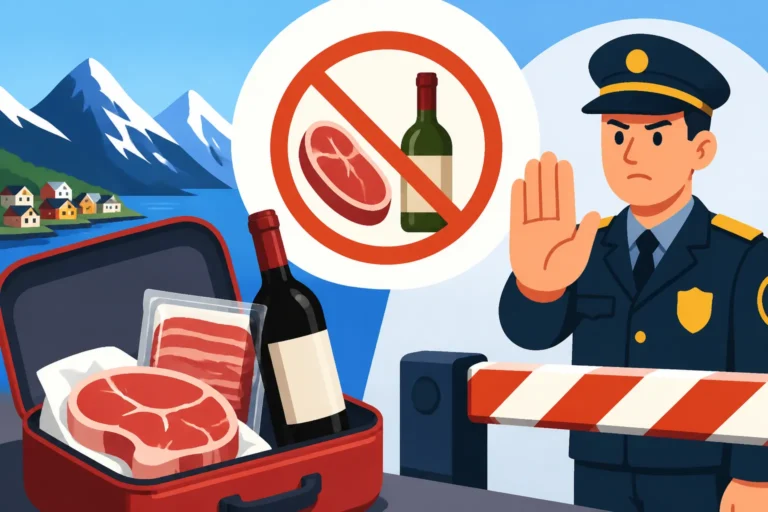
- Personal Allowances: Norway has specific allowances for what you can bring into the country duty-free when you travel. This includes limits on alcohol, tobacco, and other goods. For general goods (clothing, electronics, gifts), you can usually bring in items up to a certain value without paying tax or duty, provided they are for your personal use or for gifts. As of early 2024, if you've been outside Norway for more than 24 hours, you can bring in goods totaling up to NOK 6,000 duty-free. If you've been away for less than 24 hours, the limit is NOK 3,000. These values include items purchased abroad.
- Consider the Practicalities: This option is fantastic for things like clothing, small electronics, specialty foods (within import limits), or gifts from family. However, it’s not practical for large, heavy, or bulky items. If you’re visiting home, stock up on those specific goods you miss that are hard to find or expensive in Norway.
- Declaration is Key: If you go over your personal allowance, you must declare the items at customs (the red channel at the airport) and pay the applicable VAT and duties. Failing to declare can lead to hefty fines, so don't risk it!
Utilizing personal import means you effectively bypass Posten's handling fees, as you're doing the "customs clearance" yourself by declaring at the border. It's often the most cost-effective way to get specific items into Norway without the bureaucratic entanglement.
Disclaimer
The information provided in this guide is for general informational purposes only and does not constitute legal or financial advice. Customs regulations and fee structures in Norway are subject to change by Tolletaten and Posten. Always refer to the official websites of Tolletaten (toll.no) and Posten (posten.no) for the most current and accurate information. It is your responsibility to ensure compliance with all applicable laws and regulations when importing goods into Norway.