Where to Buy Affordable Winter Clothing in Norway
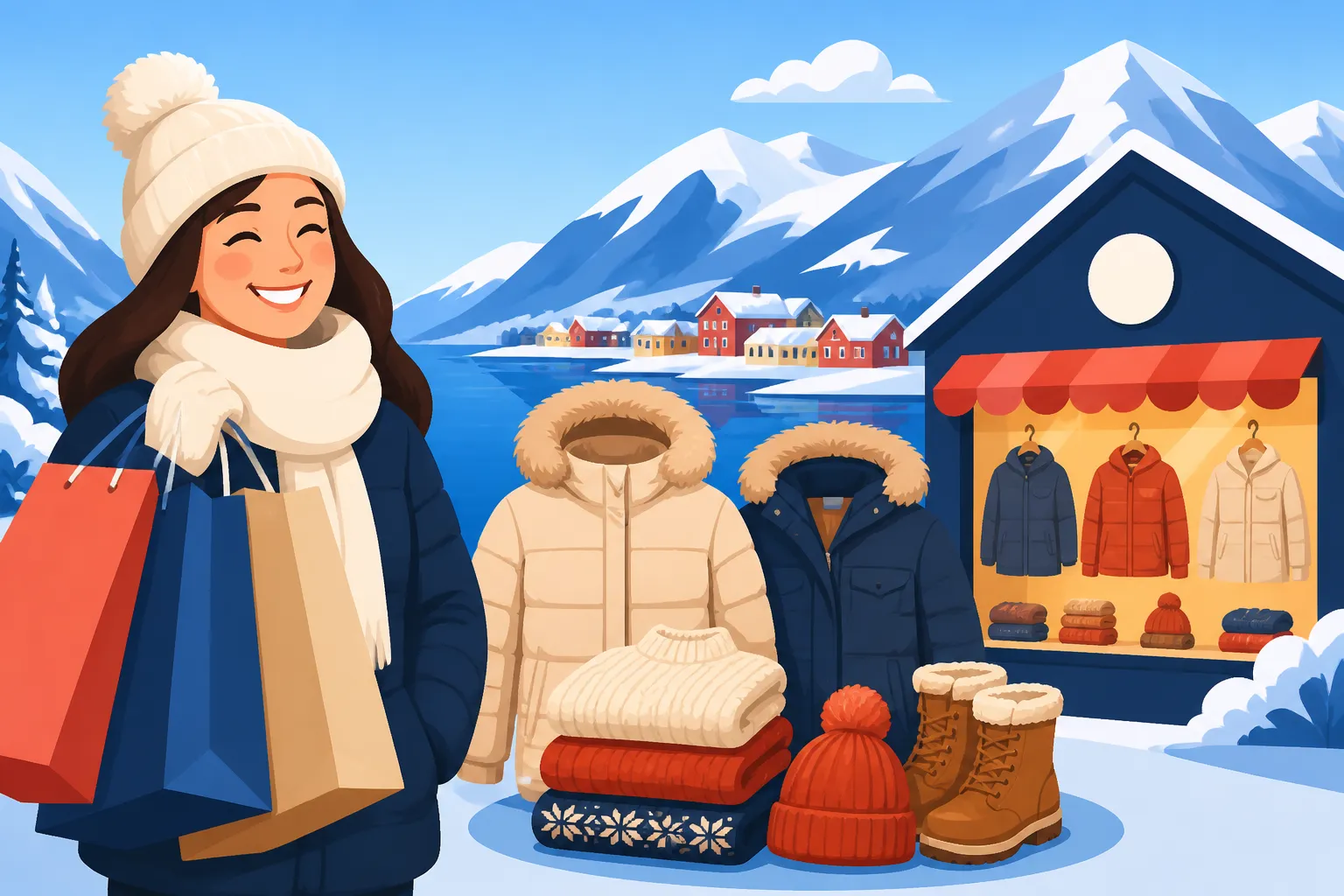
When you first arrive in Norway, the autumn chill might feel bracing, even invigorating. Then the days get shorter, the temperatures plunge, and suddenly, you're hit with the stark reality: your usual "winter coat" from back home just isn't going to cut it here. The sheer cost of proper Norwegian winter gear can feel like a punch to the gut, making you wonder if you’ll ever afford to stay warm without breaking the bank. This guide is here to tell you, from one expat to another, that it is possible to find affordable winter clothing in Norway, and we're going to dive deep into exactly how.
The Reality of Winter Clothing in Norway: It's an Investment
Let's be brutally honest: Norway doesn't do "winter" by halves. This isn't just about looking fashionable; it's about genuine protection against biting winds, relentless snow, and temperatures that can make your bones ache. Trying to get by with inadequate clothing is not just uncomfortable, it can be downright dangerous. This is why Norwegians take their winter gear so seriously, and why the prices might initially shock you.
Why Norwegian Winter Gear Costs a Pretty Penny
The reason quality winter clothing comes with a hefty price tag in Norway isn't just about the "Norway premium" on everything else. It’s about the materials, the design, and the functionality. Think about it: a jacket needs to be waterproof and breathable, often with a high-quality down or synthetic insulation. Boots need to grip on ice, shed snow, and keep your toes toasty for hours, even when standing still. Base layers need to be merino wool, renowned for its warmth even when wet, and its ability to regulate temperature, rather than just simple cotton that will leave you chilled the moment you sweat.
Many Norwegian brands, like Bergans, Stormberg, and Norrøna, are designed for the rugged Nordic climate, and their reputation for durability means they often last for years, sometimes even decades. This "buy once, buy well" mentality drives the initial cost up, but it also means you're investing in something that performs reliably and won't need replacing every season. For newcomers, however, that initial outlay can be daunting. We’ve all been there, standing in a sports store, staring at a jacket with a price tag that could cover a month's rent, wondering if we’ll ever truly assimilate. It's a valid frustration, but don't despair; there are ways to approach this without emptying your savings.
Understanding the Layering Principle (Lag-på-lag)
Before you even think about specific items, you need to understand the fundamental Norwegian approach to staying warm: lag-på-lag, or layering. This isn't just a suggestion; it’s a survival strategy. Instead of one thick, heavy item, you wear multiple thinner layers that trap air, creating insulation. This also allows you to adjust your clothing based on activity levels and changing temperatures.
Here’s the basic breakdown:
- Base Layer (Inner Layer): This is against your skin. Its primary job is to wick moisture away from your body to keep you dry. Wet skin gets cold, fast. Wool, especially merino wool, is king here because it retains warmth even when damp. Avoid cotton for base layers at all costs – it absorbs sweat and stays wet, chilling you to the bone. You'll hear Norwegians say "bomull dreper" (cotton kills) for a reason! For a deeper dive into this essential garment, check out our guide on Wool Underwear (Ullundertøy): Why Norwegians Insist You Wear It.
- Mid Layer (Insulating Layer): This layer provides the primary warmth. Fleece, wool sweaters, or lightweight down jackets work well here. The thicker the mid-layer, the more insulated you’ll be. You might wear one or two mid-layers depending on how cold it is and how much activity you’re doing.
- Outer Layer (Shell Layer): This is your protective shield against the elements – wind, rain, and snow. It needs to be windproof and waterproof (or at least highly water-resistant). This is often the most expensive piece, and for good reason, as it needs to withstand the harsh Norwegian climate. Look for jackets and pants with Gore-Tex or similar technical membranes.
Prioritizing where you spend your money in this system is key. A good quality outer shell and proper wool base layers are non-negotiable investments. You can often save on mid-layers by repurposing existing sweaters or finding cheaper fleece options.
Navigating Budget-Friendly Options: Where to Hunt for Deals
Alright, let's talk about where to actually find these mystical "affordable" winter clothes without sacrificing warmth or quality. It requires a bit of savvy, some patience, and knowing where to look beyond the shiny new storefronts.
Second-Hand Treasures: Finn.no and Local Flea Markets
Your absolute best friend for affordable, high-quality winter gear in Norway is the second-hand market. Norwegians are practical and often take excellent care of their outdoor equipment, upgrading frequently or selling items their kids have outgrown. This creates a fantastic market for pre-loved items that still have plenty of life left in them.
Finn.no (Torget section): This website is Norway's equivalent of Craigslist or eBay, but much more integrated into daily life. The "Torget" (marketplace) section is where people sell everything from furniture to cars, and yes, plenty of clothes. You can find incredible deals on high-end brands like Norrøna, Bergans, and Helly Hansen, sometimes for a fraction of the new price. Search terms like "vinterjakke" (winter jacket), "ullundertøy" (wool underwear), "vinterstøvler" (winter boots), or even specific brand names if you know what you're looking for. Be prepared to pick up items locally, though some sellers are willing to ship. It’s a treasure trove if you’re willing to put in the time to browse. For more in-depth tips on navigating Norway's online second-hand markets, our guide on Buying Second-Hand on Tise or Finn to Save Money is a must-read.
Local Flea Markets and Bruktbutikker: Keep an eye out for local "loppemarked" (flea markets), often hosted by schools or sports clubs, particularly in the spring and autumn. These can be hit or miss, but sometimes you stumble upon fantastic quality items for very little money. Additionally, dedicated bruktbutikker (thrift stores) or charity shops like Fretex and UFF often have a clothing section. While they might require more digging, you can sometimes find good quality wool sweaters, jackets, and even children's snowsuits.
Discount Retailers and Outlet Malls
While Norway isn't known for its discount culture, there are stores that consistently offer more budget-friendly options, especially if you catch them during a sale.
Sport Outlet and XXL: These are two of the biggest sports retailers in Norway. Sport Outlet, as the name suggests, focuses on discounted items, often past-season stock, or items from lesser-known brands. You can frequently find good deals on mid-layers, outer shells, and winter accessories here. XXL is a larger sports superstore, and while their regular prices can be high for premium brands, they run frequent and significant sales. Sign up for their newsletter or loyalty program to get alerts. Shoppers often snag some excellent waterproof pants and sturdy boots during their big sales.
Fashion Retailers with Winter Lines: Stores like Cubus, Dressmann (for men), Lindex (for women and children), and H&M, while primarily fashion-focused, often carry solid basic winter items. Think affordable wool blend sweaters, thermal leggings (though not always proper wool), hats, scarves, and gloves. They won't have the technical performance of a specialized sports brand, but for everyday city wear, they can be perfectly adequate, especially if layered correctly. These stores also have frequent sales, so timing your purchase can save you a bundle.
The Supermarket Surprise: Wool and Basics
This might sound strange if you’re new to Norway, but don't underestimate your local supermarket for winter basics! Chains like Kiwi, Rema 1000, and particularly Coop Obs! and Spar often carry surprisingly good quality and affordable wool underwear, wool socks, hats, and mittens, especially as autumn transitions into winter.
These items are usually from brands like Marius Kids, Pierre Robert, or their own house brands (e.g., Coop’s Änglamark or Rema 1000’s Prima). They might not be the ultra-fine merino of the premium outdoor brands, but for everyday warmth and as reliable base layers, they are excellent value. I’ve stocked up on countless pairs of kids’ wool socks and my own wool leggings from these aisles over the years. Plus, if you're already leveraging Supermarket Loyalty Apps (Trumf, Æ): Saving Money on Groceries, you might even get extra discounts on these winter essentials.
Strategic Shopping Tips for Expats on a Budget
Finding affordable winter clothing in Norway isn't just about where you shop, but how and when you shop. A little strategic planning can go a long way in stretching your kroner.
Timing is Everything: End-of-Season Sales
This is perhaps the most critical tip for budget-conscious shoppers. Like anywhere else, Norwegian retailers clear out seasonal stock to make way for new collections.
- Winter Clearance Sales: The biggest discounts on winter clothing usually hit in January and February. This is when stores are desperate to get rid of parkas, ski pants, and heavy wool sweaters. You might have to make do with what's left in terms of sizes and colors, but the savings can be substantial. If you can tough out your first Norwegian winter with some stop-gap solutions, waiting for these sales for your "big" purchases is a smart move.
- Pre-Season Sales: Sometimes, you can find good deals in late summer or early autumn (August/September) as stores bring in new winter stock. They might have a "mid-season sale" or offer discounts on items that didn't sell out the previous winter. Keep an eye out, but the deepest cuts are almost always post-Christmas.
Leveraging Online Stores and Cross-Border Shopping
While physical stores are great, the online world opens up even more possibilities for competitive pricing.
Norwegian Online Retailers: Most of the stores mentioned above (Sport Outlet, XXL, Stormberg, Cubus, etc.) have robust online stores. This gives you a wider selection than what might be available in your local branch. Online-only retailers can also sometimes offer better prices due to lower overheads. Regularly browse their "salg" (sale) or "tilbud" (offer) sections.
International Online Stores (with caution): For some items, especially less specialized ones, you might find better prices from large European online retailers like Zalando, Boozt, or even Amazon.de (Germany). However, a huge word of caution here: always factor in potential customs duties and VAT (Value Added Tax) when ordering from outside Norway, especially from outside the EU/EEA. What seems like a fantastic deal can quickly turn expensive once Posten adds their processing fees and taxes. Our guide on Posten Customs Clearance Fees: Receiving Packages from Outside Europe is essential reading before you click "buy" on an international site.
When you're doing all this online browsing, whether it's on Finn.no or comparing prices across different retailers, reliable internet access is absolutely key. There’s nothing worse than finding a great deal only for your connection to drop. It is wise to have a solid mobile data plan, and for those who travel a lot or are just settling in, a service like Airalo for an eSIM can be a lifesaesaver to stay connected without hassle while you're hunting for those winter bargains. For more about keeping connected in Norway, you can read our article on Mobile Operators in Norway: Telenor vs Telia and Budget Alternatives.
Prioritizing Key Items: Where Not to Skimp
As much as we want to save money, some items are simply non-negotiable for warmth and safety in a Norwegian winter. This is where you should invest what you can.
- Outer Layer Jacket: A good quality, waterproof and windproof jacket is paramount. This is your first line of defense. Look for features like sealed seams, a good hood, and durable fabric.
- Base Layers (Wool): As discussed, wool is key for moisture-wicking and warmth. Don't cheap out on these; a good set will make a world of difference.
- Insulated, Waterproof Boots: Your feet will get cold if they're wet or poorly insulated. Look for boots with good grip for ice and snow.
- Mittens/Gloves: Warm hands are happy hands. Mittens are generally warmer than gloves as your fingers share warmth.
Where can you save? Mid-layers can sometimes be existing sweaters or cheaper fleece. Accessories like hats and scarves can often be found cheaply in supermarkets or fashion stores. Ski pants can be a big investment, but if you're only walking in the city, warm waterproof pants (or even just waterproof over-trousers you wear over warm jeans) might suffice. Remember, navigating the Cost of Living in Norway 2026: Budgeting for Singles and Families means making smart choices like these.
Essential Winter Wardrobe Checklist
To help you visualize your winter wardrobe and where to allocate your budget, here's a quick checklist. Keep in mind that "affordable" and "investment" are relative terms, but this gives you a general idea.
| Category | Item | Priority Level | Budget Recommendation | Where to Look (Budget-Friendly) |
|---|---|---|---|---|
| Base Layer | Wool Undershirt (top) | High | Investment | Supermarkets (Coop Obs!, Kiwi), Sport Outlet, Finn.no |
| Wool Underpants (bottom) | High | Investment | Supermarkets, Sport Outlet, Finn.no | |
| Mid Layer | Fleece Jacket/Sweater | Medium | Affordable-Mid | H&M, Cubus, Sport Outlet, Finn.no, Fretex |
| Wool Sweater | Medium | Mid-Investment | Sport Outlet, Finn.no, Fretex, Supermarkets | |
| Outer Layer | Insulated Winter Jacket | High | Investment | Sport Outlet, XXL (sales), Finn.no |
| Waterproof Winter Pants | High | Investment | Sport Outlet, XXL (sales), Finn.no | |
| Footwear | Insulated Winter Boots | High | Investment | Sport Outlet, XXL (sales), Finn.no |
| Accessories | Wool Hat | High | Affordable | Supermarkets, H&M, Cubus, Sport Outlet |
| Wool Scarf | High | Affordable | Supermarkets, H&M, Cubus, Sport Outlet | |
| Wool Mittens/Gloves | High | Affordable | Supermarkets, H&M, Cubus, Sport Outlet | |
| Extra Thick Wool Socks | High | Affordable | Supermarkets, Sport Outlet |
Beyond Clothing: Other Winter Essentials
While clothing is critical, surviving and thriving through a Norwegian winter, particularly the mørketid (dark season), involves a bit more than just what you wear. It’s about being prepared for the environment. Remember, you're not just dealing with cold, but often ice, short daylight hours, and an overall shift in lifestyle. Our comprehensive guide Surviving the Norwegian Winter: Clothing, Heating, and Mørketid (Dark Season) covers many of these aspects in detail.
Footwear and Traction
A good pair of winter boots is invaluable, but the icy conditions in Norway demand an extra layer of caution. Slipping on black ice is a common, and painful, rite of passage for many newcomers.
- Waterproof, Insulated Boots: Look for boots designed for snow and ice, often with rubber outsoles and good tread. Brands like Sorel, Canada Goose, or local brands found at XXL or Sport Outlet are good starting points.
- Ice Spikes (Brodders): These are small, detachable spikes that you can fit over your shoes or boots. They provide fantastic grip on icy pavements and are a game-changer for walking safely. You can find them in shoe stores, sports shops, and even some supermarkets or pharmacies as winter approaches. Trust me, they're worth every penny. Learn more about them in our article on Using Ice Spikes (Brodders) on Your Shoes for Winter Commutes.
Home Comforts
Beyond what you wear outside, consider your indoor environment. A warm, cozy home is essential for psychological well-being during the long, dark months.
- Warm Blankets and Throws: Nothing beats snuggling under a thick blanket with a warm drink after being out in the cold.
- Good Lighting: As the daylight hours dwindle, ensure your home is well-lit. Many expats find brighter, warmer-toned indoor lighting helps combat the mørketid. Some even invest in light therapy lamps, which brings us to another important aspect: Coping with Seasonal Affective Disorder (SAD) in the Norwegian Winter. It's a real challenge, and proactively managing your environment can make a big difference.
Finding affordable winter clothing in Norway might seem like a daunting task when you first arrive, but with these strategies, you can build a warm and effective wardrobe without completely draining your bank account. Prioritize smart layering, embrace the second-hand market, strategically time your purchases during sales, and remember that some key items are worth investing in. You’ve got this!
Disclaimer
Please note that while we strive to provide the most accurate and up-to-date information, prices, store policies, and availability can change rapidly in Norway. Always double-check current information with retailers and official sources before making purchasing decisions. This guide is for informational purposes only and does not constitute professional financial advice.