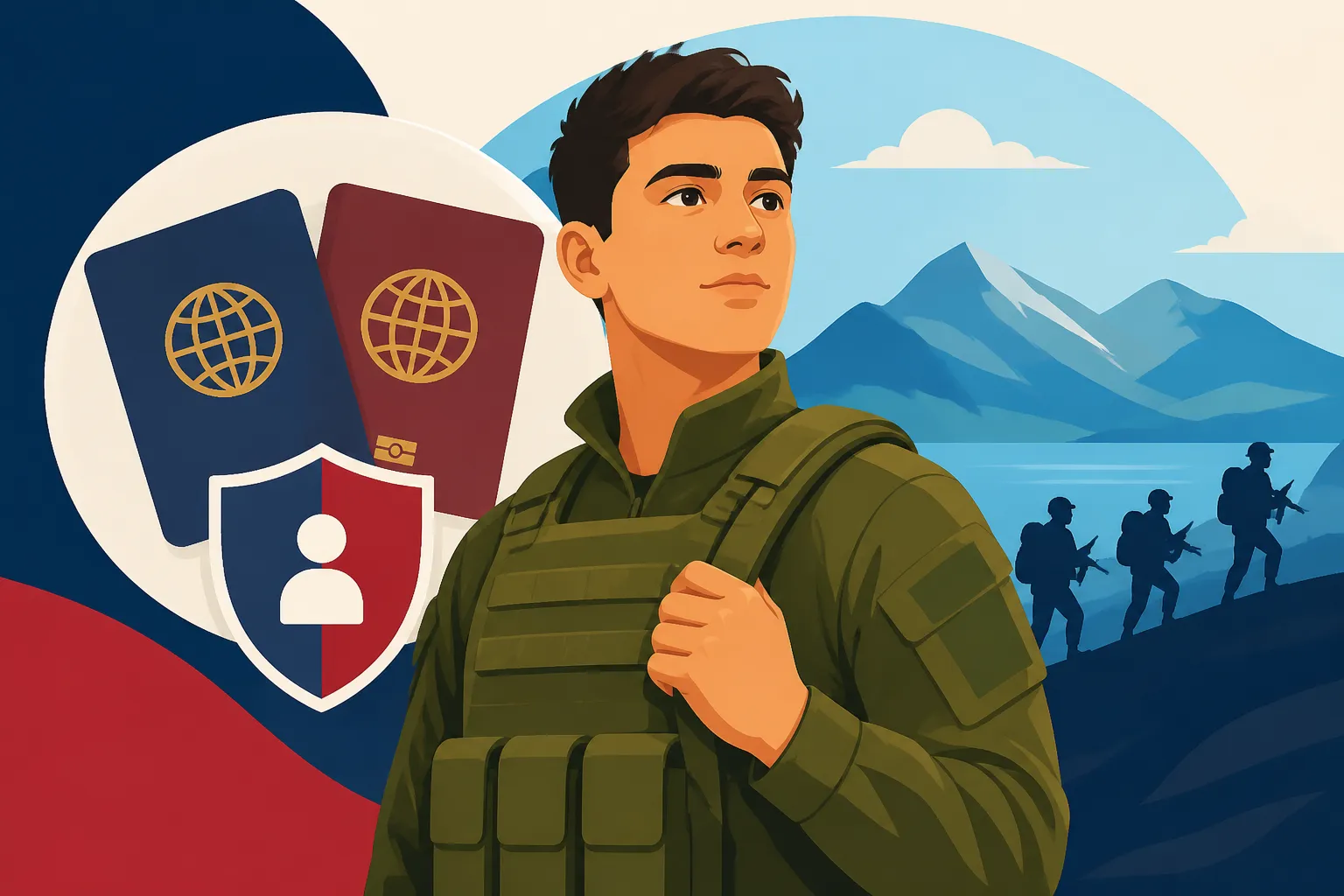
Military Service (Førstegangstjeneste) for Dual Citizens in Norway
One of the trickiest and often overlooked aspects of moving to Norway, especially if you have ties to multiple nations, is understanding your military service obligations. It can feel like walking through a bureaucratic maze, especially when you’re a dual citizen trying to juggle loyalties and legal responsibilities across borders. This guide aims to clear up the confusion surrounding førstegangstjeneste, or first-time military service, for dual citizens living in or connected to Norway, offering realistic insights and actionable steps to navigate this complex system.
Understanding Norway's Conscription System
For decades, military service has been a deeply ingrained part of Norwegian society, though the system has evolved significantly over time. It's not just a matter of national defense; it's seen by many as a rite of passage, a contribution to the collective good, and a shared experience that fosters a unique sense of national identity. However, for those of us who grew up with different systems, or indeed, no conscription at all, it can be a rather bewildering concept.
Who is Liable for Førstegangstjeneste?
Let's cut right to the chase: In Norway, all citizens, both male and female, are technically liable for military service once they turn 19, up until the age of 35. This isn't just an old tradition; it's a legal obligation enshrined in Norwegian law. The big shift happened in 2015 when Norway became the first NATO country to introduce gender-neutral conscription, meaning both men and women are equally eligible. This was a progressive move, but for families with daughters, it added a new layer of consideration.
Now, while everyone is liable, it’s crucial to understand that not everyone serves. The Norwegian Armed Forces (Forsvaret) operates on a selective conscription model. Each year, they call up a certain number of young people for the Sesjon process – the initial assessment – and from that pool, only those deemed most suitable and needed are ultimately selected to serve. This means that while you might be called up for assessment, it's far from a guarantee that you'll end up in uniform. The Forsvaret is highly professional and focused on quality over quantity, so they pick the best and most motivated candidates.
The question of residency also often comes up. Do you have to live in Norway to be liable? If you hold Norwegian citizenship, even if you’ve lived abroad your entire life, the legal obligation still applies. The Vernepliktsverket (National Service Administration) will typically try to contact Norwegian citizens regardless of their current address, often through the last known address registered with the National Registry (Folkeregisteret). This is where things can get complicated for dual citizens who might have never even set foot in Norway or have been living outside for many years.
The Sesjon Process: From Initial Assessment to Call-Up
The journey into førstegangstjeneste officially begins with the Sesjon. This is not a drill; it’s a mandatory process that all eligible Norwegian citizens must go through, usually in the year they turn 18 or 19. If you're a Norwegian citizen, even if you don't live in the country, you'll likely receive an invitation.
The first step is usually an initial digital health questionnaire. This is an online survey where you provide detailed information about your physical and mental health, education, and interests. Based on this, some individuals might be immediately exempted (for example, if they have serious chronic health issues that clearly prevent service) or deferred. For most, however, it leads to the second, more hands-on stage: the physical Sesjon.
The physical Sesjon involves a comprehensive day of assessments at a designated Forsvaret center. This includes medical examinations, physical fitness tests (think running, strength, coordination), psychological evaluations, and interviews. The purpose is to assess your overall suitability, motivation, and potential for various roles within the armed forces. It's a thorough process designed to ensure that those who are selected are physically, mentally, and emotionally prepared for the challenges of military life. During the interviews, you'll have the opportunity to express your preferences or raise any concerns, including issues related to dual citizenship or obligations in another country.
If you happen to live abroad but are still a Norwegian citizen, the Vernepliktsverket will still try to reach you. They expect you to respond and, if called, to travel to Norway for the Sesjon. Ignoring these call-ups can lead to legal complications down the line. It's a hassle, yes, but ignoring it won't make it go away. It’s far better to engage with them and explain your situation clearly. For instance, if you're exploring Norwegian Citizenship: Naturalization Laws, Dual Nationality, and Passports you should be aware that failing to meet military obligations can complicate future interactions with Norwegian authorities.
Dual Citizenship and Military Obligations
The landscape of citizenship in Norway changed significantly in 2020. Before then, Norway generally adhered to the principle of enkeltborgerskap, or single citizenship, meaning that if you became a Norwegian citizen, you typically had to renounce your previous nationality. This often simplified military obligations; you were either Norwegian or you weren't. But with the new law, holding dual nationality is now fully permissible. While this was a welcome change for many expats and their families, it also introduced a new layer of complexity for military service.
The Principle of Enkeltborgerskap vs. Dual Citizenship
Prior to 2020, if you were a dual citizen (often by birthright through parents of different nationalities), Norway would generally only recognize your Norwegian citizenship for internal matters, implicitly expecting you to act as a Norwegian citizen. If you acquired Norwegian citizenship, you usually had to prove you'd given up your other one. The 2020 law truly opened the doors, meaning you can now be a proud Norwegian and, say, an American, British, or Canadian citizen simultaneously without legal conflict from the Norwegian side.
However, and this is a big "however," this new law allowing dual citizenship doesn't automatically negate your military obligations to Norway. As long as you are a Norwegian citizen, you are subject to Norwegian law, and that includes the conscription act. This is where many dual citizens find themselves in a bind, especially if their other country also has mandatory military service. The Norwegian state is primarily concerned with its own citizens fulfilling their duties, regardless of any other passport they may hold. This means that even if you've been living abroad and dealing with Visas and Residence Permits in Norway: The Complete UDI Guide (2027), your Norwegian citizenship means you're still on the radar for førstegangstjeneste.
Conflict of Obligations: When Two Countries Call
Imagine this scenario: you're a dual Norwegian-South Korean citizen. South Korea has mandatory military service for its male citizens, typically around 18-28 years old. Norway calls you up for Sesjon at 19. What do you do? This is a genuine dilemma, and unfortunately, there's no easy international "get out of jail free" card here. Unless there's a specific bilateral agreement between Norway and your other country – and these are quite rare – both countries are likely to view you as their citizen first and expect you to fulfill their obligations.
From Norway's perspective, if you are a Norwegian citizen, you are subject to Norwegian conscription laws while you are within its jurisdiction or if you are deemed to have a sufficiently strong connection to the country (which simply holding citizenship often implies). The fact that you also hold another passport doesn't automatically grant you an exemption or deferment here. It's a complex legal and ethical tightrope walk.
If you have already served in the military of your other country, this is crucial information to provide to Vernepliktsverket. While it doesn't guarantee an automatic exemption, it might be a strong mitigating factor. You would need to provide official documentation of your service, including dates, units, and a clear description of your duties. This is precisely where professional translation services become invaluable. Official military records from another country will almost certainly need to be translated into Norwegian by a certified translator. Services like RushTranslate or Translayte specialize in official, certified translations that Norwegian authorities, including Vernepliktsverket, will accept. Make sure any documentation you submit is not only accurate but also meets the specific certification requirements for legal documents in Norway. This helps avoid delays or questions about the authenticity of your claims.
Navigating Exemptions, Deferments, and Special Cases
Facing the prospect of military service, especially if you have existing commitments or a strong aversion to it, can be daunting. Thankfully, the Norwegian system does have pathways for exemptions and deferments, although they are not granted lightly. It’s about proving your case clearly and with robust documentation.
Grounds for Exemption or Deferment
The most common grounds for exemption relate to medical reasons. During the Sesjon process, if physical or mental health issues are identified that would make service impractical or detrimental to your well-being, you might be exempted. This could range from severe chronic illnesses to significant psychological conditions. It's vital to be honest and provide any existing medical records. The Forsvaret wants capable soldiers, not those who will struggle or be a liability. Similarly, if you're dealing with issues that might require Mental Health in Norway: Accessing Therapy and Psychiatric Care, this would be highly relevant to your assessment.
Social reasons can also be a basis for deferment or, in rare cases, exemption. This typically applies if you are the sole financial provider for a family or have significant care responsibilities that cannot be delegated. For example, if you are the primary caregiver for elderly parents or young children, this could be grounds for deferment. These situations require strong evidence, demonstrating that your absence would cause undue hardship.
If you are pursuing higher education or working abroad, you might be able to secure a temporary deferment. The obligation doesn't disappear, but it can be postponed until you complete your studies or return to Norway. This is often granted to allow individuals to complete degrees or gain work experience, as the Forsvaret understands the value of education and career development. However, these are typically temporary postponements, and you will eventually be expected to fulfill your obligation unless another exemption applies.
Prior military service in another country is a unique and often complicated case for dual citizens. As mentioned, unless there's a specific bilateral agreement between Norway and the country you served in (which is uncommon), previous service elsewhere doesn't automatically exempt you from Norwegian førstegangstjeneste. However, it is absolutely essential to declare this information and provide all supporting documentation. In some cases, Vernepliktsverket might consider it, particularly if the training and service were comparable, but this is assessed on a case-by-case basis. Again, accurate and certified translations of your military records are non-negotiable here. A service like RushTranslate or Translayte can ensure these vital documents are correctly interpreted and legally sound for Norwegian authorities.
Finally, there's the option of conscientious objection. Norway recognizes the right to refuse military service on serious ethical or religious grounds. If you have a profound, deeply held conviction that prevents you from participating in armed conflict, you can apply for civilian service instead. This usually involves serving in a non-military capacity, such as healthcare or social work, for a duration equivalent to military service. The process involves an interview where you must demonstrate the sincerity of your beliefs. While civilian service was more prevalent in the past, it’s still an option for those who genuinely cannot reconcile military service with their conscience.
What Happens if You Don't Respond to a Call-Up?
This is where things can get serious, so it’s crucial to pay attention. Ignoring notices from Vernepliktsverket or failing to show up for your Sesjon is not advisable. Military service is a legal obligation for Norwegian citizens, and non-compliance can have significant legal consequences.
If you simply ignore the call-up, you could face administrative fines. More seriously, persistent non-compliance can lead to criminal charges under Norwegian law. This could result in further fines or even imprisonment, although the latter is reserved for more extreme cases of deliberate evasion. A criminal record, however minor, can have far-reaching implications, affecting your ability to get certain jobs, secure loans, or even travel internationally.
Furthermore, ignoring your military obligations can create difficulties with future interactions with Norwegian authorities, including issues related to your residency status, especially if you are also navigating Permanent Residence in Norway: Requirements, Timelines, and Language Tests. It shows a disregard for Norwegian law, which is never a good look. The best approach is always to communicate proactively and honestly with Vernepliktsverket. Even if your situation is complicated, engaging with the system is far better than hoping it will go away.
Practical Advice for Dual Citizens
Navigating military service as a dual citizen can be a minefield of potential misunderstandings and legal complexities. However, with the right approach and a clear understanding of your obligations, you can manage the situation effectively. Being proactive and well-informed is your best defense.
Proactive Communication with Forsvaret
My number one piece of advice, honed from years of dealing with Norwegian bureaucracy, is this: don't wait for them to find you. If you are a dual citizen with Norwegian nationality and concerns about førstegangstjeneste, reach out to Vernepliktsverket (the National Service Administration, part of Forsvaret) directly. Do this early, especially if you plan to live abroad long-term or have already served in another country's military.
When you contact them, be prepared to clearly articulate your situation. Provide your Norwegian fødselsnummer (if you have one) or D-number, your current address, and a brief explanation of your dual citizenship and any relevant circumstances (e.g., "I am a Norwegian and [other nationality] dual citizen, currently living in [country] for studies, and I have questions about my military service obligation."). You might be surprised at how helpful they can be if approached respectfully and with complete information. This type of proactivity is generally well-received in Norway and demonstrates your willingness to comply. They may offer guidance on how to defer your service while you are studying, or how to register your prior service. Remember, ignoring official letters from authorities can be detrimental, and this also applies to Navigating the UDI and Police Portal: Booking Appointments and Tracking for other administrative matters.
Documentation and Legal Counsel
The Norwegian system, like many, relies heavily on official documentation. If you are seeking an exemption or deferment based on medical grounds, social responsibilities, or prior military service, you must provide solid proof. This means official certificates, medical reports, family registration documents, or military discharge papers.
For any documents originating from your other country of citizenship, certified translations into Norwegian are almost always required. A simple translation by yourself or a friend won't cut it for official purposes. You need a translation performed by a certified, professional translator recognized in Norway, or sometimes an apostilled translation if the source country is part of the Hague Apostille Convention. This ensures the document's legal validity and prevents any disputes over interpretation. Companies like RushTranslate and Translayte are excellent options for obtaining these types of certified translations, ensuring your paperwork is in perfect order when you submit it. Don't underestimate this step; incorrect or uncertified documentation can lead to delays and potential rejection of your claims.
In particularly complex situations, especially if there's a clear conflict between the laws of your two countries or if you're facing serious legal repercussions, it might be wise to seek legal advice from a lawyer specializing in immigration or military law in Norway. While it's an added expense, expert guidance can be invaluable in navigating these intricate legal waters and protecting your rights. They can advise you on everything from your Employment Rights in Norway: The Working Environment Act Explained if your job is impacted, to how your situation might affect your Social Security in Norway: Understanding National Insurance Contributions or future Pensions in Norway: State Pension, Occupational, and Private Savings.
Here's a quick overview of common scenarios and their implications:
| Scenario for Dual Citizen (Norwegian + Other) | Potential Obligation to Norway | Key Action Points |
|---|---|---|
| Living in Norway, age 18-35 | High | Respond to Sesjon call, attend assessments. Declare dual citizenship. |
| Living abroad, age 18-35, never served | Present, but often deferred | Contact Vernepliktsverket proactively. Inform them of studies/work abroad. |
| Already served in other country's military | Possible, but can be challenged | Gather all official military service documents. Get certified translations (e.g., RushTranslate, Translayte). Present to Vernepliktsverket. |
| Medical condition preventing service | Low | Provide comprehensive medical documentation during Sesjon. |
| Conscientious objector | Civilian service option | Apply for civilian service; prepare for interview to explain beliefs. |
| Sole family provider / significant care duties | Possible deferment/exemption | Provide extensive documentation of responsibilities and financial hardship. |
Remember, Norway is generally a fair country with robust legal protections, but it also expects its citizens to uphold their responsibilities. Engaging with the system, being transparent, and providing accurate documentation are your best tools for navigating military service as a dual citizen.
Disclaimer
The information provided in this guide is for general informational purposes only and does not constitute legal advice. While we strive to provide accurate and up-to-date information, military service laws, immigration regulations, and official procedures can change. It is always recommended to consult directly with Vernepliktsverket (The National Service Administration) or a qualified legal professional for advice tailored to your specific situation. We are not liable for any actions taken based on the information provided here.