Citizenship for Children Born in Norway to Foreign Parents
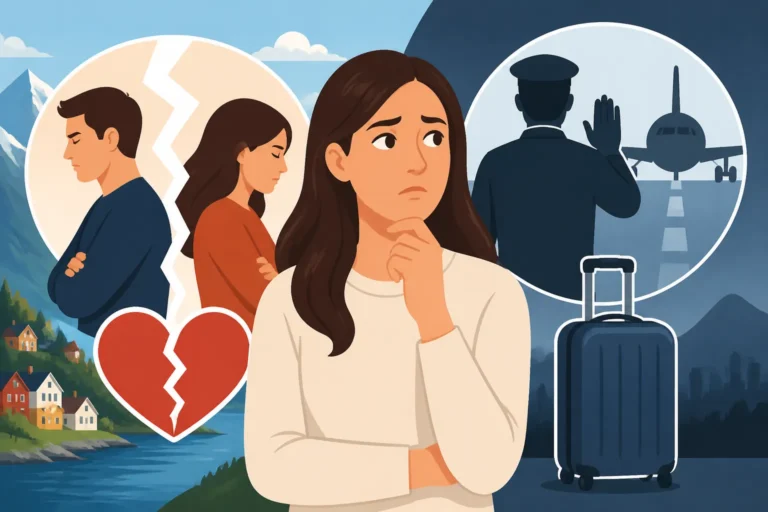
Many expats arrive in Norway with a natural assumption that if your baby is born here, they automatically become Norwegian. It’s a common belief in many parts of the world, often called "birthright citizenship" or jus soli. But here in Norway, that's simply not how it works, and this can come as a real shock when you're navigating the already overwhelming process of having a child in a foreign country. This comprehensive guide will meticulously break down the realities of Norwegian citizenship for children born to foreign parents, explaining the actual legal framework, available pathways, and the often-bureaucratic steps you'll need to take.
Understanding Norwegian Citizenship Law for Children
Let's get this fundamental point out of the way upfront: Norway does not grant automatic citizenship based solely on the place of birth. This is a common point of confusion and frustration for many international families settling here, especially those coming from countries with jus soli laws. You might think, "My child was born in an Oslo hospital, surely they're Norwegian?" The answer, in almost all cases where both parents are foreign nationals, is a resounding "no."
The Principle of Jus Sanguinis Citizenship by Descent
Norway operates under the principle of jus sanguinis, which is Latin for "right of blood." What this means in practice is that a child's citizenship is primarily determined by the citizenship of their parents, not the country in which they happen to be born. If both you and your partner are foreign citizens, even if you’ve lived here for years and have permanent residence, your newborn baby will generally acquire the citizenship of their parent(s). Often, they will automatically gain the citizenship of both parents if your respective home countries allow for it.
This system can feel incredibly counter-intuitive and even a little disheartening for expat parents who are making Norway their long-term home. You’re building a life here, contributing to society, and your child is a true "local" in every sense but the legal one. Yet, from the moment they draw their first breath in a Norwegian hospital, they are, by law, considered a citizen of your home country (or countries), not Norway. It's crucial to understand this distinction early on to manage expectations and plan for your child's legal status.
When a Child Does Acquire Norwegian Citizenship at Birth
There are, of course, critical exceptions to the jus sanguinis rule, and these exceptions all hinge on one key factor: having at least one parent who is already a Norwegian citizen at the time of the child's birth. If even one parent holds Norwegian citizenship, then the child automatically becomes a Norwegian citizen from birth, regardless of where they are born in the world. This applies whether the parents are married or not, as long as paternity is established.
For example, if you are an expat married to a Norwegian citizen, your child born in Norway will be Norwegian. The same applies if you are unmarried but the child's Norwegian parent has officially acknowledged paternity. In these situations, there's no complex application for citizenship needed for the child. However, you will still need to register the child's birth with the Norwegian National Registry (Folkeregisteret) and apply for a Norwegian passport for them, just as any other Norwegian parent would. This process confirms their status and provides them with official identification.
Pathways to Norwegian Citizenship for Foreign-Born Children
Since automatic birthright citizenship isn't an option for most expat families, the pathway to Norwegian citizenship for your child will almost certainly be through naturalization. This means you, as the parents, will need to apply on their behalf, a process that has its own set of rules and often requires patience. It's not a quick fix, but it is a well-established route.
Citizenship through Naturalization for Children
For children born in Norway to foreign parents, or children who arrived in Norway at a very young age, naturalization is the primary path to becoming Norwegian. The application is made by the child's parents (or legal guardians) to the Norwegian Directorate of Immigration (UDI). The requirements for the child often mirror certain aspects of the requirements for adult naturalization, but with some crucial differences tailored to their age. Generally, a child can apply for citizenship after having lived in Norway for a specified number of years, provided they also meet residency requirements tied to their parents' immigration status.
Crucially, the parents applying on behalf of the child must usually hold a Permanent Residence in Norway: Requirements, Timelines, and Language Tests themselves, or at least one parent must. The UDI needs to see that the child has a stable, long-term connection to Norway through their primary caregivers. While children don't typically have language requirements for citizenship, their parents often do, especially when applying for their own permanent residence or citizenship, which then opens the door for the child. This creates a cascade effect where the parents' successful integration paves the way for their children’s.
Specific Rules for Children of Nordic Citizens and EU/EEA Nationals
If one or both parents are citizens of a Nordic country (Sweden, Denmark, Finland, Iceland), the rules for a child to gain Norwegian citizenship can be slightly simplified. Nordic citizens have special agreements that allow for easier movement and settlement within the region. For children of Nordic citizens, after a certain period of continuous residence in Norway (which can be shorter than for other foreign nationals), they might be able to apply for citizenship under more streamlined conditions. It's still a form of naturalization, but with less stringent requirements regarding residency duration or sometimes even without the need for a separate application if certain conditions are met and registered.
For children of EU/EEA nationals, while there are no automatic birthright citizenship provisions, their parents’ right to reside in Norway based on the EU/EEA agreement provides a solid legal foundation. Just like other foreign nationals, the child will follow their parents' citizenship until they meet the conditions for naturalization. However, the parents' own journey towards permanent residence or citizenship, which then enables the child's application, may involve different bureaucratic steps than those from outside the EU/EEA. It's always best to check the specific UDI guidelines, as these can be updated, and situations vary widely based on individual circumstances. Remember, the journey towards citizenship for anyone in Norway, including children, is deeply intertwined with their residence status.
The Application Process and Documentation
Applying for citizenship, even for a child, is a formal legal process with the UDI. It requires meticulous attention to detail, correct documentation, and a healthy dose of patience. Don't underestimate the time and effort involved – it’s a marathon, not a sprint.
Navigating the UDI Application Portal
The Norwegian Directorate of Immigration (UDI) is the central authority for all immigration and citizenship matters in Norway. Most applications, including those for children's citizenship, are now handled through their online application portal. This portal requires you, as the parent, to log in using your BankID, Norway's ubiquitous digital identification system. If you've been living in Norway for any length of time, you'll know that BankID Explained: Norway's Digital Identity System and Expat Challenges is essential for almost everything digital, and this is no exception.
Once logged in, you'll need to select the correct application form, which will typically be "Application for Norwegian citizenship for a child." The portal will guide you through various sections, asking for details about the child, both parents, their immigration history, and current residence status. It's important to fill out every section accurately and completely. Any missing information or discrepancies can lead to significant delays or even rejection. After submitting the online application, you will usually receive instructions on how to book an appointment with the police to submit original documents and potentially for identity verification. It's part of the extensive Navigating the UDI and Police Portal: Booking Appointments and Tracking process that defines much of expat life here.
Essential Documentation and Translation Requirements
When applying for your child's citizenship, you’ll need to gather a comprehensive set of documents. These typically include:
- Child’s birth certificate: The official, full birth certificate from Norway.
- Child’s passport: If the child has obtained a passport from their parents' home country.
- Parents’ passports or national ID cards: Copies of all pages, including those with visas and stamps.
- Parents’ residence permits: Copies of both parents’ current and past residence permits in Norway, especially their permanent residence permits.
- Parents’ marriage certificate: If applicable.
- Paternity acknowledgment: If parents are not married and paternity was established separately.
- Documentation of income and employment for parents: To demonstrate stable financial support.
- Proof of continuous residence in Norway: This can include school attendance records, doctor's visits, etc., for the child.
A critical aspect of documentation, especially for documents originating outside of Norway, is the requirement for certified translations. The UDI explicitly states that all documents not in Norwegian or English must be translated by a state-authorized translator. This isn't a suggestion; it's a strict requirement. Using a service like RushTranslate or Translayte can be incredibly helpful here, as they specialize in certified translations and understand the specific formats and stamps required by immigration authorities like UDI. Trying to save money by doing your own translation, or using a non-certified translator, will almost certainly lead to your application being returned, causing immense delays. Some documents, depending on their country of origin, might also need an apostille stamp to confirm their authenticity for international use; always check UDI's specific requirements based on your country. Understanding Document Translation for UDI: Do I Need an Apostille Stamp? is vital to avoid unnecessary setbacks.
Waiting Times and Potential Challenges
Let's be realistic: bureaucracy in Norway, especially concerning immigration, moves at its own pace. The waiting times for citizenship applications can be substantial. While the UDI provides estimated processing times on their website, these are just estimates and can fluctuate significantly based on application volume, complexity, and specific circumstances. It's not uncommon for applications to take many months, sometimes even over a year, to process. This can be particularly frustrating when you're just trying to secure your child's future.
Common reasons for delays or even rejections include:
- Incomplete applications: The most frequent culprit. Missing a single document or failing to provide a certified translation will stop your application dead in its tracks.
- Incorrect documentation: Submitting an unofficial birth certificate or a translation not done by a state-authorized professional.
- Changes in parental status: Divorce, new relationships, or unresolved custody issues during the application period can complicate matters.
- Questions about identity: If the UDI has any doubts about the identity of the child or parents, it will trigger further investigations.
- Security checks: Standard procedure, but can add time.
My best advice is to triple-check everything before submission. Keep copies of everything you send, and maintain a detailed record of all correspondence. If you haven't heard anything after the estimated processing time has passed, you can inquire with UDI, but be prepared that this usually only prompts them to say they are still processing the application. This is unfortunately part of the reality of UDI Processing Times in 2026: Why Are Family Visas So Slow?.
Implications of Dual Citizenship and Future Considerations
One of the biggest concerns for many expat parents is whether their child will have to renounce their birth citizenship to become Norwegian. Happily, Norway's laws have evolved on this front, offering more flexibility than in the past.
Norway's Stance on Dual Nationality for Children
For many years, Norway had a strict policy against dual citizenship, generally requiring individuals to renounce their previous citizenship when becoming Norwegian. However, this changed significantly in 2020. Since then, Norway generally permits dual citizenship. This is fantastic news for expat families, as it means your child can usually acquire Norwegian citizenship without having to give up the citizenship of their home country (or countries). This allows children to maintain connections to their heritage while also fully integrating into Norwegian society.
It's important to remember, however, that while Norway permits dual citizenship, your child's other home country might not. If the country of your original citizenship has a strict policy against dual nationality, your child might automatically lose that citizenship upon acquiring Norwegian citizenship, or you might be required to make a choice on their behalf. Always research the laws of your own country regarding dual citizenship before proceeding with a Norwegian citizenship application for your child. Understanding Applying for Dual Citizenship in Norway: The 2020 Law Change is key to navigating this.
Benefits and Practicalities of Norwegian Citizenship for Children
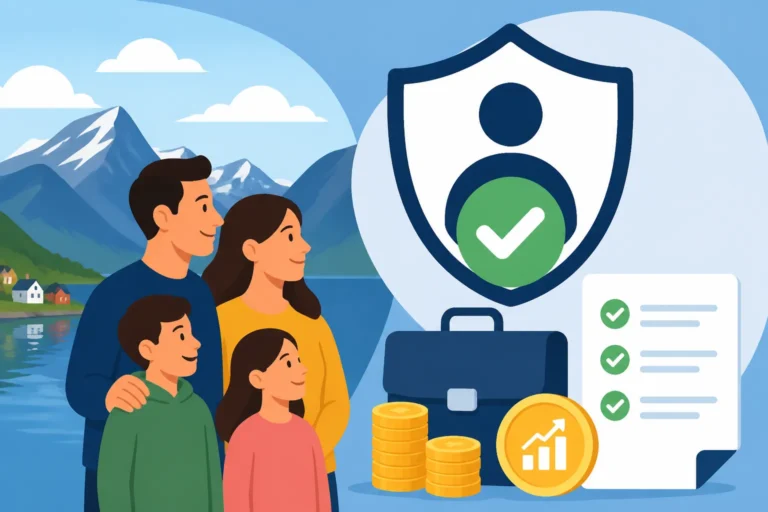
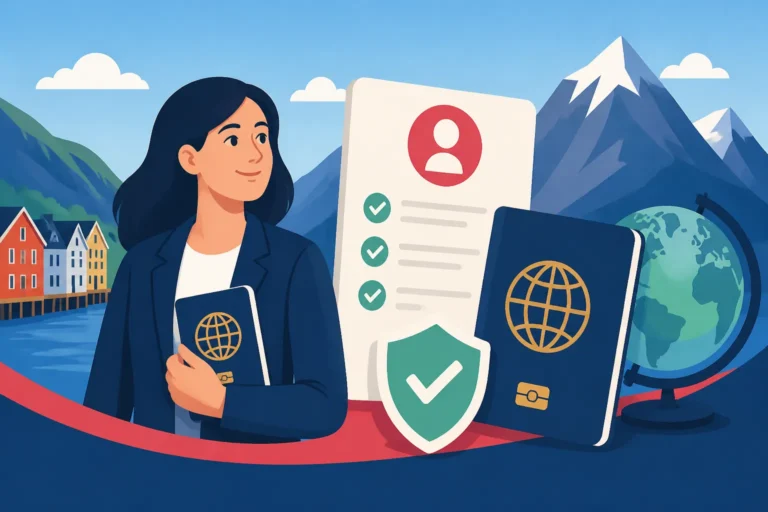
Having Norwegian citizenship offers a wealth of benefits and streamlines many aspects of life for a child growing up here. Foremost, it provides long-term stability and security. The child will have the unconditional right to live, work, and study in Norway, removing any future concerns about residence permits, renewals, or the need to meet specific immigration criteria as an adult. They will be entitled to a Norwegian passport, which is one of the most respected travel documents in the world, granting extensive visa-free travel.
Beyond travel, citizenship ensures full access to all public services and social safety nets without any immigration-related caveats. As they grow older, they will gain the right to vote in national elections, hold public office, and truly participate fully in Norwegian democratic life. Essentially, holding Norwegian citizenship removes all the immigration hurdles and anxieties that often weigh on expat families, allowing the child to fully embrace their identity as a Norwegian, while still cherishing their family's international roots. It provides a profound sense of belonging and guarantees their future in the country they call home.
Summary of Citizenship Requirements for Children Born to Foreign Parents
| Aspect | Description |
|---|---|
| Automatic Citizenship | No, unless at least one parent is a Norwegian citizen at the time of birth. Norway follows jus sanguinis (citizenship by descent), not jus soli (birthright citizenship). |
| Primary Pathway | Naturalization: Parents apply on behalf of the child to the UDI. |
| Parental Requirements | Typically, at least one parent must hold a permanent residence permit in Norway and meet their own residency/other requirements for naturalization, demonstrating stable ties to Norway. |
| Child's Residency | The child usually needs to have lived in Norway for a specified continuous period (e.g., typically 2-3 years if parents meet criteria). |
| Key Documents Needed | Child's birth certificate, passports, parents' residence permits, marriage certificates (if applicable), proof of income/residence, certified translations for non-Norwegian/English documents. |
| Language Requirements | Children do not typically have language requirements for citizenship, but parents often do for their own permanent residence or citizenship, which indirectly impacts the child's eligibility. |
| Dual Citizenship | Generally allowed since 2020. Your child can usually keep their other citizenship(s) while becoming Norwegian, provided their original country's laws also permit dual nationality. |
| Application Authority | Norwegian Directorate of Immigration (UDI). Applications primarily online via the UDI portal, often requiring BankID. |
| Processing Times | Can be lengthy, ranging from several months to over a year, depending on case complexity and UDI workload. |
Disclaimer
The information provided in this guide is for general informational purposes only and does not constitute legal advice. Immigration laws and regulations in Norway, particularly those related to citizenship, can change and are subject to specific interpretations by the Norwegian authorities (UDI, Police). It is always recommended to consult directly with the UDI, the police, or a qualified immigration lawyer for advice tailored to your specific situation. We strive to keep the information up-to-date, but cannot guarantee its absolute accuracy in all circumstances.