Joint Bank Accounts in Norway: How to Set One Up for Couples
When you move to Norway as a couple, one of the first logistical hurdles you hit is the realization that the traditional joint bank account you had back home doesn't really exist here. Managing shared expenses like rent, groceries, and childcare can become a daily headache without a streamlined system. This guide explains how to navigate the individual-centric Norwegian banking world to create a functional shared financial setup.
The Reality of Joint Banking in Norway
If you walk into a branch of DNB or Nordea and ask to open a joint account where two people have equal legal ownership and a single account number, you will likely be met with a confused look. In Norway, the entire financial and administrative system is built around the individual's national identity number. This means that every bank account must have one primary owner who is legally responsible for the funds and the tax implications of that account. This individualistic approach is rooted in the way the government tracks wealth and income for tax purposes, making "true" joint accounts a relic of the past in the eyes of Norwegian regulators.
This can be incredibly frustrating for expats who are used to a "what's mine is yours" banking philosophy. You might feel like the system is forcing a level of financial separation that doesn't fit your relationship. However, understanding D-Number vs Fødselsnummer: How It Affects Your Banking Options is the first step in realizing that while you can't have joint ownership, you can certainly have joint access. The Norwegian solution is a system of "disposisjonsrett," or disposal rights, where one person owns the account but grants the other person full power to spend from it, see the balance, and even have their own physical debit card linked to it.
For international couples, this setup also complicates how you bring money into the country. If you are transferring your life savings to start your new life in Oslo or Bergen, using a service like Wise is often the most cost-effective way to handle the conversion from your home currency to NOK. Because the account will technically be in one person's name, you need to be careful about how you document these transfers to satisfy anti-money laundering regulations. Keeping clear records of where the money came from is essential, especially if you ever need to prove that the funds were shared marital assets during a future home purchase.
Step-by-Step: How to Set Up Shared Access
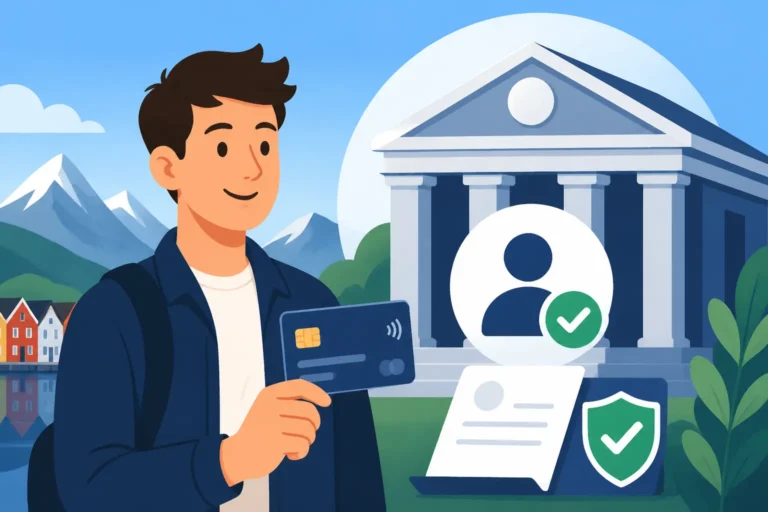
The process of setting up a shared financial life begins with both partners having their own established banking profile. You cannot simply "add" someone to your account if they aren't already a customer of that specific bank. Both of you will need to have gone through the "Know Your Customer" (KYC) process, which involves showing your passport and residence permit. Once both partners are in the system, the primary owner of the account can log into their online banking portal to grant access to the other.
Navigating the digital interface can be tricky if your Norwegian isn't fluent yet. You will need to look for a section usually labeled "Fullmakter" or "Dele konto" (Share account). Within this menu, you can enter your partner’s national identity number to send them an invitation to access the account. They will then have to log in with their own BankID to accept. This is why BankID Explained: Norway's Digital Identity System and Expat Challenges is such a critical topic; without a functioning BankID for both people, this entire digital "handshake" becomes impossible. If one partner is still waiting on their permanent ID number, you may find yourselves stuck using cash or individual cards for months.
Once the access is granted, the second person won't just automatically see the account in their app; they might need to "refresh" their view or add the shared account to their home screen. The next crucial step is ordering a second debit card. Most Best Norwegian Banks for Expats: DNB, Nordea, SpareBank 1, and Sbanken allow the secondary user to have their own BankAxept card. This card will have the secondary user's name on it but will draw directly from the primary owner’s account. Be aware that there is usually a small annual fee for this second card, but it is a small price to pay for the convenience of not having to pass a single card back and forth for grocery runs.
| Feature | Individual Account | Shared Access (Disposisjonsrett) |
|---|---|---|
| Legal Ownership | Single person only | Single person only |
| Visibility | Owner only | Both partners see balance/transactions |
| Spending Power | Owner only | Both partners (via separate cards) |
| Tax Reporting | 100% on Owner's tax return | 100% on Owner's tax return (default) |
| Vipps Integration | Full | Primary owner only (usually) |
| Account Fees | Standard | Standard + extra card fee |
Practical Strategies for Managing Couple Finances
Even with a shared account, the high Cost of Living in Norway 2026: Budgeting for Singles and Families means you need a solid strategy for who pays for what. Many expat couples choose to keep three accounts: one for Partner A's salary, one for Partner B's salary, and a "shared" household account that one partner technically owns but both access. At the start of the month, both partners use a service like Wise to move any foreign income into the shared NOK account, or simply set up an automatic transfer from their local salary accounts to cover rent and utilities.
In the daily flow of Norwegian life, you will quickly realize that Vipps, Debit Cards, and the Disappearance of Cash makes physical wallets almost obsolete. However, Vipps presents a unique challenge for shared banking. A Vipps profile must be linked to a person’s individual identity and a single bank account. If you want a "shared" Vipps for the household, it doesn't really exist. Usually, the person who "owns" the shared account links it to their Vipps. If the other partner needs to pay for something via Vipps, they often have to pay from their private account and then "request" the money back from the shared account. It's a bit clunky, but it becomes second nature after a few weeks.
For those with more complex financial lives, such as those earning income in multiple currencies, maintaining a Wise multi-currency account alongside your Norwegian bank is a lifesaver. It allows you to hold NOK, EUR, and USD simultaneously, which is perfect if you are still paying off a mortgage back home or receiving freelance payments from abroad. When it comes to local spending, however, always try to use the Norwegian BankAxept card for groceries. Many smaller shops or discount supermarkets like Rema 1000 have lower fees for BankAxept than for international credit cards, and some domestic terminals can be finicky with foreign-issued cards.
Tax and Legal Considerations for Shared Money
The most significant pitfall of the Norwegian "disposisjonsrett" system appears during tax season. Because the account is legally owned by one person, the entire balance of that account will appear on that person's pre-filled tax return (Skattemelding). If you have significant savings in that account, it could push the owner over the threshold for the Norwegian wealth tax, while the other partner appears to have no assets. To avoid this, you may need to manually adjust your tax returns to reflect that 50% of the money belongs to the other partner. Consulting with a firm like Taxes for Expats can be invaluable here, as they understand how to reconcile Norwegian tax reporting with the requirements of your home country, such as the FBAR in the United States.
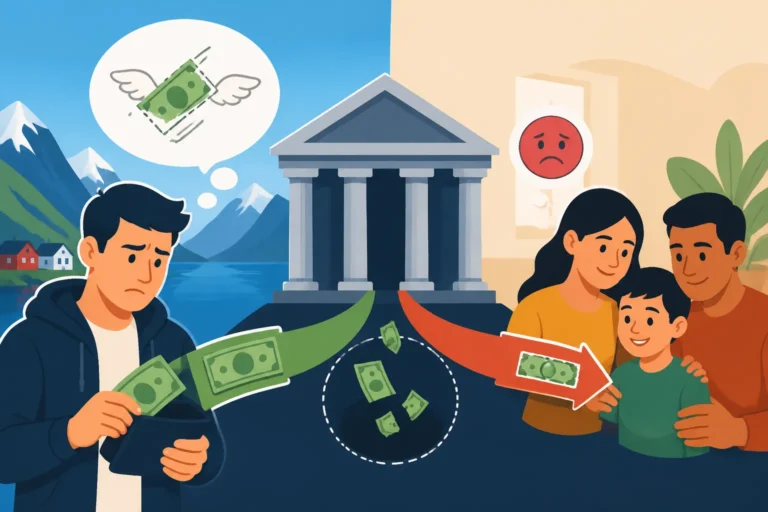
Another reality to face is what happens in the event of a breakup or the death of a partner. Because the account is in one person's name, if the owner passes away, the account is typically frozen as part of the estate settlement (skifte). The partner who only had "disposal rights" will lose access to that money immediately, even if their own salary was being deposited there. This is a terrifying prospect for an expat with no other local support system. As a veteran expat, my advice is to never keep 100% of your liquidity in an account you don't legally own. Ensure both partners have enough in their private accounts to cover at least two months of living expenses.
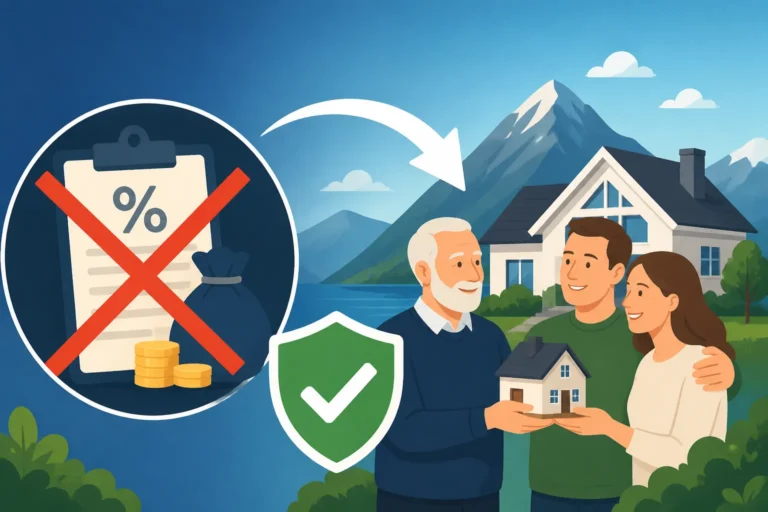
Finally, consider the implications of Tax Residency Rules: When Do You Become a Tax Resident of Norway? as you manage your shared funds. If you are moving large sums of money between partners, you should be aware of Gift Taxes: Transferring Money to Family Members in Norway. While Norway abolished the formal inheritance and gift tax years ago, large transfers must still be reported correctly to avoid red flags with the Skatteetaten. If you are ever unsure, using a professional service like Taxes for Expats to review your situation can prevent a massive headache (and potential fines) three years down the line when the tax office decides to audit your "shared" savings.
Disclaimer
The information provided in this guide is for educational and informational purposes only and does not constitute professional financial, legal, or tax advice. Banking regulations and tax laws in Norway are subject to change. You should consult with a qualified financial advisor, the Norwegian Tax Administration (Skatteetaten), or a specialized tax professional before making significant financial decisions.