How to Apply for a Tax Exemption Card (Frikort) for Summer Jobs
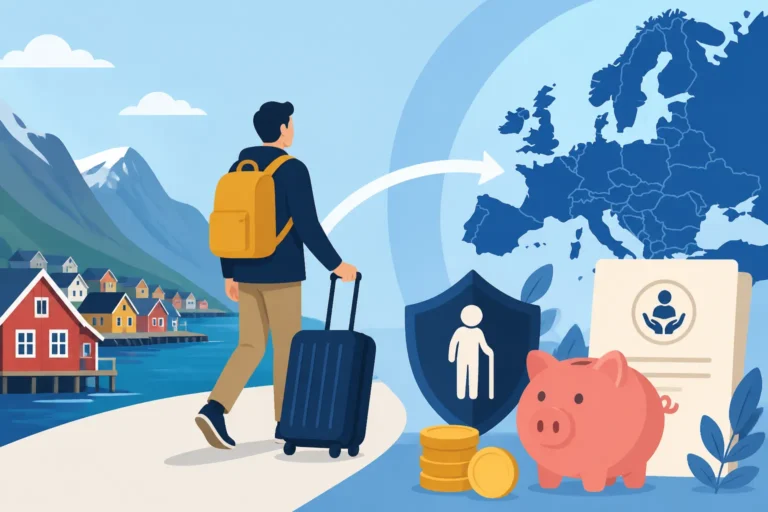
Oh, the joys of navigating a new country's tax system, especially when you're just trying to earn a bit of cash during the summer! It can feel like you need a degree in Norwegian bureaucracy just to figure out how to get paid without half your earnings vanishing into the ether. This guide is here to untangle the mystery of the Frikort – Norway's tax exemption card – so you can focus on your summer job with peace of mind, knowing exactly how to keep more of your hard-earned money.
What Exactly is a Frikort and Why Do You Need One for Your Summer Job?
Imagine starting a summer job in Norway, whether it's slinging coffee in Oslo, guiding tourists through the fjords of Bergen, or picking berries in the countryside. The last thing you want is for a significant chunk of your first paycheck to disappear into taxes, especially if you're not planning to earn a huge amount. This is precisely where the Frikort, or "tax exemption card," comes into play, offering a much-needed financial relief for those earning below a certain threshold.
Understanding the Basics of Norwegian Taxation for Short-Term Work
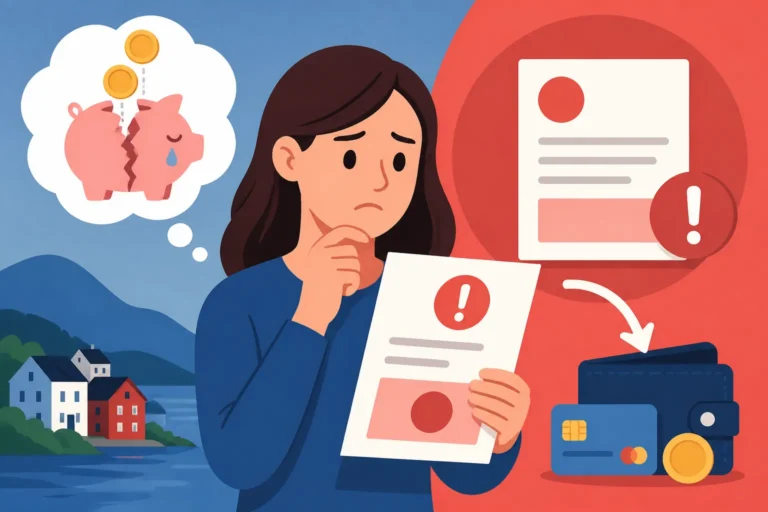
Norway's tax system, like many, operates on a "pay-as-you-earn" basis. This means your employer is legally obligated to deduct taxes from your salary before you even see it. Without a proper tax card, employers are typically instructed to deduct a hefty 50% as a preliminary tax, a figure that can come as a rather rude shock to anyone new to the system. This isn't because Norway wants to take half your money, but rather it's a cautionary measure to ensure that you don't end up with a massive tax bill at the end of the year. The idea is that any overpaid tax will be refunded to you, but who wants to wait until the next tax assessment season for money they needed today?
This is where understanding the importance of your tax card, or skattekort, becomes paramount. For most regular employees, a skattekort will indicate a specific percentage to deduct based on their estimated annual income. But for those on a summer job or with lower anticipated earnings, a frikort offers a simplified and more advantageous solution. Navigating these initial hurdles is a common point of frustration for many expats, and platforms like Taxes for Expats often get queries about how to avoid these initial, often surprisingly high, deductions.
The Magic of the Frikort: Zero Tax Up to a Certain Limit
The Frikort is essentially a special type of tax card that allows you to earn a specific amount of money within a calendar year without paying any income tax. For 2026, this tax-free threshold is set at NOK 70,000. Yes, you read that right – zero tax up to NOK 70,000! This means if your summer job, or combination of small jobs, doesn't exceed this total income, every single krone you earn is yours to keep, at least as far as income tax goes.
This is a fantastic benefit for students, temporary workers, or anyone just looking to earn a bit extra without the hassle of tax deductions. It's designed to simplify the process for both you and your employer, eliminating the need for complex tax calculations on smaller incomes. Once your employer receives your Frikort, they will simply pay out your gross salary directly to you, up until you hit that NOK 70,000 limit. It’s a literal game-changer for budgeting your summer earnings, whether you're saving for travel, future studies, or just the notoriously high cost of living in Norway. This also helps in avoiding any surprises when you eventually get your tax return (skattemelding), though understanding the entire process can be quite complex. You can read more about how the entire system works in our guide on If I Earn Under NOK 100,000 in 2026, Do I Pay Any Tax?.
Who Can Apply for a Frikort and What Are the Conditions?
While the Frikort sounds like a golden ticket, there are specific conditions and requirements you need to meet to be eligible. It's not just for anyone, but primarily designed for those whose total annual income will remain below the specified threshold. Understanding these rules upfront will save you a lot of headache and potential delays.
Eligibility for D-Number Holders and Fødselsnummer Holders
Whether you have a D-number or a Fødselsnummer largely dictates how easily you can apply for and receive your Frikort. Both are identification numbers issued by the Norwegian authorities, but they serve slightly different purposes and often come with different levels of access to digital services.
- Fødselsnummer Holders (Norwegian National Identity Number): If you've been living in Norway for a while and have been registered in the National Population Register (Folkeregisteret), you'll have a Fødselsnummer. This number grants you full access to Norway's digital public services, including the online portal of Skatteetaten (the Norwegian Tax Administration). Applying for a Frikort with a Fødselsnummer is generally straightforward and can usually be done entirely online using your BankID. If you're unsure about the difference or need to understand your unique situation, our article on D-Number vs Fødselsnummer: How It Affects Your Banking Options provides a comprehensive overview.
- D-Number Holders (Temporary Identification Number): Many new arrivals, particularly those on shorter contracts or who haven't yet fulfilled the requirements for a Fødselsnummer, will be issued a D-number. While a D-number allows you to open a bank account and work, it often limits your access to digital services, including obtaining a BankID. This can complicate the online application process for a Frikort, often requiring a more "analogue" approach. However, it's absolutely still possible to get a Frikort with a D-number – it just might involve a few more steps, as we'll explain later. You might find it useful to check out Can I Open a Norwegian Bank Account Without a Permanent Address? as a D-number holder.
Income Limits and Other Key Requirements
The primary condition for a Frikort is, as mentioned, the income limit of NOK 70,000 for 2026. This is a strict cumulative limit for all your income within a calendar year, not per job. So, if you have two summer jobs, the combined income from both must not exceed this amount. If you anticipate earning even a single krone over NOK 70,000, you are actually not eligible for a Frikort and should apply for a regular tax card (skattekort) instead, which specifies a tax percentage.
Here are other important requirements:
- Employment in Norway: You must be employed by a Norwegian employer. This scheme is specifically for income earned from work performed in Norway.
- Tax Residency: While often related to longer-term stays, even short-term workers are generally considered tax resident in Norway for the duration of their employment if they are working for a Norwegian entity.
- Only one Frikort: You can only have one Frikort per calendar year. Skatteetaten keeps track of your total declared income under this card. If you have multiple jobs, you'll issue the same Frikort to all your employers, and they will collectively stop deductions once the limit is reached. It’s your responsibility to monitor your income.
- Age: While there's no strict age limit for a Frikort, it's often used by younger individuals (e.g., students) entering the workforce for the first time.
If you somehow go over the NOK 70,000 threshold with a Frikort, your employer will eventually be required to start deducting tax at a higher rate (usually 50% by default) until you request a regular Skattekort. It's much better to preemptively apply for a regular Skattekort if you know you'll exceed the Frikort limit. Our guide on Understanding Your Skattekort (Tax Deduction Card) and How to Change It provides more details on this.
Your Step-by-Step Guide to Applying for a Frikort Online (and Offline!)
Applying for a Frikort doesn't have to be a bewildering experience. Skatteetaten has made significant strides in digitalizing its services, but they also maintain analogue options for those who can't access or use the online portals. Here’s how you can navigate the process, regardless of your digital access.
Preparing Your Documents and Information
Before you even log onto Skatteetaten's website or head to their office, make sure you have all the necessary information at hand. This will make the process much smoother and prevent you from having to backtrack.
You will typically need:
- Your Identification Number: Your Fødselsnummer (11 digits) or D-number (11 digits, usually starting with a 4, 5, 6, or 7).
- Employer Details: The name and organization number (organisasjonsnummer) of your employer(s). You can get this from your employer or their website.
- Estimated Income: Your best estimate of how much you expect to earn from your summer job(s) in the current calendar year. Remember, this must be NOK 70,000 or less for a Frikort.
- Bank Account Details: Your Norwegian bank account number (IBAN) for any potential refunds (though with a Frikort, refunds are unlikely if you stay below the limit) or if you need a regular Skattekort later. If you don't have a Norwegian bank account yet, you should prioritize setting one up.
Navigating Skatteetaten's Website: The Digital Application Process
If you have a Fødselsnummer and, crucially, a BankID, this is the easiest and quickest way to apply for your Frikort. BankID is Norway's primary digital identification system, and it's your key to most online public services.
- Access Skatteetaten's Website: Go to
skatteetaten.no. You'll want to look for "Bestille skattekort" (Order tax card). - Log In: Click on the login button (
Logg inn) and chooseBankID(or BankID på mobil, if you still use that older system). Follow the prompts to log in securely. Our guide on BankID Explained: Norway's Digital Identity System and Expat Challenges is a must-read if you're new to this. - Find the Tax Card Service: Once logged in, navigate to the section for ordering or changing your tax card. This is usually found under "Skattekort og forskuddsskatt" (Tax card and advance tax).
- Choose Frikort: Select the option to order a Frikort. You'll be asked to confirm your personal details and provide your estimated income for the year. Ensure this amount is NOK 70,000 or less.
- Confirm and Submit: Review all the information carefully. Once you're satisfied, submit your application.
- Confirmation: Skatteetaten will usually process this quite quickly. You'll receive a confirmation, and your Frikort will be made electronically available for your employer. You can also view it on your personal page on Skatteetaten. Your employer should be able to retrieve it automatically.
This digital route is by far the most efficient. However, many expats, especially those new to Norway, might face challenges with BankID, as getting one often requires a Fødselsnummer and a more established banking relationship. If you're stuck, refer to our comprehensive article on Overcoming the BankID Block: Workarounds for D-Number Holders.
What to Do If You Don't Have BankID (The Analogue Route)
This is the path most D-number holders, or those very new to Norway without full digital ID, will need to take. It's a bit more manual, but perfectly doable.
- Visit a Tax Office (Skattekontor): You will need to physically visit a Skattekontor (tax office) to apply for your Frikort. It's highly recommended to book an appointment in advance, as walk-ins can lead to long waiting times, especially during peak seasons. You can usually find the nearest office and appointment booking information on Skatteetaten's website.
- Required Documents for In-Person Application:
- Valid Passport or National ID Card: This is crucial for identification. Make sure it's valid and if you're from a non-EU/EEA country, ensure it was used to enter Norway legally.
- Employment Contract: Bring your signed employment contract from your summer job. This proves you have a legitimate reason to be requesting a tax card and provides your employer's details.
- Confirmation of D-number (if applicable): If you've just received your D-number, any official letter confirming it can be helpful.
- Estimated Income: Be prepared to state your estimated income for the year.
- Fill Out the Form: At the tax office, you'll be guided through filling out the necessary form to apply for a tax card (usually Form RF-1209). The staff can assist you with any questions.
- Receive Your Frikort: Skatteetaten will process your application. You might receive a temporary printout, or they will inform you that your Frikort has been generated electronically and your employer can retrieve it.
It’s important to remember that even with a D-number, this process ensures you get your Frikort. Don't let the lack of BankID deter you; the tax office staff are generally quite helpful, and it's a routine procedure for them to assist new arrivals.
Receiving Your Frikort and What Happens Next
Once you've successfully applied for your Frikort, either online or in person, the process is largely out of your hands. Skatteetaten will make your tax card available electronically. However, there are still a few things you should know about how it works and what to do if your situation changes.
How Your Employer Uses the Frikort
The beauty of Norway's digital tax system is that your employer doesn't need a physical card from you. Once Skatteetaten issues your Frikort, it's electronically available for all registered employers.
- Employer Retrieval: Your employer will log into their system with your Fødselsnummer or D-number and retrieve your current tax card information directly from Skatteetaten.
- Zero Tax Deduction: They will see that you have a Frikort for up to NOK 70,000 (for 2026) and will deduct 0% tax from your salary.
- Monitoring the Limit: It's crucial for you to keep an eye on your cumulative earnings. While the system should alert employers when the limit is approached or exceeded, it's ultimately your responsibility to manage this.
It's a good practice to confirm with your employer that they have indeed retrieved your Frikort before your first payday. This small step can prevent the dreaded 50% emergency tax deduction.
When Your Income Exceeds the Frikort Limit: The "Skattekort" Transition
Life happens, and sometimes you end up earning more than you initially expected. Maybe your summer job got extended, or you picked up extra shifts. What happens then?
If you realize you're going to earn more than the NOK 70,000 Frikort limit in the calendar year, you must apply for a regular tax card (skattekort). You cannot just keep using the Frikort and expect everything to sort itself out at tax time without penalties or a huge retrospective tax bill.
Here's how to handle the transition:
- Apply for a New Tax Card: Go back to Skatteetaten's website (or visit the tax office if you don't have BankID) and apply for a new
skattekort. This time, you will enter your estimated total annual income for the year. Skatteetaten will then calculate a tax percentage based on this estimate. - Skattekort Issued: Skatteetaten will issue a new
skattekortwith a specific tax percentage. This will also be available electronically for your employer. - Employer Updates Deductions: Your employer will retrieve this new
skattekortand start deducting tax from your subsequent paychecks according to the new percentage. - What about the tax-free portion?: The initial NOK 70,000 you earned under the Frikort will remain tax-free. The new tax percentage will only apply to the income above that threshold, adjusted for the remainder of the year. Skatteetaten's calculations ensure that by the end of the year, you've paid the correct amount of tax on your total income.
It's worth noting that managing your finances when your income changes can be tricky, especially if you're sending money home. Services like Wise can be incredibly useful for managing international money transfers with transparent fees, helping you keep track of your money across borders. Making sure you have the correct tax card is a fundamental part of responsible financial management here in Norway.
Here’s a quick overview of the differences between the Frikort and a regular Skattekort:
| Feature | Frikort (Tax Exemption Card) | Skattekort (Regular Tax Card) |
|---|---|---|
| Purpose | Zero tax deduction up to a specific annual income limit. | Specifies a percentage of tax to be deducted from salary. |
| Income Limit | NOK 70,000 (2026) total annual income. | No upper income limit; for all income levels. |
| Deduction Rate | 0% up to the limit. | Varies based on estimated income, deductions, etc. |
| Who Needs It | Students, temporary workers, those with low annual earnings. | Most employees with income above the Frikort limit. |
| Application | Based on estimated total annual income <= NOK 70,000. | Based on estimated total annual income. |
| If Exceeded | Must apply for a regular Skattekort to avoid high default tax. | Automatically adjusts deductions if estimate is updated with Skatteetaten. |
| Refunds | Unlikely, as no tax is deducted. | Possible if too much tax was deducted during the year. |
Remember, staying proactive about your tax card status will save you a lot of hassle and potential financial surprises. Whether you're making your first krone or are a seasoned expat, understanding these nuances is key to thriving in Norway.
Disclaimer
The information provided in this guide is for general informational purposes only and does not constitute professional tax or legal advice. Tax laws and regulations in Norway are subject to change, and individual circumstances can vary greatly. While we strive to provide accurate and up-to-date information, we recommend consulting directly with Skatteetaten or a qualified tax advisor for personalized advice regarding your specific situation.