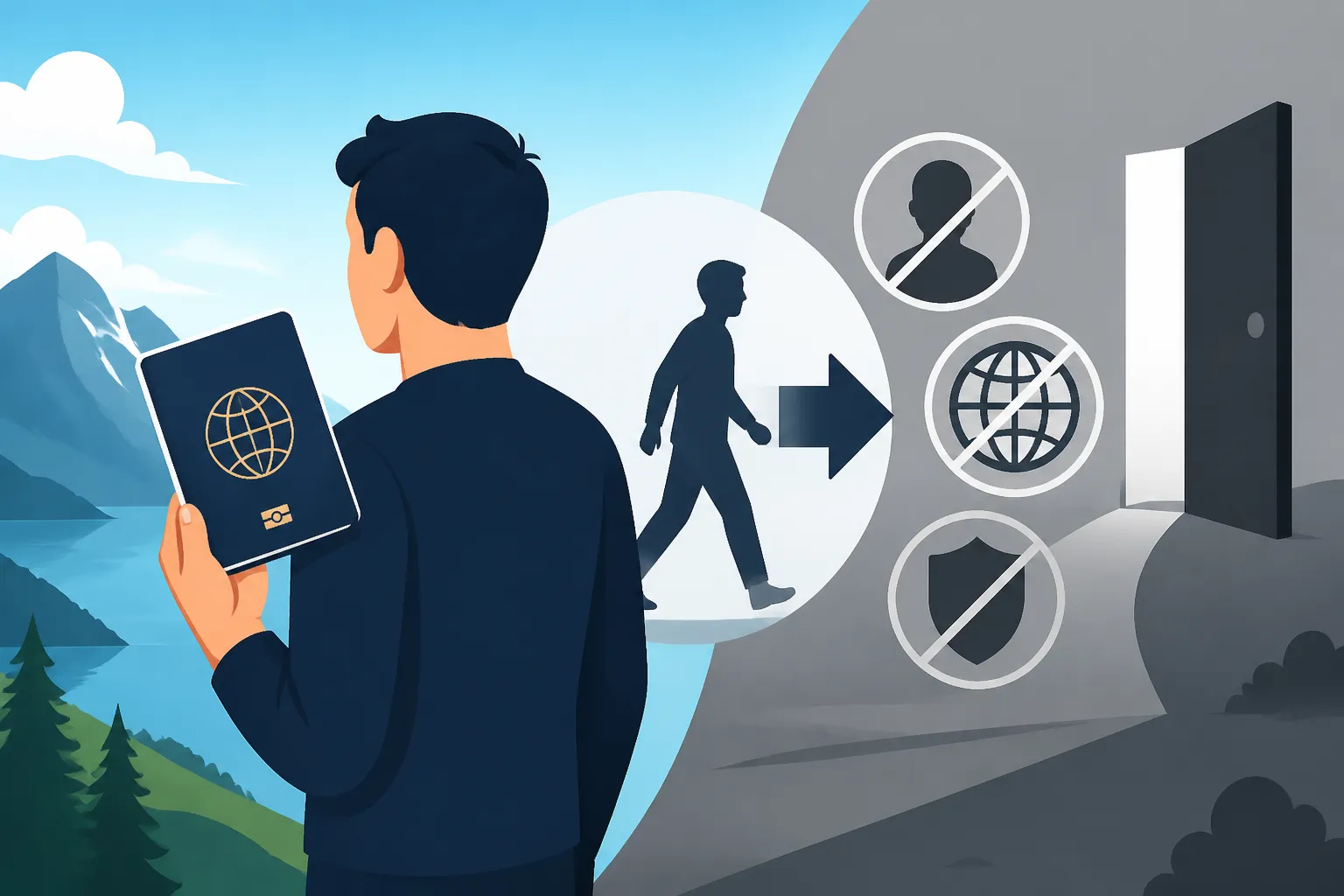
Giving Up Norwegian Citizenship: Procedures and Consequences
Making the decision to give up your Norwegian citizenship is not a minor one; it's a significant life event that carries deep personal and legal implications. For many, Norway becomes home, and the idea of letting go of that connection can feel overwhelming, even if there are compelling reasons. This guide is here to walk you through the procedures and the very real consequences you'll face if you choose to relinquish your Norwegian citizenship, offering a realistic perspective on what it truly means to step away from your affiliation with this country.
Why Would Someone Give Up Norwegian Citizenship? Exploring the Motivations
It might sound counter-intuitive to some – why would anyone choose to give up citizenship in a country consistently ranked among the best places to live? Yet, for expats and those with complex international lives, the reasons are often deeply personal and very practical. It's rarely a frivolous choice, but rather one made after much consideration, often weighing one identity against another, or navigating the intricate laws of different nations.
Reclaiming a Former Citizenship or Gaining a New One
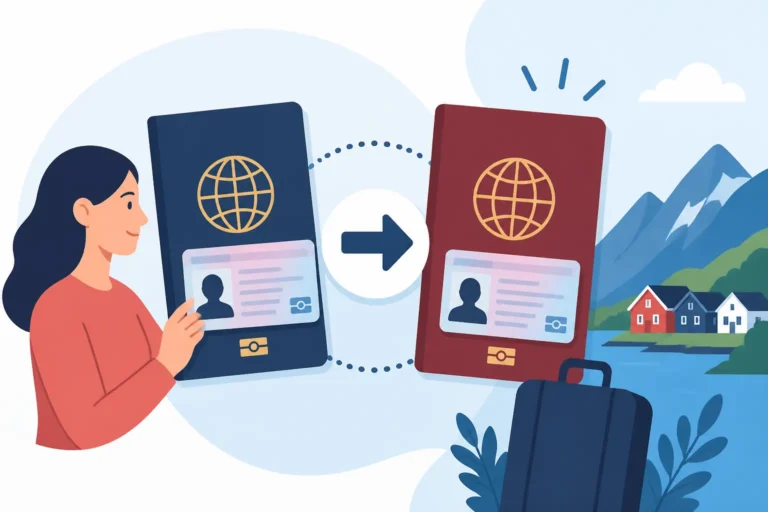
One of the most common drivers for relinquishing Norwegian citizenship stems from the desire to acquire or reclaim citizenship in another country. While Norway has allowed dual citizenship since 2020, removing a significant hurdle for many, there are still nations around the world that strictly prohibit it. Imagine you've spent years in Norway, built a life, and gained citizenship, perhaps even feeling truly Norwegian in spirit. However, your heart might still strongly yearn for your country of origin, or a new country where a partner or family resides has captured your long-term commitment.
Let's say your birth country, for instance, has a "one citizen, one passport" policy. If you want to regain that original citizenship or take up citizenship in a third country that demands you renounce all others, then giving up your Norwegian passport becomes a necessary step. It’s a very real scenario for many who find themselves caught between two worlds, forced to make a choice that often feels like choosing between parts of their identity. The emotional weight of this decision can be immense; it’s not just about a document, but about severing a legal tie that has profound symbolic meaning.
Avoiding Specific Obligations or Potential Issues
While less common, some individuals might consider giving up Norwegian citizenship to avoid certain perceived obligations or potential future issues. For younger individuals, particularly those who acquired Norwegian citizenship through naturalization, there might be questions surrounding military service requirements. Although Norway has universal conscription, there are many exemptions, and military service is not automatically required for all citizens. However, if one's original country also has mandatory service and they wish to remain solely tied to that nation, this could factor into their decision-making.
Another area that occasionally comes up, though less frequently for the average citizen, relates to complex international tax situations or legal entanglements. For high-net-worth individuals with assets and business interests across multiple jurisdictions, navigating the tax obligations of several countries can be incredibly complex. While Norway has numerous tax treaties, for some, simplifying their legal identity by committing to a single citizenship might be a consideration, even if it means letting go of their Norwegian ties. It’s a niche concern, but it highlights that for some, the decision is a strategic move to streamline their legal and financial footprint globally, rather than a reflection of dissatisfaction with Norway itself.
The Formal Procedure for Relinquishing Norwegian Citizenship
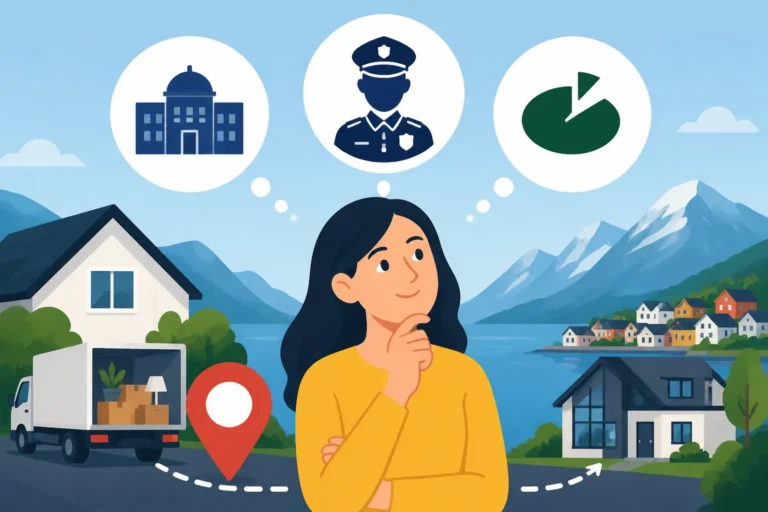
Once you’ve made the difficult decision to give up your Norwegian citizenship, understanding the formal steps involved is crucial. This isn't something you can just decide one day and be done with. It's a structured process managed by the Norwegian Directorate of Immigration, or UDI, which ensures that all legal requirements are met and, importantly, that you don't become stateless in the process. Navigating the UDI system can feel daunting for even the most seasoned expat, so being prepared is key. If you've previously dealt with visa applications or Navigating the UDI and Police Portal: Booking Appointments and Tracking, you'll have a sense of the bureaucracy involved.
The Application Process with UDI
The journey begins with the Utlendingsdirektoratet (UDI), who are responsible for all matters related to immigration and citizenship in Norway. The core principle here is that Norway will generally not allow you to become stateless. This means you must either already possess citizenship in another country or have a guarantee that you will acquire citizenship in another country immediately upon your Norwegian citizenship being revoked.
You'll need to submit an application requesting to be released from your Norwegian citizenship. This typically involves filling out a specific form, often available on the UDI's website. It's not the same as a straightforward visa application; it's a request to formally sever ties. The form will ask for detailed information about your current Norwegian citizenship, your reasons for wanting to renounce it, and, crucially, robust evidence of your alternative citizenship. Without proof that you will have another citizenship, your application will almost certainly be denied. This emphasis on ensuring you remain a citizen of some country is a fundamental part of international human rights law that Norway upholds.
Required Documentation and Evidentiary Proof
Gathering the necessary documents is often the most time-consuming part of the process. You'll generally need to provide:
- Proof of your Norwegian citizenship: This could be your Norwegian passport, birth certificate (if born in Norway to Norwegian parents), or your citizenship certificate.
- Your current Norwegian passport: You may be asked to surrender this upon approval.
- Proof of your other citizenship: This is the most critical document. It could be a foreign passport, a citizenship certificate from another country, or an official letter from a foreign government confirming that you are, or will become, a citizen of their country upon renunciation of your Norwegian citizenship. This letter is often conditional, stating that their citizenship will be granted after Norway releases you.
- Birth certificate: Your original birth certificate might be required, especially if your nationality history is complex.
- Marriage certificate/divorce papers (if applicable): To verify identity and name changes.
- Any other documents UDI deems relevant: They might ask for additional papers depending on your specific case.
It's vital that all foreign documents are officially translated into Norwegian or English by a certified translator. This is where services like RushTranslate or Translayte can be incredibly helpful, ensuring your documents meet UDI's stringent requirements for certified translations. Don't underestimate the importance of clear, accurate, and properly certified translations; mistakes here can cause significant delays in your application. Ensure that you have original documents, and provide copies as requested, remembering that UDI will need to verify everything thoroughly.
The Waiting Game and Decision Process
Once you’ve submitted your comprehensive application and all supporting documents, the waiting game begins. UDI processing times can vary significantly, often taking several months or even longer, depending on their workload and the complexity of your case. You might not hear anything for extended periods, which can be frustrating. You can often track your case status through the UDI portal, but direct communication is often limited to formal requests for more information or the final decision.
During this period, UDI will assess your application to ensure all criteria are met, particularly the proof of your alternative citizenship. They want to be absolutely sure that by releasing you from Norwegian citizenship, they are not creating a stateless individual. If there are any ambiguities or missing information, they will contact you, potentially leading to further delays. Once a decision is made, you will receive official notification. If your application is approved, your Norwegian citizenship will be formally revoked. If it is rejected, you will receive an explanation and information on how to appeal the decision to UNE (the Immigration Appeals Board), if you choose to do so. This process mirrors the appeals you might face with other complex immigration matters, highlighting the need for thorough preparation from the outset.
Significant Consequences of Giving Up Norwegian Citizenship
Relinquishing your Norwegian citizenship isn't just about handing back a passport; it's about fundamentally altering your legal status and relationship with Norway, and potentially with the entire Schengen area. These consequences can be far-reaching, impacting everything from your right to reside in Norway to your access to social services. It’s crucial to understand that you are stepping from the status of a full citizen to that of a foreigner, with all the accompanying rules and regulations.
Loss of Rights and Privileges
The most immediate and impactful consequence is the loss of rights and privileges that come with Norwegian citizenship. First and foremost, you will no longer have the automatic right to live, work, or study in Norway. While you might still have a right to reside if you qualify for EU/EEA Citizens Moving to Norway: Registration Rules and Rights or a Skilled Worker Visa in Norway: Eligibility, Salary Thresholds, and Process based on other factors, your unfettered right to call Norway home disappears.
You will also lose your voting rights in national and local elections, your right to hold public office, and your entitlement to diplomatic protection from the Norwegian state when you are abroad. Imagine you run into trouble while traveling; the Norwegian embassy will no longer be your point of contact for assistance. Furthermore, while many social benefits like those under Social Security in Norway: Understanding National Insurance Contributions are tied to residency and contributions, some deep-seated rights and protections are inherently linked to citizenship. You will be subject to immigration controls like any other non-citizen. This means if you want to visit Norway, you may need a visa, depending on your new citizenship, and your stays will be limited by Schengen area rules.
Immigration Status in Norway and Schengen Area
After renouncing your Norwegian citizenship, your status in Norway and the broader Schengen area will completely change. You will become a foreign national, subject to the same immigration laws as anyone else from your new country of citizenship. This means that if you wish to reside in Norway again, you will need to apply for a residence permit, such as a Family Immigration to Norway: Visas for Spouses, Children, and Parents if you have family here, or a work permit, following the same strict requirements as other expats.
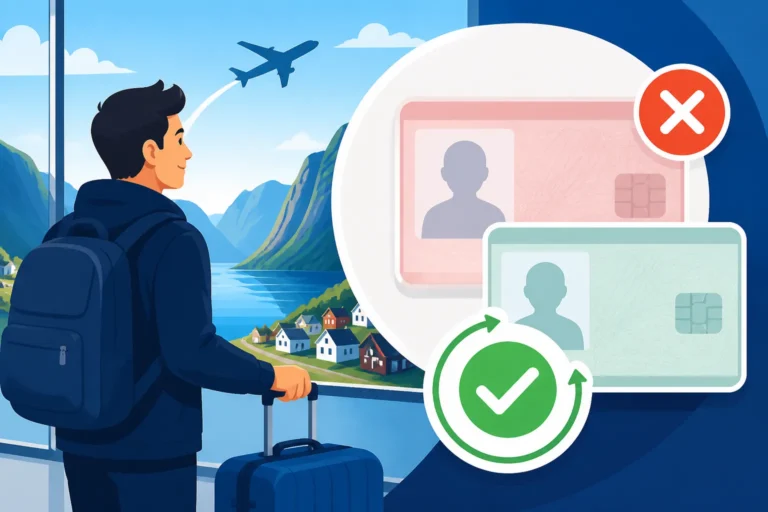
Even visiting Norway as a tourist will now be dependent on your new nationality. If your new passport requires a Schengen visa, you will need to apply for one, and your visits will be limited to 90 days within any 180-day period across the entire Schengen zone. This is a stark contrast to the freedom of movement a Norwegian passport provides. Failing to adhere to these rules can lead to serious consequences, including fines, bans from the Schengen area, or even Deportation and Expulsion (Utvisning): Legal Grounds in Norway. It's a fundamental shift from being a "member of the club" to being an invited guest, with all the associated restrictions and potential bureaucratic hurdles.
Practical Implications for Everyday Life
Beyond the legal status, there are numerous practical implications for everyday life that can arise from giving up your Norwegian citizenship. If you've lived in Norway for a long time, you might have relied heavily on your Norwegian national ID number (fødselsnummer) for services like Banking in Norway: How to Open an Account as a Foreigner and especially for BankID Explained: Norway's Digital Identity System and Expat Challenges. While those who have resided in Norway will often retain a D-number, your access to certain digital services or ease of transactions might change. You may find some administrative processes require a fødselsnummer or become more cumbersome with only a D-number. Understanding the nuances of D-Number vs Fødselsnummer: How It Affects Your Banking Options becomes more critical than ever.
Travel will also be different. You will no longer use your Norwegian passport, and the visa-free access it provides to many countries will be replaced by the travel rights of your new nationality. This might mean needing visas for destinations you previously could enter freely. Furthermore, if you decide to move away from Norway after renouncing citizenship, your tax residency status will be purely based on physical presence and economic ties, without the added layer of citizenship. If you later decide to return to Norway for work or family, your journey will be similar to any other expat looking to Working in Norway: The Ultimate Job Hunting Guide for Expats. This decision truly means a new chapter, with a completely different legal and practical framework for engaging with Norway.
| Feature | Norwegian Citizen | Former Norwegian Citizen (Foreign National) |
|---|---|---|
| Right to Live in Norway | Automatic, permanent | Requires residence permit (e.g., work, family, study visa) |
| Right to Work in Norway | Automatic | Requires work permit or specific visa |
| Voting Rights | National and municipal elections | None |
| Passport & Diplomatic Aid | Norwegian passport, embassy protection abroad | New country's passport, protection from new country's embassy |
| Freedom of Movement | Schengen Area, EU/EEA, many other countries | Based on new citizenship (may require visas for Schengen or other nations) |
| Access to Public Services | Full access (many based on residency/contributions) | Full access (many based on residency/contributions, but some citizenship-tied) |
| Holding Public Office | Eligible | Not eligible |
| Military Service (if applicable) | Eligible for conscription (many exemptions) | Based on new citizenship country's laws (if applicable) |
Disclaimer
The information provided in this article is intended for general informational purposes only and does not constitute legal advice. Immigration laws and procedures in Norway are complex and subject to change. It is essential to consult with the Norwegian Directorate of Immigration (UDI) or a qualified immigration lawyer for advice tailored to your specific situation before making any decisions regarding your citizenship status.