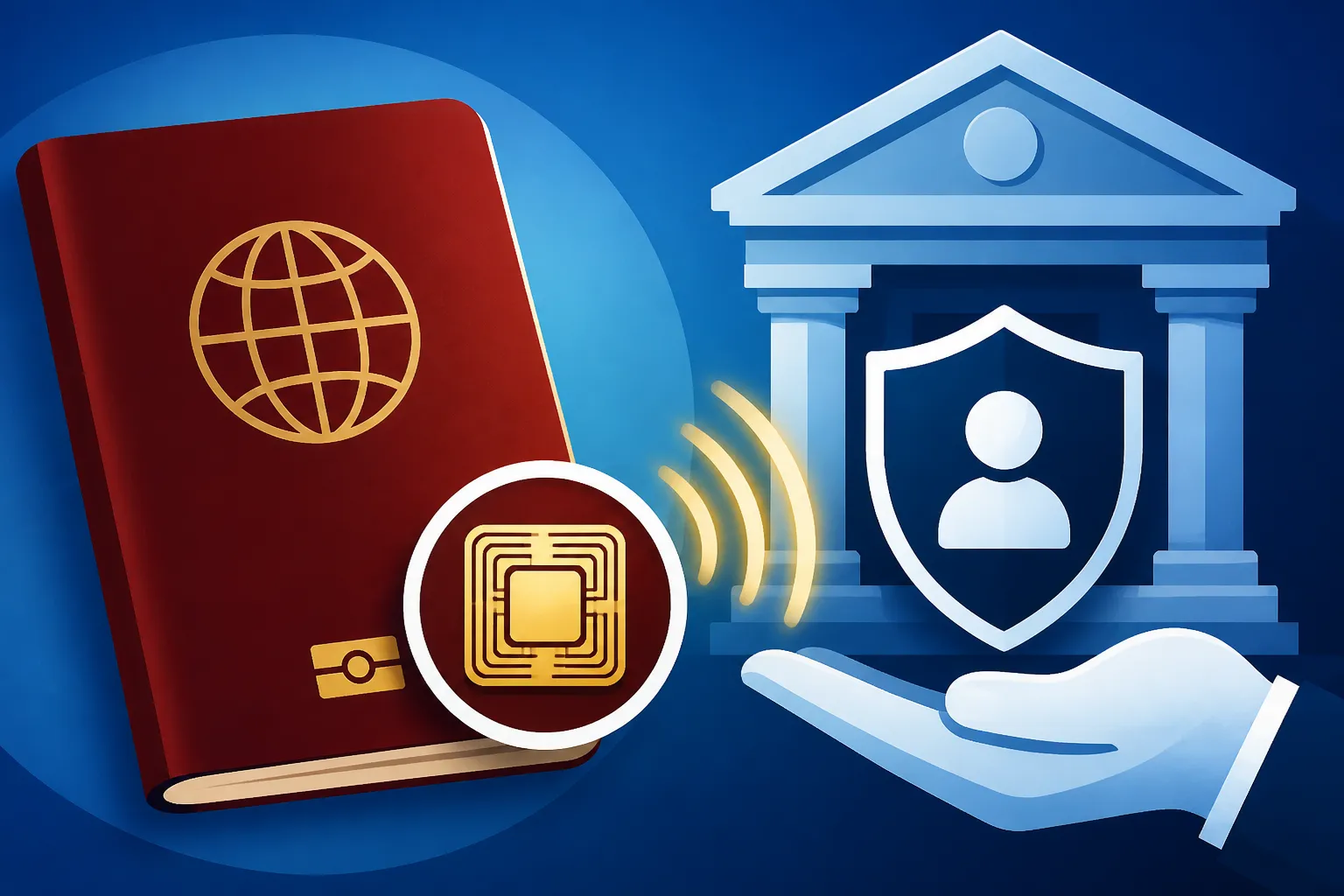
Passport with RFID Chip: Why Norwegian Banks Demand It for BankID
Oh, the joy (and sometimes utter bewilderment) of setting up life in Norway! You've navigated the visa process, found a place to live, maybe even started a job, and now you’re at the bank, ready to get your financial life sorted. You hear "BankID," you think, "Great, digital ID, how modern!" Then comes the curveball: "Is your passport RFID-enabled?" And just like that, another administrative hurdle looms large, leaving you wondering why your perfectly valid passport isn't quite valid enough for Norway's digital age. This guide is here to unravel that mystery, explain why Norwegian banks are so particular about your passport's tech, and help you understand the path forward.
The Digital Gatekeeper: Why BankID is Everything in Norway
If you've been in Norway for any length of time, you've probably heard the term "BankID" thrown around like it's the answer to all life's questions. And honestly, it pretty much is. BankID isn't just for banking; it's your key to almost everything official and personal online here. Without it, you're essentially locked out of vital digital services, and that can feel incredibly frustrating and isolating for newcomers.
BankID: The Absolute Must-Have Digital Identity
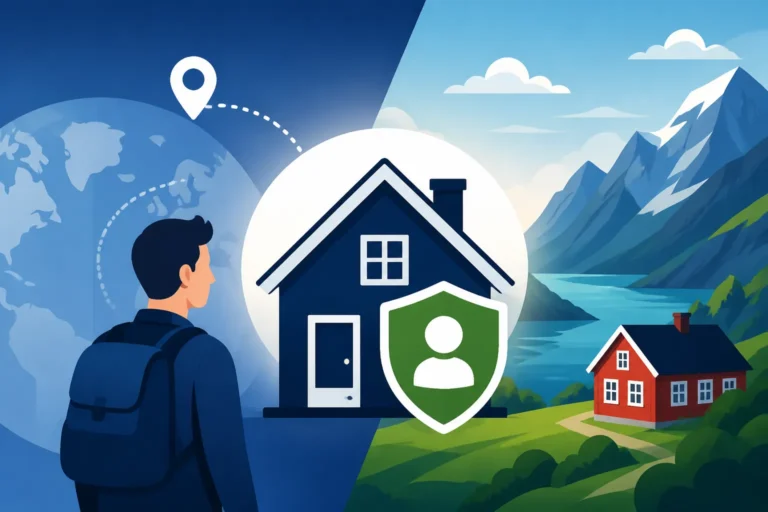
Imagine a single digital key that unlocks your online bank, allows you to sign contracts, access your tax information via Skatteetaten, manage your health records on Helsenorge, apply for benefits from NAV, and even vote in some elections. That, my friends, is BankID. It’s a national electronic identification system used by all Norwegian banks, and it's built on a foundation of trust and robust security. For expats, getting this sorted is often among the first and most critical items on the administrative checklist, right alongside securing a D-number or Fødselsnummer and opening a bank account. Many newcomers arrive thinking their bank account is the end goal, only to discover it's merely a stepping stone to the true digital integration provided by BankID.
Security and Trust: The Pillars of BankID
The Norwegian system, much like the country itself, prioritizes security and trust above almost all else. BankID is designed to provide the highest level of assurance that you are who you say you are when interacting with sensitive online services. This isn't just about protecting your money; it's about protecting your personal data, preventing identity theft, and ensuring the integrity of official communications. When banks ask for specific documentation, especially a passport with an RFID chip, they're not trying to be difficult for the sake of it. They're adhering to strict national and international regulations designed to combat financial crime, money laundering, and terrorism financing. Think of it as Norway's way of ensuring the digital ecosystem remains a safe and reliable space for everyone.
The RFID Factor: A Deep Dive into Biometric Passports
So, what exactly is this "RFID chip" that Norwegian banks are so keen on, and why does your passport need one to get your BankID sorted? It's all about advanced identity verification in a world where digital security is paramount.
What is an RFID Chip and Why Does it Matter?
An RFID (Radio-Frequency Identification) chip is a tiny electronic component embedded within your passport's cover or a data page. This chip stores the same personal data that's printed on your passport's biographical page, including your name, date of birth, and nationality. Crucially, it also contains a digital version of your photograph and other biometric data, such as fingerprints (though not all passports include fingerprints on the chip). When a bank or authority scans your passport, a reader communicates wirelessly with this chip. This allows them to quickly and accurately verify your identity, cross-referencing the printed information with the secure data stored on the chip. The goal is to make it incredibly difficult to forge identities or tamper with travel documents. This advanced technology ensures a higher level of security than traditional, non-biometric passports, which rely solely on visual inspection.
Beyond Visual: Digital Verification for Enhanced Security
The real magic of the RFID chip for Norwegian banks lies in its ability to provide a cryptographic signature. When your passport is scanned, the chip sends its data, and the scanning device can then verify that the chip is legitimate and that the data hasn't been altered since the passport was issued. This digital verification adds a crucial layer of security, making it exponentially harder for criminals to use fake or tampered passports for identity fraud. For a country that operates largely cashless and relies heavily on digital identification through systems like BankID, this robust verification process is essential. It’s not just about what your passport looks like; it’s about what it can digitally prove about you. Without this digital assurance, banks are hesitant to issue the highest level of digital identification. This is especially relevant for preventing financial crimes and ensuring compliance with anti-money laundering (AML) regulations, which are very stringent in Norway.
Navigating the System: What to Do If Your Passport Isn't RFID-Ready
Finding out your passport isn't sufficient can be a major setback, especially if you're fresh off the plane and eager to settle in. It's a common expat frustration, and sadly, there aren't many convenient shortcuts around it when it comes to BankID.
The Limited Workarounds (and Why They Aren't for BankID)
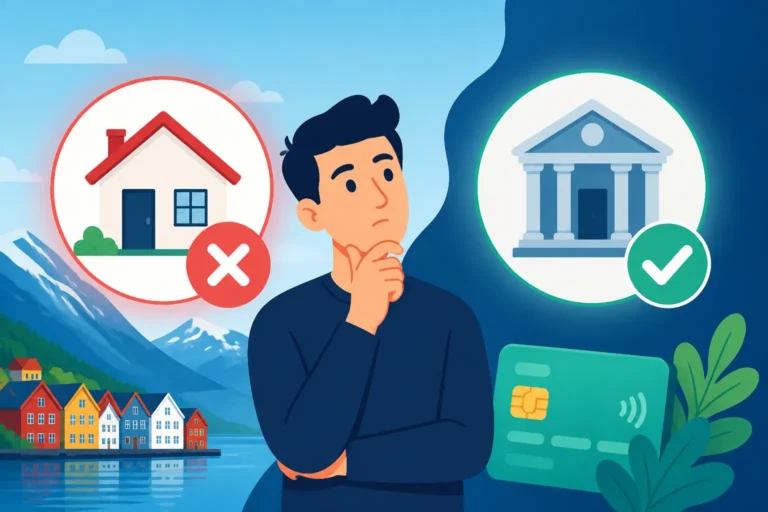
If your passport doesn't have an RFID chip, you'll likely hit a wall when trying to obtain a full-fledged BankID from a Norwegian bank. While some temporary solutions exist for specific needs – for example, you might be able to get a temporary D-number that allows you to open a basic bank account, or use other forms of ID for minor interactions – these generally won't grant you BankID access. You might be able to pay bills online using your nettbank login and password, but that’s not the same as full BankID. For instance, if you need to access services like How to Book a Doctor’s Appointment Online Using BankID or How to Renew a Prescription on Helsenorge, a temporary workaround won't cut it. For tourists or those with only a D-number, accessing certain services can be challenging. Our guide on Can I See a Doctor in Norway if I Only Have a D-Number? delves into these limitations.
The Inevitable Path: Renewing Your Passport
Let's be blunt: if you plan to live and work in Norway long-term and truly integrate into its digital society, renewing your passport to an RFID-enabled version is likely unavoidable. Most countries have transitioned to issuing biometric passports with RFID chips, so if yours isn't, it might simply be an older version due for renewal anyway. The process will involve contacting your home country's embassy or consulate, either in Norway or your previous country of residence. This can take time and involve costs, but it's a necessary step for complete integration. While you wait for your new passport, you can still work on other crucial steps like applying for your Fødselsnummer (if you haven't already), which will greatly streamline your access to services once your new passport arrives. Remember, understanding D-Number vs Fødselsnummer: How It Affects Your Banking Options is crucial here.
Beyond Passports: Other Identity Challenges for Expats in Norway
The passport challenge is often just one piece of a larger puzzle when it comes to proving your identity and gaining full access to Norway's systems. Expats frequently face a layered approach to identity verification that can be confusing.
The D-Number vs. Fødselsnummer Saga
Before you even get to BankID, you're likely grappling with the D-number and Fødselsnummer. The D-number is a temporary identification number for those staying in Norway for less than six months or who don't meet the criteria for a permanent address registration. It's your initial entry point into the Norwegian system, allowing you to open a basic bank account or pay Taxes for Expats. However, for full integration, including BankID and access to the full suite of public services, the Fødselsnummer (national identity number) is essential. This permanent 11-digit number is issued once you register as a resident and signifies a deeper level of integration. Without an RFID passport, even getting a Fødselsnummer processed can sometimes face delays if the authorities cannot securely verify your identity document. It's a bit of a chicken-and-egg situation sometimes, where one document relies on the other for verification. Our guide How Long Does it Take to Get a Fødselsnummer for BankID? can offer more insights into this timeline.
The Interconnected Web of Norwegian Bureaucracy
It often feels like everything in Norway is interconnected, and indeed it is, particularly when it comes to your official identity. Your passport affects your ability to get a Fødselsnummer, which affects your ability to get BankID, which then affects almost every other interaction you have with the Norwegian state and even private services. For example, if you want to set up utilities like electricity or internet, having a BankID simplifies the process enormously, often allowing you to sign contracts digitally. Filing Your Tax Return (Skattemelding): Deadlines and Common Deductions is almost impossible without BankID, as is accessing your digital post from Skatteetaten. This integrated approach, while highly efficient once you're in, can be a steep learning curve for those facing initial hurdles. When you eventually need to transfer money internationally, services like Wise become invaluable, but even setting up your profile with them might require robust identity verification that mirrors local bank requirements.
Comparison of Passport Types for Norwegian Banking
To give you a clearer picture, here's a brief overview of how different passport types generally fare when it comes to meeting Norwegian banks' requirements for BankID.
| Passport Type | Key Features | RFID Chip Present? | Generally Accepted for BankID? | Additional Notes |
|---|---|---|---|---|
| Biometric (e-Passport) | Machine-readable zone, digital photo, often fingerprint data stored. | Yes | Yes | Gold standard. Provides the highest level of security and digital verification. |
| Machine-Readable Passport (MRP) | Machine-readable zone at the bottom of the data page, but no chip. | No | Usually No (for BankID) | May be accepted for opening basic bank accounts, but typically not sufficient for full BankID. |
| Older, Non-Machine-Readable Passport | Hand-written or older photographic standards. | No | Highly Unlikely | Almost certainly not accepted for any modern banking services or BankID. |
| Emergency Travel Document (Non-Passport) | Issued for urgent travel, limited validity and security features. | Varies (often No) | Highly Unlikely | Not designed for long-term identity verification in a foreign country. |
Remember, this table provides a general guideline. Individual bank policies can vary slightly, and regulations are constantly updated. However, the consistent push across Norway is towards requiring the most secure, verifiable forms of identification.
The Path Forward: Getting Integrated
It might feel like a never-ending loop of bureaucratic demands, but trust me, once you overcome this initial challenge, life in Norway becomes significantly smoother. The digital infrastructure here is incredibly efficient, and BankID is the key that unlocks it all.
If you're still in your home country contemplating the move, check your passport's validity and if it's a biometric passport (look for the small, gold, rectangular symbol on the cover). If not, consider renewing it before you even step foot on Norwegian soil. This proactive step can save you weeks, if not months, of frustration. For those already here, head to your embassy or consulate's website, understand their passport renewal process, and start the application. While you wait, explore options for Can I Open a Norwegian Bank Account Without a Permanent Address? to at least get some basic financial infrastructure in place.
Remember, every expat has faced their share of "only in Norway" moments. The passport requirement for BankID is just one of them. Keep your chin up, tackle it systematically, and soon you'll be digitally signing everything with the best of them. You’ve got this!
Disclaimer
Please note that immigration laws, banking regulations, and identity verification requirements in Norway can change. This guide provides general information based on current practices and is not legal or financial advice. Always consult official sources such as UDI, Skatteetaten, and your chosen Norwegian bank for the most up-to-date and personalized information.