D-Number vs Fødselsnummer: How It Affects Your Banking Options
Oh, the infamous D-number versus Fødselsnummer conundrum! If you're an expat in Norway, you've undoubtedly bumped your head against this bureaucratic wall when trying to set up what should be simple things, like banking. It feels like Norway has two different identity systems, and navigating which one you have, what it means, and how it impacts your financial life can be incredibly frustrating. This guide is here to untangle that knot, walking you through how your identity number directly affects your ability to open accounts, get BankID, and essentially function financially in your new Norwegian home.
The Identity Conundrum: D-Number vs. Fødselsnummer
When you first arrive in Norway, one of the earliest things you realize is just how much your life here revolves around your identity number. It's not just a number; it's your key to nearly every public and private service. Yet, it's not a one-size-fits-all system, and the distinction between a D-number and a Fødselsnummer can feel like the difference between holding a temporary visitor's pass and a permanent resident's golden ticket.
What Exactly is a D-Number?
Think of the D-number (D-nummer) as your temporary guest pass to Norway's administrative systems. It's a unique eleven-digit identification number that the Norwegian National Registry (Folkeregisteret) assigns to individuals who don't permanently reside in Norway but need an official identifier for various purposes. Many expats, especially those on shorter contracts, students, or those who haven't yet fulfilled the criteria for permanent residency, will start their Norwegian journey with a D-number. You might get one automatically when you apply for a work permit, open a bank account (if you find a bank willing to do so without a Fødselsnummer), or even if you register a business.
While incredibly useful for basic administrative tasks, the D-number comes with certain limitations. It allows you to pay taxes, register with a general practitioner (fastlege), and generally operate within the system, but it doesn't grant you the full spectrum of digital access that a Fødselsnummer does. Many D-number holders report a persistent feeling of being "partially integrated," able to handle some things, but continually hitting roadblocks on others.
Unpacking the Fødselsnummer
The Fødselsnummer, or Norwegian national identity number, is the true VIP pass. It's also an eleven-digit number, but unlike the D-number, it's assigned to individuals who are registered as residents in Norway and is linked to your birth date (the first six digits). This is the number that signifies you are a full, permanent resident within the Norwegian system. Once you have a Fødselsnummer, suddenly a whole host of services that felt out of reach become readily accessible.
Having a Fødselsnummer means you are fully registered in the National Registry, which is a crucial step for long-term living. It grants you access to the full suite of digital services via Helsenorge, Skatteetaten (the tax authority), NAV, and most importantly for this discussion, it unlocks the full potential of Norwegian banking and digital identification. Many expats yearn for the day they finally receive their Fødselsnummer because it truly marks a significant step towards feeling settled and fully functional in Norway.
Why the Distinction Matters for Daily Life
The difference between these two numbers might seem subtle on paper, but in practice, it creates a chasm in your daily administrative and financial life. Without a Fødselsnummer, you'll often encounter situations where you can't complete tasks online, apply for certain services, or even prove your identity in ways that are commonplace for Norwegian residents. It can lead to a frustrating cycle of being told "you need a Fødselsnummer for that" which feels like an endless loop, especially when you're just trying to get established.
This distinction affects everything from signing up for a gym membership to applying for utilities, and most significantly, to securing comprehensive banking services. For instance, while you might be able to open a basic account with a D-number, trying to get a BankID will be nearly impossible, which then cripples your ability to interact with a vast array of essential Norwegian digital services.
Navigating Norwegian Banking with Different IDs
The Norwegian banking landscape, like much of its public service infrastructure, is highly digitized. This efficiency is fantastic once you're fully integrated, but it can be an absolute nightmare for newcomers, particularly those operating with just a D-number. Getting a bank account is often one of the first and most critical hurdles for any expat, and your assigned identification number plays a starring role in this process.
Banking with a D-Number: Initial Hurdles
For D-number holders, opening a bank account can feel like an Olympic sport involving jumping through fiery hoops. Many traditional Norwegian banks are hesitant, or outright refuse, to open full-service accounts for individuals who only possess a D-number. The main reason for this reluctance often stems from stricter anti-money laundering (AML) regulations and the inability to issue BankID without a Fødselsnummer. Without BankID, banks find it harder to verify your identity robustly for all transactions and services.
You might find that some banks will offer a very basic account, sometimes referred to as a "deposit account" or a "settlement account," which allows you to receive your salary and make simple payments. However, don't expect a credit card, loan options, or easy online banking access. This limited access can be incredibly frustrating, especially when your employer needs to pay you, and you suddenly realize your D-number isn't enough to get even a basic functioning account without a fight. This is where many expats often find themselves exploring alternative solutions, such as using services like Wise, for managing their international finances, especially before they secure a full Norwegian bank account.
The Golden Ticket: Banking with a Fødselsnummer
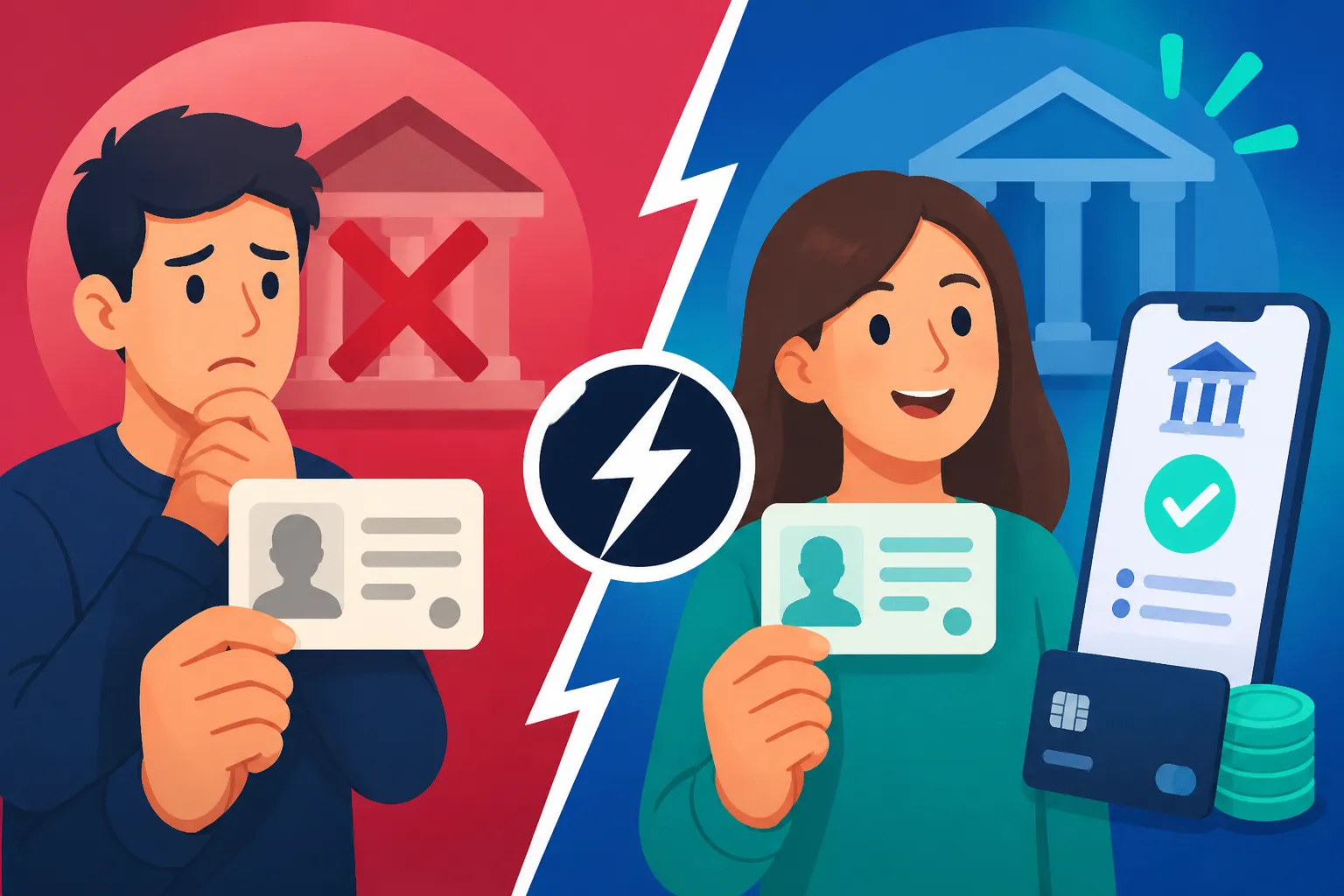
Once you've secured your Fødselsnummer and updated your details with the National Registry, opening a bank account in Norway becomes a significantly smoother process. With a Fødselsnummer, you're seen as a fully verified, permanent resident, which immediately puts banks at ease. They can then offer you a full range of services, including current accounts, savings accounts, credit cards, and crucially, access to BankID.
The difference is night and day. Having a Fødselsnummer unlocks the efficiency that Norwegians are accustomed to. You'll be able to manage your finances entirely online, sign documents digitally, and access mobile banking apps with ease. It's truly a pivotal moment when you go from struggling to get basic banking to having seamless access to Norway's sophisticated digital financial ecosystem.
The BankID Bottleneck
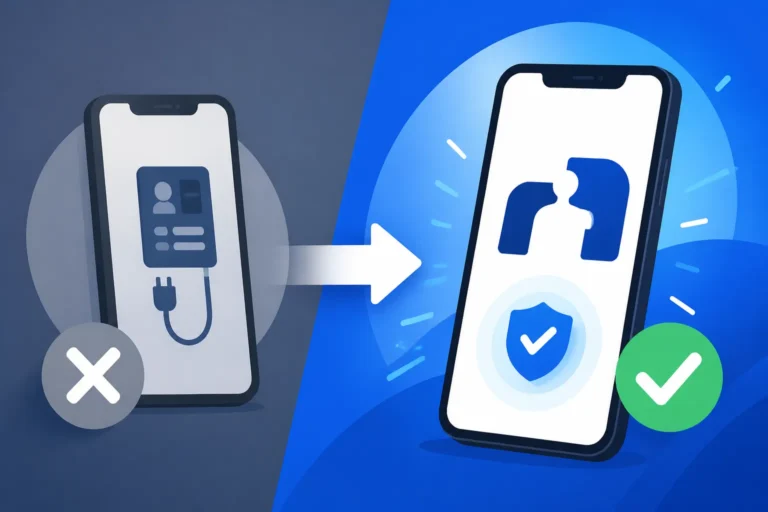
Perhaps the single biggest frustration for D-number holders seeking full banking access is the inability to get BankID. BankID is Norway's national electronic identification system, essential for almost everything digital in Norway, from logging into your online bank, to signing official documents with Skatteetaten, managing your healthcare on Helsenorge, and even applying for a library card. Without it, you are locked out of Norway's digital infrastructure.
Unfortunately, obtaining a BankID universally requires a Fødselsnummer. Banks simply will not issue it to D-number holders, citing security and identity verification protocols. This creates a significant bottleneck for expats, as even if they manage to open a basic account with a D-number, they often can't fully utilize online banking or carry out essential digital tasks, which can severely impact daily life and administrative responsibilities, including managing your Taxes for Expats efficiently. You might be stuck with cumbersome physical tokens or limited login methods, while locals whiz through tasks with a few clicks.
Practical Steps to Open a Bank Account
Opening a bank account in Norway, regardless of your identification number, generally requires proving your identity and your right to reside in Norway. However, the specific requirements and the ease of the process differ significantly. Be prepared for a potentially lengthy process and gather all your documents meticulously.
For D-Number Holders: Your Options
If you're currently navigating Norway with a D-number, your banking options are more limited, but not non-existent. You'll need to be proactive and persistent. Some banks are generally known to be more accommodating to D-number holders than others, often depending on their internal policies or whether they cater more to international clients.
When applying, be prepared to present a valid passport, your employment contract (if applicable), proof of address in Norway (even if temporary), and your D-number confirmation from Skatteetaten. You might also need a letter from your employer confirming your employment. It's advisable to physically visit several bank branches, as policies can vary even within the same bank group, and a face-to-face conversation can sometimes help. You might have better luck with larger banks like DNB or Nordea, or even some local SpareBank 1 branches, as they often have more experience with international clients, though this is not a guarantee. They might, however, only offer a very basic account, often without access to BankID. For daily international transfers or managing funds before a full Norwegian account is established, digital services like Wise can be an indispensable tool for many expats.
For Fødselsnummer Holders: A Smoother Path
Congratulations! If you have your Fødselsnummer, the process of opening a bank account becomes much more straightforward. You are now recognized as a full resident, and banks will be much more willing to onboard you with their full suite of services. The core requirements will still include your valid passport and your Fødselsnummer.
Most banks will also ask for proof of your Norwegian address, which can often be verified through your registration with the National Registry. The application can usually be started online, or you can walk into a branch. With a Fødselsnummer, obtaining BankID will be part of the standard account opening procedure, which is a massive relief. You'll quickly gain access to online banking, mobile apps, and the digital functionalities that make life in Norway so much more convenient. Take the time to compare different banks, as they offer various packages and benefits, especially regarding digital services and customer support, for example when you need to change your Fastlege.
The Critical Role of BankID
Let's not mince words: BankID is the backbone of digital life in Norway. It's not just for banking; it's your primary digital signature and identification tool for nearly every interaction with public services and many private businesses. Without it, even with a Norwegian bank account, you’ll find yourself severely limited. Imagine trying to file your Filing Your Tax Return Skattemelding, renew prescriptions on Helsenorge, or even use many common apps without a reliable digital ID. You simply cannot.
This is why the transition from a D-number to a Fødselsnummer is so critical for expats. It’s not just about a bank account; it's about unlocking the entire digital ecosystem. Without BankID, you'll be reliant on less secure or more cumbersome methods, which can slow down administrative tasks, add stress, and frankly, make you feel like an outsider. The moment you get your Fødselsnummer and can apply for BankID, you'll feel a profound shift in your ability to manage your life in Norway independently and efficiently.
Beyond Basic Banking: Other Financial Implications
Your identity number doesn't just dictate how easy it is to open a bank account; it casts a long shadow over almost every other aspect of your financial life in Norway, from how you're taxed to your ability to secure credit.
Taxes and Your ID Number
When it comes to taxes, both D-number and Fødselsnummer holders are subject to Norwegian tax laws if they earn income in Norway. However, the exact way you interact with Skatteetaten can differ. D-number holders will receive a tax deduction card (Skattekort) and can utilize schemes like the PAYE (Pay As You Earn) simplified tax scheme, which deducts a flat 25% tax at source. While this can be convenient, it's not always the most beneficial in the long run. If you want to understand all your deductions and potentially reduce your tax burden, you'll need to engage more deeply with the tax system, which becomes much easier with a Fødselsnummer and BankID.
Once you have a Fødselsnummer, you'll typically be on the standard tax system, which allows for more deductions and a clearer overview of your tax situation. Accessing your annual tax return (Skattemelding) digitally, submitting changes, and communicating securely with Skatteetaten are all streamlined with BankID. Services like "Taxes for Expats" can certainly help you navigate the complexities regardless of your number, but having a Fødselsnummer and BankID makes the administrative side of tax much less of a headache. Understanding How Bracket Tax Trinnskatt Works on Top of the 22% Base Rate is essential once you move beyond the simplified PAYE scheme.
Credit, Loans, and Mortgages
This is another area where the D-number versus Fødselsnummer distinction becomes glaringly obvious. Banks in Norway are typically very conservative when it comes to lending. Without a Fødselsnummer and a substantial period of registered residency, obtaining credit cards, personal loans, or especially a mortgage can be nearly impossible. Your Fødselsnummer signals to financial institutions that you are a permanent resident, implying greater stability and a verifiable history within the Norwegian system.
Banks will perform a thorough credit check, which relies heavily on your history in the National Registry and your tax records, all easily accessible with a Fødselsnummer and BankID. Even if you have an impressive international credit history, it rarely translates directly into Norway. Building a Norwegian credit score takes time and a Fødselsnummer is the foundational step. For those looking to make Norway their long-term home and eventually buy property, getting that Fødselsnummer is a critical milestone. Learn more about Getting a Mortgage Without a Permanent Residence Permit Bank Practices if you are still working with limited identification.
Investments and Pensions
For long-term financial planning, such as setting up investment accounts (like an Aksjesparekonto or ASK) or participating in private pension schemes, a Fødselsnummer is almost always a prerequisite. These financial products require robust identity verification and are deeply integrated with the Norwegian tax system, making BankID indispensable.
While you might be able to maintain foreign investment accounts, participating in the Norwegian system to take advantage of local tax benefits or employer-linked pensions will hinge on your Fødselsnummer. This is another area where the D-number signifies a temporary status, and financial institutions are reluctant to offer long-term products without full residency documentation. Consider how your Pensions in Norway State Pension, Occupational, and Private Savings will be affected by your long-term residency status.
Making the Transition: From D-Number to Fødselsnummer
The path from a D-number to a Fødselsnummer is a significant journey for many expats, often marking the point where Norway truly begins to feel like home. It's a testament to your long-term commitment to living and working here.
When and How to Get Your Fødselsnummer
You typically become eligible for a Fødselsnummer when you register as a permanent resident in Norway. This usually happens if you intend to live in Norway for more than six months and meet the criteria for residency, such as holding a work permit that extends beyond this period or being a family member of a Norwegian resident. The process involves visiting your local tax office (Skatteetaten) to register your move to Norway. You'll need to bring your passport, residence permit (if applicable), and often your employment contract.
The wait for the Fødselsnummer can feel interminable, as processing times vary. During this period, you'll still be operating with your D-number. However, once your residency is formally registered with the National Registry, your Fødselsnummer will be issued. It's a moment of quiet triumph for many expats, signifying a significant step forward in their integration into Norwegian society. For specific details, you might want to look into D-Number vs Fødselsnummer: How It Affects Your Banking Options to help you understand the path.
Updating Your Bank and Services
Once you receive your shiny new Fødselsnummer, the immediate next step is to inform your bank and any other institutions where you've been using your D-number. You'll need to present proof of your Fødselsnummer (usually a letter from Skatteetaten) to your bank so they can update your customer profile. This is the moment you can finally apply for BankID, unlocking all the digital services you've been longing for.
Don't forget to update other key services too: your employer, Helsenorge, NAV, and any other subscriptions or memberships. Making sure all your official records reflect your Fødselsnummer is crucial for seamless administrative interactions moving forward. This transition ensures that all your data is linked correctly, paving the way for easier interactions with public services and clearer financial management, including things like checking your How to Check Your Frikort Status on the Helsenorge App.
Navigating the Norwegian ID System: A Comparative Table
To help summarize the differences and their impact on your financial life, here's a quick overview:
| Feature/Service | D-Number Holder Experience | Fødselsnummer Holder Experience |
|---|---|---|
| Eligibility | Temporary residents, short-term workers, students (under 6 months), those requiring ID for specific purposes. | Permanent residents, those living in Norway for >6 months with legal residency. |
| Bank Account Opening | Difficult; often only basic accounts (salary/payments), limited access to online features. May require physical branch visits and extensive documentation. | Straightforward; full range of accounts, including savings, credit cards, and robust online banking. |
| BankID Access | Generally not possible. Limits digital identity verification significantly. | Standard access; essential for digital signing, logging into public services, and seamless online banking. |
| Online Banking | Limited or cumbersome access (e.g., physical tokens, strict login methods) due to lack of BankID. | Full, seamless access via BankID, mobile apps, and full digital service integration. |
| Credit/Loans/Mortgages | Extremely difficult, often impossible, due to lack of permanent residency status and credit history. | Possible after building Norwegian credit history, based on income and financial stability. |
| Tax Interaction | May use simplified PAYE scheme (25% flat tax), limited digital interaction with Skatteetaten without BankID. | Standard tax system, full digital access to Skattemelding and communication with Skatteetaten via BankID. |
| Public Services Access | Restricted digital access (Helsenorge, NAV, etc.); often requires phone calls or physical visits. | Full digital access to almost all public services via BankID, simplifying administrative tasks immensely. |
| Financial Planning | Limited access to Norwegian investment accounts and private pension schemes. | Full access to Norwegian investment and pension options, allowing for long-term financial planning and tax benefits. |
Final Thoughts
The journey of an expat in Norway is rarely without its bureaucratic bumps, and the D-number versus Fødselsnummer distinction is certainly one of the biggest. It's easy to feel frustrated, misunderstood, and frankly, a bit excluded when you can't access basic services simply because of a number. But please know, you're not alone in this experience. Many of us have been there, pulling our hair out over BankID or wondering why our foreign ID isn't enough.
The key takeaway is persistence and preparation. Understand the limitations of your D-number, research which banks might be more accommodating, and gather every piece of documentation you can think of. And remember, the Fødselsnummer is your ultimate goal for full integration into Norway's wonderfully efficient (once you're in!) digital society. Keep working towards it, and you'll soon find those digital doors swinging wide open.
Disclaimer
The information provided in this guide is intended for general informational purposes only and does not constitute financial or legal advice. Regulations and policies in Norway can change frequently. It is highly recommended to consult directly with financial institutions, Skatteetaten (the Norwegian Tax Administration), or UDI (the Norwegian Directorate of Immigration) for the most current and personalized advice regarding your specific situation.