Do I Need a Tuberculosis Test to Register with the Police?
So, you’ve made the leap to Norway! You’re navigating the breathtaking fjords, maybe mastering the art of cross-country skiing, and definitely trying to understand why brown cheese exists. But then, amidst all the excitement, you hit the bureaucratic wall – specifically, the one about health screenings. Suddenly, the question of "Do I need a tuberculosis test to register with the police?" pops up, adding another layer of confusion to an already complex process. This guide is here to untangle that knot, explain exactly who needs this test, why it's required, and walk you through the process step-by-step so you can get back to enjoying your new Norwegian life without unnecessary stress.
The Short Answer: Who Needs a TB Test in Norway?
Let's cut right to the chase because, honestly, who has time for endless guessing games when dealing with Norwegian bureaucracy? The requirement for a tuberculosis (TB) test when registering with the police in Norway isn't universal for all newcomers. Instead, it's quite specific and primarily depends on your country of origin or countries where you have lived for an extended period. This system is a proactive measure by Norwegian public health authorities to maintain the country’s low incidence of TB and protect public health.
Countries with a High Incidence of TB: The UDI List
The key determinant here is whether your citizenship or long-term residency (typically six months or more) is from a country that Norway classifies as having a high incidence of tuberculosis. The Norwegian Directorate of Immigration (UDI) publishes and regularly updates this list, and it's the official reference point for this requirement. You'll find that this list generally includes nations from various parts of Africa, Asia, Eastern Europe, and some regions of South America. If you hail from one of these countries, or if you've spent significant time living there, then yes, it's highly probable you'll be required to undergo a TB screening.
It's absolutely crucial to check the most current UDI list on their official website, UDI.no, because these lists can and do change. What might have been a high-incidence country last year might not be this year, and vice versa. Trying to rely on outdated information will only lead to headaches and potential delays in your registration process. This is one of those times where a quick check on the official source saves you a world of pain down the line. Remember, the goal here is not to create hurdles for you, but to ensure the well-being of everyone living in Norway.
The Registration Process with the Police Politiet
The moment this TB test requirement typically surfaces is during your initial registration appointment with the police (Politiet) after you've arrived in Norway. This appointment is essential for anyone applying for a residence permit or, for EU/EEA citizens, registering their right of residence. When you attend this meeting, the police officer handling your case will review your application details, including your country of origin and residence history. If your background matches the criteria for a mandatory TB test according to UDI’s guidelines, they will inform you then and there.
You won't be expected to figure this out on your own beforehand, which is a small mercy in a sea of new administrative tasks. The police will provide you with specific instructions on where and how to get the test done. They might give you a referral slip or direct you to your local municipality's health services. It's a critical step in finalizing your immigration status and obtaining your physical residence card. So, while it might feel like just another item on a long checklist, understanding why it's there and being prepared for it makes the process a lot smoother. For a broader overview of this initial process, you might find our guide on Navigating the UDI and Police Portal: Booking Appointments and Tracking incredibly helpful.
Navigating the TB Testing Process: From Referral to Results
Okay, so you've been told you need a TB test. Don't panic! This isn't a complex or particularly invasive procedure, and the Norwegian system is set up to guide you through it. The most important thing to remember is that you generally cannot just decide to get a TB test wherever you like; there's a specific pathway to follow to ensure the results are recognized by the authorities and, crucially, that the cost is covered.
Getting Your Referral: Where to Go
Unlike in some other countries where you might just walk into a clinic for a screening, in Norway, the process is more structured. Typically, the police (Politiet) will initiate this by either handing you a referral form or directing you to the appropriate municipal health service. This service is usually handled by your local "smittvernkontor" (infection control office) or a similar public health department within your kommune (municipality). These offices are specifically tasked with public health screenings and infectious disease control.
Let's imagine a scenario: You've completed your registration appointment at the police station in Oslo, and they've informed you that due to your previous residency in a high-incidence country, a TB test is mandatory. They will then give you details for the Oslo kommune's infection control office or another designated facility. Your first step won't be to call a private doctor or even your future fastlege (general practitioner). Instead, you'll contact the municipal service as directed. The beauty of this system is that for those required to have it, the TB test is provided free of charge, as it's considered a public health measure. This is a huge relief when you're already budgeting for the high cost of living in Norway!
The Test Itself: What to Expect
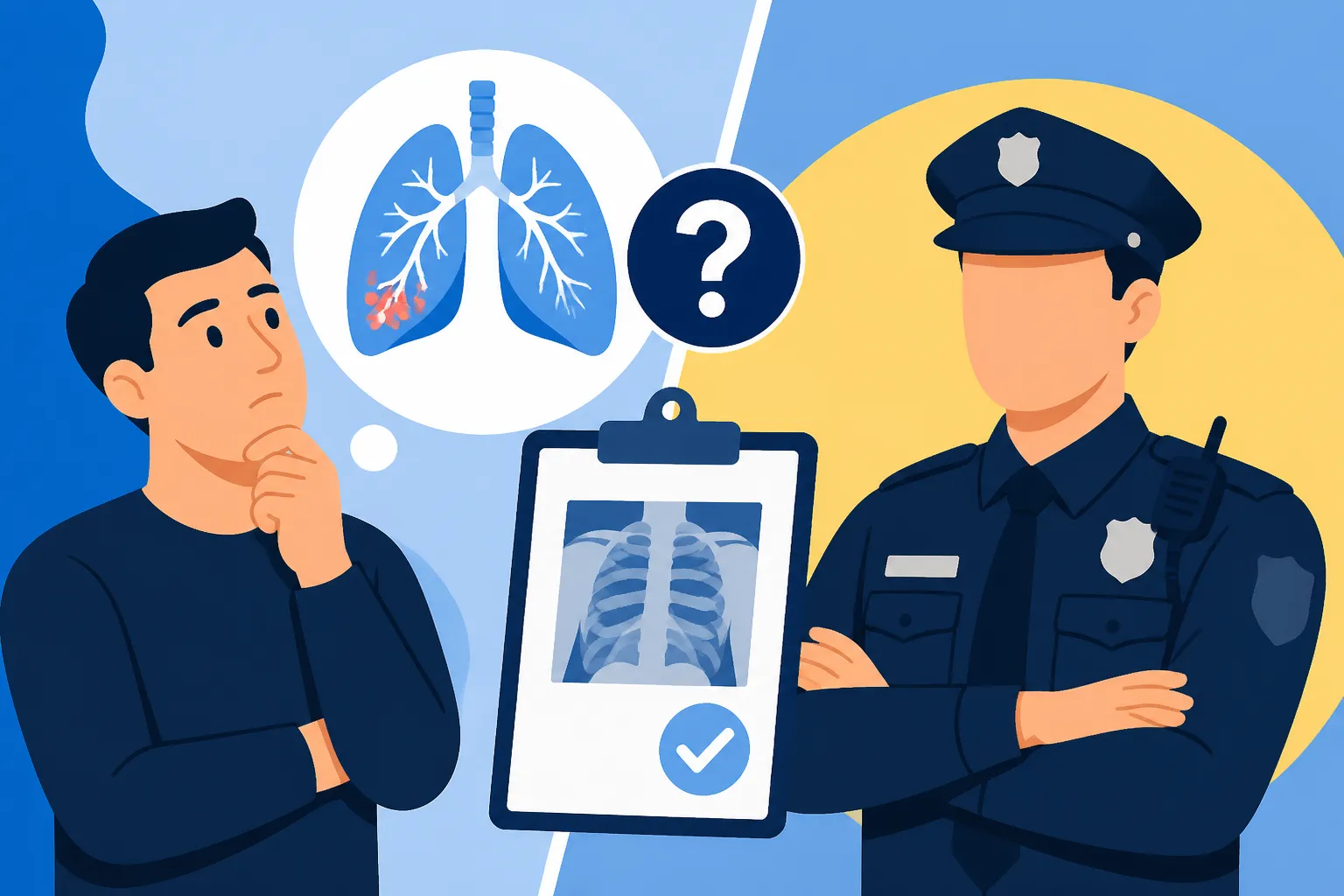
When you go for your TB screening, what exactly should you anticipate? For adults, the most common test is a chest X-ray. It's a quick, non-invasive procedure that takes only a few minutes. You'll be asked to remove any jewelry or clothing with metal fasteners in the chest area, stand against a plate, and hold your breath for a second while the image is taken. It’s over before you know it. In some cases, or for certain demographics (like children, which we'll discuss later), a different type of test might be performed, such as an IGRA blood test (Interferon-Gamma Release Assay) or a Mantoux skin test. These tests detect the presence of TB bacteria in your body, either active or latent.
During your appointment, the medical staff will likely ask you a few questions about your health history, any symptoms you might be experiencing (like a persistent cough, fever, or weight loss), and your travel or residency history. Don't be alarmed; this is standard procedure to get a comprehensive picture. The entire process, from arrival to departure, is usually quite efficient. You’ll be in and out, and then it’s just a matter of waiting for the results. It's yet another example of how the Healthcare in Norway for Expats: How the System Works (2027) prioritizes preventative care and public health.
Receiving and Submitting Results
Once your test is complete, the waiting game begins. The good news is that X-ray results are usually processed fairly quickly, often within a week or two. The municipal health service will typically communicate the results directly. In many cases, if the results are clear, they might be sent straight to the police or UDI, signifying that you've fulfilled your obligation. However, it’s always a good idea to confirm how you’ll receive your results and whether you need to actively submit them yourself.
You might also see your results appear on Helsenorge.no, Norway's national digital health portal, assuming you've been issued a D-number or fødselsnummer and have access to the platform. This portal is incredibly useful for managing various aspects of your health in Norway. If your results happen to be abnormal or suggest latent TB, don't panic. The health services will contact you directly to discuss further steps, which could include more tests or preventative treatment. Early detection is key, and the Norwegian system is designed to provide comprehensive care. For more on the crucial digital gateway to health, check out Navigating the Helsenorge App in English: A Step-by-Step Translation.
Exemptions and Special Cases: When You Might Skip the Test
While the TB test is mandatory for many, it's not a blanket requirement. There are several categories of individuals who are typically exempt, and certain circumstances can also alter the testing procedure. Understanding these can save you a lot of unnecessary worry or even a trip to the health office.
EU/EEA Citizens and Nordic Nationals
If you're an EU/EEA citizen or a national of one of the Nordic countries (Sweden, Denmark, Finland, Iceland), you generally get to skip the routine TB screening upon arrival in Norway. This is due to the free movement agreements and often similar public health standards and low TB prevalence within these regions. So, if you're an Italian moving to Trondheim or a Swede settling in Bergen, you'll likely breathe a sigh of relief on this front. Your registration process with the police will focus on other aspects of your right of residence, as covered in detail in our EU/EEA Citizens Moving to Norway: Registration Rules and Rights guide.
However, there's a crucial caveat: even if you hold an EU/EEA passport, if you have spent a significant amount of time (again, usually six months or more) in a non-EU/EEA country that is on UDI's high-incidence list, then the TB test requirement might still apply to you. The system looks at your actual residency history, not just your passport. Furthermore, regardless of your origin, if you develop symptoms suggestive of TB at any point in Norway, a doctor can and will order a test. This is about public health vigilance, not just initial immigration screening.
Short-Term Stays and Tourists
For those visiting Norway for a short period—whether for tourism, business, or a short-term exchange program—the TB test is typically not required. This screening is primarily aimed at individuals who are applying for residence permits and intend to live in Norway for an extended duration. If you’re here on a standard Schengen tourist visa or similar short-stay arrangement, you won’t encounter this particular bureaucratic hurdle when you arrive.
The logic is simple: the risk of transmission from a short-term visitor is generally considered lower, and the administrative burden of screening everyone would be immense. However, if a tourist were to become ill with symptoms consistent with TB while in Norway, they would naturally be subject to medical examination and treatment as part of the country's broader public health framework. So, while you might not need a test to enter or register as a tourist, medical care is available if needed, and you can learn more about how to access it in Emergency Medical Care in Norway: 113, Legevakten, and Hospitals.
Other Considerations: Children, Pregnant Women
When it comes to children, the approach to TB screening in Norway is often slightly different. Children under the age of 15 are frequently exempt from chest X-rays, even if they come from a high-incidence country. Instead, the focus might be on a risk assessment by a doctor, or they might undergo a blood test (IGRA) or skin test if a screening is deemed necessary. The goal is always to use the least invasive and safest method, particularly for younger individuals.
For pregnant women, the health authorities also take a cautious approach. While an X-ray might still be required if there's a strong indication of exposure or symptoms, measures will be taken to minimize radiation exposure to the foetus, often involving shielding or alternative testing methods if possible. It’s always best to communicate your pregnancy status clearly to the medical staff. Norway’s healthcare system, particularly around family health, is very considerate of these situations, and they will ensure your safety and that of your child.
Why the TB Test Matters: Public Health and Your Peace of Mind
You might be thinking, "Just another form, just another test!" But there's a very good reason why Norway has these requirements, and it extends beyond simple bureaucracy. It's deeply rooted in the country's commitment to public health and ensuring the well-being of all its residents.
Protecting Public Health in Norway
Norway has a remarkably low incidence of tuberculosis, a testament to its robust public health system and proactive screening measures. The mandatory TB test for individuals arriving from high-incidence countries is a critical component of this strategy. It’s not about singling anyone out; it’s about preventing the reintroduction or spread of a serious infectious disease within the community. By identifying active or latent TB cases early, the health authorities can provide timely treatment, preventing the disease from spreading to others. This collective approach to health is a cornerstone of the Norwegian welfare state, ensuring that everyone benefits from a healthy environment.
This preventative measure is closely tied to the broader system of Folketrygden Basics: Who is Covered by the National Insurance Scheme. By contributing to and being covered by the National Insurance Scheme, you're part of a system that actively works to keep the population healthy. These screenings are a tangible demonstration of Norway's commitment to maintaining its high public health standards, benefiting both long-term residents and new arrivals alike.
Peace of Mind for Expats
Beyond the public health aspect, undergoing a TB test can also bring significant peace of mind for you, the expat. Moving to a new country is a huge undertaking, often accompanied by anxieties about health, especially if you're unsure about your own medical history or exposure risks. Getting screened means you'll know your status. If it's clear, you can breathe a little easier. If latent TB is detected, you can receive preventative treatment, which is far easier and more effective than treating active TB later.
Think of it as an initial health check, a way to properly integrate into the Norwegian healthcare system from a public health perspective. It’s a chance to address any potential health concerns early on, ensuring a healthier start to your life here. And don't worry about language barriers during your medical appointments; if you require it, you have the right to Medical Interpreters in Norway: How to Request One for Free. This support ensures you fully understand your health status and any recommended next steps. Plus, if any documents from your home country are needed for reference, services like RushTranslate or Translayte can help you get them officially translated into Norwegian or English, bridging any language gaps.
The Bigger Picture: Your Norwegian ID
Ultimately, fulfilling the TB test requirement is another essential step in securing your full residency status in Norway. Whether you're getting your D-number, then later your fødselsnummer, or awaiting your physical residence card, these administrative requirements are interconnected. The police need confirmation that this health screening has been completed before they can finalize certain aspects of your registration. It's part of proving your intent for long-term integration and commitment to the country's social and health norms.
This might feel like just one more hurdle in the often-daunting process of moving abroad, especially when dealing with the initial stages of getting your D-Number vs Fødselsnummer: How Immigration Status Dictates Your ID. However, understanding the reasoning behind it, knowing what to expect, and navigating the system step-by-step makes it far less intimidating. Once this is done, you're one step closer to fully settling in, registering with a How to Register for a Fastlege (GP) on Helsenorge, and truly making Norway your home.
Here’s a quick summary table to help clarify who typically needs a TB test and who might be exempt:
| Category | Typical TB Test Requirement | Notes & Exceptions |
|---|---|---|
| Non-EU/EEA Citizens (from high-incidence countries) | YES | Mandatory for residence permit applicants from countries listed by UDI as high-incidence for TB, or if resided there for > 6 months. |
| Non-EU/EEA Citizens (from low-incidence countries) | NO | Generally not required, unless specific health concerns arise or residency in high-incidence country for > 6 months in past. |
| EU/EEA Citizens & Nordic Nationals | NO | Generally exempt upon initial registration. |
| EU/EEA Citizens & Nordic Nationals (with high-incidence residency) | YES | If lived in a UDI high-incidence country for > 6 months, test may be required. |
| Short-Term Visitors/Tourists | NO | Not required for short stays, but medical attention would be provided if symptoms appear. |
| Children under 15 | NO (often modified) | Frequently exempt from X-ray; risk assessment, blood test (IGRA), or skin test may be used if needed. |
| Pregnant Women | YES (with caution) | Test may be required, but procedures adjusted to minimize radiation exposure. |
Disclaimer
The information provided in this guide is intended for general informational purposes only and does not constitute legal or medical advice. Requirements and regulations in Norway, particularly those related to immigration and health, can change. Always consult the official websites of the Norwegian Directorate of Immigration (UDI), the police (Politiet), and your local kommune for the most up-to-date and specific information pertaining to your individual situation.