What to Do If You Hit a Moose or Deer While Driving
The heart-stopping moment you realize you’ve hit something big with your car is a terrifying experience no one wishes upon themselves, especially when driving in a foreign country like Norway. The majestic, yet unpredictable, wildlife here can quickly turn a scenic drive into a harrowing ordeal. This guide aims to walk you through the immediate steps, legal obligations, and practical advice on what exactly to do if you unfortunately hit a moose, deer, or any other large animal while driving in Norway, helping you navigate the confusing aftermath with clarity and confidence.
The Immediate Aftermath: Your Safety and First Steps
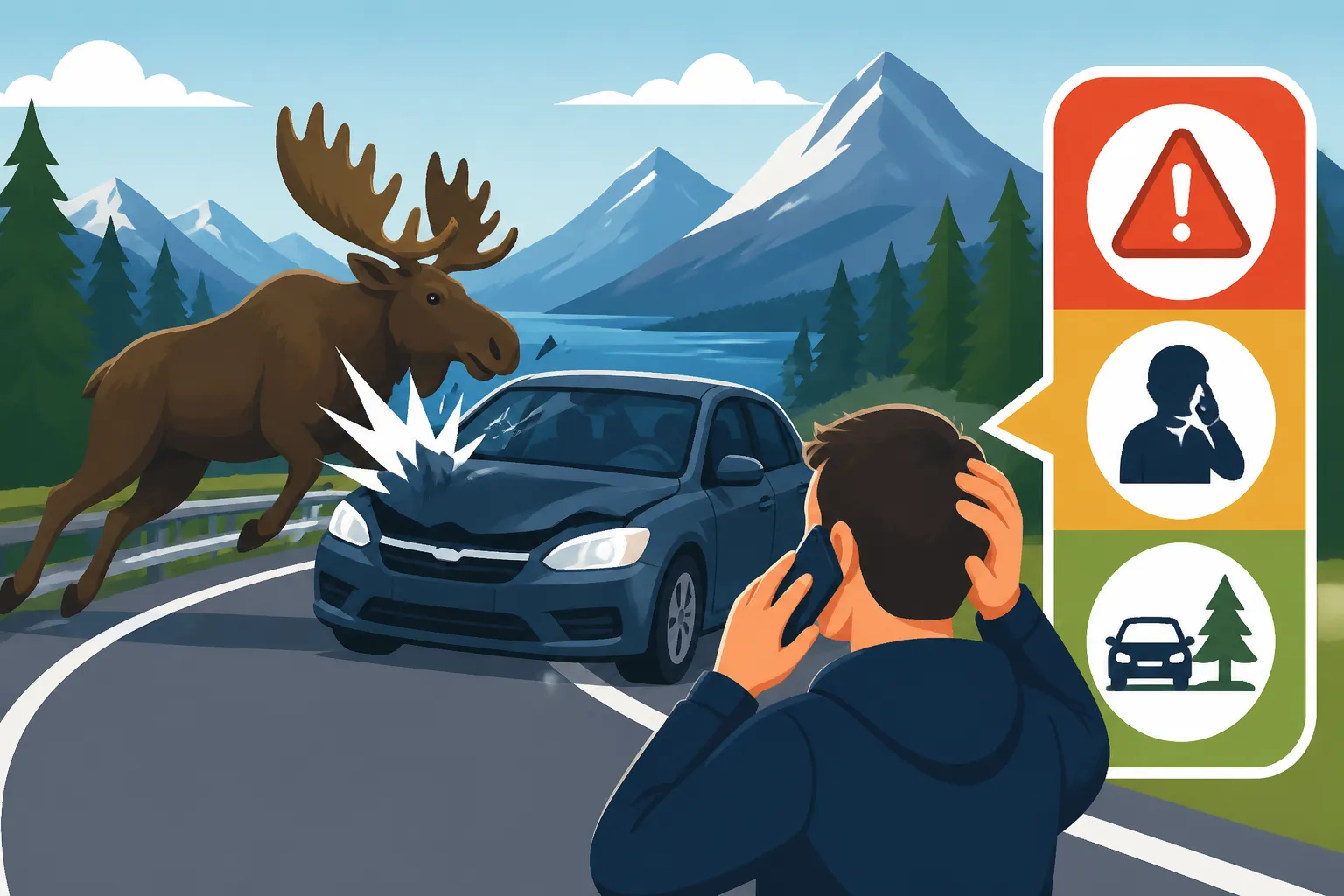
When the unthinkable happens and you collide with a wild animal on a Norwegian road, your immediate priority must be the safety of yourself, your passengers, and other road users. It’s a moment of shock, adrenaline, and often confusion, but knowing these crucial first steps can make all the difference.
Prioritizing Personal Safety and Securing the Scene
First and foremost, bring your vehicle to a safe stop. If possible, pull over to the shoulder of the road, away from traffic, but do not drive away from the scene. Engage your hazard warning lights immediately to alert oncoming traffic to a potential obstruction or hazard. This is crucial, especially on winding Norwegian roads with limited visibility. Once stopped, everyone in the car should put on a reflective safety vest ( refleksvest ). These are mandatory in Norway and should always be easily accessible in your vehicle. Trust me, standing on the side of a dimly lit road without one is incredibly dangerous, and police will expect you to have one.
Before you even think about the animal, check yourself and your passengers for any injuries. Even a seemingly minor collision can cause whiplash or other unseen trauma. Your health is paramount. Once you’ve confirmed no immediate human injuries, and it's safe to do so, carefully exit the vehicle. However, approaching an injured wild animal, especially a large one like a moose, can be extremely dangerous. A wounded animal is terrified and can act aggressively, posing a significant threat to anyone who gets too close. Keep a safe distance. If the animal is on the road, try to mark its position with a warning triangle to alert other drivers, but again, do not risk your safety or further agitate the animal. If it's safe to do so, move any debris from your vehicle that might pose a hazard to other drivers.
Alerting the Authorities: Who to Call and Why
Once you've ensured personal safety and secured the scene as best as you can, the next critical step is to contact the authorities. In Norway, you are legally obligated to report any collision with larger wild animals, including moose, deer, reindeer, wild boar, lynx, wolverines, and bears. Even if the animal appears to have run off, you must report it, as it could be injured and suffering, or pose a future risk to others.
The primary number to call in such situations is 112, which is the national police emergency number. Explain clearly that you’ve had a viltpåkjørsel (wildlife collision). They will need to know your exact location. Providing road numbers (e.g., E6, FV7) and the nearest kilometer marker or a prominent landmark (like a specific tunnel entrance, bridge, or house number) will help them dispatch aid quickly. If you’re struggling to pinpoint your location, many smartphones have built-in GPS coordinates that you can read out. Having a reliable mobile connection is vital in these moments, and for many expats and tourists, making sure your phone plan works seamlessly across Norway is key. Services like Airalo can offer great eSIM options for consistent connectivity, which could be a literal lifeline in a remote area.
The police will then coordinate with the local viltnemnda (wildlife management committee) or fallviltgruppe (wildlife recovery group). These are trained personnel specifically responsible for dealing with injured or deceased wild animals. They will come to the scene to assess the animal's condition, track it if it has fled, and humanely put it down if necessary. Do not try to move the animal or take matters into your own hands. This is the responsibility of the viltnemnda. Their expertise ensures animal welfare and public safety are handled appropriately. You might be asked to wait at the scene until they arrive, which could take some time, especially in rural areas or during busy periods. Patience is key here, as they often have a large geographical area to cover. Remember, it's not just about the immediate incident but also about preventing a suffering animal from wandering back onto the road and causing another accident.
Legal Obligations and Documenting the Incident
Hitting a wild animal is more than just an unfortunate accident; it comes with specific legal responsibilities in Norway. Failing to adhere to these can lead to serious consequences, from fines to even more severe penalties.
Your Duty to Report and Remain at the Scene
As mentioned, Norwegian law explicitly states that if you hit a deer, moose, reindeer, or other larger wild animals, you must report it to the police (112). This isn't just a recommendation; it's a legal obligation under Section 12 of the Wildlife Act (Viltloven). Driving away from the scene without reporting is considered a serious offense, equivalent to hit-and-run, and can result in hefty fines, loss of your driving license, or even imprisonment. The rationale behind this strict rule is multi-faceted: it's for animal welfare (preventing prolonged suffering), public safety (an injured animal could cause more accidents), and data collection for wildlife management.
Even if you believe the animal is simply startled and has run into the forest, you must still report it. It might be severely injured and suffering, or could collapse later and become food for scavengers, potentially spreading disease. The police and viltnemnda have specialized dogs and tracking equipment to locate the animal and ensure it is dealt with humanely. Your role is simply to report the incident and provide as much detail as possible about the animal's last known direction of travel.
It is also your duty to remain at the scene until the police or viltnemnda instruct you otherwise. This can be a cold, dark, and uncomfortable wait, but it's essential. They need to confirm your identity, gather details, and possibly interview you about the circumstances. Leaving before they arrive could be seen as an attempt to evade your responsibilities, leading to unnecessary trouble. It's a stressful situation, but staying calm and cooperative will ensure the process is as smooth as possible.
Gathering Critical Information for Follow-Up
While waiting for the authorities, and once you've ensured everyone's safety, use the time to gather as much information and evidence as you can. This will be invaluable for the police report and your subsequent insurance claim.
- Photographs: Use your phone to take comprehensive photos. Document the scene from various angles: the animal (if it’s still present and safe to photograph from a distance), the damage to your car, the road conditions, any relevant road signs (like wildlife warning signs), and the general surroundings. Make sure to capture close-ups of the damage and wider shots to show the context.
- Location Details: Reconfirm your exact location. Note down the road number, kilometer marker (these small signs are often found along major roads), and the names of any nearby towns or distinctive landmarks. If you have a GPS app on your phone, note the coordinates.
- Time and Weather: Make a note of the precise time of the collision and the prevailing weather conditions (e.g., fog, rain, darkness, bright sun, ice, snow) as these can be factors in the incident.
- Witnesses: If there were any other vehicles involved, or if anyone stopped to help, exchange contact information with them. Witness statements can be crucial, especially if there are disputes later with your insurance company.
- Animal Details: Try to identify the type of animal (moose, roe deer, red deer, etc.) and its approximate size if possible, without approaching it too closely.
This diligent documentation will strengthen your case with the insurance company, streamline the claims process, and assist the police and viltnemnda in their duties. Remember, thoroughness now can save you a lot of headaches later when dealing with paperwork and adjusters. Many drivers in Norway underestimate the importance of these steps, only to regret it when they face complications with their insurance claims. For more general advice on Driving in Norway: Licenses, Winter Driving, and Electric Vehicles (EVs), it's always good to be prepared.
Handling Vehicle Damage and Insurance Claims
Beyond the immediate shock and legal obligations, the practical concern of your damaged vehicle and the financial implications will quickly arise. Navigating this aspect requires understanding your insurance policy and the services available in Norway.
Assessing Your Car and Arranging for Assistance
After the police and viltnemnda have taken charge of the animal, your attention will turn to your vehicle. First, conduct a careful assessment of the damage. Is your car safe to drive? Check for broken lights, leaking fluids, damaged tires, or compromised steering. If the damage appears significant, or if you have any doubts about its roadworthiness, do not attempt to drive it. Driving a damaged vehicle can lead to further harm to the car, yourself, or other road users, and could potentially invalidate parts of your insurance claim.
In Norway, roadside assistance is commonly provided by organizations like NAF (Norges Automobil-Forbund), Viking Redningstjeneste, and Falck Redning. If you are a member of one of these organizations, contact them immediately using their dedicated emergency numbers. They will dispatch a tow truck to move your vehicle to the nearest garage or a safe location. If you don't have a membership, your car insurance policy might include roadside assistance, so check your policy documents or call your insurer for guidance. Most Norwegian auto insurance policies offer some form of towing and emergency repair service. Keep these numbers stored in your phone, or better yet, in your glove compartment. Knowing you can call for help is a huge relief in an otherwise stressful situation.
When the tow truck arrives, make sure you understand where your car is being taken and what the next steps are for repair. In some cases, especially in remote areas, it might be taken to a temporary storage facility before being moved to a proper workshop.
Navigating the Insurance Process
Dealing with insurance after a wildlife collision can feel daunting, but understanding the basics of Norwegian car insurance will help. Most car insurance policies in Norway are structured in tiers, from basic liability (ansvarsforsikring) to comprehensive (kaskoforsikring).
- Liability Insurance (Ansvarsforsikring): This is mandatory by law and only covers damages to other vehicles, property, or injuries to other people. It will not cover damage to your own car from a collision with a wild animal.
- Partial Comprehensive (Delkasko): This often covers damage from fire, theft, glass breakage, and usually includes damage from collisions with wild animals.
- Comprehensive Insurance (Kasko / Full Kasko): This is the highest level of coverage and covers damages to your own vehicle regardless of fault, including wildlife collisions, vandalism, and single-vehicle accidents. If you have comprehensive insurance, your damages from hitting a moose or deer should be covered. For more details, explore articles like Mandatory Insurance in Norway: Home Contents (Innboforsikring) and Auto.
The Claims Process:
- Report to Your Insurer: As soon as you can, and ideally within a few days of the incident, report the collision to your insurance company. They will ask for the police report number (which you should have received from the police or viltnemnda) and all the information you gathered at the scene, including photos.
- Assessment: Your insurer will likely require your car to be assessed by an approved garage. They will determine the extent of the damage and provide an estimate for repairs.
- Deductible (Egenandel): Be prepared to pay an egenandel, or deductible, which is the fixed amount you pay out-of-pocket before your insurance coverage kicks in. The amount depends on your specific policy. While your egenandel will apply, your "bonus" (no-claims discount) typically won't be affected by a wildlife collision claim in Norway, as it's usually considered an unavoidable incident. Always confirm this with your insurer.
- Repair or Write-Off: Based on the assessment, your car will either be repaired, or if the cost of repairs exceeds a certain percentage of the car's value, it might be declared a write-off, and you'll receive a payout for its market value.
Navigating this can be tough, especially if you're new to the system. Don't hesitate to ask your insurance company to walk you through each step. Many insurance providers in Norway have English-speaking customer service representatives. For insights into general car ownership costs, check out Owning a Car in Norway: Insurance, EU Inspections (EU-kontroll), and Tolls.
Understanding Wildlife Risk and Prevention in Norway
While knowing what to do after an incident is crucial, it's even better to understand how to minimize your risk of hitting a large animal in the first place. Norway is a country of vast wilderness, and encountering wildlife on the road is a real, albeit unpredictable, part of driving here.
Anticipating Wildlife Encounters
Driving defensively and being constantly aware of your surroundings are your best tools against wildlife collisions. Large animals like moose and deer are most active at dawn and dusk. These twilight hours are when they move to and from feeding areas, making them particularly prone to crossing roads. Be extra vigilant during these times, especially when driving through forested areas or near open fields.
Pay close attention to road signs. Norway uses specific triangular warning signs with a silhouette of a moose, deer, or reindeer to indicate areas where these animals are known to cross frequently. When you see these signs, reduce your speed significantly. A slower speed gives you more time to react and reduces the impact force if a collision is unavoidable. Just because you don't see an animal immediately after a sign doesn't mean the risk is gone; these zones can stretch for kilometers.
Also, be aware of seasonal factors. Late autumn and early winter (October-December) are peak times for moose and deer collisions due to hunting season (pushing animals to move more), shorter days, and mating season. In winter, heavy snow can push animals onto plowed roads where it's easier to walk, increasing collision risk. For more on the general safety aspects of living here, consider Safety in Norway: Low Crime Rates but High Natural Element Risks.
Driving Defensively Through Norwegian Nature
Knowing how to react if you spot an animal is as important as spotting it early. Here are some defensive driving tips:
- Scan the Road and Shoulders: Don't just look at the patch of road directly in front of your car. Actively scan both sides of the road, looking into the ditches and tree lines for any signs of movement or reflections from animal eyes. Animals can dart out incredibly quickly.
- Use High Beams Wisely: High beams can help you spot animals at a greater distance in the dark, but use them cautiously. When you see an oncoming car, dim your lights immediately. If you spot an animal, flash your high beams briefly. This might sometimes startle them away, but also be aware that some animals (like deer) can become mesmerized by headlights and freeze.
- Brake, Don't Swerve (Unless Absolutely Safe): If an animal suddenly appears in your path, your first instinct might be to swerve. However, especially with large animals like moose, swerving can often lead to a more dangerous situation – a head-on collision with an oncoming vehicle, hitting a tree, or rolling your car. It's generally safer to brake hard and aim for the largest part of the animal (the rear end if it's broadside) if a collision is inevitable. Swerving to avoid a moose can put the animal through your windshield or roll your car. While it's counter-intuitive, studies show that a controlled impact, even a severe one, is often safer than an uncontrolled swerve, particularly with moose due to their height. Their large, heavy bodies can impact the passenger compartment, causing devastating damage and injury.
- Beware of Multiple Animals: If you see one deer or moose, assume there are others nearby. They often travel in groups, especially young ones following their mothers. After one animal crosses, slow down and watch for companions.
While the natural beauty of Norway's wilderness is one of its greatest appeals, it's crucial to respect the inherent risks. Being prepared, driving carefully, and knowing your responsibilities will help you navigate this aspect of life in Norway with greater confidence.
Disclaimer
The information provided in this guide is for general informational purposes only and does not constitute legal, medical, or insurance advice. While we strive to provide accurate and up-to-date information, laws and procedures can change. Always consult with the relevant authorities, such as the Norwegian Police, your insurance provider, or legal professionals, for advice specific to your situation. In an emergency, always contact the official emergency services.