Snow Shoveling Etiquette: Whose Responsibility is the Sidewalk?
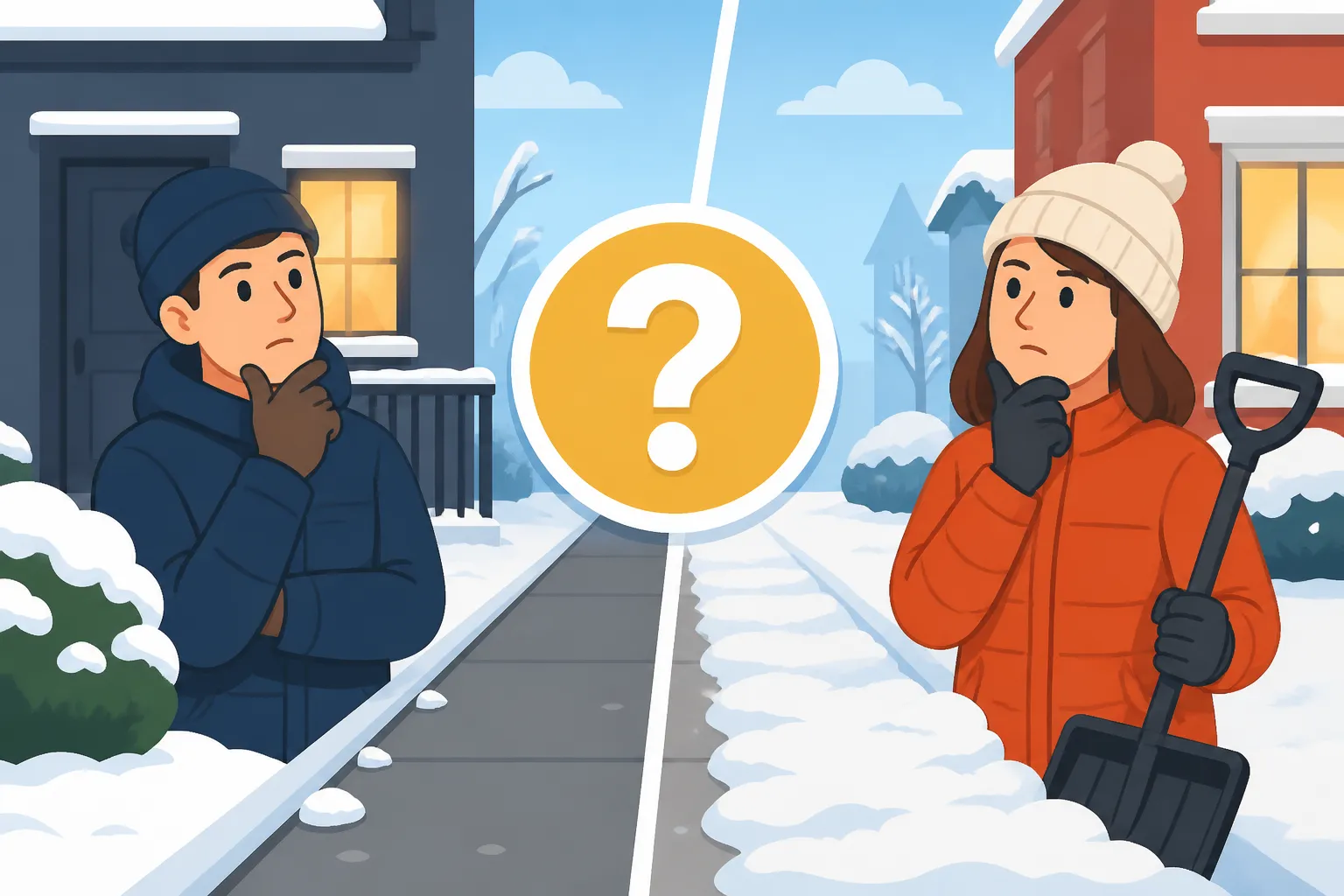
Ah, the Norwegian winter. It’s a beautiful, crisp wonderland in pictures, isn't it? But once you’re here, living the reality, you quickly discover that those picturesque snowfalls come with a whole lot of practicalities, and the question of "whose responsibility is the sidewalk?" quickly becomes a real headache. This guide will walk you through the often-confusing world of snow shoveling in Norway, clarifying legal obligations, unwritten social rules, and how you, as an expat, can navigate the frosty terrain without offending your neighbors or risking a lawsuit.
Embracing the Norwegian Winter Reality
Let's be brutally honest for a moment: if you’ve moved to Norway from a place where winter means a light dusting or perhaps a few days of cold, the sheer volume and persistence of snow here can be a shock to the system. You probably envisioned cozy evenings by the fireplace, maybe some cross-country skiing, or simply enjoying the crisp, clean air. All of that is true, of course, but what often gets overlooked in the Instagram-ready images is the relentless manual labor required just to keep your home accessible.
The Unavoidable Snowfall and Its Impact
In many parts of Norway, especially from late autumn through spring, snow isn’t an occasional visitor; it’s a permanent resident. One day you might wake up to a delicate layer, and the next, a blizzard could have dumped half a meter overnight. This isn't just an inconvenience; it impacts every facet of daily life. Commutes become longer, driving more hazardous, and even a quick trip to the mailbox can turn into an expedition if your path isn't cleared.
The frustration is absolutely valid. You’re likely juggling a new job, learning Norwegian, and trying to decipher the intricacies of Healthcare in Norway for Expats: How the System Works (2027), only to find yourself wrestling with a snow shovel every morning. It feels like an extra, unexpected chore in an already demanding integration process. But for Norwegians, it's just part of it. It’s a collective challenge that, historically, has fostered a sense of community responsibility.
Beyond the Picturesque: Slush, Ice, and Safety Concerns
While fresh snow is undeniably beautiful, it doesn’t stay that way for long. Thawing temperatures, foot traffic, and the passage of cars quickly turn pristine white into grey, icy slush. This isn't just unpleasant; it's genuinely dangerous. Slippery surfaces are a major cause of accidents in Norway, leading to sprains, fractures, and worse.
This is where the responsibility for clearing comes into sharp focus. A neglected patch of sidewalk isn't just an eyesore; it's a potential hazard for every pedestrian, particularly the elderly, children, or anyone simply trying to get to work. The stakes are higher than just aesthetics; they involve public safety and, as we'll discuss, legal liability. The picturesque winter quickly gives way to the gritty reality of ice management, and failing to address it means you're not just being a bit lazy, you're potentially putting others at risk.
The Legal Lowdown: Whose Side of the Sidewalk is It Anyway?
When it comes to snow removal, the primary principle in Norway is quite straightforward, but the nuances can be tricky depending on where you live and your specific housing situation. Generally, the responsibility for keeping adjacent sidewalks clear falls on the property owner. This isn’t just a friendly suggestion; it’s a legal obligation.
Municipal Regulations Vary
One of the first things you’ll learn about Norway is that while there are national frameworks, many detailed regulations are set at the municipal level. This means that the exact rules for snow shoveling and de-icing can differ slightly from Oslo to Bergen, or from Trondheim to a smaller village.
However, the core message remains consistent across the country: if you own a property, you are responsible for the public sidewalk directly bordering your property line. This responsibility often extends to ensuring the path is safe to walk on, which includes not just shoveling the snow but also gritting (using strøsand – spreading sand) or salting to prevent ice. For example, in Oslo, the municipality's public roads authority (Bymiljøetaten) explicitly states that owners of properties adjacent to public sidewalks are responsible for clearing snow and ice. Failure to do so can result in fines or, more significantly, liability if someone falls and injures themselves. It’s always a good idea to check your specific kommunens hjemmeside (municipality’s website) for the detailed local regulations – search for terms like snømåking, fortau, and ansvar (snow shoveling, sidewalk, responsibility).
The Property Owner's Burden
If you’ve taken the plunge and purchased a home in Norway, congratulations! Welcome to the club of property ownership, which includes the delightful winter duty of snow and ice management. This burden isn't just about the physical act of shoveling; it encompasses a broader commitment to safety and accessibility.
As a homeowner, you're expected to:
- Shovel Snow: Clear snow from your sidewalk as soon as possible after a snowfall. This isn't just for pedestrians; it often includes ensuring access to bus stops, crosswalks, and even keeping gutters clear to prevent drainage issues when the snow melts.
- De-ice: If the temperature hovers around freezing, melting snow can refreeze into dangerous black ice. You're expected to actively prevent this by applying salt or sand.
- Grit/Sand: Even if there's no visible ice, compacted snow can become very slippery. Spreading strøsand (gritting sand) provides traction and is a common practice.
- Maintain Access: This includes clearing pathways to your entrance, garage, and any other parts of your property that interact with public access.
The legal implications of neglecting this responsibility are significant. Should a pedestrian slip and fall on an uncleared or un-gritted sidewalk adjacent to your property, you could be held liable for their injuries. This is a crucial point that many expats might not fully grasp, assuming it's solely a municipal task. While the municipality clears the streets, the sidewalks are typically your job. If you're considering Buying Property in Norway: Bidding Wars, Mortgages, and Rules, factor in this year-round maintenance duty.
Renters, Housing Cooperatives, and Shared Living
What if you’re renting? Or living in an apartment building? The responsibility doesn't magically disappear; it simply shifts.
- Housing Cooperatives (Borettslag) and Condo Associations (Sameie): If you live in a borettslag or sameie, the good news is that typically the collective entity is responsible for snow removal on common areas, including sidewalks adjacent to the building. They will usually contract a service or assign the task to building staff. However, always double-check the rules of your specific Housing Cooperatives (Borettslag): Board Rules and Fees. Sometimes, there might be a dugnad (community work day) for bigger snowfalls or for areas like internal pathways, which we'll discuss next.
- Individual Renters: If you're renting a single-family home or a specific apartment where you are solely responsible for the property's exterior, your lease agreement is paramount. While landlords typically bear the ultimate legal responsibility, many lease agreements (especially for houses) will stipulate that the tenant is responsible for daily maintenance like snow shoveling. When signing your lease, pay close attention to clauses related to property maintenance and snow removal. If you're uncertain about what's covered, refer to our guide on Renting in Norway: Apartments, Contracts, and Tenant Rights and clarify with your landlord before the snow starts falling. Platforms like Spotahome can help you find initial rentals, but the critical step is always reviewing those lease terms for these specific obligations. What’s in your contract truly matters, not just for snow but for overall expectations outlined in guides like Moving Out Checklist: Cleaning Standards (Utvask) and Deposit Return. If the lease doesn't explicitly state tenant responsibility for snow removal, it generally falls to the landlord.
It's a common expat frustration to deal with this administrative ambiguity, but clarity here can save you a lot of hassle and potential conflict down the line. Remember, Tenant Protections: Notice Periods and Eviction Rules in Norway cover many aspects of your rental, and clarity on responsibilities is key.
The Unwritten Rules: Norwegian Snow Etiquette
Beyond the letter of the law, Norway operates on a strong undercurrent of social expectations and community spirit. Snow shoveling is no exception; it’s deeply intertwined with what it means to be a good neighbor and a responsible member of society.
The Ever-Present Dugnad Spirit
You'll quickly encounter the concept of dugnad in Norway. It roughly translates to community volunteering or collective effort, and it’s a cornerstone of Norwegian society. While it often refers to organized workdays for schools, sports clubs, or housing associations, the spirit of dugnad permeates everyday life, including snow removal. Our guide on What is "Dugnad"? Surviving Mandatory Community Volunteering delves deeper into this, but for snow, it means taking initiative.
Even if a particular patch isn't strictly your legal responsibility, if it's right outside your gate and presents a problem for your neighbors, the dugnad spirit might prompt you to take care of it. It’s about pitching in for the common good, especially when it comes to keeping paths safe and clear. Neglecting your patch while everyone else is diligently shoveling creates a subtle, but noticeable, social friction. You'll definitely hear about the "Norwegian Etiquette: Social Rules, Dugnad, and Making Local Friends," and this is one of those unwritten rules.
Being a Good Neighbor
In a country where neighborly relations are often quiet and reserved, actions speak louder than words. A well-cleared sidewalk is a non-verbal affirmation of your respect for your community. Conversely, a neglected, icy path can lead to quiet disapproval – or worse, an uncomfortable conversation.
Consider these scenarios:
- The Elderly Neighbor: If you have an elderly neighbor who struggles with physical labor, clearing their path might be an act of kindness deeply appreciated, even if unspoken. It’s not an obligation, but it's part of being a supportive community member.
- Shared Driveways/Walkways: If your property shares an access point with another, there's an expectation that both parties contribute to clearing it. It's a shared resource, and therefore, a shared responsibility.
- Bus Stops/Public Access Points: If a bus stop or a frequently used public pathway is adjacent to your property, going the extra mile to keep it clear is seen as a civic duty.
It’s about understanding that your actions (or inactions) have consequences for those around you. The expectation is that everyone contributes to making winter manageable and safe for all.
Tools of the Trade: Shovels, Sand, and Spikes
To fulfill your snowy duties effectively, you’ll need the right equipment. Forget those flimsy plastic shovels you might have used for a light snow back home; Norwegian snow requires something more robust.
- Shovels: Invest in a sturdy snow shovel, preferably with a wide blade and a good ergonomic handle. You might also want a push shovel (a snøskuffe or snøplog) for lighter, fresh snow over larger areas, and a more robust, narrower shovel for compacted snow or ice.
- Ice Axes/Scrapers: For stubborn, compacted ice, a heavy-duty ice scraper or small pick-axe (ishakke) can be invaluable for breaking it up before removal.
- Grit/Sand (Strøsand): This is your best friend against ice. Strøsand is coarse sand that provides excellent traction. You can buy it in large bags at hardware stores (byggvarehus) or some larger supermarkets. It's often preferred over salt, especially in residential areas, as it's less corrosive to pavements, shoes, and pet paws.
- Salt (Veisalt): While sand is common, salt is also used, particularly on very icy patches or for melting thin layers of ice. Be mindful of its environmental impact and corrosive properties.
- Bucket/Container: Keep a bucket of strøsand by your entrance for quick application.
And for your own safety, don’t forget personal gear! Our guide on Using Ice Spikes (Brodders) on Your Shoes for Winter Commutes) highlights the importance of good winter footwear. Additionally, layered clothing is essential, as discussed in Surviving the Norwegian Winter: Clothing, Heating, and Mørketid (Dark Season).
Practicalities for Expats: Staying Safe and Compliant
Navigating this aspect of Norwegian life can feel like another bureaucratic hurdle, but with a bit of proactive planning, you can tackle the snow like a seasoned local.
Finding Your Local Rules and Getting Help
As mentioned, municipal rules can vary. The best way to find precise regulations for your area is to visit your kommune's official website. Look for sections on "teknisk drift," "vei og trafikk," or "park og anlegg." Use search terms like "snørydding fortau ansvar [your municipality name]" or "plikt snømåking [your municipality name]".
If Norwegian is still a challenge, consider using online translation tools for the municipal website. Failing that, your landlord, housing cooperative board, or even a trusted Norwegian colleague or friend can offer invaluable insights into local expectations. Don't be afraid to ask – it's better to be informed than to accidentally neglect your duties.
Gear Up for Battle
You’ll need more than just a shovel; you'll need the right winter clothing to stay warm and dry while working outside. Frostbite and hypothermia are real risks, especially if you're shoveling for an extended period.
Here’s a practical checklist:
- Warm Layers: Start with wool base layers, add a fleece or down mid-layer, and finish with a waterproof and windproof outer jacket and trousers.
- Waterproof Gloves: Essential for protecting your hands from cold and wet snow.
- Warm Hat and Neck Gaiter: You lose a lot of heat from your head and neck.
- Sturdy, Waterproof Boots: With good grip, and ideally room for thick wool socks. Don't forget your brodders for personal safety.
- Safety: If shoveling near a road, wear reflective gear, especially in the dark winter months.
You can find suitable winter clothing at stores like XXL, Sport Outlet, or even larger department stores like Obs! or Coop Extra, especially as discussed in Where to Buy Affordable Winter Clothing in Norway.
What If You Can't Do It Yourself?
Life happens. Maybe you're traveling, have a physical limitation, or simply have too much on your plate. What then?
- Hiring Professional Help: Many areas have companies that offer snow removal services. These can be contracted for the entire season or on a per-snowfall basis. Prices vary widely based on location, property size, and snowfall frequency. A quick online search for "snørydding [your municipality name]" or "vintervedlikehold [your municipality name]" should yield results. This is often the solution for borettslag and sameie, who share the cost among residents.
- Community Support: If you're lucky to have established good relationships with your neighbors, you might find informal help or be able to arrange reciprocal agreements. This harks back to the dugnad spirit, where neighbors might help each other out during particularly heavy snowfalls.
- Temporary Absence: If you're going away for an extended period, it's crucial to arrange for someone to take over your snow removal duties. Inform your landlord or housing association, or hire a service. Leaving your property's sidewalk uncleared for weeks is not only irresponsible but could also lead to fines or liability.
Here’s a quick overview of typical responsibilities:
| Scenario | Primary Responsibility | Key Action for Expats |
|---|---|---|
| Homeowner | Property owner for adjacent public sidewalks/paths | Shovel, de-ice, grit promptly; understand local municipal rules. |
| Renter (Single Home) | Check lease agreement; often landlord or tenant by contract | Clarify with landlord, review lease (refer to Renting in Norway: Apartments, Contracts, and Tenant Rights). |
| Apartment (Borettslag/Sameie) | Housing cooperative/condo association (often hired service) | Check association rules, participate in dugnad if applicable. |
| Commercial Property | Business owner for adjacent public sidewalks | Ensure immediate clearing for customer and pedestrian safety. |
| Public Areas | Municipality (e.g., roads, large squares) | Be aware that they primarily focus on roads, not all sidewalks. |
Remember, the goal isn't just to avoid penalties, but to contribute to a safe and functional community during the challenging winter months. Embrace the challenge, equip yourself, and you'll soon be shoveling like a local, maybe even enjoying the crisp air as you go!
Disclaimer
Please note that the information provided in this guide is intended for general informational purposes only and does not constitute legal advice. While we strive to provide accurate and up-to-date information, local regulations and individual circumstances can vary. Always consult official municipal websites or legal professionals for specific advice regarding your property and responsibilities in Norway.