Barnehage Max Price 2026: What is the Monthly Cap for Daycare?
Moving to Norway with children often brings a mix of excitement and trepidation, especially when it comes to understanding the practicalities of daily life, and few things weigh on expat parents more than childcare. The cost of living here is famously high, and the thought of expensive daycare can be a real source of anxiety. Thankfully, Norway has a robust public barnehage (daycare) system, and one of its most reassuring features for families is the makspris, or maximum price, for a spot. This guide will walk you through what the barnehage max price for 2026 means for your family budget, how it works, and what other factors you need to consider.
Understanding the Barnehage Max Price and its Evolution
When you first arrive in Norway, the sheer amount of new information can be overwhelming. Finding temporary housing, perhaps through platforms like Spotahome, and ensuring you have reliable connectivity, maybe with an e-SIM from Airalo, are just the first steps. Then comes the deep dive into municipal services, and for parents, childcare is top of mind. The good news is that Norway is deeply committed to ensuring affordable and accessible childcare for all residents, reflected in its national maximum price for barnehage. This isn't just a number; it's a core principle aimed at promoting gender equality in the workforce and providing children with a high-quality early education regardless of their parents' income.
The barnehage system here is designed to be inclusive, offering children a structured environment for learning and social development before they start school. It's not just glorified babysitting; it's an educational institution with a national framework plan. For many expat parents, this system is a lifesaver, providing a supportive environment for their children to integrate and learn Norwegian, while parents can focus on their careers.
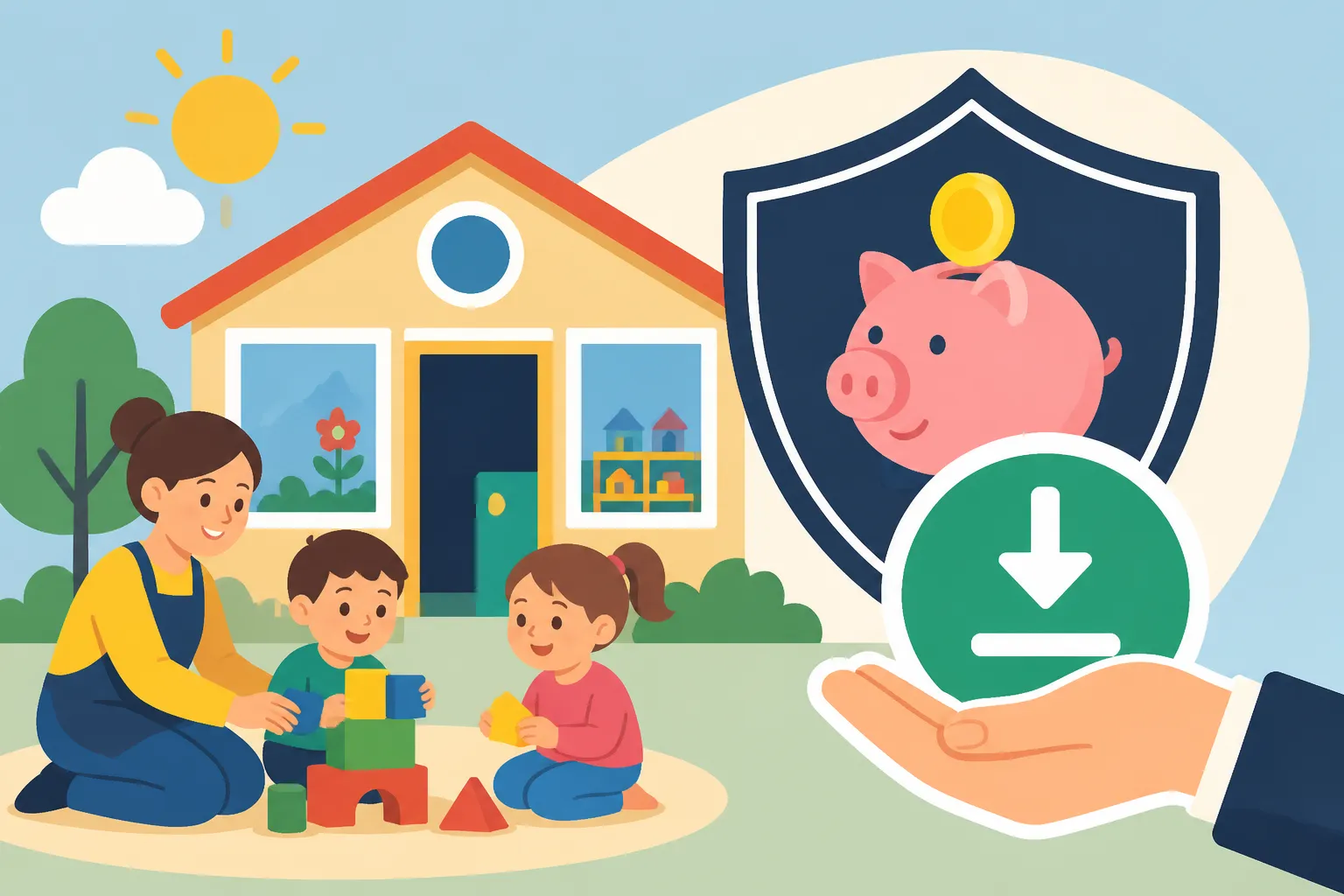
Historically, the maximum price has been adjusted regularly, typically downwards, to make barnehage even more affordable. For instance, in 2024, the maximum price for a full-time spot was NOK 3,000 per month. But the Norwegian government has been steadily reducing this. From August 1, 2024, the maximum price was set to drop to NOK 2,000 per month for most municipalities. And looking ahead to 2025, it's been announced that this will be further reduced to NOK 1,500 per month from August 1, 2025. While specific final figures for 2026 haven't been locked down as of writing, the clear political direction is towards maintaining, or even further reducing, this cap. So, for 2026, you can reasonably expect the maximum price for a full-time barnehage spot to be around NOK 1,500 or potentially even lower, depending on government policy. This continued reduction is a massive relief for families struggling with the broader Cost of Living in Norway 2026: Budgeting for Singles and Families.
This maximum price applies to both public and private barnehager that receive public funding, which most do. This means that whether you choose a municipal barnehage or a privately run one, as long as it's part of the national system, you won't pay more than the government-stipulated maximum for the childcare itself. This provides a fantastic level of predictability and affordability that's rare in many other countries.
What the Max Price Doesn't Always Cover: The "Matpenger"
While the maximum price covers the core childcare service, it's crucial to understand that it doesn't always include meals. This additional cost is known as matpenger (food money). Each barnehage sets its own fee for meals, and this can vary quite a bit, typically ranging from NOK 300 to NOK 600 per month, sometimes even higher.
Some barnehager offer a full meal plan, including breakfast, lunch, and a snack, while others might only provide lunch and you're expected to send your child with breakfast. It’s important to clarify the matpenger amount and what it includes when you're considering a barnehage. Don't be shy about asking for a detailed breakdown of costs – it’s your right to know exactly what you’re paying for.
For families with specific dietary needs or allergies, discussing the meal plan is even more vital. Most barnehager are very accommodating, but it's essential to communicate clearly upfront. Sometimes, if a child has severe allergies, parents might be asked to provide certain food items themselves, but the matpenger generally still applies for the communal food and the staff's efforts in meal preparation and management.
Other minor costs might occasionally pop up, such as small fees for special outings or events, but these are generally infrequent and minimal compared to the main barnehage fee and matpenger. Always ask for a clear list of all potential additional costs before signing a contract.
Income-Based Reductions and Sibling Discounts
The national maximum price is already a great deal, but Norway takes affordability a step further by offering income-based reductions and sibling discounts, making childcare even more accessible for many families. This is where the system truly shines, embodying the principle that quality childcare should not be a luxury.
Reduced Parental Payment Based on Income
The government sets an income threshold, and if your household's combined gross income falls below this amount, you can apply for a reduced parental payment. This means you could end up paying significantly less than the national maximum price. For 2024, the income limit for reduced payment was NOK 550,000. For 2025, this threshold is set to increase to NOK 600,000 annually. We can expect a similar or even slightly higher threshold for 2026, reflecting the government's commitment to supporting families.
To give you an idea of how this works: if your household's total income is below the threshold, your barnehage fee (excluding matpenger) will be capped at a certain percentage of your income. The goal is that no family should pay more than 6% of their total household income for a barnehage spot. This calculation is done by your local municipality, and it can drastically reduce your monthly expenses. It’s a huge relief for families, especially those just starting out or those with lower-to-middle incomes, as it ensures that the cost of childcare remains proportional to your earnings.
Sibling Discounts: A Boon for Growing Families
If you have more than one child in barnehage, you'll be happy to know about the sibling discount system. This is another fantastic benefit that helps alleviate the financial burden on larger families. Typically, you pay the full price for the oldest child (or the one with the highest fee if different municipalities are involved), and then receive discounts for subsequent children.
The standard rates for sibling discounts are usually:
- 30% discount for the second child.
- 50% discount for the third child and any subsequent children.
These discounts are applied to the barnehage fee itself, before matpenger. So, if you have two children in barnehage, your second child's spot will cost you less, and if you have three, the third and fourth will be even cheaper. This structure significantly reduces the overall cost for families, allowing more children to benefit from the early childhood education system. It’s a practical way the government encourages families and ensures that having multiple children doesn't become an insurmountable financial barrier to accessing quality care.
Navigating the Application Process for Subsidies
Applying for these reductions isn't always intuitive, especially if you're new to Norway. The process is handled by your local municipality (kommune). You'll typically need to submit an application through their digital portal, often accessible via the municipality’s website. You'll need documents proving your household income, such as recent payslips, tax assessments (skattemelding), or confirmation of benefits from NAV (the Norwegian Labour and Welfare Administration).
For new arrivals, this can be a bit tricky if you haven't established a full income history in Norway yet. It's best to contact your municipality directly as soon as possible to understand their specific requirements for expats. They often have dedicated services or international offices to assist with such queries. Don't be afraid to reach out – they are there to help! You might find that even without a full year of Norwegian income, they can make an assessment based on your current employment contract or estimated annual income.
It's important to remember that these applications usually need to be renewed annually or if there's a significant change in your household income. Missing the deadlines or failing to provide updated information can mean you end up paying the full maximum price until your application is processed. Stay on top of this, as it can save you a substantial amount of money over the year. Knowing your rights and the procedures for things like Child Benefit (Barnetrygd): Applying via NAV as a Foreign Worker can also give you a broader financial picture.
Public vs. Private Barnehage and What to Expect
One common question among expat parents is whether there's a significant difference between public and private barnehager in Norway, especially concerning cost and quality. The good news is that for most barnehager that receive municipal funding (which is the vast majority), the national maximum price and the income-based reductions apply equally, regardless of whether they are publicly or privately run.
This means you won't pay more for a private barnehage simply because it's private. The main differences tend to lie in their pedagogical approach, size, location, and specific facilities, rather than a significant cost variation. Both public and private barnehager are subject to the same national framework plan, ensuring a baseline standard of quality and educational content across the board.
For example, a private barnehage might have a specific educational philosophy, like Montessori or Waldorf, or focus more on outdoor activities (a "friluftsbarnehage"). Some might have a religious affiliation or cater to specific language groups. Public barnehager, on the other hand, might be larger, more diverse, and follow a more standardized municipal curriculum. The choice often comes down to what fits your family's values and your child's personality best. You can explore the municipal websites for detailed information on both public and private options in your area when looking into Family Life in Norway: Daycare (Barnehage), Schools, and Kids' Activities.
Key Considerations Beyond Cost
While cost is naturally a major factor, there are several other important aspects to consider when choosing a barnehage:
- Location and Opening Hours: This is often the most practical consideration. How close is it to your home or work? What are the opening hours, and do they align with your family's schedule? Many barnehager operate from around 7:00 AM to 5:00 PM, but variations exist. Early morning drop-offs and late afternoon pick-ups are common, so finding a barnehage that fits your workday is essential, especially if you're navigating the complexities of Working in Norway: The Ultimate Job Hunting Guide for Expats.
- Pedagogical Approach: As mentioned, private barnehager often highlight specific educational philosophies. Public ones also have their unique profiles. Do they prioritize free play, structured learning, or outdoor activities? Do they focus on creative arts or early literacy? Visiting a few barnehager (if possible) and reading their annual plans can give you a good sense of their approach.
- Staff-to-Child Ratio and Competence: While there are national guidelines, the actual experience can vary. A good staff-to-child ratio ensures your child gets adequate attention. Inquire about the staff's qualifications – many hold degrees in early childhood education. Consistency in staffing is also a plus, as children benefit from stable relationships with their caregivers.
- Facilities and Outdoor Space: Norway places a high value on outdoor play (friluftsliv). Most barnehager will have ample outdoor space, but some might have more natural playgrounds, forests nearby, or even their own small farms. Consider what kind of environment you want your child to thrive in. Indoor facilities also vary, with some offering specialized rooms for art, music, or quiet play.
- Application Deadlines and Waitlists: This is crucial. Barnehage applications are typically handled by your municipality, often with a main application round in March for spots starting in August (the start of the new academic year). However, many municipalities have rolling admissions for spots that open up throughout the year. Waitlists can be long, especially in popular areas or for specific barnehager. It’s highly recommended to apply as early as possible – even before you arrive in Norway if you have your D-number or fødselsnummer sorted. If you miss the main application round, don't despair; contact the municipality directly about available spots. Sometimes, demonstrating you're actively seeking employment or have just moved can help, but generally, it's first come, first served, or based on priority criteria (e.g., children with special needs, siblings already attending). Be prepared for the possibility of not getting your first choice, or even a spot at all, for several months.
Planning Your Family Budget Around Norwegian Childcare
The Norwegian barnehage system, with its maximum price and income-based reductions, is genuinely a fantastic support for families. It aims to prevent childcare costs from being an overwhelming burden, something many expats from other countries find hard to believe until they experience it. Knowing that your full-time childcare won't exceed a manageable amount – for 2026, likely around NOK 1,500 plus matpenger – allows for much clearer financial planning.
Compare this to the exorbitant costs in many other Western countries, where childcare can easily consume a significant portion of a household's income. Norway's approach frees up parental income and enables both parents to participate in the workforce, aligning with broader Norwegian societal values of equality and shared parental responsibility. This framework is part of the larger social safety net that includes generous parental leave and child benefits.
However, while barnehage costs are relatively contained, it's essential to remember that Norway's overall cost of living remains high. Groceries, transportation, and particularly housing (especially in cities like Oslo or Bergen, when you're Renting in Norway: Apartments, Contracts, and Tenant Rights) can still command a large part of your budget. So, while you can breathe a sigh of relief on the childcare front, thorough budgeting for all other expenses is still critical. For long-term planning, understanding The Complete Guide to Norwegian Taxes for Expats (Skatteetaten) is also crucial.
Once your children move beyond barnehage and into school, you'll encounter SFO (Skolefritidsordning), which is after-school care. SFO also has its own fee structure, typically based on how many hours per week your child attends, and often includes meal options. While generally more expensive than barnehage for a full-time spot, it also offers income-based reductions and sibling discounts, continuing the principle of affordable childcare through the early school years. Just as with barnehage, children also benefit from Helsestasjon: Norway’s Free Child Health Clinics and Vaccination Program during these years.
In conclusion, the barnehage maximum price in Norway, projected to be around NOK 1,500 per month for 2026 (plus matpenger), is an incredible asset for expat families. It significantly alleviates one of the biggest financial stresses associated with raising children, allowing you to settle into Norwegian life with a little more peace of mind, knowing that quality and affordable care for your little ones is a given. Just remember to apply early and understand the local municipal rules!
Disclaimer
The information provided in this guide is intended for general informational purposes only and does not constitute legal or financial advice. While we strive to provide accurate and up-to-date information based on current regulations and publicly available data, policies regarding barnehage pricing, income thresholds, and application processes in Norway are subject to change by governmental bodies and individual municipalities. It is always recommended to consult official sources, such as your local municipality (kommune), UDI, NAV, or a qualified legal or financial advisor, for the most current and personalized guidance regarding your specific situation in Norway.