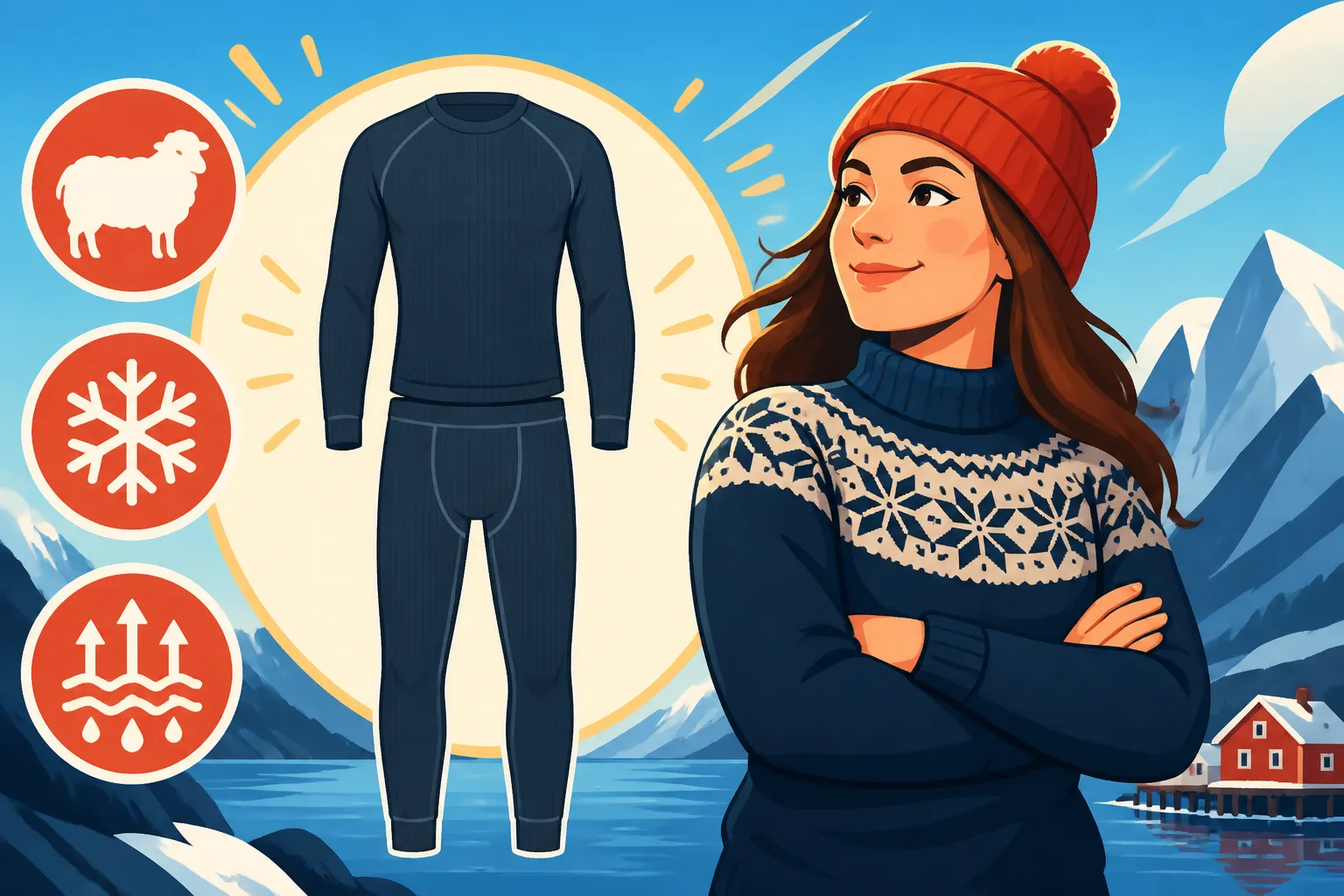
Wool Underwear (Ullundertøy): Why Norwegians Insist You Wear It
You’ve just arrived in Norway, perhaps in the crisp autumn air or even the biting chill of winter, and you’re quickly realizing that your usual wardrobe simply isn’t cutting it. You hear the locals talking about "ullundertøy" with an almost religious fervor, and you're thinking, "Wool underwear? Seriously? Isn't that for grandpas?" Trust me, my friend, this isn't your grandma's scratchy wool; it's the secret weapon that makes Norwegian life not just bearable, but truly enjoyable, no matter the weather. This guide will dive deep into why ullundertøy is an absolute essential for every expat and visitor here, what to look for, and how to embrace this core piece of Nordic living.
The Unspoken Rule of Norwegian Winter: Layering with Ullundertøy
When you first land in Norway, settling into your new life – perhaps even finding your first temporary apartment through platforms like Spotahome – you might feel a bit overwhelmed by the local obsession with wool. Your initial reaction might be to bundle up in thick sweaters and heavy coats, but soon you'll learn that the base layer is where the magic truly begins. Norwegians live by the three-layer principle, and the first, most critical layer against your skin is almost always ullundertøy. This isn't just about being warm; it's about being comfortably warm, dry, and ready for whatever the unpredictable Norwegian climate throws your way.
Why Norwegians Swear by Wool: Beyond Just Warmth
The concept of ullundertøy goes far beyond simply keeping you warm. Modern wool, especially merino wool, is a marvel of natural engineering, offering a host of benefits that cotton or synthetic base layers simply cannot match. For starters, it’s an incredible insulator. The natural crimp in wool fibers creates tiny air pockets that trap body heat, keeping you toasty even when the mercury plummets. This is crucial when you’re out enjoying activities like cross-country skiing or just waiting for the bus in a brisk wind.
But here’s the kicker: wool also possesses extraordinary thermoregulating properties. This means it helps your body maintain a consistent temperature, whether it's freezing outside or you're exerting yourself and starting to warm up. When you start to sweat (because, let's be honest, even in winter, hiking up a hill or shoveling snow can make you perspire), wool has an incredible ability to wick moisture away from your skin. It can absorb a significant amount of moisture without feeling damp or clammy, which is a game-changer. Imagine yourself on a long hike: you're sweating uphill, then you stop for a break. If you're wearing cotton, that dampness will quickly turn cold and chill you to the bone. With wool, you stay dry and therefore warm.
Another benefit that expats quickly come to appreciate, especially if you're living an active outdoor lifestyle, is wool's natural odor resistance. Unlike synthetics that can start to smell after just one intense workout, wool contains lanolin, a natural wax that has antimicrobial properties. This means you can wear your ullundertøy for multiple days, even on a multi-day Friluftsliv: Embracing the Norwegian Outdoors and "Right to Roam" adventure, without it developing that tell-tale funk. This feature is particularly handy for travel or when you just want to pack light. It truly makes wool a superior choice for sustained comfort and hygiene in varying conditions.
Cotton is Rotten: The Perils of Inappropriate Base Layers
You might be thinking, "What's wrong with my cotton t-shirts and long johns?" Ah, my friend, that's where many newcomers make their first chilly mistake. In Norway, we have a saying: "Bomull er døden," which literally means "cotton is death." While a bit dramatic, it highlights a crucial truth about surviving the Norwegian climate. Cotton is highly absorbent, and once it gets wet – whether from sweat, snow, or rain – it stays wet. When cotton is wet, it rapidly loses its insulating properties, drawing heat away from your body through evaporation.
Picture this common scenario: you step out for a brisk walk in the city, feeling cozy in your cotton thermals. As you walk, you generate heat and perspire slightly. When you stop to look at a shop window or wait for a friend, that trapped moisture in your cotton layers starts to cool down rapidly. Suddenly, you're not just damp; you're actively feeling cold and clammy, risking a significant chill that can quickly turn into discomfort or even lead to hypothermia in colder conditions. This is why cotton is utterly unsuitable as a base layer for outdoor activities in Norway, especially during winter.
Synthetics, on the other hand, are a step up from cotton. They do a better job of wicking moisture away from the skin and drying quickly. However, they often lack the warmth retention of wool when inactive, and they tend to harbor odors much more quickly than their wool counterparts. After a couple of wears, synthetics can develop a stubborn smell that's hard to get rid of, which isn't ideal for sustained wear or for those long days out. So, while synthetics might be okay for a quick gym session, for true, sustained comfort and performance in Norway's varied climate, wool remains the undisputed champion. It's an essential item on any Surviving the Norwegian Winter: Clothing, Heating, and Mørketid (Dark Season) checklist.
Choosing Your Ullundertøy: A Guide to Types, Weights, and Brands
Stepping into a Norwegian sports store to buy ullundertøy for the first time can feel a bit like learning a new language. You'll see terms like "merino," "ull/silke," and numbers like "150 gsm" or "260 gsm." Don't fret, it's not as complicated as it seems, and understanding these distinctions will help you pick the perfect gear for your Norwegian adventures. It’s all about matching the right wool to the right activity and temperature.
Deciphering the Labels: Grams Per Square Meter GSM and Material Blends
The most important number you’ll encounter when buying ullundertøy is the "GSM," which stands for Grams Per Square Meter. This figure tells you the density and thickness of the fabric, directly correlating to how warm the garment will be. Think of it as the wool's "weight class":
- Lightweight (150-200 GSM): These are your everyday heroes, perfect for high-intensity activities like running or cross-country skiing in milder winter conditions, or as a base layer for cooler autumn and spring days. They offer excellent breathability and moisture-wicking without excessive warmth. Many Norwegians even wear lightweight wool during cool summer evenings in the mountains, because wool keeps you surprisingly comfortable even when the air isn't freezing.
- Midweight (200-260 GSM): This is the sweet spot for most general winter use. It’s versatile enough for hiking, downhill skiing, or just regular city wear when it's genuinely cold outside. It provides excellent warmth without being overly bulky and maintains good breathability. If you’re buying your first set of ullundertøy, a midweight option is often a great starting point for its all-around utility.
- Heavyweight (260+ GSM): When temperatures really plunge, or if you'll be spending long periods outdoors with minimal activity (e.g., ice fishing, sitting around a campfire), this is your choice. It offers maximum warmth and insulation. Keep in mind, these can be a bit too warm for high-output activities unless it’s truly arctic cold.
You might also see material blends. "Ull/silke" (wool/silk) blends are incredibly soft and luxurious, often chosen for sensitive skin or for more casual, everyday wear where maximum performance isn't the only goal. They offer a bit more drape and comfort. Wool/synthetic blends (e.g., wool/polyester) aim to combine the durability and quick-drying properties of synthetics with the natural benefits of wool, though some argue they lose a bit of wool's magic in the process. For pure performance and comfort, 100% merino wool is often preferred, but blends have their place depending on personal preference and specific needs.
Top Norwegian Brands and Where to Find Them
Norway is a Mecca for outdoor gear, and its ullundertøy brands are world-renowned. Investing in quality here pays off in comfort and longevity. You'll quickly learn the names of companies like Devold, one of Norway’s oldest and most respected wool producers, known for its durable, high-quality, and often classically styled garments. Then there's Janus, another traditional Norwegian brand offering robust and reliable wool products, often popular for children due to their excellent durability.
For those who appreciate design and a slightly more fashionable edge, Kari Traa (named after the Olympic skier) offers women's specific ullundertøy with vibrant colors and flattering cuts, without compromising on performance. If you're into serious outdoor pursuits, brands like Aclima, Norrøna, and Bergans are titans in the field, producing technical wool layers designed for extreme conditions and high activity levels. Their garments are often a bit pricier, but the performance and durability are exceptional.
You can find these brands across various retailers. Large sports chains like XXL, Intersport, and G-Sport are excellent places to start, offering a wide selection and often running sales. For more budget-friendly options, especially during seasonal promotions, keep an eye on discount sports stores like Sport Outlet, or even the clothing sections of larger grocery stores like Kiwi and Rema 1000 as winter approaches. They often have surprisingly decent quality ullundertøy during peak season. Remember, while the initial cost might feel like a pinch, a good set of ullundertøy is an investment in your comfort and well-being in Norway, and it will last for years with proper care. You can also explore options for Where to Buy Affordable Winter Clothing in Norway which often includes wool base layers.
Practicalities of Owning Ullundertøy: Care, Cost, and Integration
So, you've decided to take the plunge and invest in some quality ullundertøy. Fantastic! Now, how do you keep it in top condition, and how do you make sense of its cost in your overall Cost of Living in Norway 2026: Budgeting for Singles and Families? Don't worry, it's simpler than it seems, and the benefits far outweigh any initial hesitations you might have.
Keeping Your Wool Happy: Washing and Longevity Tips
One of the common misconceptions about wool is that it's difficult to care for. While it's true you can't just toss it in with your regular laundry on a hot cycle, caring for ullundertøy is quite straightforward once you know the ropes. Most modern merino wool garments are machine washable, but there are a few golden rules to follow to ensure they last:
- Use the Wool Cycle: Your washing machine likely has a specific "wool," "hand wash," or "delicate" cycle. This cycle uses cold water and gentle agitation to prevent shrinkage and damage to the fibers.
- Special Detergent: Crucially, use a detergent specifically designed for wool. These are pH-neutral and don't contain enzymes that can break down wool fibers. Brands like Milo are widely available in Norwegian supermarkets and are perfect for the job. Avoid regular detergents with harsh chemicals or bleaches.
- Cold Water is Key: Always wash in cold water (usually 30°C or lower). Hot water is the enemy of wool, causing it to shrink and felt.
- Air Dry: Never put your ullundertøy in the dryer! The high heat will almost certainly shrink and damage it beyond repair. Lay it flat or hang it to air dry, away from direct sunlight or heat sources like radiators. Wool dries surprisingly quickly.
With proper care, a good set of ullundertøy can last for many years, making the initial investment well worth it. You might notice some minor pilling (small balls of fiber) after the first few washes, which is normal for wool and can be gently removed. If you do get a small hole, don't despair! Many outdoor stores or online tutorials can show you how to patch wool, extending its life even further.
The Investment Justification: Why the Price Tag is Worth It
Let's not beat around the bush: ullundertøy can be expensive. A full set (top and bottom) from a reputable brand can easily set you back 1000-2000 NOK or more. For newcomers, especially when you're factoring in the entire Cost of Living in Norway 2026: Budgeting for Singles and Families, the price of quality ullundertøy can seem steep, particularly if you've just arrived and are navigating new expenses, perhaps even from a temporary setup found on Spotahome. However, I want to emphasize that this is one area where cutting corners can lead to genuine discomfort and regret.
Think of it as an investment in your personal well-being and ability to enjoy life in Norway. The superior performance, comfort, and longevity of good ullundertøy mean you won't need to replace it frequently, unlike cheaper synthetic alternatives that wear out, lose shape, or start to smell quickly. The ability to stay warm and dry, prevent chills, and enjoy the outdoors comfortably is invaluable here. It allows you to participate in all the fantastic activities Norway has to offer, from skiing on pristine slopes – perhaps even necessitating Using the European Health Insurance Card at Norwegian Ski Resorts – to simply enjoying a crisp winter walk without dreading the cold.
When you factor in the health benefits (avoiding colds and general discomfort), the durability, and the sheer joy of being truly comfortable outdoors, the cost per wear of quality ullundertøy becomes very reasonable over time. It's truly a foundational purchase that will enhance your Norwegian experience significantly.
Building a Smart Layering System for Norwegian Life
Ullundertøy is the cornerstone of the Norwegian layering system, famously known as the "three-layer principle." It’s designed to provide maximum flexibility and comfort across varying temperatures and activity levels:
- Base Layer (Ullundertøy): This is your second skin. Its job is to wick moisture away from your body and provide initial insulation. This layer should be snug but not restrictive.
- Mid-Layer (Mellomlag): This layer provides the bulk of your insulation. Depending on the temperature and activity, this could be a fleece jacket, a wool sweater, or a lightweight down vest. You can add or remove this layer easily to regulate your warmth.
- Outer Layer (Ytterlag or Shell): This is your protective shield against wind, rain, and snow. It should be waterproof and windproof but also breathable to allow moisture vapor to escape from the inner layers. This is your final defense against the elements, crucial for activities like Hiking Trolltunga and Preikestolen Safely as a New Resident or simply navigating the city in a snowstorm.
By mastering this system, starting with quality ullundertøy, you’ll be prepared for anything, from a gentle stroll in the city to an intense day of cross-country skiing. You can easily adapt your outfit by adding or shedding layers, ensuring you're always at a comfortable temperature. This smart approach to dressing is key to thriving in Norway’s diverse and often dramatic weather.
Beyond the Basics: Advanced Tips and Where to Find Deals
Now that you're well on your way to becoming an ullundertøy connoisseur, let's look at some more advanced tips, particularly for families and for finding those elusive deals that can make a quality purchase more palatable. You don't have to break the bank to outfit yourself and your loved ones in the best base layers.
Ullundertøy for the Whole Family and Second-Hand Options
If you have children, you’ll quickly discover that ullundertøy isn't just for adults; it’s practically mandatory for kids attending barnehage (kindergarten) or school, especially during the colder months. Norwegian children spend a lot of time outdoors, regardless of the weather, and a good wool base layer ensures they stay warm and dry through playtime in the snow or damp forests. Brands like Janus and Reima are popular for kids' wool, offering durability and often adorable designs. Investing in proper wool for your little ones means fewer sniffles and more happy outdoor hours for them, which translates to peace of mind for you.
Given the cost, especially for growing children, exploring second-hand options is a smart move. Norway has a fantastic culture of buying and selling used goods, and ullundertøy is no exception. Websites and apps like [Tise] and the "Torget" section of Finn.no are treasure troves for gently used wool items. You can often find high-quality pieces from top brands in excellent condition at a fraction of the original price. Just be sure to check for holes or excessive wear, and always wash thoroughly with wool-specific detergent before use. It's a sustainable and budget-friendly way to equip your family for Norwegian life.
When and How to Stock Up: Sales, Outlets, and Online Shopping
Timing your purchases can save you a significant amount of money on ullundertøy. The best times to find sales are typically at the end of the winter season (late February/March) when retailers clear out their stock, and sometimes during pre-winter sales (September/October) to entice early shoppers. Keep an eye on the websites of major sports retailers like XXL, Intersport, and G-Sport during these periods. Black Friday and post-Christmas sales are also excellent opportunities to snag a deal.
Additionally, if you're willing to travel a bit, Norway has several outlet villages, such as Vestby Næringspark, where you might find dedicated brand stores (like Devold or Bergans) offering discounted items. These can be great places to find high-quality ullundertøy at a more accessible price point.
For those comfortable with online shopping, Norwegian e-commerce sites are plentiful. However, if you consider ordering from international retailers outside the EU/EEA, be mindful of Posten Customs Clearance Fees: Receiving Packages from Outside Europe. These unexpected costs can quickly negate any savings you might have found, so always factor them in. Sometimes, simply paying a little more locally ensures a hassle-free purchase and easy returns if something doesn't fit. Remember, budgeting for essentials like ullundertøy and anticipating costs like winter electricity spikes can help you manage your finances in Norway.
| Brand | Typical GSM Range | Key Features | Price Level (1-5, 5=highest) | Best For |
|---|---|---|---|---|
| Devold | 150-500+ | Classic, durable, high-quality, wide range | 4 | All-round use, extreme conditions, longevity |
| Janus | 180-260 | Reliable, often good value, popular for children | 3 | Everyday wear, family, durable |
| Kari Traa | 180-240 | Women's specific, stylish designs, comfortable | 3 | Fashion-conscious women, active use |
| Aclima | 150-500+ | Technical, performance-focused, excellent breathability | 4 | High-intensity activities, cold expeditions |
| Bergans | 180-260 | Outdoor specialists, good blends, robust | 4 | Hiking, skiing, general outdoor recreation |
| Pierre Robert | 150-200 | Supermarket/department store, basic, affordable | 2 | Everyday comfort, budget-friendly |
Disclaimer
Please note that the information provided in this guide is for general informational purposes only and does not constitute professional advice. While we strive to provide accurate and up-to-date information, regulations, prices, and available services in Norway can change. Always verify current details with official sources, product manufacturers, and retailers before making decisions. Personal experiences and recommendations are subjective and may not apply to everyone.