What to Do When Stores in Norway Refuse to Accept Cash
Moving to Norway, you've likely braced yourself for the breathtaking fjords, the surprisingly early sunsets in winter, and perhaps even the cost of a pint. But one curveball that consistently catches newcomers off guard is the pervasive and often frustrating reality that many stores and businesses simply refuse to accept cash. It's an awkward, sometimes embarrassing situation that can leave you fumbling at the checkout, wondering if your Norwegian adventure has just hit a cashless wall. This guide is here to walk you through why this happens, what your options are, and how to seamlessly navigate Norway's increasingly digital payment landscape.
The Uncomfortable Reality: Why Cash is Becoming a Relic in Norway
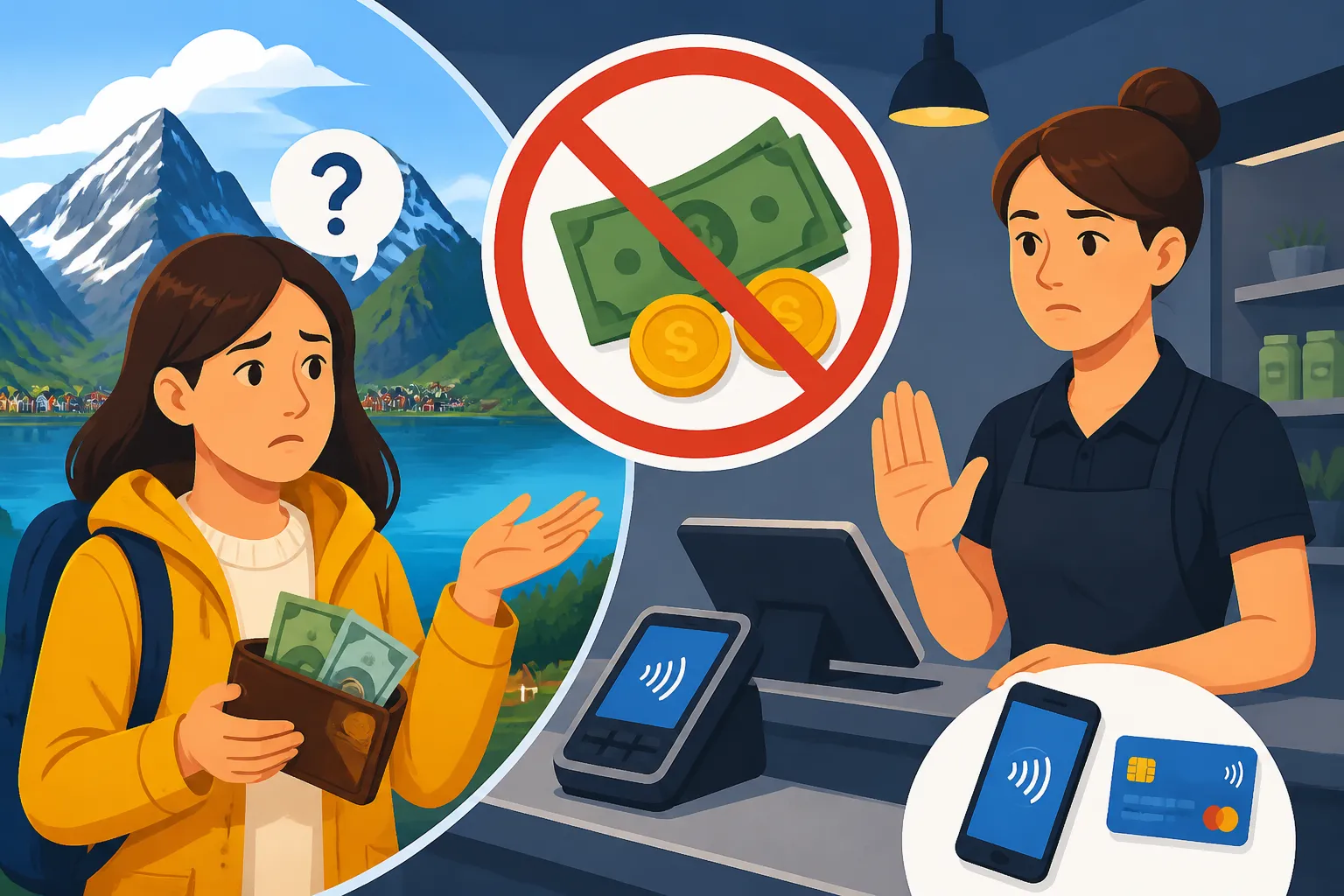
For many expats, the moment of truth often arrives innocently enough: you've grabbed a coffee, a snack, or a small item, only to be met with a polite but firm "card only, please." It's not personal; it's just Norway. The country has been on a fast track to becoming a truly cashless society for years, driven by a blend of technological adoption, convenience, and a desire for efficiency.
Why Norway is Going Cashless
Norway's journey towards a cashless society is deeply embedded in its cultural values of trust, efficiency, and technological innovation. Unlike some countries where cash transactions might offer a sense of anonymity or a way to operate "off the books," Norway has embraced digital payments as a standard for transparency and ease. For businesses, handling cash comes with security risks, reconciliation headaches, and the physical costs of transport and banking. Digital transactions, conversely, are faster, more secure, and streamline accounting processes. Think about the sheer speed at which transactions happen; tapping your card or phone means less waiting in line, fewer errors, and a more hygienic experience. From small kiosks to major supermarkets like Kiwi, Rema 1000, and Meny, the preference for card payments is clear. The infrastructure is simply there, and people are comfortable using it.
The Legal Landscape of Cash Acceptance
This is where it gets a bit murky and often leads to expat frustration. While Norway does have a law stating that cash is legal tender, the interpretation and enforcement in practice are quite nuanced. The Norwegian Central Bank (Norges Bank) generally maintains that merchants are obliged to accept cash, but there are exceptions, particularly if it causes "considerable inconvenience" or if the business has clearly stated its policy beforehand. What constitutes "considerable inconvenience" can be subjective. For instance, if a business primarily operates digitally, accepting cash might require special measures, security boxes, and extra trips to the bank, which they argue causes inconvenience.
The general consensus among many legal experts and consumer protection agencies is that while cash remains legal tender, businesses have some leeway to refuse it under specific circumstances, especially if they provide clear signage indicating "card only" or similar. However, there's no widespread enforcement that forces every single small business to accept cash if they choose not to. This creates a challenging situation for consumers who assume their physical currency holds universal value. It’s a classic example of a law existing on paper, but societal practice having moved on.
Where You'll Most Likely Get Turned Away
You'll encounter this "cash-free" zone in a surprisingly wide array of places. Public transport, particularly for buying single tickets on buses and trams, often prefers or exclusively accepts card payments or mobile apps. Many smaller cafes, particularly those in city centers catering to a younger, tech-savvy crowd, might have a "card only" sign at the register. Street vendors, pop-up shops, and even some smaller, independent grocery stores or kiosks might also operate with a strict no-cash policy. Even parking meters have largely gone digital, requiring apps or card payments. It's less common in larger, established retail chains, but even there, you'll find an overwhelming preference for card. This trend isn't limited to urban areas; even in more rural parts of Norway, digital payments have largely taken over.
Navigating the Digital Landscape: Essential Payment Tools for Expats
So, if cash is no longer king, what are your reigning alternatives? Embracing Norway's digital payment ecosystem is absolutely crucial for a smooth daily life. It's not just about convenience; it's about necessity.
Embracing Vipps and Your Bank Cards
The undisputed champion of digital payments in Norway is Vipps. This mobile payment app is ubiquitous, used for everything from splitting bills with friends to paying for groceries, online shopping, and even small transactions at farmer's markets. It's incredibly convenient, linking directly to your Norwegian bank account. Think of it as Norway's version of Venmo or PayPal, but integrated into almost every facet of financial life. Once you have a Norwegian bank account and BankID, setting up Vipps is usually straightforward.
Beyond Vipps, your debit and credit cards will be your primary companions. Visa and Mastercard are widely accepted everywhere, often with a simple tap-and-pay function. American Express is less common, so don't rely on it exclusively. Most Norwegian debit cards also function as Visa or Mastercard, giving you seamless global acceptance. When you pay by card, you'll often be asked if you want to pay "debet" (from your debit account) or "kreditt" (from a credit account). For most daily purchases using your main bank card, "debet" is the standard.
The Power of Your Norwegian Bank Account and BankID
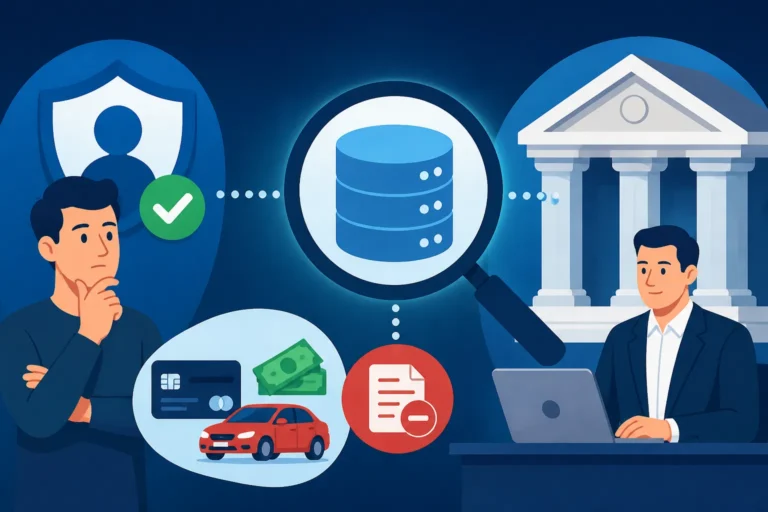
This cannot be stressed enough: a Norwegian bank account is your gateway to financial sanity in Norway. Without one, you'll face an uphill battle. It's not just for receiving your salary; it's essential for setting up recurring bills (eFaktura, AvtaleGiro), accessing online banking services, and, most importantly, getting BankID.
BankID is Norway's national electronic identification system, and it is a game-changer for pretty much everything. From accessing your tax information on Skatteetaten to signing rental contracts, applying for loans, or even just verifying your identity online, BankID is indispensable. The biggest challenge for many expats is that obtaining BankID often requires a Norwegian national identity number (fødselsnummer) or a D-number combined with a physical passport with an RFID chip. This can be a bit of a bureaucratic hurdle at the start, but it’s worth pushing through. It’s so fundamental that even trying to renew a prescription online through Helsenorge becomes a challenge without it.
For more on getting set up, I highly recommend checking out our comprehensive guide on Banking in Norway: How to Open an Account as a Foreigner and diving deeper into BankID Explained: Norway's Digital Identity System and Expat Challenges.
Bridging the Gap: Solutions for New Arrivals and Tourists
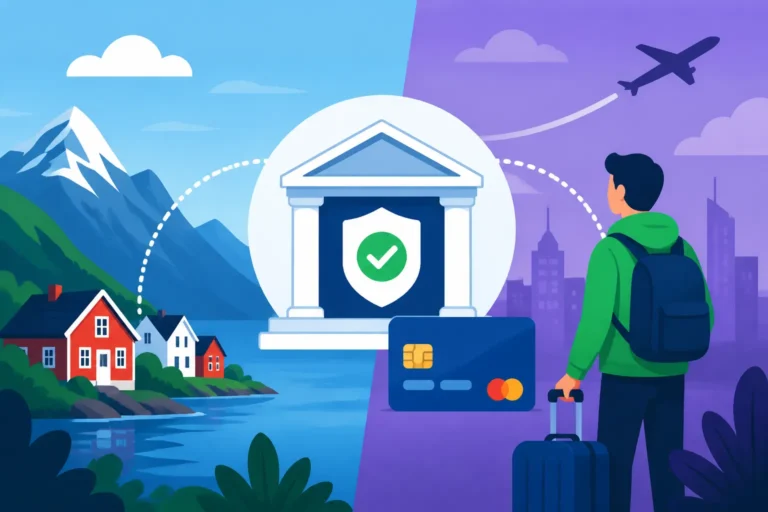
If you've just arrived and are still waiting for your D-number or fødselsnummer, getting a full Norwegian bank account and BankID might take a little time. During this interim period, you're not entirely out of options, but you'll need to be savvy.
Many international debit and credit cards will work perfectly fine at most terminals. Just be mindful of potential foreign transaction fees from your home bank. Services like Wise (formerly TransferWise) offer multi-currency accounts with debit cards that can hold NOK and function like a local card, often with very low conversion fees. This can be a lifesaver for those initial weeks or months, allowing you to pay digitally while avoiding exorbitant bank fees from your home country. While not a substitute for a full Norwegian bank account, Wise's debit card can be a strong temporary solution. You can explore more about services like this in our article Can I Use Revolut or Wise as My Primary Bank in Norway? for a deeper dive.
Comparison of Payment Methods in Norway
| Payment Method | Pros | Cons | Best For | Setup Requirement |
|---|---|---|---|---|
| Vipps | Ubiquitous, instant transfers, easy bill splitting | Requires Norwegian bank account and BankID | Daily small payments, peer-to-peer transfers | Norwegian Fødselsnummer/D-Number, BankID, Norwegian Bank Account |
| Norwegian Debit Card | Widely accepted, no foreign transaction fees | Requires Norwegian bank account, not all are credit cards | All daily purchases, ATM withdrawals | Norwegian Fødselsnummer/D-Number, Bank Account |
| International Card | Usable immediately upon arrival | Potential foreign transaction fees, less common for small shops (rare) | Initial period, emergencies, tourist spots | Home country bank account |
| Cash (NOK) | Accepted in some places (e.g., some smaller vendors) | Increasingly rejected, inconvenient, security risk for businesses | Very limited scenarios, specific markets | Physical currency |
| Wise Debit Card | Low fees, multi-currency, functions like a local card | Not a full Norwegian bank account, some services still require BankID | New arrivals, frequent travelers, international payments | Wise account, verification |
When Cash is Rejected: What to Do in the Moment
It’s happened to all of us. You’re at the counter, proudly presenting your crisp NOK notes, only for the cashier to shake their head. That feeling of embarrassment mixed with frustration is totally valid. Here’s how to handle it gracefully and effectively.
Staying Calm and Exploring Immediate Options
First things first, take a breath. It’s not a personal affront, and getting flustered won’t change the store’s policy. Politely ask if there are any other payment methods they do accept. Often, they’ll point to a card terminal or suggest Vipps. If you have an international card, try that. If you have a Wise card, try that too. Sometimes, a different card type might work even if the first one didn't (though this is rare for cash vs. card issues, more for specific card network issues).
If you truly have no other digital means, you might, very occasionally, find a sympathetic cashier who might offer a workaround. This is usually more common in smaller, independent shops where the owner might be present and willing to make an exception. Don't expect it, but don't be afraid to politely explain your situation. In some rare cases, they might suggest you pop over to an ATM to withdraw money (which would then be useless if they only accept card anyway!) or even offer to hold the item while you find a different payment method.
Understanding Your Limited Recourse
Unfortunately, if a business clearly displays a "card only" sign, or if their policy is widely known (e.g., public transport), you have very limited recourse in the moment. While, as discussed, cash is legal tender, practical enforcement favors the business in most everyday scenarios. Trying to argue the finer points of Norwegian commercial law at a busy checkout line is unlikely to yield results and will probably just lead to more frustration for everyone involved.
The best approach is proactive prevention: assume most places are cashless and prepare accordingly. Always have at least one working debit or credit card, and ideally, a loaded Vipps account (once you're fully set up). This avoids the awkward confrontation entirely.
Long-Term Strategies for Financial Smooth Sailing in Norway
Successfully navigating Norway's cashless economy isn't just about surviving; it's about thriving. Establishing your financial infrastructure early on will save you countless headaches.
Establishing Your Financial Foothold
The absolute cornerstone of financial integration in Norway is getting your Norwegian national identity number (fødselsnummer) or D-number, followed by opening a local bank account. This isn't just for payments; it's for everything from receiving your salary to filing your tax return with Skatteetaten. Once you have your fødselsnummer or D-number, most major Norwegian banks like DNB, Nordea, and SpareBank 1 will be able to help you open an account.
Don't forget that understanding The Complete Guide to Norwegian Taxes for Expats (Skatteetaten) is also vital for long-term financial health. The sooner you understand how your income, savings, and even wealth are taxed, the better you can budget and plan. Companies like Taxes for Expats can also be invaluable resources for navigating the complexities of your tax obligations, especially if you have income or assets outside Norway. Getting this sorted ensures you're compliant and avoiding any nasty surprises down the line.
Building a Robust Digital Wallet
Once you have your Norwegian bank account and BankID, creating a comprehensive "digital wallet" is key. This means:
- Vipps: As mentioned, this is essential. Link it to your primary bank account.
- Physical and Digital Cards: Ensure you have both a physical debit card and, if possible, set it up on your phone's digital wallet (Apple Pay, Google Pay) for even quicker tap-and-pay convenience. Consider getting a Norwegian credit card once your credit history allows, as these often come with good travel insurance benefits.
- Loyalty Apps: For grocery shopping, download and use loyalty apps like Trumf (for Kiwi and Meny) or Æ (for Rema 1000). These don't just offer discounts; they further cement your digital footprint and make transactions smoother.
- Online Banking Access: Familiarize yourself with your bank’s online portal and mobile app. This is where you’ll manage your finances, pay bills, and track your spending.
Having multiple digital options ensures that if one system is down, or if you lose your phone/card, you still have backups.
Beyond Payments: Comprehensive Financial Integration
Norway’s move towards cashless transactions is part of a larger trend towards digital-first services in general. This impacts not just how you pay, but also how you manage your budget, how you handle remittances to your home country, and even how you interact with public services.
Budgeting becomes simpler when all your transactions are digital and tracked by your bank. For those sending money home, understanding the Cheapest Ways to Transfer NOK to International Accounts becomes even more relevant when cash isn't an option for sending. Additionally, almost all interactions with government agencies, utility providers, and even healthcare services are streamlined through digital portals requiring BankID. This digital dependency truly underscores why embracing and understanding Norway's cashless and digital infrastructure is not just about payments, but about full integration into Norwegian society.
Disclaimer
The information provided in this guide is for general informational purposes only and does not constitute financial, legal, or professional advice. While we strive to keep the information up-to-date and accurate, laws, regulations, and business practices in Norway can change. Always consult with a qualified professional for advice tailored to your specific situation.