Why Must a Deposit Be in a Locked Depositumskonto?
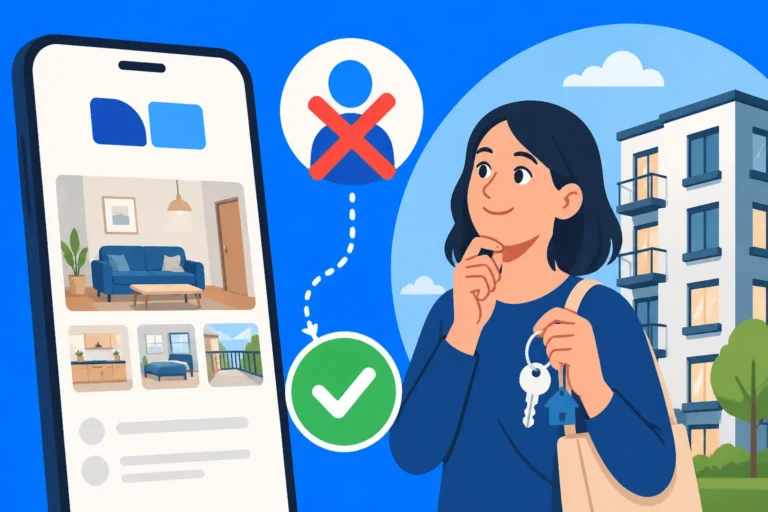
Moving to Norway is a whirlwind of breathtaking fjords, expensive coffee, and a mountain of paperwork that can make even the most seasoned traveler's head spin. One of the biggest hurdles you will face early on is securing a place to live, which inevitably leads to the dreaded deposit conversation. This guide breaks down exactly why a locked depositumskonto is the only legal way to handle your security deposit and how it protects you from losing thousands of kroner to a dishonest or uninformed landlord.
The Legal Foundation of the Norwegian Rental Market
When you first start browsing listings, you will likely notice that deposits in Norway are no joke. It is standard practice for a landlord to ask for three months' worth of rent upfront as security. In cities like Oslo or Bergen, this can easily amount to 45,000 NOK or more. Because the stakes are so high, Norwegian law is incredibly strict about how this money is handled.
The relationship between a tenant and a landlord is governed by the Husleieloven, or the Tenancy Act. This law is designed to level the playing field, ensuring that neither party can simply walk away with the other’s money without a fight. If you are currently in the middle of a search, you should check out our Finn.no Masterclass: How to Navigate Norway’s Biggest Housing Site to understand how these listings are structured. The law explicitly states that the deposit must be placed in a separate, locked account in the tenant's name.
If a landlord asks you to transfer the deposit directly to their personal bank account, they are breaking the law. Even if they seem like the nicest person in the world, or they claim it is just "easier" to do it via Vipps, you must refuse. This is a massive red flag. By using a formal depositumskonto, you are ensuring that the bank acts as a neutral third party. This structure is a cornerstone of Renting in Norway: Apartments, Contracts, and Tenant Rights and skipping it is the fastest way to find yourself in a legal nightmare.
Understanding the Mechanics of a Depositumskonto
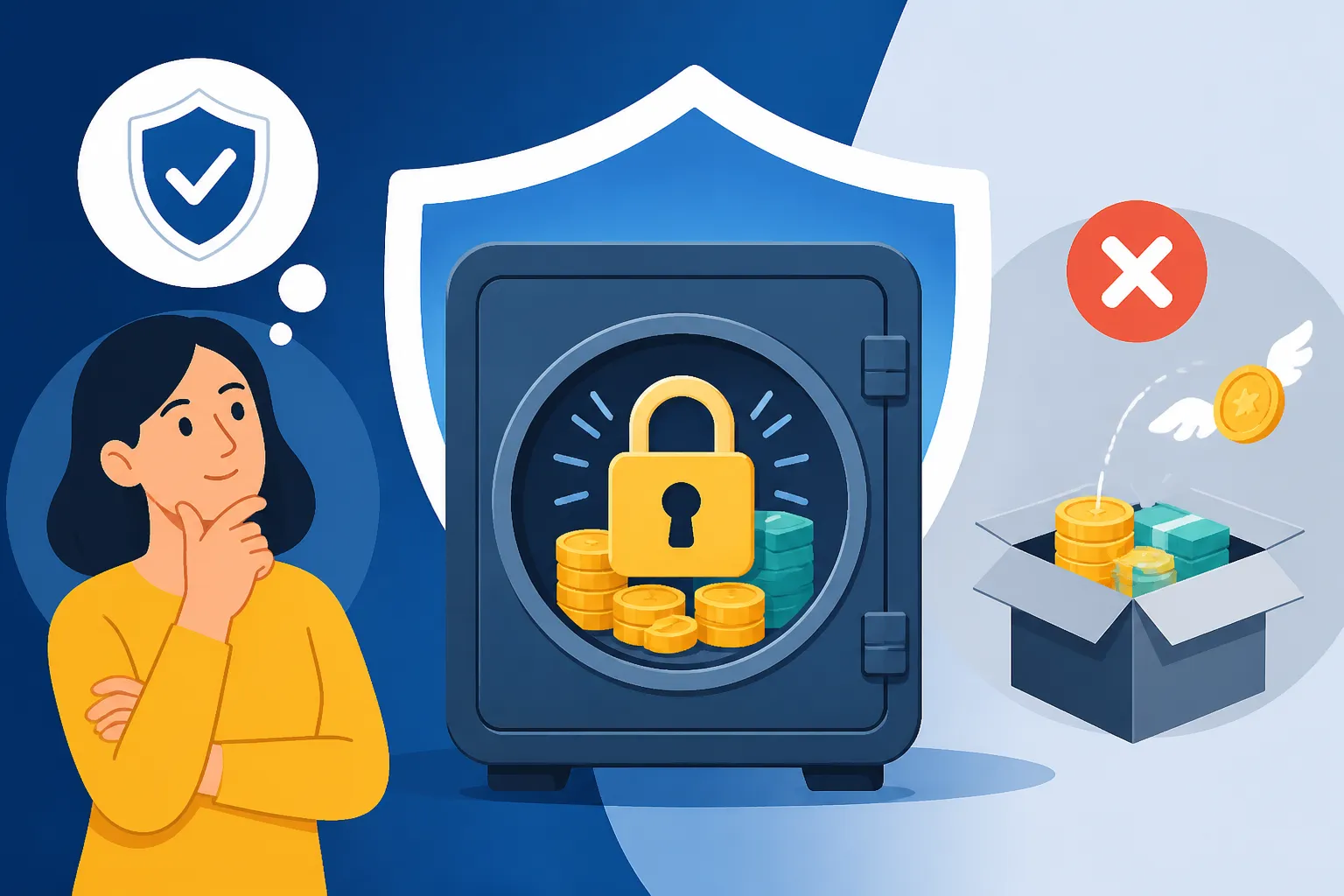
A depositumskonto is a specialized bank account that neither the tenant nor the landlord can access individually. It is "locked," meaning the bank will not release the funds unless both parties sign off on it or a legal judgment is produced. This prevents a landlord from dipping into your savings to pay for "wear and tear" that they haven't proven, and it prevents you from using the deposit to cover your last month's rent.
One of the most common questions expats ask is: who pays for this account? Under the Tenancy Act, it is the landlord’s legal responsibility to pay the setup fee for the depositumskonto. These fees usually range from 500 to 1,000 NOK depending on the bank. If a landlord asks you to cover this cost, you should politely remind them of the law. For those who are still waiting for their permanent residency, understanding the D-Number vs Fødselsnummer: How It Affects Your Banking Options is crucial, as you usually need at least a D-number to get this account opened.
While the account is in your name, the money is frozen. However, there is a small silver lining: any interest accrued on that money during your tenancy actually belongs to you. While interest rates aren't exactly going to make you rich, it is a matter of principle. When the account is eventually closed, the bank should pay out the principal to whichever party is owed, and the interest should go directly to the tenant. If you are staying in temporary accommodation through services like Spotahome while you wait for a long-term contract, you might not deal with this immediately, but it is essential knowledge for when you sign a formal lease.
Why Private Transfers Are a Recipe for Disaster
It is tempting, when you are stressed and just want to get your keys, to agree to a "private" arrangement. Maybe the landlord tells you they don't have time to go to the bank, or they offer a small discount if you pay them directly. Do not do it. When you transfer money to a private account, you lose all leverage. In the eyes of the law, that money is no longer a "deposit" in the protected sense; it’s a private transfer that you will have to fight to recover in court if things go south.
Imagine you move out after two years. You have cleaned the apartment perfectly, but the landlord decides they want to renovate the kitchen and claims you "damaged" the counters. If the money is in a depositumskonto, the landlord has to formally claim that money through the bank, and you have the right to protest. If you paid them privately, they already have your money. You would have to sue them to get it back, which is a long, expensive, and stressful process. We detail the importance of professional handovers in our Moving Out Checklist: Cleaning Standards (Utvask) and Deposit Return.
Furthermore, if a landlord goes bankrupt or passes away, money in a private account becomes part of their estate. It can be tied up in probate or seized by creditors for years. A depositumskonto, however, is held in your name. It is legally insulated from the landlord’s personal financial troubles. This is one of the most vital Tenant Protections: Notice Periods and Eviction Rules in Norway that every foreigner should know. If you are just arriving and need to stay connected while navigating these bank meetings, using an eSIM from Airalo can help you keep your data active without waiting for a local SIM card.
| Feature | Depositumskonto (Legal) | Private Transfer (Illegal/Risky) |
|---|---|---|
| Account Holder | The Tenant | The Landlord |
| Control | Locked; requires joint consent | Landlord has full control |
| Setup Fee | Paid by the Landlord | Usually none |
| Interest | Belongs to the Tenant | Belongs to the Landlord |
| Bankruptcy Protection | Protected in tenant's name | Lost in landlord's estate |
| Legal Standing | Compliant with Tenancy Act | Violation of Tenancy Act |
Navigating the Setup Process as an Expat
Setting up a depositumskonto usually requires the landlord to initiate the process with their bank. They will need your Norwegian ID number (Fødselsnummer or D-number) and your contact information. Most modern banks in Norway, such as DNB or Nordea, handle this entirely online through BankID. If you don't have this yet, check our guide on BankID Explained: Norway's Digital Identity System and Expat Challenges to see how you can speed up the process.
If you are a new arrival and only have a D-number, some banks can be stubborn. You may need to physically visit a branch with your passport and your signed rental contract. It is highly recommended that you do not sign the contract until it explicitly states that the deposit will be placed in a formal depositumskonto. This is a non-negotiable part of Security Deposits (Depositumskonto): How to Protect Your Money in Norway. If a landlord refuses to use the bank, walk away. There are plenty of reputable landlords on Finn.no who follow the rules.
In some cases, if you are a student or on a specific government program, you might use a "NAV Guarantee" instead of a cash deposit. This is a document from the social services office that guarantees payment if you damage the property. While some private landlords are hesitant to accept these, they are a legal alternative to a cash depositumskonto. However, for most skilled workers and expats, the cash deposit in a locked account remains the standard.
Getting Your Money Back Without a Fight
The moment of truth arrives when you hand back your keys. This process is called overtakelse. You and the landlord should walk through the apartment together and sign a move-out protocol. If everything is in order, the landlord then notifies the bank to release the funds. Once they do this, you usually receive your money within a few business days.
If there is a disagreement, the "locked" nature of the account becomes your best friend. If the landlord makes a claim for damages that you disagree with, they must provide documentation and costs. If you still refuse to pay, the bank cannot give them the money. Instead, the landlord must take the case to the Husleietvistutvalget (The Rent Disputes Tribunal). This is a specialized mediation service that handles rental conflicts. Because the money is sitting in a neutral account, the landlord is motivated to settle quickly rather than let the money sit in limbo for months.
For those who are just starting their journey, make sure you have your First 30 Days Health Checklist: GP, Frikort, and Pharmacies ready, but don't forget that your housing security is just as important as your medical care. Getting the deposit right from day one sets the tone for your entire stay in Norway. It signals to the landlord that you know your rights and that you are not someone who can be easily taken advantage of.
Common Myths and Misunderstandings
One common myth is that the deposit can be used to pay for the last few months of rent if you are short on cash. Legally, this is not allowed. The deposit is specifically for damages or unpaid rent after the tenancy has ended. If you stop paying rent because you "want the landlord to take it from the deposit," you are technically in breach of your contract and could face eviction or a negative credit impact. Always pay your rent in full until the very last day.
Another misconception is that the landlord can keep the interest. As mentioned before, the law is very clear: the interest is yours. Over a three-year tenancy, this might only be a few hundred kroner, but in a country as expensive as Norway, every bit helps. When you sign the release form at the end of your lease, ensure the bank is sending the principal and the interest to the correct accounts.
Finally, some expats believe they don't need a depositumskonto if they are only renting a room in a shared house (a kollektiv). This is false. Whether you are renting a mansion in Holmenkollen or a tiny "hybel" in a basement, the Tenancy Act applies. If there is a deposit involved, it must be protected. You can learn more about these different housing types in our guide on Understanding Hybel, Leilighet, and Kollektiv: Apartment Types Explained. Protect yourself, follow the law, and enjoy the peace of mind that comes with knowing your money is safe.
Disclaimer
This guide is provided for informational purposes only and does not constitute legal advice. While every effort has been made to ensure the accuracy of this information, rental laws and banking regulations in Norway can change. Always consult the official Norwegian Tenancy Act (Husleieloven) or seek professional legal counsel if you are involved in a dispute with a landlord. Strategies for housing may vary based on your specific visa type and residency status.