Rental Scams in Norway: How to Spot Fake Listings on Hybel.no
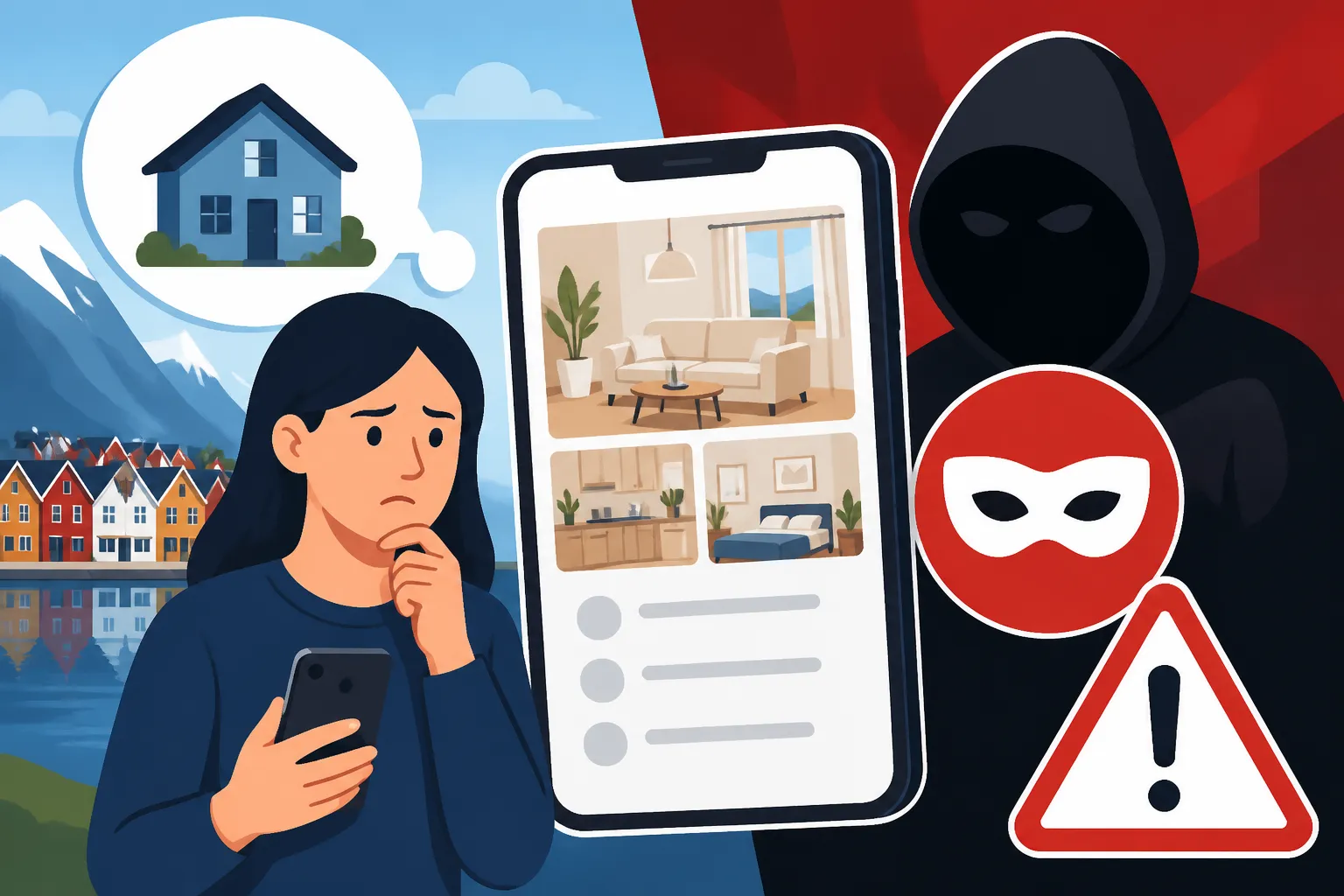
Finding a place to live in Norway's competitive rental market is often the most stressful part of an expat’s journey, and scammers know exactly how to exploit that desperation. This guide exposes the sophisticated tactics used on platforms like Hybel.no to help you identify fraudulent listings before you lose thousands of kroner in a fake deposit.
Common Red Flags in Norwegian Rental Listings
When you are scrolling through listings on Hybel.no or looking into Understanding Hybel, Leilighet, and Kollektiv: Apartment Types Explained, it is easy to let your guard down when a beautiful apartment pops up at a suspiciously low price. The most common red flag is a listing that offers a prime location—think Aker Brygge in Oslo or Bryggen in Bergen—for a price that is significantly below the market average. Scammers often use stolen photos from high-end real estate brochures or Airbnb listings to lure in international students and workers who are not yet familiar with the local price points. If you see a three-bedroom apartment in central Oslo for 10,000 NOK, your alarm bells should be ringing immediately.
Another massive red flag is the "foreign landlord" narrative. You might receive an email or message stating that the owner is currently working abroad, perhaps as a doctor, a pilot, or for a charitable organization, and therefore cannot show you the apartment in person. They will often claim they have a "trusted agent" or use a fake version of a well-known site to handle the keys. This is a classic setup designed to move the conversation away from the secure environment of the rental platform. In a country as digitalized as Norway, almost everyone has a way to arrange a physical or at least a live video viewing through a local friend or representative.
Lastly, pay close attention to the language used in the listing and subsequent communications. While many Norwegians speak perfect English, scam listings are often generated using translation software or are copy-pasted from international sites. If the tone feels overly formal, uses "landlord" jargon that doesn't fit the Norwegian context, or insists on urgency, take a step back. They want to rush you into making a decision before you have time to check the facts. Using a reliable service like Spotahome can circumvent these issues entirely by providing pre-vetted listings where the property has been physically verified by a professional.
The Psychological Tactics of Rental Scammers
Scammers are masters of creating a "fear of missing out." They know that the vacancy rate in cities like Trondheim or Stavanger is incredibly low, especially in August. They will tell you that ten other people are ready to pay the deposit right now, but because they "liked your profile," they are giving you the first chance. This pressure is intended to make you bypass standard safety checks. Many expats fall for this because they are tired of living in expensive hotels and just want a place to call home. Don’t let the artificial ticking clock force you into a bad financial move.
Another tactic involves the request for personal documentation early in the process. A scammer might ask for a copy of your passport or your employment contract before you have even seen the property. While legitimate landlords do need to vet tenants, they usually do this after a viewing or during the formal application process on a secure portal. Giving away your sensitive data too early can lead to identity theft. If you are just arriving and need to stay connected while navigating these high-pressure conversations, having a reliable data connection through Airalo can ensure you can research the landlord's name or the property address on the go without relying on insecure public Wi-Fi.
Furthermore, scammers often try to build a false sense of rapport. They might share "personal" stories about their family or their time living in Norway to make you feel like you are dealing with a kind, elderly couple. This emotional manipulation is a smokescreen. In Norway, business is usually conducted quite transactionally and efficiently. If someone is getting too personal too fast while simultaneously asking for money, they are likely trying to lower your defenses. Remember that Renting in Norway: Apartments, Contracts, and Tenant Rights are strictly regulated, and a professional landlord will always stick to the legal framework rather than relying on "trust" or "friendship" to bypass rules.
Financial Red Flags and the Deposit Trap
The single biggest indicator of a scam is the request for a deposit to be paid via an unconventional method. If a landlord asks you to send money via Western Union, MoneyGram, or even a direct transfer to a personal bank account before a contract is signed and a proper depositumskonto is established, walk away. In the Norwegian system, the law is very specific: a security deposit must be placed in a dedicated escrow account. For more details on this, you should read about Security Deposits (Depositumskonto): How to Protect Your Money in Norway to understand why you should never hand over cash or use a personal transfer.
Scammers will often send you a "contract" that looks official, complete with a forged Norwegian logo or stamp. They might even provide a "copy" of their ID to prove they are real. However, these documents are easily faked. They might ask for "the first month's rent and a deposit" to be paid immediately to "reserve" the apartment. In a legitimate transaction, you would first sign a contract, often using BankID, and then the landlord would initiate the creation of a deposit account at their bank in your name. If you haven't yet mastered the digital signature system, check out BankID Explained: Norway's Digital Identity System and Expat Challenges to see how the process should actually look.
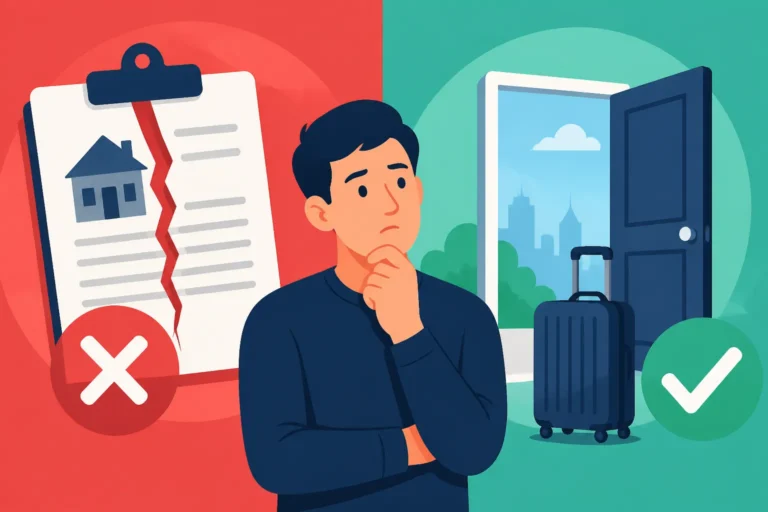
Below is a comparison of what a legitimate rental process looks like versus a typical scam scenario in Norway:
| Feature | Legitimate Norwegian Rental | Common Rental Scam |
|---|---|---|
| Viewing | Physical or live video viewing is standard. | Landlord is "abroad" and cannot show the unit. |
| Deposit | Paid into a specific Depositumskonto in the tenant's name. | Asked to pay via Western Union, Bitcoin, or personal account. |
| Contract | Usually signed via BankID or a formal written document. | Emailed PDF with generic terms and high pressure. |
| Identity | Landlord is verifiable via the National Registry or property records. | Uses a common name and refuses to provide a Norwegian phone number. |
| Verification | Platform profiles are often BankID verified. | Profiles are new, unverified, or use stock photos. |
If you are feeling overwhelmed by the risks of the private market, using a platform like Spotahome offers a much-needed safety net. They hold your payment until 24 hours after you move in, ensuring that the property actually exists and matches the description before the landlord gets a single krone. This is a game-changer for expats moving from abroad who cannot attend viewings in person.
Practical Steps to Verify a Listing Yourself
Before you commit to any listing on Hybel.no, you must do your own detective work. Start by reverse-image searching the photos. If the same "Oslo studio" appears in an ad for an apartment in Berlin or London, you have found a scam. You should also use Google Maps Street View to verify that the building actually exists and matches the exterior shots provided in the ad. Sometimes scammers will list an address that is actually a school, a commercial building, or a vacant lot. Staying connected with a local eSIM from Airalo allows you to do this research even while you are out walking between potential viewings.
Next, verify the ownership of the property. In Norway, property ownership records are public. You can use services like Seeiendom or Kartverket to see who actually owns the apartment. If the person claiming to be the landlord doesn't match the name on the title deed, ask them why. They might be a sub-letter, but you must then ask for proof of the original landlord’s permission to sub-let. If you find yourself in a situation where you need to move quickly, it might be safer to look at Moving In: Standard Unfurnished Rentals vs Fully Furnished Options from established rental companies rather than taking a risk on a suspicious private individual.
Finally, always trust your gut. If something feels too easy or if the landlord is being unusually pushy about the money, it is better to lose a "great deal" than to lose 30,000 NOK. The Cost of Living in Norway 2026: Budgeting for Singles and Families is high enough without adding the cost of a scam to your expenses. If you are already in the country, try to join local expat groups on social media and ask if anyone recognizes the listing or the landlord. The expat community in Norway is very active and often shares warnings about known scammers. Using a verified service like Spotahome can also save you the headache of this manual verification process, as they handle the vetting for you.
Summary Checklist for Safe Renting
- Never pay any money before seeing the apartment in person or via a live, interactive video call.
- Always insist on a formal deposit account (Depositumskonto) where the bank fees are paid by the landlord.
- Verify the landlord's identity and property ownership through official Norwegian channels.
- Be wary of any landlord who claims to be out of the country and cannot meet.
- Use BankID whenever possible to sign contracts and verify profiles on Hybel.no.
- Keep your data secure and avoid conducting financial business on public Wi-Fi by using an Airalo eSIM.
- Consider using a "security-first" platform like Spotahome if you are booking from abroad to ensure your funds are protected.
- Check Finn.no Masterclass: How to Navigate Norway’s Biggest Housing Site for comparison, as many legitimate landlords list on both platforms.
- Understand your rights by reading up on Tenant Protections: Notice Periods and Eviction Rules in Norway.
- If you're new and don't have a Norwegian bank account yet, read Banking in Norway: How to Open an Account as a Foreigner to understand why setting up a deposit account might be delayed.
Disclaimer
This guide is for informational purposes only and does not constitute legal advice. While we strive to keep information up to date, rental scams evolve constantly. Always consult with a legal professional or the Norwegian Tenants' Association (Leieboerforeningen) if you suspect you are being scammed or need help with a rental dispute.