Why Was My Credit Card Application Denied Even With a High Salary?
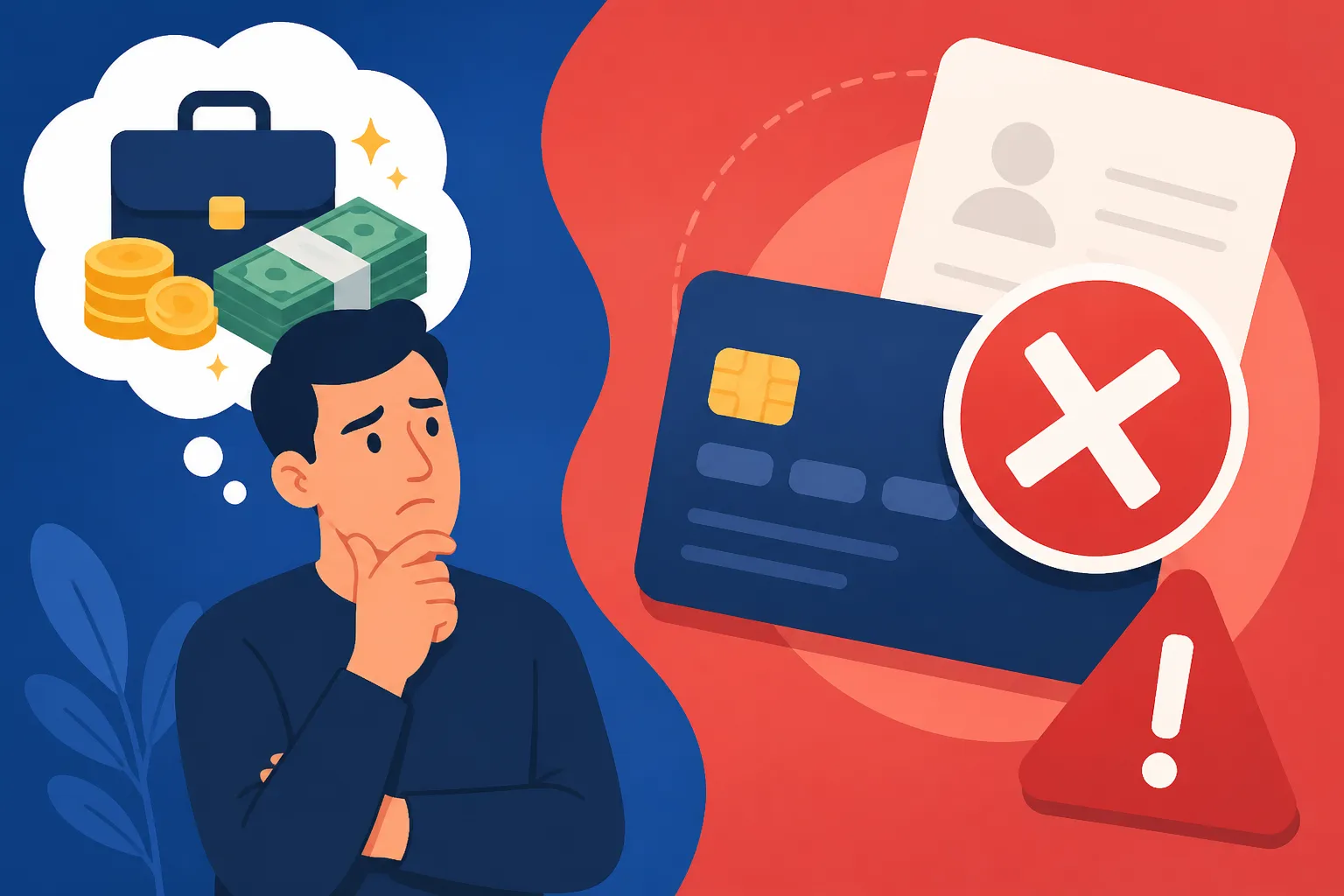
Moving to Norway, landing a fantastic job with a great salary, and then hitting a brick wall when trying to get a simple credit card can feel incredibly frustrating, almost insulting. You've proven your financial stability, yet the banks look at you like you've just arrived from a remote island. This guide will walk you through the peculiar realities of Norway's credit system for newcomers, explain why your high salary might not be enough, and offer actionable steps to finally get that plastic in your wallet.
The Norwegian Credit Paradox: Why Your Salary Isn't Enough
You've moved to Norway, secured a well-paying job, perhaps in Oslo or Bergen's booming tech scene, and naturally, you expect access to financial products like a credit card. After all, your income easily covers the suggested limits. Yet, application after application comes back with a polite "no." This isn't a reflection of your financial worth or personal solvency; it's a deep-seated quirk of the Norwegian financial system, heavily skewed towards local credit history and conservative lending.
The Elephant in the Room: Lack of Norwegian Credit History
One of the biggest hurdles you face is simply not having a financial footprint in Norway. Unlike countries where your past international credit score might translate or be considered, Norwegian banks operate almost entirely within their own ecosystem. They have no way to verify your payment habits, debt history, or financial discipline from your home country. You are, in essence, a blank slate.
Imagine you're trying to rent an apartment. Even with glowing references from abroad, the landlord here often wants a local guarantor or proof of a deposit account established with a Norwegian bank. It's the same principle for credit. They want to see a history of you reliably paying Norwegian bills, managing a Norwegian bank account, and ideally, having some form of local debt (like a small loan or even a mobile phone contract) that you've diligently paid off. Without this, your high salary is just a number on a payslip, not a proven track record within their system. This is a common frustration, especially when first trying to navigate Banking in Norway: How to Open an Account as a Foreigner.
The D-Number vs. Fødselsnummer Divide
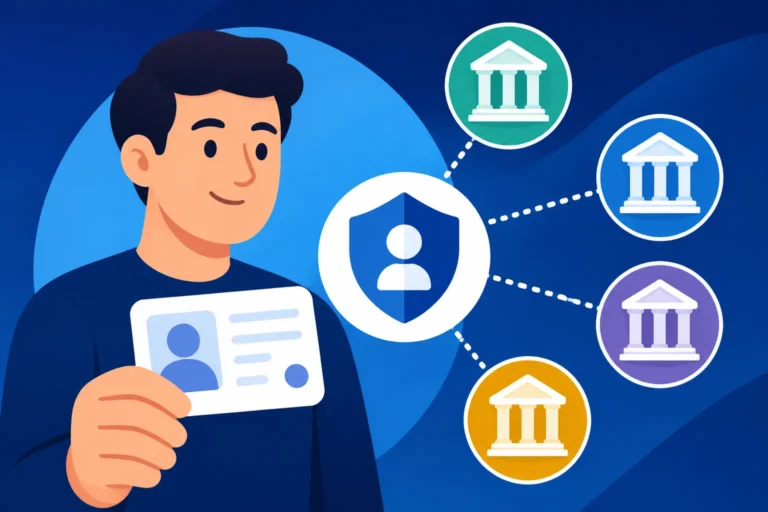
Another significant factor is your identification number. Many new expats initially arrive with a D-number, a temporary identification number. While it allows you to open a basic bank account and pay taxes, it often acts as a red flag for more advanced financial products like credit cards or mortgages. Banks generally prefer customers with a fødselsnummer, the 11-digit national identity number that signifies a more permanent tie to Norway and easier access to various public registries.
The fødselsnummer is intrinsically linked to Helsenorge and other official systems, allowing banks to more easily verify your identity and, crucially, pull your credit information from sources like Experian or Bisnode. Without a fødselsnummer, the background checks are more complex, riskier, and often lead to an automatic denial. This distinction is crucial to understand, as outlined in D-Number vs Fødselsnummer: How It Affects Your Banking Options. Banks are simply more comfortable offering credit when they have the full suite of identity and credit check tools at their disposal, which often requires a fødselsnummer.
Norway's Strict Lending Regulations (Boliglånsforskriften)
Norway's financial regulations are famously strict, particularly when it comes to lending. While often discussed in the context of mortgages (the "Boliglånsforskriften" or mortgage lending regulation), the underlying principles permeate all forms of credit. The authorities, primarily the Financial Supervisory Authority of Norway (Finanstilsynet), impose tight restrictions to prevent over-indebtedness and ensure financial stability.
Banks are required to stress-test borrowers, assuming interest rates will rise significantly. They must also consider a borrower's total debt burden, not just their income. This means that even if you have a high income, if the bank perceives any uncertainty in your financial future (due to being new to the country, for instance), or if they suspect you might have undisclosed foreign debt, they will err on the side of caution. It's a prudent approach from their perspective, aiming to protect both the bank and the individual from financial distress, but it certainly makes life harder for new arrivals. More insights into this regulatory environment can be found in Understanding "Boliglånsforskriften": Strict Lending Regulations in Norway.
Common Reasons for Credit Card Denial
Beyond the overarching systemic issues, several specific factors often contribute to an expat's credit card application being rejected.
Short Residence Period in Norway
Even if you have a fødselsnummer, if you've only been registered in Norway for a short period – say, less than 6-12 months – banks will be hesitant. They want to see a sustained period of residence and, by extension, a sustained period of income and bill payments within Norway. A two-month track record, no matter how clean, simply isn't enough to establish the trust they require. This waiting game can feel tedious, especially when you're used to instant financial access.
No Established Banking Relationship
Are you trying to apply for a credit card with a bank where you don't even have your main checking account? That's a common mistake. Norwegian banks highly value existing customer relationships. If your salary comes into one bank, and you're applying for a credit card at another, the new bank has less visibility into your actual financial activity and stability.
Your best bet is often to apply for a credit card with the same bank where your salary is deposited, where your bills are paid, and where you might have savings. They have direct access to your transaction history and can assess your financial behavior more thoroughly. It's about demonstrating loyalty and transparency, which helps them mitigate their perceived risk.
Lack of Local Assets or Collateral
While a credit card isn't a secured loan in the traditional sense, having assets registered in Norway can indirectly improve your standing. If you own property, even a small cabin, or have significant savings accounts within the Norwegian banking system, it signals a deeper financial commitment to the country and provides a measure of perceived stability.
For new expats, who often rent and are just starting to build their savings in Norway, this lack of local financial "anchors" can count against them. Even if you have substantial assets abroad, they typically won't be considered by a Norwegian bank without a complex and costly international verification process, which most banks aren't willing to undertake for a standard credit card application.
Type of Employment Contract
While your salary might be high, the type of employment contract can also influence a bank's decision. Permanent, full-time contracts are generally viewed more favorably than temporary, project-based, or consultancy agreements, even if the latter comes with a higher hourly rate. Banks prioritize predictable and stable income streams, as these reduce their risk of you defaulting on payments.
If you're self-employed or a freelancer, getting a credit card can be even harder. Banks typically require several years of audited financial statements in Norway to assess your business's stability and your personal income consistency. This is a common challenge for those navigating self-employment, even when they're conscientious about The Complete Guide to Norwegian Taxes for Expats (Skatteetaten) for their income.
High Existing Debt (Even if Foreign)
Norwegian banks are mandated to consider your total debt burden. While it's challenging for them to verify foreign debt, if you disclose significant outstanding loans (student loans, car loans, mortgages in your home country) during the application process, it will be factored in. Even if your salary is high, a substantial debt-to-income ratio, regardless of where the debt originated, can lead to a denial. Be honest on your applications; banks have ways to cross-reference some international data, and dishonesty can lead to more severe problems down the line.
Strategies to Improve Your Chances
It's not all doom and gloom! While getting a credit card as a new expat requires patience, there are definite steps you can take to build your financial credibility.
Build a Solid Local Credit History
This is paramount. Start by simply using your Norwegian debit card consistently. Pay all your bills on time, every time, using direct debits (AvtaleGiro or eFaktura) whenever possible. This builds a positive payment history within the Norwegian system. Consider getting a mobile phone contract in your name, as this can also contribute to your credit profile over time.
Even a small, low-risk loan, if you qualify for one and pay it off diligently, can help. The key is to demonstrate consistent, responsible financial behavior within Norway. Think of it as slowly filling in that blank slate the banks see.
Establish a Strong Relationship with One Bank
As mentioned earlier, stick with one primary bank for all your financial needs initially. Get your salary paid there, set up all your bill payments, and try to keep a healthy balance. After several months of this consistent activity, approach that same bank about a credit card. They already have your income data, your payment history, and a record of your financial stability.
Some banks, like DNB or Nordea, have specific services for expats and might be slightly more understanding, but even they adhere to the core principles of the Norwegian system. Be proactive; schedule an appointment with your bank advisor and explain your situation. Sometimes a personal conversation can clarify things that an online application cannot.
Secure Your Fødselsnummer (If You Haven't Already)
If you're planning to stay in Norway long-term, getting a fødselsnummer should be a priority. It's the gateway to so many aspects of Norwegian life, including full financial integration. Once you have it, ensure your bank account and all official registrations are updated with this number. This simplifies credit checks for banks immensely and makes you appear as a more permanent and verifiable resident. It also helps with fully utilizing services like Helsenorge and applying for your BankID Explained: Norway's Digital Identity System and Expat Challenges.
Start Small: Secured Credit Cards or Limited Credit
Some banks might offer what's called a "secured credit card" where you deposit a certain amount of money as collateral, and that becomes your credit limit. While not widely advertised in Norway, it's worth asking if your bank offers such a product or a similar low-limit credit card specifically for new customers. The point isn't the credit limit itself, but the opportunity to build a positive payment history.
Alternatively, some Norwegian telecom companies (like Telenor) or electricity providers might offer payment plans for devices or services, which can also contribute to building a credit score. These are usually smaller credit lines that are easier to obtain than a full-fledged credit card.
Understand Your Credit Score and How It's Assessed
In Norway, companies like Bisnode and Experian are the primary credit reporting agencies. They compile data on your payment history, declared income, and any registered debts. When a bank assesses your credit card application, they pull a "kredittsjekk" (credit check) from one of these agencies. You generally have the right to request a copy of your own credit report to see what information is held about you. This can be insightful, especially to ensure there are no errors.
Understanding your credit score and the factors that influence it in Norway can give you a better idea of where you stand. For more details on this, check out Credit Checks (Kredittsjekk) in Norway: How Bisnode Rates You.
Alternatives While You Build Your Credit
While you're working on establishing your Norwegian credit footprint, you still need to manage your finances. Thankfully, Norway is a highly digital and cashless society, offering several viable alternatives.
Rely on Debit Cards and Vipps
Your Norwegian debit card will be your primary financial tool. It's accepted everywhere, from the smallest kiosks to online stores. Combine this with Vipps, Norway's ubiquitous mobile payment app, and you'll find you rarely need cash or even a physical credit card. Vipps allows you to send money instantly to friends, pay bills, and make purchases both online and in many physical stores. Setting Up Vipps: The Requirements for Norway’s Leading Mobile Payment is a crucial step for almost all expats. Just remember that Vipps itself isn't a credit facility; it links directly to your bank account.
Prepaid Cards
For international online purchases or travel, a prepaid card can be a good stopgap. You load money onto it, so there's no credit risk involved for the issuer. While not widely used for day-to-day transactions within Norway, they offer a way to manage spending and conduct transactions that might typically require a credit card without needing a local credit history.
Employer-Issued Credit Cards
If your job requires significant travel or expenses, your employer might provide you with a company credit card. This is an excellent solution as the liability rests with the company, bypassing your personal credit history entirely. It's not for personal use, of course, but it solves the problem of business-related expenses.
Leveraging Foreign Credit Cards (With Caution)
You might still have a credit card from your home country. While convenient, be mindful of transaction fees for foreign currency, exchange rates, and the potential for interest rate changes or annual fees. While using a foreign credit card can bridge the gap, it doesn't contribute to building your Norwegian credit history.
For transferring money between accounts or sending money home, services like Wise (formerly TransferWise) offer excellent exchange rates and low fees, making them a much better option than traditional bank transfers for international transactions. This can help you manage your finances across borders without incurring hefty bank charges, especially useful when handling Remittances: Cheapest Ways to Transfer NOK to International Accounts. Using a service like Wise for these needs can help keep your foreign card use minimal for daily expenses, reducing exposure to fluctuating exchange rates and foreign transaction fees.
Table: Payment Options for Expats in Norway
Here's a quick comparison of various payment methods and their accessibility for new expats:
| Payment Method | Ease of Access for New Expats (D-number/New Fødselsnummer) | Impact on Norwegian Credit History | Key Considerations |
|---|---|---|---|
| Norwegian Debit Card | Very Easy (with Norwegian bank account) | Direct (shows transaction history) | Essential for daily life, accepted everywhere. |
| Vipps | Easy (requires Norwegian bank account & BankID/MinID) | Indirect (links to bank activity) | Ubiquitous for peer-to-peer and merchant payments. |
| Foreign Credit Card | Easy (if you have one from home) | None | Watch out for foreign transaction fees and exchange rates. |
| Prepaid Card | Easy (purchase/load online) | None | Good for online international purchases, budget control. |
| Norwegian Credit Card | Difficult (requires local credit history & Fødselsnummer) | Direct (builds positive history) | The goal, but takes time and patience to acquire. |
| Employer Credit Card | Varies (employer decision) | None (company liability) | Excellent for business expenses if your job provides one. |
In conclusion, getting a credit card in Norway as a high-earning expat is less about your current income and more about your established presence and history within the Norwegian financial system. Be patient, be strategic, and focus on building that local financial footprint. You'll get there. For more details on this topic, I recommend reading Getting a Credit Card in Norway: Why the First Year is Difficult.
Disclaimer
The information provided in this guide is for general informational purposes only and does not constitute financial, legal, or professional advice. While we strive to keep the information up-to-date and accurate, regulations and banking practices in Norway can change. It is always recommended to consult with a qualified financial advisor or directly with your chosen bank for advice tailored to your specific situation.