Transferring a Valid Residence Permit to a New Passport
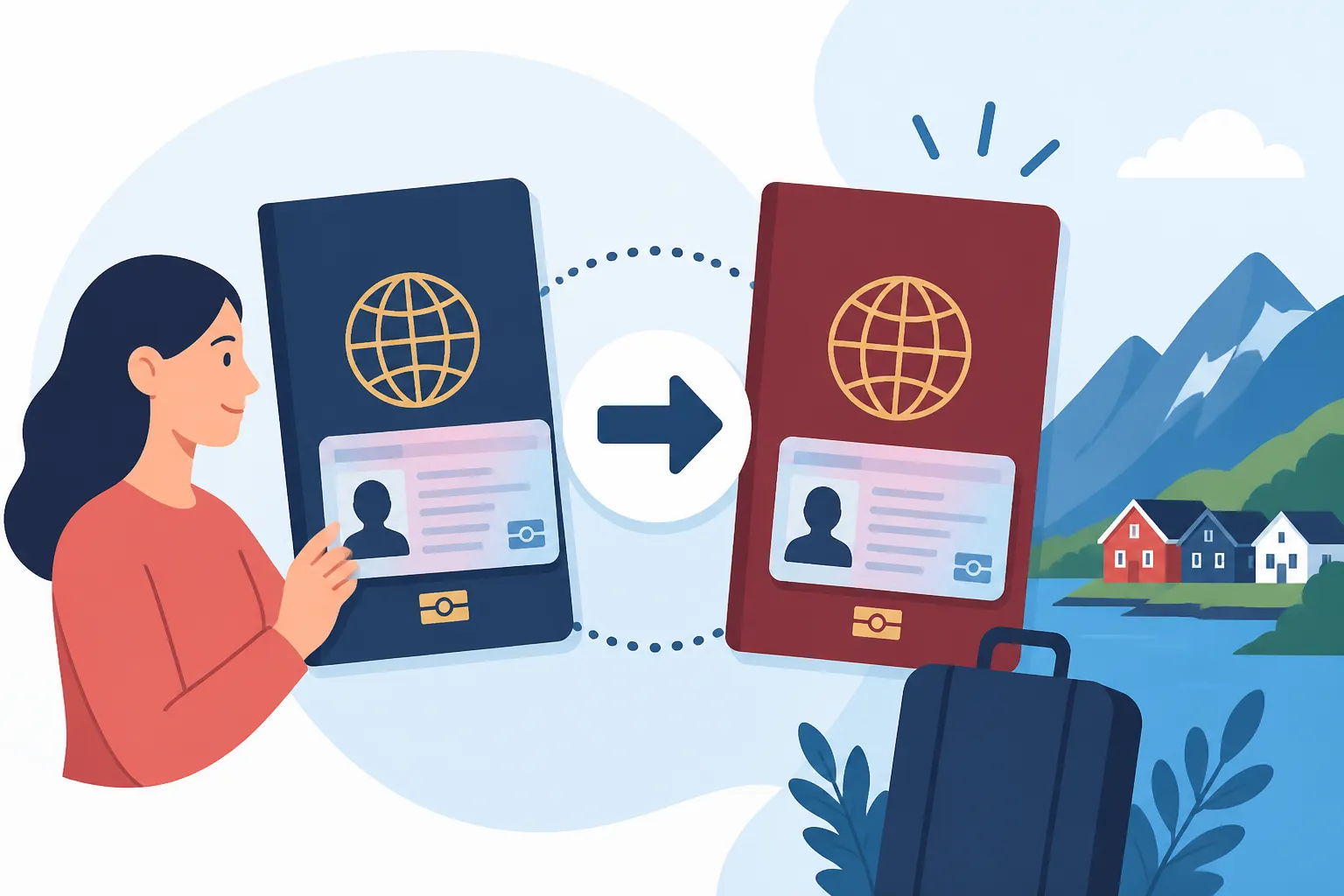
So, you've successfully navigated the intricate maze of Norwegian immigration, secured your residence permit, and settled into life here. But then it happens: your passport expires, or you're issued a shiny new one, leaving you to wonder what on earth this means for your hard-won residence permit. It’s a common expat dilemma, often shrouded in confusion. This comprehensive guide will meticulously walk you through the process of transferring your valid Norwegian residence permit to your new passport, ensuring a smooth transition and helping you avoid unnecessary stress or travel snags.
The Confusing Reality of Residence Permits and New Passports
One of the first frustrations many expats face when their passport is replaced is the assumption that their residence permit, which is often a separate card, automatically updates or remains valid without any action. Unfortunately, the Norwegian system, like many others, doesn't quite work that way. Your residence permit, while a standalone card, is fundamentally linked to the passport you held at the time of its issuance.
Why Your Permit Isn't Automatically Transferred
When you initially applied for your residence permit, a crucial part of that application was your passport information – your passport number, issue date, and expiry date. This information is meticulously registered with the Norwegian Directorate of Immigration (UDI) and the police. Think of your residence card not just as proof of your right to reside, but as an official document that refers to a specific travel document (your passport). If your passport changes, the reference points for your residence permit are no longer valid, creating a discrepancy in the system.
This isn't about distrust; it's about the integrity of identity verification and border control. Imagine trying to cross a border with a residence card listing an old passport number and a brand-new passport. Border officials, quite rightly, would be confused and might question your identity. The system needs to ensure that the person holding the residence card is indeed the person whose details match the new passport. It’s a bureaucratic necessity, yes, but also a vital security measure to prevent identity fraud or illicit travel. This is why understanding the process for transferring a valid residence permit to a new passport is so important.
The Travel Dilemma: Old vs. New Passports
A common question that pops up is whether you can travel internationally if you have a new passport but your residence card still references your old, invalid one. The short answer is: don't do it. While your residence permit itself might still be technically valid in terms of your right to reside in Norway, its physical manifestation (the card) is tied to a document that no longer exists or is invalid. Many airlines might refuse to board you, or you could face significant delays and questioning at immigration checkpoints both when leaving Norway and when attempting to re-enter.
I've heard countless stories from fellow expats who thought they could manage with both the old, cancelled passport (with the permit information) and the new one. While some lucky few might slip through, it's a huge risk. The safest approach, always, is to have a residence card that clearly and unambiguously matches your current, valid passport. If you find yourself in a bind with an expired permit and an urgent need to travel, remember there's an option for applying for a D-Visa to Return, but it's far better to prevent this situation by updating your documents proactively.
Step-by-Step: Getting Your New Residence Card Issued
The process of updating your residence permit to reflect your new passport involves a few key steps, primarily dealing with the UDI and the local police. It's not as complex as applying for a new permit from scratch, but it does require attention to detail and patience.
Booking Your Police Appointment
Your first port of call will be the UDI website. Even though you’re dealing with an existing permit, the UDI portal is where you initiate the process and book an appointment with the police. You’ll typically look for an option related to "delivering documents" or "obtaining a new residence card."
Navigating the UDI and Police Portal: Booking Appointments and Tracking can be tricky. You’ll need to log in, often using your BankID. If you’re one of the many expats who face challenges getting BankID with a D-number, this can be an initial hurdle. The system can be slow, appointment slots can be scarce, especially in larger cities like Oslo, and the available categories might not seem perfectly tailored to your exact situation. Don't be discouraged; choose the option that most closely matches renewing your residence card or updating information. Be persistent, check back frequently for new slots, and if you’re in an area with multiple police districts, explore options like Police Appointments in Oslo vs Drammen: Where is it Faster? to see if a nearby district has better availability. Once you secure an appointment, print out the confirmation – you’ll need it.
What Happens at the Police Station
When you attend your appointment, you're not just showing up; you're confirming your identity and providing the necessary updated information. This is where you hand over your new passport and old residence card (if you still have it). The police officer will verify your identity against your new passport, take new fingerprints if required (this usually happens if your old ones are too old or the system requires a refresh), and take a new photo.
It’s a relatively quick process compared to the initial permit application. The officer will then process your request for a new residence card. They won't issue the card on the spot. Instead, it will be produced centrally and mailed to your registered address in Norway, usually within a few weeks. Make sure your address is current with the National Registry (Folkeregisteret) to avoid delivery issues.
The Waiting Game for Your New Card
Once your appointment is done, it's a waiting game. The production and delivery of the new card can take anywhere from two to four weeks, sometimes longer during peak periods. During this time, you will not have your physical residence card. The police might provide you with a temporary confirmation paper, but this is usually not sufficient for international travel.
Plan any international travel carefully around this period. If you have an urgent trip, discuss this with the police officer during your appointment. They might be able to offer specific advice or accelerate the process in truly exceptional circumstances, but this is rare. The best practice is to complete this process well in advance of any planned trips.
Essential Documents and What to Expect at the Police Station
Gathering the correct documents is crucial for a smooth appointment. Showing up unprepared can lead to wasted time and needing to reschedule, which is a frustration none of us need.
Required Documents Checklist
Here's a breakdown of what you'll typically need to bring:
- Your new, valid passport: This is the most important document. Ensure it's signed and in good condition.
- Your old residence card (if you still have it): Even if expired, it helps to show the continuity of your permit.
- Your old passport (if you still have it): This is useful, especially if your old residence card had a sticker or stamp in it, or if it helps link your previous permit to your new one.
- The appointment confirmation letter from UDI: Proof of your scheduled visit.
- Proof of your continued right to residence: While you're not applying for a new permit, the police need to verify that your underlying reason for residence is still valid. This usually means a recent employment contract, proof of study, or marriage certificate for family reunification. Sometimes, they might not ask for these if your permit is clearly still valid and hasn't been challenged, but it's always better to be over-prepared.
- Marriage certificate or name change documentation (if applicable): If your new passport reflects a change in name (e.g., due to marriage), you'll absolutely need official documentation of this. These documents might need to be translated into Norwegian or English by certified translators. Services like RushTranslate or Translayte can assist with official, recognized translations if your home country documents are not in English or a Scandinavian language.
Here's a quick reference table for your convenience:
| Document Type | Description | Notes |
|---|---|---|
| New Passport | Your current, valid travel document. | Must be signed and in good condition. |
| Old Residence Card | The physical card with your permit details. | Bring it even if expired or associated with your old passport. |
| Old Passport | The passport that was linked to your previous residence permit. | Useful for historical record, especially if it contained a visa sticker. |
| Appointment Letter | Confirmation of your scheduled appointment from the UDI portal. | Essential for entry and processing. |
| Proof of Residence | Latest employment contract, university admission letter, or family reunification documents. | Confirms your continued eligibility for the permit type. |
| Name Change Docs | Official marriage certificate, divorce decree, or legal name change document (if your name differs in the new passport). | May require certified translation into English or Norwegian. Consider RushTranslate for this. |
The Importance of Validating Your Underlying Permit
While this process is about transferring a permit, not re-applying, the police do have the right to check if your underlying basis for the permit is still valid. For example, if you have a skilled worker visa, they might glance at your employment contract to ensure you're still working. If you're on a family immigration visa, they might briefly verify your marital status. This is less about scrutinizing your life and more about ensuring bureaucratic continuity.
This brief check rarely causes issues unless there's a significant, undeclared change in your circumstances that could impact your residence status. For most expats, it's a formality. However, it highlights the importance of keeping your documentation up-to-date and ensuring you still meet the general requirements for your permit type. If you have questions about your specific permit, you might want to review the Visas and Residence Permits in Norway: The Complete UDI Guide (2027) for a refresher.
Avoiding Travel Nightmares and Common Pitfalls
Experiencing issues at the border due to mismatched documents is a truly disheartening experience. Prevention is always better than cure.
Proactive Planning is Your Best Friend
Don't wait until your passport is just days from expiring to start this process. Norwegian bureaucracy, while efficient, is rarely swift. Begin the process of applying for your new passport from your home country's embassy or consulate in Norway, or directly with your home country authorities, well in advance. Once you have your new passport, immediately book your UDI/police appointment.
Think of this as essential expat maintenance, much like understanding your Healthcare Budgeting: The Frikort Exemption Card and User Fees or knowing How to Register for a Fastlege (GP) on Helsenorge. These are critical administrative tasks that, if neglected, can lead to significant headaches down the line.
What if Your Name Changed in Your New Passport?
This is a scenario that adds a layer of complexity. If your new passport has a different name than your old one (e.g., after marriage or a legal name change), you must bring official documentation proving this change. This could be a marriage certificate, a court order for a name change, or similar legal documents.
These documents might need to be officially translated. Norway has strict requirements for official translations, often requiring them to be done by a state-authorized translator or verified by specific authorities. If your documents are not in English or a Scandinavian language, you'll need to secure a certified translation. Companies like RushTranslate or Translayte can facilitate this by connecting you with certified translators who meet Norwegian standards, preventing potential rejection of your documents at the police station. It's also wise to check with UDI's website about Document Translation for UDI: Do I Need an Apostille Stamp? to ensure all your documents meet the correct legalisation requirements.
Traveling While Waiting for Your New Card
As mentioned, traveling internationally while your new card is being produced is highly discouraged. Your old card is tied to an invalid passport, and you won't have a new card yet. If you absolutely must travel, inquire at your police appointment if they can provide a temporary travel document or a stamped letter confirming your residence status and the fact that a new card is being processed. Even with such a letter, border guards outside Norway may not recognize it.
For travel within the Schengen area, the risks might be slightly lower, but still present. Outside Schengen, it's almost a guarantee of trouble. My advice? Postpone non-essential travel until you have your shiny new residence card in hand, matching your new passport. Your future self will thank you for avoiding that stress!
What to Do if Your Residence Permit is Expiring Soon
If you realize your passport is new but your residence permit is also nearing its expiry, you'll generally follow the process for Renewing Your Norwegian Residence Permit. In this case, you are applying for a new permit, not just transferring an old one. This means meeting all the requirements for your specific permit type again. However, if your residence permit is valid for a long time and only your passport has changed, the process described here is for you. Always double-check your residence permit's expiry date to differentiate between a simple transfer and a full renewal. If you're unsure of your overall Visa & Immigration status in Norway, consulting the UDI website or an immigration lawyer is always the safest bet.
Disclaimer
The information provided in this guide is intended for general informational purposes only and does not constitute legal advice. While we strive to keep the content accurate and up-to-date based on general knowledge and public information from Norwegian authorities like UDI and Politiet, immigration laws and procedures can change rapidly. Expats should always consult the official UDI website or seek professional legal advice for their specific situation regarding residence permits and travel documents in Norway.