Can I Bring My Parents to Live in Norway?
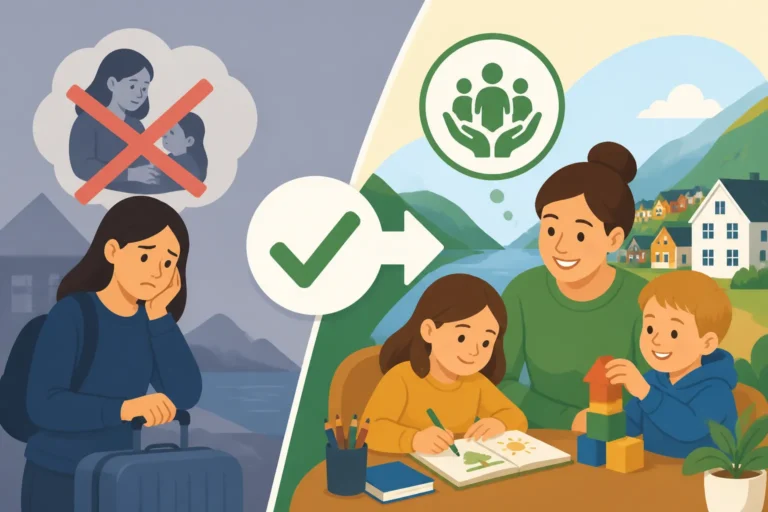
The longing to have your parents close by, especially when you've built a new life in Norway, is a deeply human desire. Many of us expats experience it, hoping for a straightforward path to reunite our families. Unfortunately, when it comes to bringing parents to live permanently in Norway, the reality is far more complex and often heartbreakingly restrictive than for spouses or children. This guide aims to clearly lay out the challenges and the extremely limited pathways available for parental immigration, as well as practical alternatives for maintaining close family ties.
The Harsh Reality of Parental Immigration to Norway
Let's not beat around the bush: Norway has some of the strictest immigration laws in Europe when it comes to bringing elderly parents to live here. The underlying principle guiding these decisions is a strong emphasis on self-sufficiency and preventing what the authorities perceive as a potential burden on the Norwegian welfare state. It’s a tough pill to swallow, especially when many other countries might have clearer family reunification channels for parents, but understanding this foundational policy helps manage expectations.
The Fundamental Principle: "Family Ties" vs. "Dependency"
When you apply for family reunification in Norway, the UDI (Norwegian Directorate of Immigration) primarily distinguishes between "core family" and other relatives. Core family typically includes spouses, cohabitants, and minor children. For these groups, the process, while still challenging, has established pathways and clearer requirements, often based on direct family ties and shared household history.
For parents, however, the criteria shift dramatically from just "family ties" to proving "dependency." This isn't about emotional connection; it's about a legally defined, profound physical or psychological need where the parent cannot care for themselves, and you are the only one who can realistically provide that care. Even if you love your parents dearly and want them near, UDI focuses on whether they are dependent on you in a way that necessitates their relocation to Norway. This is where many expat dreams hit a significant roadblock. The system assumes that parents are generally capable of living independently in their home country, or that other adult children there can provide care.
Why Elderly Parents Face Uphill Battles
The primary reason for the extreme difficulty lies in Norway's robust, yet expensive, public welfare system. The authorities are acutely aware of the potential costs associated with providing healthcare, social services, and potentially long-term care for elderly immigrants who have not contributed to the Norwegian social security system over a significant period. While this sounds cold, it's a practical consideration for a country that prides itself on universal healthcare and social safety nets.
This means that even if you, as the sponsor, are financially well-off, employed, and have a spacious home, it doesn't automatically qualify your parents for a residence permit. The UDI needs to see that their very survival or fundamental well-being is directly and solely dependent on your physical presence and care in Norway, and that no other solution, including care in their home country, is viable. This is a very high bar, and it is rarely met in practice. They will scrutinize if there are any other relatives in the home country who could potentially provide support, even distant ones.
Specific Requirements and Pathways (Spoiler: Extremely Limited)
Given the stringent policies, it's important to understand the specific, and often exceptional, conditions under which a parent might be granted a residence permit. These are not general pathways; they are very narrow exceptions to the rule.
"Exceptional Cases" and the Extreme Dependency Clause
The UDI's guidelines for parental reunification speak to "exceptional circumstances" or "special considerations" that must be present. This clause is not for general hardship, emotional support, or simply wanting your parents nearby. It is reserved for truly dire situations where the parent is in a state of "extreme dependency."
What constitutes extreme dependency? Imagine a scenario where a parent suffers from a severe, debilitating physical or mental illness that renders them completely unable to live independently. They might require constant, hands-on care for daily tasks like eating, bathing, and mobility. Crucially, you, the applicant in Norway, must be the only person able to provide this care. This means that if there are other adult children, even siblings or close relatives, in the parent's home country who could reasonably provide support, the application will almost certainly be denied. Furthermore, UDI will investigate whether adequate care facilities or services are available in the parent's home country, even if the quality might not be on par with Norwegian standards.
For instance, a parent who is generally healthy but lonely and misses their child would not qualify. A parent who needs help with groceries and occasional appointments might not qualify if home care services are available where they live. We're talking about situations where medical professionals would attest that the parent cannot survive without constant, direct care, and that care cannot be found or afforded in their home country. Often, these cases require extensive medical documentation, psychological evaluations, and detailed explanations of the parent's living situation. Any documents from your home country, especially medical reports, will need to be officially translated. Services like RushTranslate or Translayte are commonly used by expats for reliable translations of such critical papers for UDI. It's not enough to submit an informal translation; it must be certified.
Financial Requirements and Sponsorship
Even if you miraculously meet the extreme dependency criteria, the financial burden placed on you, the sponsor, is immense. You must demonstrate that you have sufficient income to support your parents without them becoming a burden on the Norwegian welfare system. This means proving a stable, high income that not only covers your own living expenses but also those of your parents, well above Norway's minimum wage. The exact figures are updated periodically by UDI, but historically they are substantial, often requiring an income significantly higher than that needed to sponsor a spouse or child. For comparison, you can read about the income levels required for other family members in Family Immigration to Norway: Visas for Spouses, Children, and Parents.
You'll need to provide extensive documentation of your income, employment contract, tax statements, and bank statements. This isn't a one-time check; you're committing to supporting them financially for as long as they live in Norway, which could be for many years. You will also need to ensure that they have private health insurance coverage until they potentially gain access to the Norwegian public healthcare system, which is a big "if." Understanding The Complete Guide to Norwegian Taxes for Expats (Skatteetaten) is crucial here, as your income and any deductions will directly impact your ability to meet these thresholds. This is a long-term commitment that has significant implications for your Cost of Living in Norway 2026: Budgeting for Singles and Families.
Health Insurance and Medical Care Considerations
One of the biggest unspoken hurdles, even if all other conditions are met, is healthcare. When parents first arrive in Norway on a residence permit, they generally do not immediately become members of the Norwegian National Insurance Scheme (Folketrygden) unless they meet specific criteria, which often includes having resided in Norway for a certain period and having contributed through work. This means they would likely need comprehensive private health insurance, which for elderly individuals can be incredibly expensive and may not cover pre-existing conditions. Understanding Folketrygden Basics: Who is Covered by the National Insurance Scheme gives context to how integral contributions are to the system.
If they eventually do become part of Folketrygden, they would then access Healthcare in Norway for Expats: How the System Works (2027), including visits to a Fastlege (GP) and specialists. However, this is a process that takes time, and the interim period, especially for parents with existing health issues, is a critical concern. Any application for parental reunification will scrutinize how their healthcare needs will be met without recourse to public funds, placing the full financial responsibility on the sponsor. If they need to see a doctor quickly upon arrival, they might have to rely on services typically used by tourists, detailed in Tourist Medical Care: What Happens if You Get Sick in Norway?, which can be very costly.
Alternatives to Permanent Relocation
While permanent relocation for parents is exceptionally difficult, it doesn't mean you can't have your family visit and spend extended periods with you in Norway. There are more viable options for temporary stays that many expats utilize to keep their families close.
Schengen Visitor Visas for Short Stays
The most common and realistic option for parents is to apply for a Schengen visitor visa. This allows them to visit you in Norway (and the entire Schengen area) for up to 90 days within any 180-day period. This is often the best pathway for regular, albeit temporary, visits.
To apply, your parents will typically need:
- A valid passport.
- Travel insurance covering the entire Schengen area.
- Proof of sufficient funds to cover their stay (or a guarantee form from you, the host).
- A letter of invitation from you, detailing the purpose of their visit, where they will stay, and your relationship.
- Flight and accommodation bookings (if not staying with you).
- Potentially, documentation proving their ties to their home country (e.g., property ownership, job, other family) to demonstrate intent to return.
The process for obtaining a Schengen visa for visitors is relatively straightforward compared to a residence permit. You can find more detailed guidance on How to Apply for a Schengen Visitor Visa for Visiting Family in Norway. While it requires careful planning for each visit, it allows for meaningful time together, several times a year if structured correctly.
Extended Tourist Stays and Visitor's Permits
Sometimes, the 90/180-day rule feels too restrictive. While Norway is part of the Schengen area, there might be very specific, limited scenarios where a longer visitor's permit (not a residence permit) could be considered, especially if the parents are from a non-visa-required country. However, these are rare and still subject to strict UDI assessment. These permits are temporary and do not lead to permanent residency or access to Norwegian social benefits. They essentially allow for an extended tourist stay, with all expenses, including health insurance, fully covered by the visitor or the host. Again, the UDI will scrutinize the intent to return to the home country after the extended visit.
It's critical to remember that overstaying a Schengen visa or misrepresenting the purpose of a visit can lead to serious consequences, including future entry bans into the entire Schengen area. Therefore, always adhere strictly to visa rules and durations. Any official documentation required for these applications, such as letters of support or financial statements from you, if not in English or Norwegian, would require certified translation. This is another situation where services like RushTranslate or Translayte can be invaluable, ensuring your documents are accepted by UDI without issues.
Exploring Other EU/EEA Countries with Looser Rules
It's a tough suggestion, but sometimes Norway's strict immigration policies mean you might need to consider alternatives for your entire family's long-term future. If having your parents live permanently nearby is a non-negotiable priority for you, it might be worth investigating if other EU/EEA countries have more lenient family reunification rules for parents. Some countries might have less stringent dependency clauses or more accessible financial sponsorship requirements, particularly within certain categories or bilateral agreements.
This isn't to say it will be easy anywhere, but immigration policies vary significantly across the European continent. It might mean that if your parents are unable to secure a residence permit in Norway, and you wish to live closer to them, you might need to explore moving to another country within the EU/EEA that offers more flexible options for extended family. This is a big decision, of course, but it’s a reality many expat families face when navigating the complexities of international family reunification.
Here's a quick overview of the main options:
| Feature | Schengen Visitor Visa (Short-Term) | Parental Residence Permit (Family Reunification) |
|---|---|---|
| Purpose | Tourism, visiting family, short stays | Permanent residency based on extreme dependency |
| Duration | Up to 90 days in any 180-day period | Typically 1 year initially, renewable, can lead to PR |
| Eligibility | Proof of funds, travel insurance, intent to return | Extreme dependency on sponsor, no other care possible |
| Sponsor Financial Req. | Proof of funds for visit / host guarantee | Very high, stable income to support parents indefinitely |
| Healthcare Access | Private travel insurance required | Private insurance first; potential Folketrygden after long wait/criteria |
| Leads to PR/Citizenship | No | Yes, after meeting permanent residency criteria and timeframes |
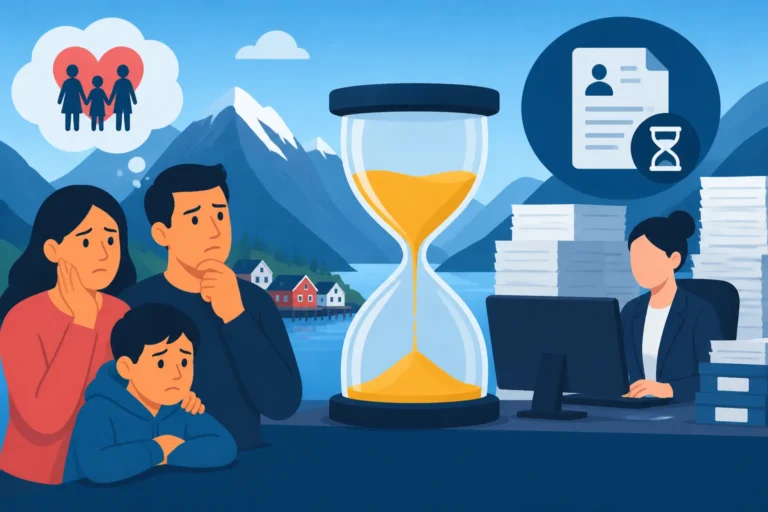
| Processing Time (UDI) | Generally quicker (weeks to months) | Very long (many months to over a year); often appealed |
| Chances of Approval | High if documents are in order and intent is clear | Extremely low, only for truly exceptional circumstances |
Navigating UDI's processes can be daunting, and UDI Processing Times in 2026: Why Are Family Visas So Slow? is a common frustration across all categories. Always make sure your documents are precisely as requested.
Disclaimer
The information provided in this guide is for general informational purposes only and does not constitute legal advice. Immigration laws and regulations in Norway are complex and subject to change. While efforts have been made to ensure accuracy, it is essential to consult with the official Norwegian Directorate of Immigration (UDI) directly or seek advice from a qualified immigration lawyer for personalized guidance regarding your specific situation.