Credit Cards and Loans: Building a Credit Score in Norway
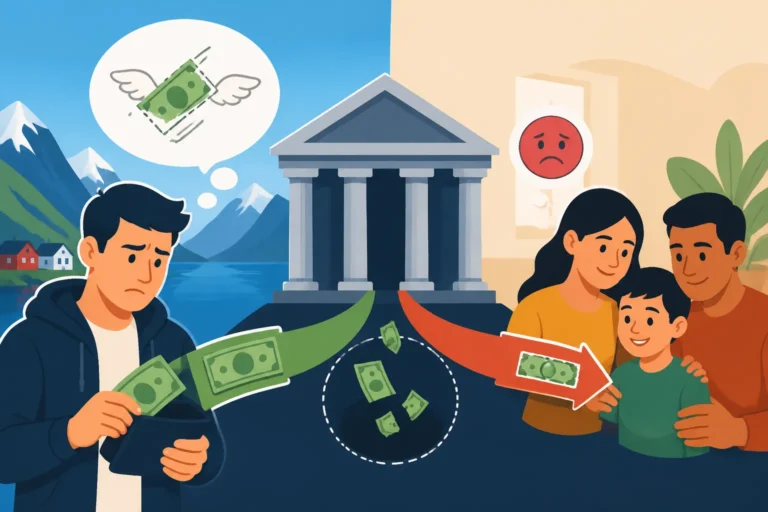
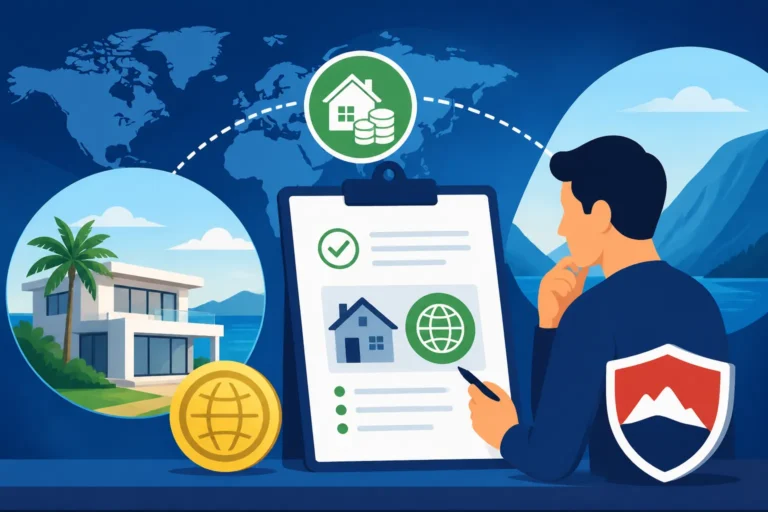
One of the most perplexing challenges for many expats arriving in Norway isn't just navigating the dark winters or the eye-watering prices, but rather the seemingly opaque world of Norwegian credit and borrowing. You might have a stellar credit history from your home country, years of responsible borrowing, and impeccable financial habits, only to find yourself starting completely from scratch here. This guide is here to unravel the mysteries of credit cards, personal loans, and how to genuinely build a financial reputation in Norway, ensuring you’re not caught off guard by the unique system.
Understanding the Norwegian Credit System as an Expat
When you first arrive in Norway, the financial landscape can feel like an entirely different planet, especially when it comes to borrowing money. You’re used to a system where your credit score is a big, bold number, easy to check, and generally understood. Here? Not so much.
The "Invisible" Credit Score
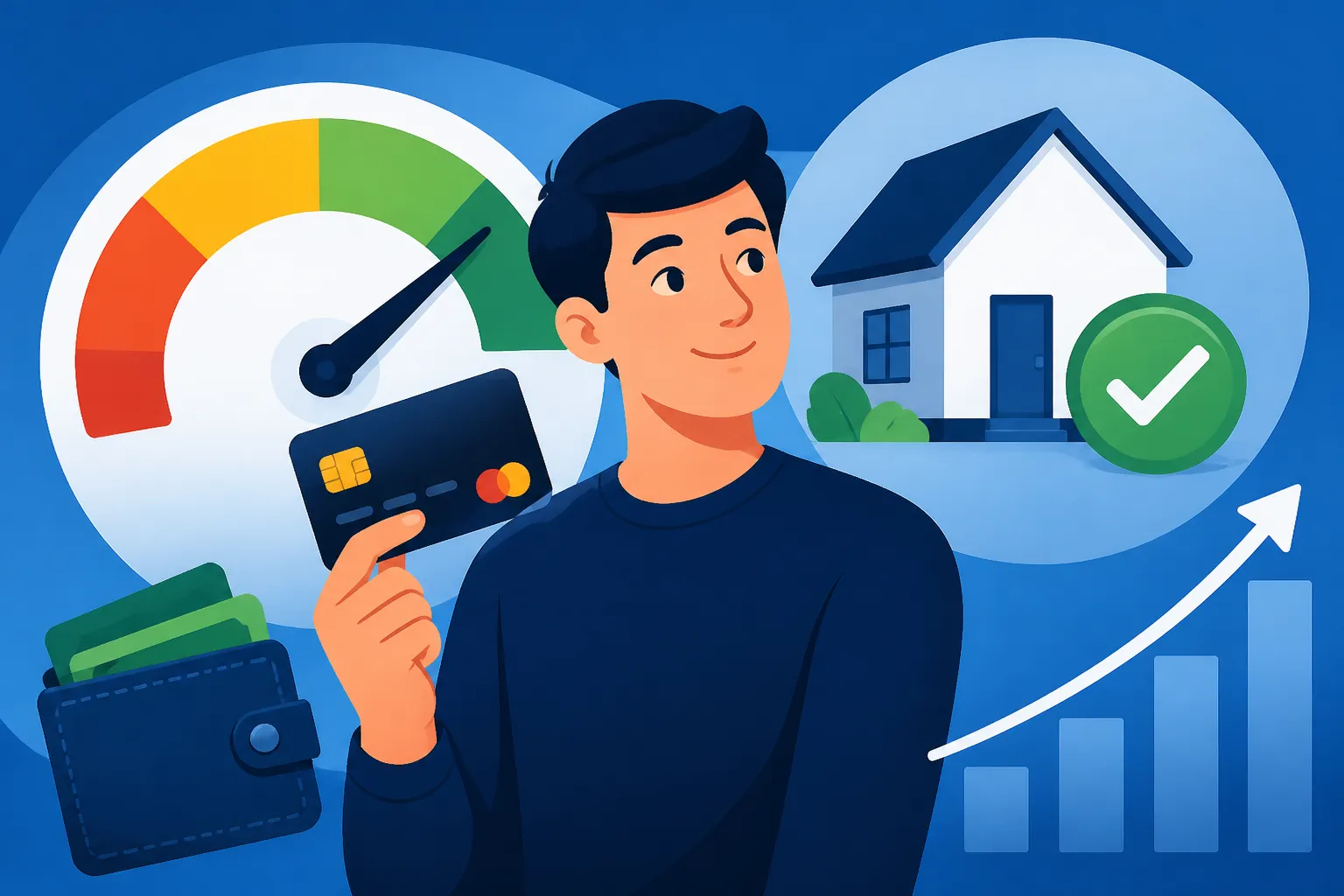
Forget everything you know about a FICO score or its equivalents. Norway doesn't operate with a universal, numerical "credit score" in the way many other countries do. This is often the first, and most frustrating, hurdle for expats. You can't just log into an app and see your three-digit rating. Instead, Norwegian lenders (banks, loan providers, even landlords) assess your "kredittverdighet" (creditworthiness) based on a more holistic and, frankly, often more private set of criteria.
What exactly do they look at then? Primarily, they’re digging into your income stability, your current debt burden, your payment history (especially any overdue bills or inkasso cases), and your residency status in Norway. They want to see consistent, documented income – usually from a permanent employment contract. They'll check public registers for any negative payment remarks, like unpaid fines or utility bills that have gone to collection. The system is designed to protect both the lender and, in theory, you from taking on more debt than you can handle, but it feels incredibly opaque when you’re on the outside looking in. This lack of a clear, single score means that building trust with a bank often comes down to demonstrating a long, steady history of responsible financial behavior within Norway itself.
Initial Challenges for Newcomers
For many new expats, the biggest challenge isn't just the invisible credit score, but the simple fact that you have no financial history in Norway. You might have worked for years, owned property, and paid off loans in your home country, but to a Norwegian bank, you're a blank slate. This can feel incredibly unfair, almost like a financial Catch-22: you need credit history to get credit, but you can't get credit without history.
One of the most significant barriers is the distinction between a D-number and a Fødselsnummer (Norwegian national identity number). While a D-number allows you to open a basic bank account and often receive a salary, it’s often not enough to secure more complex financial products like credit cards or mortgages. Banks typically require a Fødselsnummer because it signifies a more permanent tie to the Norwegian system, allowing them to access comprehensive financial data. You'll find yourself hitting brick walls repeatedly until you secure that precious eleven-digit number. It's an irritating but common reality for those just getting started here. If you're a D-number holder, getting access to some of these services might feel impossible, but don't lose hope. Understanding the difference between a D-Number vs Fødselsnummer: How It Affects Your Banking Options is a crucial first step in your financial journey here.
Navigating Credit Cards in Norway
The thought of getting a credit card in Norway can be daunting, especially when your applications are met with polite but firm rejections. It's a rite of passage for many expats, but not an insurmountable one.
Eligibility and Application Hurdles
So, what do Norwegian banks actually want to see before they'll hand over a credit card? First and foremost, a Fødselsnummer. While some niche financial institutions might consider D-number holders, major banks like DNB, Nordea, or SpareBank 1 will almost always require the full eleven-digit ID. Beyond that, they want to see stable, verifiable income, typically from a permanent, full-time employment contract. The longer you've been employed by the same company in Norway, the better. Most banks will look for at least 12 months of consistent income and will factor in your annual salary. There isn't a strict universal income threshold, but generally, earning above the median income will put you in a better position.
Another big hurdle is simply time. Banks prefer applicants who have been residents in Norway for a significant period – often a year or more. This allows them to see a pattern of bill payments, salary deposits, and general financial activity. They're wary of short-term residents, even those with high incomes, simply because their stability in the country is less proven. This is why Getting a Credit Card in Norway: Why the First Year is Difficult is such a common complaint among new arrivals. Many expats experience a frustrating cycle of applications and rejections, leading to the belief that getting a Norwegian credit card is impossible. It’s not, but it requires patience and strategic planning.
Types of Credit Cards Available
Once you clear the initial hurdles, you'll find that Norwegian credit cards are generally quite straightforward, though perhaps not as feature-rich as those in some other countries. The concept of "secured" credit cards, where you put down a deposit to secure your credit limit, is not very common in Norway. Most cards are unsecured, meaning your limit is based purely on your creditworthiness.
Generally, you'll encounter a few main types:
- Standard Bank Cards: These are offered by your main bank (e.g., DNB, Nordea, Sbanken). They often come with basic benefits, perhaps some travel insurance, and are usually the easiest to get once you've established a relationship with the bank.
- Retail/Store Cards: Some larger retailers or travel companies offer their own co-branded credit cards. These often have specific loyalty program benefits or discounts for their stores. Examples include cards from Norwegian Air or shopping chains.
- Cashback/Reward Cards: While not as ubiquitous as in some countries, you can find cards that offer a small percentage back on purchases or points that can be redeemed for travel or goods. These usually require a higher income and a stronger credit profile.
The limits on these cards can vary wildly, from a modest 10,000 NOK for a starter card up to 100,000 NOK or more for those with high incomes and excellent history. Interest rates, if you don't pay your balance in full, are notoriously high, often ranging from 15% to 25% or even higher. Always prioritize paying your credit card bill in full each month to avoid these hefty interest charges.
Responsible Credit Card Use
Having a credit card isn't just about spending; it's about demonstrating responsible financial behavior, which is a cornerstone of building your financial reputation in Norway. Your actions with a credit card will directly impact your ability to secure larger loans in the future.
The golden rules are simple but crucial:
- Pay Your Bill on Time, Every Time: This is non-negotiable. Missing payments, even by a few days, can lead to late fees and negative remarks on your payment history, which are easily visible to other lenders. Set up automatic payments (AvtaleGiro or eFaktura) if your bank offers them.
- Pay Your Balance in Full: As mentioned, Norwegian credit card interest rates are high. Carrying a balance is an expensive habit. Paying in full ensures you avoid interest charges entirely and signals to your bank that you are not over-reliant on credit.
- Keep Your Utilization Low: Try to keep the amount of credit you use relative to your total credit limit low. While Norway doesn't have a direct "credit score," high utilization can still be seen as a sign of financial strain.
- Avoid Cash Advances: Using your credit card to withdraw cash is almost always a bad idea. It often incurs immediate fees and higher interest rates from day one.
- Don't Apply for Too Many Cards at Once: Each credit application generates a "kredittsjekk" (credit check) on your file. While not as impactful as a hard inquiry in other systems, a flurry of applications can suggest financial desperation and raise red flags. Be strategic and targeted with your applications.
By following these principles, you'll slowly but surely build a positive history that will open more doors for you in the Norwegian financial system.
Exploring Loan Options for Expats
Beyond credit cards, you might find yourself needing a larger sum of money, perhaps for an unforeseen expense, a car, or even a home. Accessing loans as an expat in Norway also comes with its unique set of challenges and considerations.
Personal Loans (Forbrukslån)
Personal loans, known as forbrukslån in Norway, are unsecured loans that you can use for various purposes – consolidating debt, unexpected repairs, or even travel. They are often advertised as a quick solution, but they come with a significant caveat: they are typically very expensive. Interest rates on personal loans in Norway can be shockingly high, often starting at 8-10% and soaring to 20-30% or more, depending on your creditworthiness. This makes them a last resort for most savvy Norwegians and expats alike.
For expats, qualifying for a personal loan can be difficult for the same reasons as credit cards: lack of local credit history, and potentially a D-number instead of a Fødselsnummer. Lenders will scrutinize your employment status (permanent contract preferred), income stability, and existing debt load even more rigorously for personal loans. If you are approved, ensure you understand the total cost of the loan, including all fees and the effective annual interest rate (effektiv rente). While they can offer quick cash, the long-term cost can significantly impact your financial health. Always consider other options before taking on a forbrukslån.
Mortgages (Boliglån) and Car Loans (Billån)
Securing a mortgage or a car loan in Norway is a significant step, and for expats, it's often the ultimate test of their financial integration. These are typically secured loans, meaning the asset you are purchasing (the house or car) acts as collateral.
- Mortgages (Boliglån): Getting a mortgage without a substantial local history is incredibly challenging. Banks are highly risk-averse, especially with large sums. You'll almost certainly need a Fødselsnummer, a permanent residence permit, and at least a few years of stable employment in Norway. The standard down payment requirement is 15% of the property's value, but as an expat with limited history, banks might demand a larger down payment – sometimes 20-30% or more – to mitigate their perceived risk. Furthermore, your debt-to-income ratio will be meticulously evaluated. It’s also important to understand the strict lending regulations here, known as Boliglånsforskriften. It's a journey that requires significant planning and a solid financial foundation in Norway. You might want to review Mortgages: Down Payment Rules for Foreign Residents to fully grasp the requirements.
- Car Loans (Billån): Car loans are slightly easier to obtain than mortgages but still require a good financial standing. Again, a Fødselsnummer and stable income are key. Banks will typically finance up to 80-100% of the car's value, but if you have a limited history, they might ask for a larger down payment or offer less favorable interest rates. Interest rates for car loans can vary but are generally lower than personal loans because the car serves as collateral. The longer you've been in Norway, the more established your income, and the cleaner your payment record, the better your chances of securing a competitive car loan.
Alternative Borrowing Methods
Sometimes, a traditional bank loan isn't feasible or desirable, especially early in your expat journey. Here are a few alternatives that many expats resort to:
- Overdraft Facility (Kredittopplysningsgrense): Some banks might offer a limited overdraft facility on your checking account once you've built a relationship with them. This allows you to overdraw your account up to a certain limit, usually with interest charged on the overdrawn amount. It's a flexible option for short-term liquidity, but the interest can be high if not managed carefully.
- Employer Loans/Advances: In some cases, if you have a strong relationship with your employer, they might offer a salary advance or a small, interest-free loan for specific situations. This is rare and depends entirely on your employer's policies.
- Family Support: For many expats, particularly for large purchases like a down payment on a home, financial assistance from family back home is a realistic and often necessary solution. If you receive large sums from abroad, be mindful of potential tax implications, and it might be wise to consult with a specialist like Taxes for Expats to understand your obligations.
- Borrowing from a trusted friend: While not always ideal, for very small, short-term needs, a trusted friend might be a solution. Always have a clear agreement on repayment terms.
Remember, building a financial foothold in Norway takes time. Don't rush into high-interest debt out of desperation.
Building a Positive Financial Reputation (Credit History)
Since Norway doesn't have a simple credit score, building a positive financial reputation is all about consistency, transparency, and a long-term commitment to the system. Think of it as accumulating goodwill with Norwegian financial institutions.
The Importance of a Fødselsnummer
We've touched on this already, but it bears repeating: obtaining your Fødselsnummer is perhaps the single most important step in unlocking the full range of financial products and truly integrating into Norwegian society. A D-number is a temporary identification, while a Fødselsnummer signifies that you are registered in the National Registry (Folkeregisteret) as a long-term resident.
Once you have a Fødselsnummer, banks and other lenders can access more comprehensive information about you through credit bureaus like Experian or Bisnode. This allows them to make a more informed assessment of your creditworthiness. Without it, you’re often limited to basic banking services. The pathway to a Fødselsnummer usually involves securing a job in Norway that lasts for at least six months and registering your move with the tax office (Skatteetaten) and the police. The longer you reside here with a Fødselsnummer, the more financially transparent you become, and the easier it is for banks to trust you. It's truly the gateway to stability.
Consistent Income and Employment History
Banks love stability. When assessing your ability to repay a loan or manage a credit card, the first thing they look at is your income. They want to see:
- Stable, Documented Income: Regular salary payments into your Norwegian bank account from a reputable employer.
- Permanent Employment Contract: While temporary contracts might get you a D-number, a permanent position is almost always required for significant borrowing. It signals job security and long-term earning potential.
- Length of Employment: The longer you've been employed by the same company in Norway, the better. A history of one or two years or more with the same employer is highly valued. It shows commitment and reliability.
If you've just started a new job or are on a short-term contract, it's generally advisable to wait until your employment is stable and established before applying for credit. Banks are not just looking at how much you earn, but how consistently you earn it within the Norwegian system.
Managing Bills and Debts Responsibly
Beyond your income, how you manage your everyday finances is critically important. Every payment you make (or don't make) contributes to your perceived financial reliability.
- Pay All Bills On Time: This includes rent, utility bills, phone bills, insurance premiums, and any other recurring expenses. Late payments, especially those that escalate to debt collection (inkasso), are a huge red flag. Even small unpaid bills can haunt your record for years. This is why understanding Dealing with Debt Collection (Inkasso): Strict Norwegian Late Fees is vital – you want to avoid this at all costs.
- Maintain a Steady Bank Account History: Your main Norwegian bank account should show consistent activity: regular salary deposits, consistent bill payments, and no frequent overdrafts. This paints a picture of a well-managed financial life.
- Avoid Unnecessary Debt: Even if you qualify for a personal loan, consider if you truly need it. Accumulating too much high-interest debt can quickly make you appear risky to lenders, affecting your ability to get more favorable rates on mortgages or car loans down the line.
By meticulously managing your everyday finances, you're not just staying out of trouble; you're actively building a positive, albeit "invisible," credit history that lenders will appreciate.
Practical Strategies for Expats to Improve Borrowing Chances
So, you understand the system, but how do you actually put it into practice and start building that elusive creditworthiness? It takes a strategic approach and a good dose of patience.
Start Small: Secured Cards and Small Loans
While traditional "secured credit cards" are not widely available in Norway like in some other countries, the principle of starting small still applies.
- Build a Relationship with One Bank: Instead of spreading your money across multiple banks, consolidate your main banking activities (salary, savings, bill payments) with one institution. This allows them to see your full financial picture and build trust with you. After 6-12 months of consistent activity, you might approach them about a small credit card. Banks like DNB, Nordea, or SpareBank 1 are popular choices and have experience with expats. Some expats have found success with newer digital-first banks like Sbanken (now part of DNB) for initial accounts, but might need to shift to a larger bank for more complex products.
- Apply for a Small Credit Limit: When applying for your first credit card, ask for a modest credit limit. This shows responsibility and can increase your chances of approval. Once you prove you can manage a small limit responsibly for a year or two, you can request an increase.
- Consider a Small "Handyman" Loan (If Desperate): If a credit card isn't an option, and you absolutely need a small amount of credit, some financial institutions might offer a very small personal loan (e.g., 5,000-10,000 NOK) with higher interest rates. Use this only if you're sure you can repay it quickly, as a way to demonstrate repayment history. However, be extremely cautious, as the high interest can quickly spiral.
The idea here is to take "baby steps." Prove you can handle a small amount of credit responsibly, and gradually, you'll earn the trust for larger amounts.
Maintaining a Good Relationship with Your Bank
In Norway, your relationship with your primary bank can be incredibly valuable. Unlike more transactional banking cultures, having a trusted contact or an advisor at your bank can make a real difference, especially when you're an expat.
- Be Proactive: Don't be afraid to schedule a meeting with a bank advisor (rådgiver) to discuss your financial goals. Explain your situation as an expat, your income, and your desire to build a financial future in Norway. They might offer tailored advice or suggest products you weren't aware of.
- Consolidate Your Banking: As mentioned, having your salary, savings, investments (if any), and bills all flowing through one bank simplifies their assessment of your financial health. This continuity makes you a more attractive customer.
- Ask for Advice: If you're considering a big purchase or a loan, talk to your bank first. They can guide you on what you need to do to improve your chances, or what financial products might be suitable. They often have specific criteria they can share, even if they can't give you a "score."
Your bank is often your first and most important partner in building your financial life here. Treat that relationship with care.
Understanding Your Financial Snapshot
Even without a FICO score, there are ways to understand what information lenders are seeing when they assess you.
- Credit Checks (Kredittsjekk): When a bank or lender performs a credit assessment, they pull data from credit information agencies like Experian, Bisnode, or Creditsafe. These agencies gather public information such as your income (from tax returns), any registered payment defaults (inkasso cases), and bankruptcy filings. They do not hold information about your specific bank accounts or savings, but rather a summary of your financial liabilities and payment behavior.
- Requesting Your Own Report: You have the right to request access to the information these credit bureaus hold about you. This can be a useful exercise to see exactly what potential lenders are seeing. You might be able to request this directly from the credit bureaus. Understanding what's on your record is crucial for addressing any inaccuracies or simply knowing where you stand. Our article on Credit Checks (Kredittsjekk) in Norway: How Bisnode Rates You delves deeper into this process.
- Your Tax Return (Skatteoppgjør): This annual document from Skatteetaten (the Norwegian Tax Administration) is a critical piece of your financial snapshot. It clearly shows your declared income, assets, and debts. Banks rely heavily on this document to verify your stated income. Making sure your tax returns are accurate and filed on time is a foundational element of demonstrating financial responsibility. For more on this, check out The Complete Guide to Norwegian Taxes for Expats (Skatteetaten).
Being informed about your own financial standing is empowering and helps you strategize your applications more effectively.
Common Pitfalls and Misconceptions for Expats
Navigating a new financial system is bound to come with misunderstandings. Many expats fall into common traps, often assuming Norwegian finance works like that of their home country.
The Myth of Transferable Credit History
This is perhaps the most painful misconception for many seasoned professionals moving to Norway. You might arrive with a pristine credit record, years of mortgage payments, car loans, and credit card debt handled flawlessly in your home country. You think, "Surely this counts for something!" Unfortunately, almost without exception, it doesn't.
Norwegian banks operate within the Norwegian system. They cannot access your credit history from the UK, the US, Germany, or any other country. Your financial past outside Norway is, for all intents and purposes, invisible to them. This can feel incredibly frustrating, like being penalised for past responsibility, and it's a huge psychological hurdle. You are effectively starting from scratch, regardless of your previous financial triumphs. The key is to accept this reality and focus on building a Norwegian financial reputation from day one.
Beware of High-Interest Lenders
The desperation for credit, especially when facing unexpected expenses, can lead expats down dangerous paths. Norway has its share of "quick fix" loan providers, often advertised online, which promise fast cash with minimal checks. These are almost invariably personal loans (forbrukslån) with exorbitant interest rates.
Falling into the trap of these high-interest loans can quickly lead to a spiral of debt. What might seem like a small, manageable amount can rapidly grow due to interest and fees, making repayment incredibly difficult. If you default, the debt collection process (inkasso) in Norway is swift and severe, leading to significant extra fees and negative remarks that can impact your ability to borrow for years. Always be skeptical of lenders offering credit too easily, especially if you have a limited history. If it sounds too good to be true, it almost certainly is.
The Language Barrier and Financial Jargon
Even if you're a fluent Norwegian speaker, the specific jargon of finance can be a challenge. Terms like "effektiv rente" (effective interest rate), "kredittvurdering" (credit assessment), "fakturagebyr" (invoice fee), or "avtaleGiro" (direct debit agreement) can be confusing. Not understanding the fine print in loan agreements or credit card terms can lead to costly mistakes.
- Don't Be Afraid to Ask: If you don't understand something, ask for clarification. Most banks have English-speaking staff, especially in larger cities like Oslo, Bergen, and Trondheim.
- Use Translation Tools: Don't sign anything you don't fully comprehend. Use online translators or ask a trusted Norwegian-speaking friend to help you review documents.
- Seek Expert Advice: For complex financial matters, such as understanding tax implications of investments or loans, especially if you're a cross-border worker, it might be worthwhile to consult with a financial advisor or a tax specialist like Taxes for Expats. They can help you navigate the intricacies and ensure you're making informed decisions.
A little extra effort in understanding the language of finance can save you a lot of money and stress in the long run.
The Frikort Exemption Card and Its Relation to Financial Health
The frikort often comes up in discussions about Norwegian finance, and while it's important to understand, it has a very specific role that isn't directly related to your credit score.
What is the Frikort?
The frikort is a tax exemption card primarily related to healthcare user fees and income tax. There are actually two main types:
- Healthcare Frikort (Frikort for helsetjenester): This is perhaps the most commonly discussed one. Once you pay a certain amount in user fees (egenandel) for public healthcare services (doctor visits, physiotherapy, some medications) within a calendar year, you are issued a frikort. This means you don't have to pay any more user fees for the rest of that year. It's a fantastic social safety net, ensuring that chronic illness or frequent medical needs don't lead to unbearable costs. For more information, you can read our guide on Healthcare Budgeting: The Frikort Exemption Card and User Fees.
- Tax Exemption Card (Frikort for Skatt): This is a tax card that instructs your employer not to deduct tax from your salary if your annual income is below a certain threshold. It's typically used by students or those with very low part-time incomes.
Crucially, neither of these frikort directly functions as a credit score indicator or a credit-building tool. Their purpose is entirely different.
Indirect Impact on Financial Standing
While a frikort itself isn't a "negative" on your creditworthiness, applying for or having one (especially the tax exemption card) can indirectly signal certain financial realities to a bank.
If you have a tax exemption frikort because your income is below the tax threshold, it indicates a lower overall income. A low income, regardless of the frikort, naturally affects a bank's assessment of your ability to repay a loan. Similarly, regularly hitting the healthcare frikort limit might suggest ongoing health issues that, while not directly impacting credit, could be a factor in a bank's holistic risk assessment.
However, it's vital to remember that the frikort system is designed to provide social support and fairness. It's not a tool for judging your financial responsibility in the context of credit. Banks will primarily look at your actual income, employment stability, and payment history, not simply the presence of a frikort. Don't worry that having a frikort will inherently ruin your chances; focus instead on demonstrating consistent income and diligent bill payment.
Disclaimer
The information provided in this guide is for general informational purposes only and does not constitute financial, legal, or professional advice. While we strive to provide accurate and up-to-date information, rules and regulations in Norway, particularly concerning finance and immigration, can change rapidly. Always consult with a qualified financial advisor, legal professional, or relevant authorities (such as your bank, Skatteetaten, or UDI) for advice tailored to your specific situation. Reliance on any information in this guide is solely at your own risk.