How to Split the Bill (Spandere) in Norwegian Dining Culture
Oh, the Norwegian dining experience! It's one of those beautiful, subtle cultural dances that can leave us expats feeling a bit bewildered, especially when the bill arrives. You've just enjoyed a lovely meal, the conversation is flowing, and then comes that moment of awkward silence or polite fumbling when it's time to settle up. Learning how Norwegians navigate splitting the bill, often referred to with the charmingly ambiguous term spandere, is a crucial step in truly settling into life here. This guide is here to shed light on those unspoken rules, give you practical tips, and help you avoid any uncomfortable financial fumbles, ensuring your dining experiences remain enjoyable and stress-free.
Understanding "Spandere" and the Norwegian Mindset Towards Money
The word "spandere" in Norwegian literally means "to treat" or "to pay for someone else." It's a lovely concept, isn't it? But, like many things in Norway, its application in practice can be a bit more nuanced than a straightforward "I'm paying for you!" While the spirit of generosity is certainly present, Norwegian culture, deeply rooted in equality and self-sufficiency, often approaches shared expenses with a practical, almost mathematical precision. This isn't about being stingy; it's about fairness and respecting individual financial independence.
The Concept of Equality and Fairness in Financial Interactions
One of the cornerstones of Norwegian society is equality, and this extends directly into how people manage shared finances, especially among friends and colleagues. There's a strong emphasis on not burdening others and not being burdened oneself. This means that while a spontaneous "spandere" might happen, particularly if someone is celebrating something or if there's a significant age or income difference (and even then, it's not a given!), the general expectation is that everyone contributes their fair share. This cultural norm is deeply ingrained from a young age, leading to an adult population that is typically very comfortable with openly discussing money and how to divide costs. It's not seen as rude; it's seen as responsible and transparent. Expats coming from cultures where discussing money is taboo or where treating is a social obligation might find this directness refreshing, or perhaps a little jarring at first. But trust me, once you get used to it, it makes everything much simpler.
Why Going Dutch Isn't Always the Default (But Often Is)
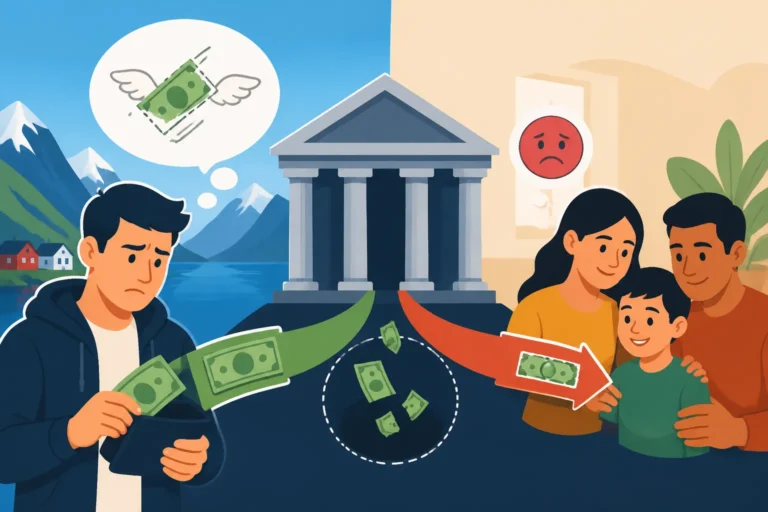
Despite the lovely sound of "spandere," "going Dutch" – or splitting the bill equally – is a very common, often unspoken, default in many casual dining situations among friends of similar age and income. You might go out for a coffee, a simple lunch, or even a more elaborate dinner, and often the assumption is that the total will be divided evenly. This simplifies things immensely, especially when someone might have had a slightly more expensive dish or an extra drink. The collective understanding is that it all balances out over time. If you consistently find yourself with the cheapest dish and no drinks, you might start to feel the pinch, but generally, for most social outings, this is a smooth and accepted way to handle things. This approach, where everyone contributes equally, reinforces the idea of shared experience without creating a financial hierarchy. It’s also often easier to manage when using digital payment systems like Vipps, which we’ll get to in a bit.
Practical Ways to Split the Bill (and How to Suggest Them)
Navigating the bill-splitting moment doesn't have to be a source of anxiety. Once you understand the common approaches and are comfortable suggesting them, you'll feel much more at ease. The key is clear communication, which Norwegians generally appreciate.
The Classic "Go Dutch" – Splitting Equally
This is probably the most frequent method, especially in groups where people have ordered dishes of roughly similar price points. When the bill arrives, someone might simply suggest, "Skal vi bare dele likt?" (Shall we just split it equally?). This is usually met with nods of agreement. If you’re initiating, a simple "Jeg tenkte vi kunne dele likt, er det greit?" (I thought we could split equally, is that okay?) works perfectly. It's direct, it's fair in a general sense, and it's efficient. This method is especially popular for those spur-of-the-moment gatherings or when everyone's had a couple of drinks and nobody wants to do complex math. For more casual meals, like grabbing a quick lunch, this is almost always the way to go. You’ll often see people quickly calculate their share on their phone or, more often, use Vipps to send their portion to one person.
Itemized Payments: "I'll Pay for What I Had."
Sometimes, a simple equal split doesn't feel quite right. Perhaps one person ordered a lavish three-course meal while another stuck to a single appetizer, or someone abstained from alcohol while others indulged. In these situations, especially if the price disparity is significant, an itemized payment approach is perfectly acceptable. You can simply state, "Jeg vil gjerne betale for det jeg spiste/drakk" (I'd like to pay for what I ate/drank). The waiter might be able to split the bill per person, or one person can pay the full bill, and others will transfer their specific amounts to them. This method requires a bit more mental arithmetic or reliance on the restaurant's ability to itemize, but it ensures everyone pays exactly what they owe. It's a common practice and often seen as more equitable in groups with diverse spending habits. This transparency aligns well with the Norwegian value of fairness and personal responsibility.
Taking Turns or Treating: When "Spandere" Truly Happens
While not the daily norm, "spandere" does happen. It's usually reserved for specific occasions or contexts:
- Celebrations: If it's someone's birthday, a farewell, or a new job celebration, the person being celebrated might be treated, or the group might chip in to treat them.
- Hierarchical Settings: In a work context, a manager might treat their team for a work dinner. This is more common, as the company might cover the expense anyway.
- Close Friends/Family: Among very close friends or family, especially if there's an age difference (e.g., parents treating adult children), taking turns to treat for smaller expenses like coffee or a simple lunch is not uncommon. One week you spandere, the next they do.
- Small Gestures: Someone might "spandere" for a single coffee or a pastry, a small, kind gesture rather than a whole meal.
If you want to treat someone, a simple "Jeg spanderer!" or "La meg spandere denne gangen" (Let me treat this time) is clear and usually met with appreciation. However, be prepared for a polite attempt to pay their share, or a "Tusen takk, da spanderer jeg neste gang!" (Thanks a lot, then I'll treat next time!) as a common response, re-establishing the balance. It's all about finding that comfortable equilibrium.
The Role of Digital Payments and Apps
Norway is famously becoming a largely cashless society, and digital payment methods are absolutely central to how bills are settled, whether you're splitting it equally or itemizing. This is where things become incredibly efficient.
Vipps: Norway's Ubiquitous Payment Solution
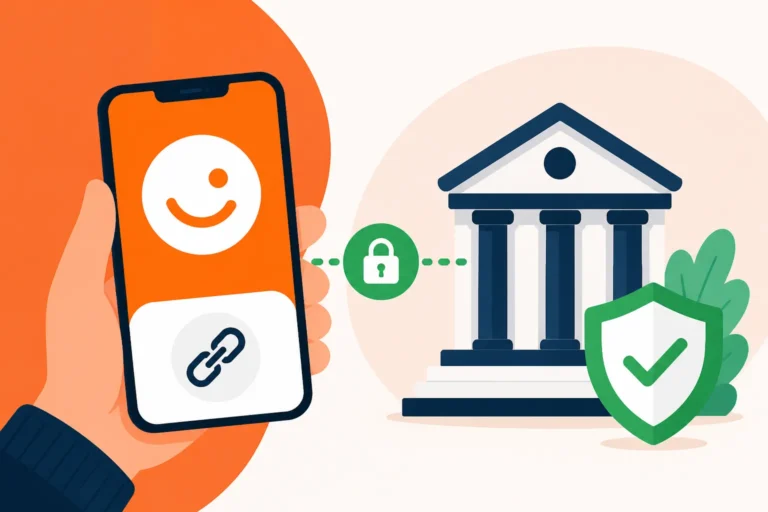
If you live in Norway and don't have Vipps, you're missing out on a huge part of everyday financial life. Vipps is the dominant mobile payment app, and it makes splitting bills incredibly easy. Once you have a Norwegian bank account and BankID, getting Vipps is straightforward. You can easily link your bank account to Vipps Safely and then send money directly to someone's phone number. For instance, if one person pays the whole restaurant bill, they can then "Vipps" request money from each individual for their share. It's fast, usually instant, and tracks everything, so there's no confusion about who paid what. This streamlines the "going Dutch" process enormously. You can learn more about Setting Up Vipps: The Requirements for Norway’s Leading Mobile Payment to make your social life much smoother. Knowing how to use Vipps is almost as important as knowing the cultural norms around "spandere."
Using International Payment Services (and Avoiding Awkwardness)
What if you're new to Norway, don't yet have a Norwegian bank account or BankID, and therefore no Vipps? This is a common expat dilemma, and it can certainly add an extra layer of awkwardness to bill-splitting. In these early days, you might rely on cash (though be aware that many places prefer cards or even refuse cash), or more likely, your international debit/credit card.
If you’re the one paying the whole bill with your foreign card, and others want to transfer their share, they might offer to transfer via their bank or an international money transfer service. This is where services like Wise (formerly TransferWise) can be incredibly helpful for expats. If you or your friends have Wise accounts, you can transfer money between different currencies quickly and often with lower fees than traditional banks. This could be a good workaround if you're still navigating Banking in Norway: How to Open an Account as a Foreigner and don't have Vipps yet. While not as immediate as Vipps, it's a solid option for ensuring everyone pays their share without resorting to complicated cash exchanges or IOUs. Don't be shy about suggesting it if it simplifies things; Norwegians appreciate efficiency. In fact, if you're managing money across borders, considering services like Wise can also be useful for your overall financial planning, especially when thinking about Remittances: Cheapest Ways to Transfer NOK to International Accounts.
Navigating Common Scenarios and Potential Pitfalls
Understanding the general principles is one thing, but real-life dining often throws up specific situations that can complicate bill-splitting. Here’s how to handle some common scenarios with Norwegian grace.
Group Dinners vs. Casual Coffee
The formality and occasion significantly influence how the bill is approached.
- Casual Coffee/Lunch: For a quick coffee with a friend or a simple lunch, it's almost always an equal split, or each person pays for their own at the counter. If you're buying a round of coffees, one person might treat, and the other reciprocates next time. It's usually informal and easy.
- Dinner with Friends: For a dinner out, especially in a group, the "equal split" is still very common. However, if there's a significant difference in what people ate or drank, someone might suggest itemizing, or you can politely bring it up. Transparency is key. "Jeg hadde bare en salat og vann, mens dere tok treretters og vin, så kanskje vi kan dele litt annerledes?" (I only had a salad and water, while you had three courses and wine, so maybe we can split a bit differently?) is a perfectly acceptable, albeit sometimes nerve-wracking for expats, thing to say.
- Work Dinners: These are typically less ambiguous. If it's a company-sponsored event, the company pays. If it's a casual after-work drink, it's usually individual payment or an equal split.
When There's a Price Difference in Dishes
This is probably the most frequent cause of awkwardness for new expats. You ordered the basic pasta, and your friend went for the salmon with all the trimmings. When the bill comes, splitting it perfectly equally might leave you feeling a little miffed.
Here's the approach:
- Assess the group: If it's a small group (2-3 people) and the difference is substantial, an itemized split is a fair suggestion.
- Use Vipps: If one person pays, they can easily request specific amounts from others via Vipps, making itemization painless.
- Be proactive, but polite: Don't let resentment build. If you know there will be a big difference, you could casually mention beforehand, "Jeg tenker å betale for det jeg spiser, er det ok?" (I'm planning to pay for what I eat, is that okay?) This sets the expectation early. Most Norwegians will find this entirely reasonable.
- Accept the "it balances out" mentality: For small differences, often people will just accept the equal split, assuming that next time it might be their turn to order something cheaper. This is part of the general Cost of Living in Norway 2026: Budgeting for Singles and Families reality, where prices can vary wildly, and you generally plan for a certain amount for social outings.
Drinks: The Great Bill Inflator
Alcohol in Norway is notoriously expensive. This is often where the biggest disparities in bill splitting occur. One person might stick to tap water (which is free and excellent in Norway!) while others enjoy multiple rounds of beer or wine.
If you’re the water-drinker in a group of wine enthusiasts, you are absolutely within your rights to ask for an itemized split or to only pay for your food. Again, direct communication is best. "Jeg vil gjerne betale for maten min og brus, men ikke alkoholen" (I'd like to pay for my food and soda, but not the alcohol) is perfectly normal. Don't feel guilty about this. Norwegians understand the cost of alcohol and respect individual choices regarding consumption. Sometimes, the "alcohol portion" of the bill will be split among those who drank, and the "food portion" split among everyone. This kind of arrangement is not unheard of. It's often easier if one person pays the full bill and then uses Vipps to meticulously request exact amounts from everyone.
Here's a handy table summarizing bill-splitting methods:
| Method | When to Use It | Pros | Cons | How to Suggest It |
|---|---|---|---|---|
| Equal Split ("Go Dutch") | Casual meals, similar orders, large groups | Simple, quick, no fuss, reinforces equality | Can feel unfair if orders vary significantly | "Skal vi bare dele likt?" (Shall we just split it equally?) or "Kan vi dele regningen på fire?" (Can we split the bill by four?) |
| Itemized Payment | Significant price differences, specific diets, no alcohol | Ensures everyone pays their exact share, seen as fair | More complex, requires waiter assistance or careful calculation, can feel transactional | "Jeg vil gjerne betale for det jeg spiste/drakk." (I'd like to pay for what I ate/drank.) |
| Treating ("Spandere") | Celebrations, work settings, close friends/family taking turns | Generous, creates goodwill, special occasions | Not a regular expectation, can create obligation, difficult to track | "Jeg spanderer!" (I'm treating!) or "La meg ta denne regningen." (Let me take this bill.) |
| Vipps Requests | After one person pays the full bill | Very efficient, accurate, digital record, easy for complex splits | Requires all parties to have Vipps (and BankID) | "Jeg betaler hele, så Vippser jeg dere deres del." (I'll pay the whole thing, then I'll Vipps you your share.) |
As you integrate more into Norwegian life, you'll find that these financial interactions become second nature. You might even start enjoying the directness and efficiency! Remember that even in a highly functional society like Norway, communication is key. Don't be afraid to politely ask for clarification or suggest a method that feels fair to you. It's all part of the expat journey. For other financial considerations, especially around managing your earnings, resources like Taxes for Expats can provide invaluable insights into Norway's tax system, ensuring you understand your obligations and potential deductions, allowing you to budget effectively for all aspects of life, including dining out.
Disclaimer
The information provided in this guide is for general informational purposes only and does not constitute financial, legal, or professional advice. While we strive to provide accurate and up-to-date information, cultural norms and regulations can change. Always consult with relevant experts or authorities for specific advice pertaining to your individual situation in Norway.