Applying for Dual Citizenship in Norway: The 2020 Law Change
For years, the dream of becoming a Norwegian citizen meant facing a tough choice for many expats: renounce your birthright citizenship or forever remain a permanent resident. That agonizing decision was a significant hurdle, causing immense frustration and a sense of disconnection for those who had built a life here. This guide will walk you through the monumental 2020 law change that finally allowed dual citizenship in Norway, detailing what it means for you and how you can now proudly hold two passports.
The Era Before 2020: A Difficult Choice
Before January 1, 2020, Norway, like many other countries, generally operated under a strict principle of single nationality. This meant that if you wished to become a Norwegian citizen, you were, in most cases, required to formally renounce your previous citizenship. This wasn't just a simple formality; it was a legally binding process that often involved complex paperwork, fees, and waiting times in your home country, all while your Norwegian citizenship application hung in the balance.
The process often created immense emotional and practical dilemmas. Many expats had deep ties to their home countries – family, property, business interests, and cultural identity. Being forced to choose between these deep roots and a future in Norway was a profound and often heartbreaking decision. Imagine having to tell your family back home that you were formally giving up your connection to that nation. It wasn't just about a passport; it was about identity. For some, renouncing their original citizenship was simply not possible due to their home country's laws, leaving them in an administrative limbo where Norwegian citizenship remained out of reach, no matter how long they had lived and contributed to Norwegian society.
The Landmark 2020 Law Change: Embracing Dual Nationality
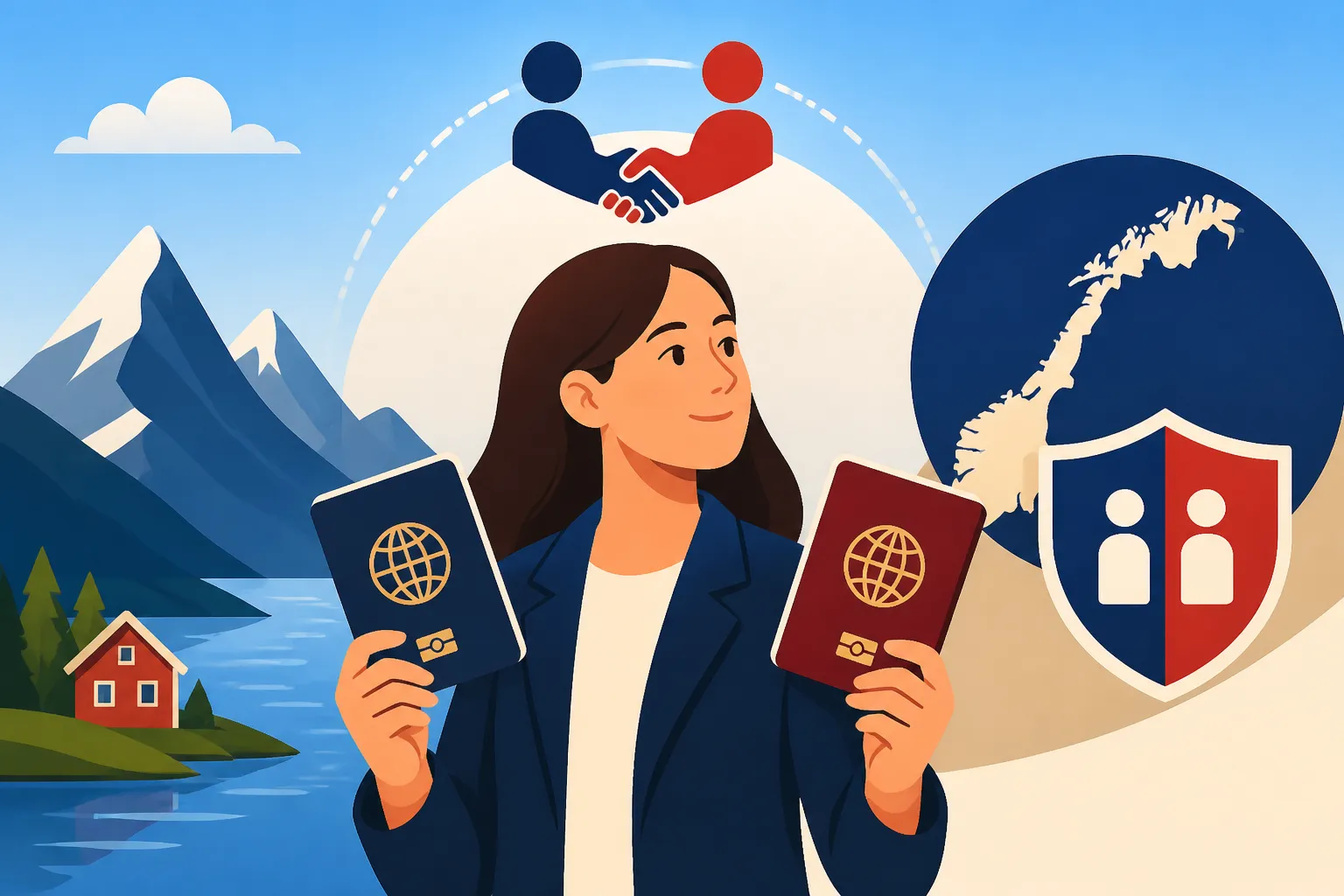
The landscape of Norwegian citizenship underwent a dramatic transformation on January 1, 2020, when a new law came into effect, officially permitting dual citizenship. This was a long-awaited and celebrated change, bringing Norway in line with many other modern nations and finally acknowledging the global realities of migration and multiple identities. The core of this reform was simple: you no longer have to give up your original citizenship when you become a Norwegian citizen, and conversely, Norwegians who acquire citizenship in another country no longer automatically lose their Norwegian nationality.
This legislative shift wasn't just about convenience; it was a recognition of the value and contributions of immigrants who chose to make Norway their home. It allowed individuals to maintain their ties to their country of origin while fully integrating and committing to Norway. The move reflected a broader understanding that identity is complex and often multifaceted, and that holding citizenship in more than one country does not diminish loyalty to any. For many, it felt like a heavy burden had been lifted, opening doors to a fuller sense of belonging without demanding an impossible sacrifice.
Why the Law Was Changed
The decision to allow dual citizenship was the culmination of years of debate and advocacy, driven by several key factors. Firstly, there was a growing recognition that the old law was often impractical and out of step with the modern world. Many countries had already moved to accept dual nationality, and Norway found itself increasingly isolated on this issue. Secondly, the former requirement often deterred highly skilled individuals from fully committing to Norwegian citizenship, as they feared losing connections to their home countries that might be crucial for family, business, or future mobility.
Furthermore, the Norwegian government acknowledged that forcing renunciation didn't necessarily foster greater integration or loyalty. Instead, it often created resentment and a sense of alienation. By embracing dual citizenship, Norway aimed to simplify the naturalization process, encourage greater participation in society, and foster a more inclusive understanding of national identity. It was a forward-thinking step that prioritized the well-being and practical needs of its diverse population.
What it Means for Norwegian-Born Citizens
The 2020 law change also had significant implications for individuals born in Norway or with Norwegian ancestry who might have lost their Norwegian citizenship by acquiring another nationality before 2020. Under the new rules, these individuals now have the opportunity to regain their Norwegian citizenship without having to renounce their current one. This is particularly relevant for those who, for example, gained American citizenship at birth or through naturalization, and under the old rules, would have automatically forfeited their Norwegian status.
The process for regaining citizenship is handled by the Norwegian Directorate of Immigration (UDI) and requires meeting certain criteria, such as proving your former Norwegian citizenship and possibly having some connection to Norway (though this is often simpler than naturalization). This aspect of the law change has been a huge relief for many in the global Norwegian diaspora, allowing them to formally re-establish their ties to their ancestral homeland. It allows individuals to celebrate their heritage fully without being forced to choose between identities.
Eligibility for Norwegian Citizenship Under Dual Nationality Rules
While the door to dual citizenship is now wide open, becoming a Norwegian citizen still involves meeting a set of specific criteria, primarily focused on residency, conduct, and language skills. The 2020 law change removed the renunciation requirement, but it didn't eliminate the other important steps to naturalization. It’s vital to understand these requirements to assess your eligibility and plan your application.
General Requirements for Naturalization
To become a Norwegian citizen, you generally need to fulfill several core conditions:
- Residency Period: You must have resided in Norway for a specific number of years. For most applicants, this means having lived in Norway for at least seven out of the last ten years with a valid residence permit. However, there are exceptions:
- For those married to a Norwegian citizen, the requirement can be reduced to five out of the last ten years, provided the marriage has lasted at least three years.
- For citizens of EU/EEA countries who have obtained permanent residence, the requirement is a continuous residency of seven years.
- Refugees may have different requirements.
- You can learn more about Permanent Residence in Norway: Requirements, Timelines, and Language Tests.
- Valid Residence Permits: Your period of residence must have been based on valid residence permits. Time spent in Norway on a tourist visa or a visa that does not lead to permanent settlement (like some short-term work permits) typically does not count towards the residency requirement.
- Language Proficiency: This is a big one! You need to prove your proficiency in Norwegian. This typically means passing a Norwegian language test (Norskprøven) at a minimum level, usually A2 or B1, depending on your circumstances. You'll also need to pass a test in social studies (samfunnskunnskap). For many, this is the most challenging hurdle, as it requires genuine effort and commitment to learning the language. Getting to B1 level can take considerable time and dedication. Explore more about Norskprøven Test Dates and Registration Guide.
- No Criminal Record: You must not have a criminal record or have been involved in serious offenses. The UDI conducts thorough background checks, and certain convictions or even outstanding fines can lead to a rejection or a longer waiting period.
- Proof of Identity: You need to provide valid identification documents. This can sometimes be tricky for individuals from countries with less robust national identity systems.
The UDI website is the definitive source for the most current requirements, and it's essential to check it regularly, as rules can sometimes be updated.
Special Cases and Exemptions
While the general requirements cover most applicants, Norway's citizenship laws do include some special cases and exemptions:
- Children: Children born in Norway to foreign parents generally do not automatically acquire Norwegian citizenship at birth unless one parent is a Norwegian citizen. However, they may apply for citizenship after a shorter residency period than adults. The process for children, especially those born in Norway, is often simpler and can be influenced by the parents' citizenship status.
- Individuals with Nordic Citizenship: Citizens of other Nordic countries (Sweden, Denmark, Finland, Iceland) have a streamlined path to Norwegian citizenship due to long-standing agreements. They usually have much shorter residency requirements and are exempt from language and social studies tests.
- Individuals with Significant Ties to Norway: In very rare and exceptional circumstances, the UDI may grant dispensations from certain requirements if an applicant has extraordinarily strong ties to Norway but cannot meet all the standard criteria. These cases are assessed individually and are not common.
It’s important to remember that while the 2020 law made dual citizenship possible, it did not lower the bar for becoming a Norwegian citizen. The requirements are still rigorous and designed to ensure that new citizens have integrated into Norwegian society and understand its values.
The Application Process: Step-by-Step
Applying for Norwegian citizenship, even with the dual nationality option, is a thorough process that demands attention to detail and patience. It's not a race, and cutting corners will only lead to delays or rejection. Here's what you can generally expect.
Gathering Your Documents
Before you even think about filling out forms, you need to collect all the necessary documentation. This is often the most time-consuming part, so start early! You’ll typically need:
- Your valid passport(s): All current and previous passports are usually required to prove your identity and travel history.
- Proof of residence: This includes your existing residence permits, possibly your D-number or fødselsnummer, and documentation of your registered addresses in Norway (from the Folkeregisteret).
- Language and social studies certificates: Your official test results from Norskprøven and samfunnskunnskap.
- Income documentation: Payslips, tax statements (skattemelding), and employment contracts to prove self-sufficiency.
- Police certificate of good conduct: UDI will typically request this from the Norwegian police and potentially from your home country.
- Marriage certificate (if applicable): If you're applying based on marriage to a Norwegian citizen.
- Birth certificates for yourself and any dependent children.
- Any other documents specific to your situation, such as previous citizenship renunciation documents if you're applying to regain citizenship.
Remember, many foreign documents will need to be officially translated into Norwegian or English by a certified translator. This is where services like RushTranslate or Translayte come in handy, as they can provide the certified translations UDI requires, ensuring your documents are accepted without a hitch.
Submitting Your Application to UDI
Once your documents are in order, the next step is to submit your application. This is primarily done online through the UDI portal.
- Register and Fill Out the Online Application: You'll need to register an account on the UDI portal. The application form will ask for detailed information about your personal history, residency, employment, and family. Be honest and thorough.
- Pay the Application Fee: There is a non-refundable fee for citizenship applications. This fee can be substantial and must be paid as part of the online submission.
- Upload Required Documents: The system will prompt you to upload digital copies of all your supporting documents. Make sure they are clear, legible, and correctly named.
- Book an Appointment with the Police: After submitting your online application and paying the fee, you'll typically be directed to book an appointment with the police. This is where you will physically hand in your original documents, have your identity verified, and provide biometric data (fingerprints and photo). Due to backlogs, securing an appointment can sometimes be a challenge, so book as soon as you can. You can find more information about Navigating the UDI and Police Portal: Booking Appointments and Tracking.
Waiting and Follow-Up
This is perhaps the most challenging part for many applicants: the waiting game. UDI processing times can vary significantly depending on the volume of applications and the complexity of individual cases. It's common for decisions to take many months, sometimes even over a year.
- Track Your Application: You can track the status of your application through the UDI portal. They will also communicate with you if they need additional information.
- Respond Promptly to Requests: If UDI requests more documents or clarification, respond as quickly and completely as possible to avoid further delays.
- Stay Informed: Changes in your life (e.g., new address, new job, new baby) should be reported to UDI.
While waiting, it's a good time to double-check any details, maybe use some downtime to read up on The Norwegian Constitution Day (17. Mai): How Expats Should Celebrate or even consider joining a local community group to deepen your ties. The UDI processing times for citizenship are often considerable, so manage your expectations.
Key Considerations for Dual Citizens
Embracing dual citizenship means enjoying the benefits of two nations, but it also comes with certain responsibilities and implications that you should be aware of. It's not just about having two passports; it's about navigating two legal systems.
Rights and Responsibilities
As a dual Norwegian citizen, you will enjoy all the rights and responsibilities of any other Norwegian citizen, including:
- Voting Rights: You can vote in national and local elections.
- Freedom of Movement: You can live and work freely in Norway and other Nordic countries without restrictions.
- Consular Protection: You are entitled to consular assistance from both countries whose citizenship you hold, though generally, you would use the passport of the country you are in or are trying to enter.
- Military Service: This is an important one. If your other country has mandatory military service, you might still be subject to it. Norway generally has conscription for both men and women, but there are exemptions. You should check the specific rules of both countries.
- Loyalty and Allegiance: While Norway accepts dual citizenship, it expects loyalty to Norway, especially when it comes to national security or legal obligations.
It's crucial to understand that holding two citizenships doesn't mean you can pick and choose which country's laws to follow. When in Norway, you are a Norwegian citizen first and foremost, subject to its laws and obligations.
Travel Implications
Having dual citizenship can significantly simplify international travel. You can use your Norwegian passport for travel to and from Norway and within the Schengen Area, and your other passport for travel to your other country of citizenship or other destinations where it might offer advantages (e.g., visa-free access).
A common recommendation for dual citizens is to always enter and exit each country using that country's passport. For example, use your Norwegian passport to enter Norway and your original passport to enter your country of birth. This avoids confusion at immigration checkpoints and can prevent questions about your residency or immigration status.
Tax Implications and Other Administrative Details
While the 2020 law change primarily addresses citizenship, it's essential to understand that tax obligations are separate. Dual citizenship generally does not automatically change your tax residency status. Your tax obligations are usually determined by where you primarily live and work, not by how many passports you hold.
- Tax Residency: If you live and work in Norway, you will be a tax resident of Norway, regardless of your other citizenship. If you have assets or income in your other country, you will need to understand potential double taxation treaties between Norway and that country to ensure you are not taxed twice on the same income or assets. This is a complex area, and it's always wise to consult with a tax professional specializing in international taxation. See our detailed guide on Double Taxation Treaties: How Norway Taxes US, UK, and EU Citizens.
- Updating Records: Once you become a Norwegian citizen, ensure all your official records in Norway (BankID, Helsenorge, etc.) are updated to reflect your new status and any new fødselsnummer you might receive.
- Passport Renewal: You will need to keep both passports current, following the renewal procedures of each country. Remember, a Passport with RFID Chip: Why Norwegian Banks Demand It for BankID is often important for digital identity services.
Here's a quick comparison of the situation before and after the 2020 law change:
| Feature | Before January 1, 2020 | After January 1, 2020 |
|---|---|---|
| Dual Citizenship | Generally not allowed; renunciation of prior citizenship required. | Allowed; no need to renounce prior citizenship. |
| Regaining Citizenship | Very difficult or impossible for former Norwegians who lost it. | Easier path to regain Norwegian citizenship if lost due to acquiring another. |
| Identity Choice | Forced choice between original identity and Norwegian identity. | Freedom to maintain both original and Norwegian identities. |
| Application Complexity | Involved additional steps of renouncing/proving renunciation. | Simplified by removing the renunciation requirement. |
| International Norms | Out of step with many Western countries. | Aligned with modern international norms. |
The Broader Impact and Future Outlook
The allowance of dual citizenship in Norway has had a profound impact on the expat community and on Norway's perception of itself as a multicultural nation. It's more than just a legal change; it's a symbolic one.
Strengthening Integration and Belonging
For many expats, the inability to hold dual citizenship created a sense of never truly being "home" in Norway, even after decades of living and working here. They felt a permanent barrier to full belonging. The 2020 law change has undoubtedly fostered a stronger sense of integration and commitment. Individuals no longer have to choose one identity over another but can fully embrace both, contributing more wholeheartedly to Norwegian society while maintaining their heritage. This has positive long-term implications for social cohesion and civic participation.
Moreover, it encourages more people to apply for citizenship, which means more people exercising their voting rights, participating in local debates, and feeling truly invested in the future of their Norwegian home. It’s a move that recognizes the richness that diverse backgrounds bring to the nation.
Remaining Hurdles and Considerations
While the dual citizenship law is a huge step forward, it doesn't mean the path to Norwegian citizenship is entirely without challenges. The language and social studies requirements remain significant, and for good reason – they are crucial for genuine integration. The UDI application processing times can still be lengthy, requiring patience and meticulous preparation. Remember, the core requirements for Norwegian Citizenship: Naturalization Laws, Dual Nationality, and Passports still apply.
Furthermore, applicants should always be mindful of the laws of their other country. While Norway now permits dual citizenship, your original country might not. If your home country does not recognize dual nationality, becoming a Norwegian citizen might still automatically cause you to lose your original citizenship according to their laws. It is your responsibility to research and understand the citizenship laws of both nations involved.
Support and Resources
Navigating the citizenship process can be complex, and there are resources available to help you:
- UDI Website: Always the primary and most authoritative source for current laws, requirements, and application forms.
- Immigration Lawyers: If your case is complex or you face difficulties, consulting an immigration lawyer specializing in Norwegian citizenship law can be invaluable.
- Community Groups: Expat groups in Norway often share experiences and tips, offering a supportive network.
- Language Schools: Dedicated language schools and municipal adult education centers are crucial for preparing for the Norskprøven.
Becoming a Norwegian citizen is a significant milestone, and the 2020 law change has made it a much more accessible and less emotionally taxing journey for many. While the process still requires dedication and diligence, the reward of holding a Norwegian passport alongside your original one is now a reality for thousands of expats who have made Norway their home.
Disclaimer
The information provided in this article is intended for general guidance and informational purposes only, and does not constitute legal or professional advice. While we strive to keep the content accurate and up-to-date, immigration laws and procedures in Norway can change frequently. Readers are strongly advised to consult the official website of the Norwegian Directorate of Immigration (UDI) or a qualified immigration lawyer for the most current and specific advice pertaining to their individual circumstances.