Bringing Food to Norway: Customs Limits on Meat and Alcohol
Ah, the age-old expat dilemma: how much of your favourite snacks, spices, or even a good bottle of something can you realistically bring into Norway without running into trouble at customs? Trust me, this isn't just a casual question; for many of us, it’s a strategic life hack to make the notoriously high prices a little more bearable or simply to get our hands on those beloved tastes of home. Navigating the rules can feel like trying to decipher an ancient Norse saga, but fear not, I’ve been there, and I’m here to break down the customs limits on bringing food, especially meat and alcohol, into Norway.
The General Rules of Entry: Understanding What's Allowed
When you're crossing the Norwegian border, whether by plane, ferry, or car, the first thing to understand is that not all food items are treated equally. The regulations are primarily designed to protect Norway's unique animal health and plant health status, preventing the introduction of diseases that could devastate local agriculture or wildlife. It’s also about collecting duties on certain goods. The key distinction often comes down to where you’re coming from.
EU/EEA vs. Non-EU/EEA: The Crucial Divide
This is perhaps the most critical factor influencing what you can and cannot bring. Norway, while not a member of the European Union, is part of the European Economic Area (EEA), which means it adheres to many of the EU’s free movement principles, especially regarding goods for personal consumption.
If you’re arriving from an EU/EEA country, you generally have far more leeway with agricultural products for personal consumption. This includes items like meat, dairy, eggs, and certain plant products. The assumption is that these goods have already met EU health and safety standards. However, "personal consumption" is the operative phrase here. Customs officials will look at the quantity; bringing enough salami to supply a small shop will raise eyebrows, even if it's from Sweden. They're looking for reasonable amounts that align with personal use during your stay or to stock your pantry for a few weeks. It's about common sense, really. Don't try to pull a fast one and claim that 50 kg of cheese is "for your personal weekend trip."
On the other hand, if you're arriving from a country outside the EU/EEA – think the UK (post-Brexit), USA, Canada, Australia, or any Asian or African nation – the rules become significantly stricter. The risk of introducing animal and plant diseases from these regions is considered higher, and therefore, many products are outright prohibited or subject to very tight restrictions. This is where most expats face the biggest disappointment, as their favourite cured meats or special cheeses from home might not make it through. It's a hard pill to swallow, but these rules are enforced with serious intent.
General Exemptions for All Travelers
Before we dive into the nitty-gritty of the highly regulated stuff, let's talk about what generally isn't an issue, regardless of your origin. These are the items you can usually bring without causing a stir at customs, as long as the quantities are reasonable for personal use:
- Chocolate and Confectionery: A stash of your favourite candy, biscuits, or chocolate bars from home is typically fine. Norwegians love their sweets, but sometimes you just need that specific brand you grew up with.
- Coffee and Tea: These staples are almost universally accepted. Whether it's a special blend of coffee beans or your preferred brand of tea, you can usually bring a decent amount.
- Non-alcoholic beverages: Soft drinks, juices, and other non-alcoholic drinks are generally allowed, again within reasonable limits. Just remember, they can be heavy and take up valuable luggage space.
- Canned and shelf-stable goods: Think about things like canned fish (unless it’s from a highly restricted species), canned vegetables, dried pasta, spices, sauces, or jams that are commercially packaged and don't require refrigeration. These are typically low-risk items.
- Baby food and pet food: If you're traveling with infants or pets, their specific food requirements are usually exempted or have very lenient rules, provided they are in sealed, original packaging and clearly for the accompanying child or animal. This exemption understands that certain dietary needs are essential.
While these items are generally fine, it's always wise to keep them in their original, unopened packaging. This helps customs officials quickly identify them and confirms they haven't been tampered with. It's all about minimizing suspicion and ensuring a smooth passage through the 'green zone' at the airport. Speaking of preparation, when you're just starting your expat journey, getting organized is key. You'll likely be thinking about your initial accommodation, and platforms like Spotahome can be really helpful for finding furnished places that ease your transition, allowing you to focus on practicalities like customs regulations!
Diving Deep into Restricted Goods: Meat, Dairy, and Alcohol
Now, let's tackle the items that often cause the most confusion and, occasionally, heartbreaking confiscations. These are the categories where Norway’s customs rules are particularly stringent.
Meat and Meat Products: A Strict Reality
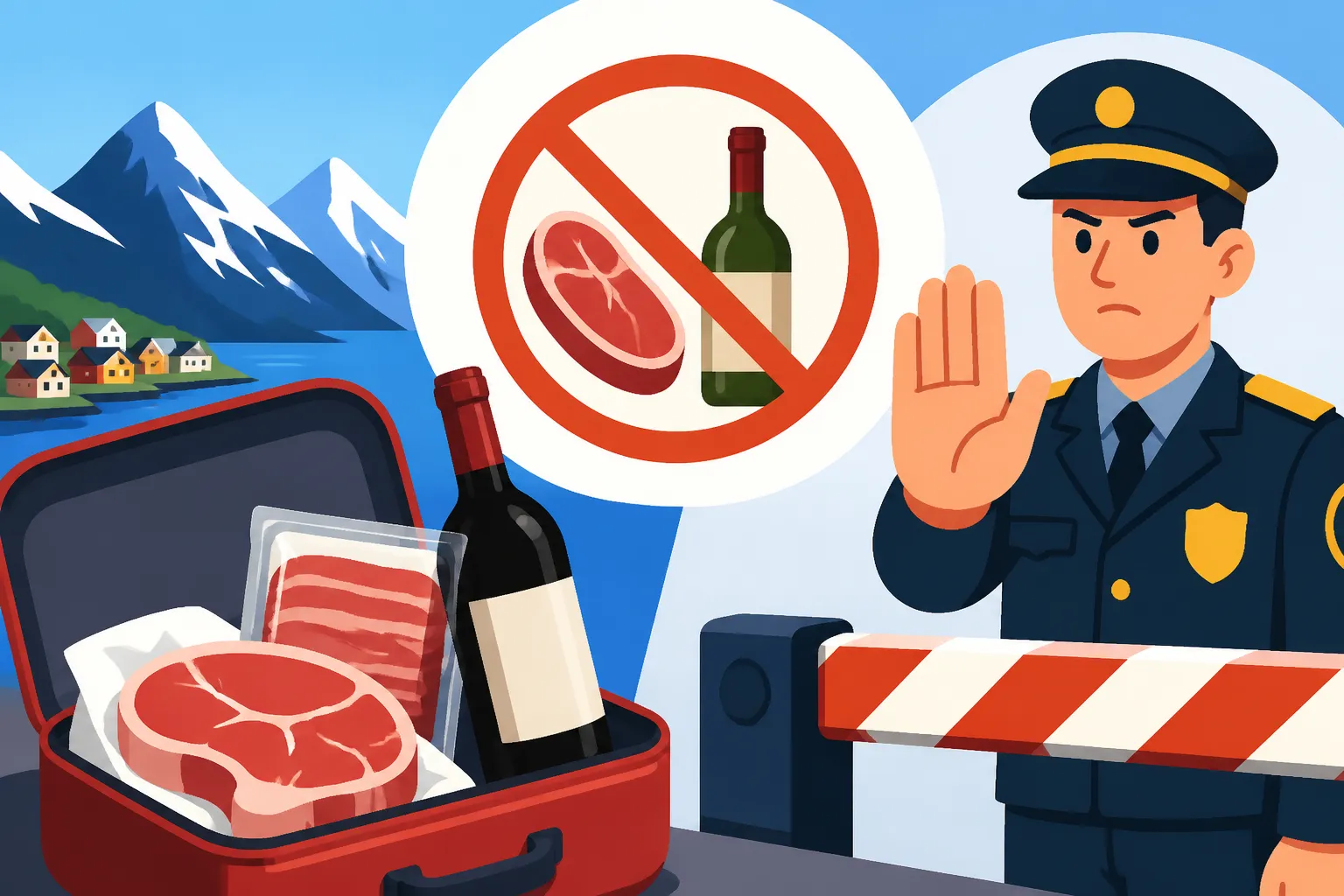
This is where things get really complicated, and it's perhaps the most common reason for goods being seized at the border. The rules are primarily in place to prevent the spread of animal diseases like African Swine Fever or avian influenza.
- From EU/EEA Countries: If you are arriving from an EU/EEA country, you are generally permitted to bring up to 10 kilograms of meat and meat products for personal consumption. This includes things like sausages, ham, cured meats, pâté, and other processed meat products. Fresh meat is also included in this limit. It’s a generous allowance that many expats rely on to stock up on their favourites from neighbouring countries like Sweden or Germany, where prices might be lower or specific products are available. However, remember the "personal consumption" clause – customs can and will challenge commercial-looking quantities.
- From Non-EU/EEA Countries: Here's the tough part: generally, no meat or meat products are allowed from countries outside the EU/EEA. This is a blanket prohibition for most travelers. The only exceptions are very specific medically prescribed foodstuffs or baby food that contains meat, and even then, strict conditions apply (sealed packaging, exact quantity for immediate use, etc.). This means if you're flying in from the US with your favourite jerky or from the UK with your treasured sausages, prepare for them to be confiscated. This is a big bummer for many, especially those who crave specific cultural dishes or brands that aren't available in Norway.
Dairy and Eggs: Similar Strictness
The rules for dairy and eggs largely mirror those for meat, again due to concerns about animal diseases.
- From EU/EEA Countries: Similar to meat, you can bring up to 10 kilograms of dairy products (milk, cheese, yogurt, butter) and eggs from EU/EEA countries for personal consumption. This is good news if you have a particular type of cheese you adore that's hard to find or expensive in Norway.
- From Non-EU/EEA Countries: Once again, if you're coming from outside the EU/EEA, most dairy products and eggs are prohibited. The exceptions are extremely limited and typically only apply to certain powdered infant milk, infant food, and specific medical foods, provided they are commercially packaged, unopened, and don't require refrigeration before consumption. So, that artisanal cheese you found on holiday outside Europe? Best to enjoy it before you reach the Norwegian border.
Here's a quick summary to help you visualize these crucial differences:
| Item Category | Arriving from EU/EEA Country | Arriving from Non-EU/EEA Country |
|---|---|---|
| Meat & Meat Products | Up to 10 kg for personal consumption | Generally PROHIBITED (exceptions for baby/medical food) |
| Dairy Products & Eggs | Up to 10 kg for personal consumption | Generally PROHIBITED (exceptions for baby/medical food) |
| Fish & Seafood | Up to 20 kg, or one whole fish if heavier, for personal consumption | Up to 20 kg, or one whole fish if heavier, for personal consumption |
| Alcohol | See detailed allowances below (same for all origins once at border) | See detailed allowances below (same for all origins once at border) |
| Tobacco | See detailed allowances below (same for all origins once at border) | See detailed allowances below (same for all origins once at border) |
| Non-restricted items | Reasonable amounts for personal use | Reasonable amounts for personal use |
Alcohol: The Pricey Indulgence
Norway is famous for its high alcohol prices, thanks to significant taxes. This makes bringing in your own alcohol a popular strategy for many. The customs allowances for alcohol and tobacco are the same for everyone, regardless of your country of origin (EU/EEA or Non-EU/EEA), once you cross into Norway itself. However, if you are arriving from an EU/EEA country and have paid taxes there, you can technically bring in more than the duty-free quota, but you'll have to declare it and pay Norwegian duties, which often negates any savings. Most people stick to the duty-free limits to avoid this hassle and cost.
Here are the current standard duty-free allowances per person (you must be 18 to bring beer/wine, 20 for spirits):
You can choose one of the following combinations:
- 1 litre of spirits (over 22% alcohol) AND 1.5 litres of wine (up to 22% alcohol) AND 2 litres of beer (or other beverages up to 4.7% alcohol)
- 3 litres of wine (up to 22% alcohol) AND 2 litres of beer (or other beverages up to 4.7% alcohol)
- 5 litres of beer (or other beverages up to 4.7% alcohol)
Important Substitutions:
- You can swap the 1 litre of spirits for an additional 1.5 litres of wine or 2 litres of beer/cider.
- You cannot swap wine or beer for spirits.
Essentially, you have a quota for spirits, wine, and beer, and you can adjust them slightly, but wine and beer are more flexible than spirits. Be mindful of these quantities; crossing the line even slightly without declaring means big fines. If you’re ever unsure, especially when traveling or connecting, having reliable mobile data is key. An eSIM service like Airalo can be a lifesaver, letting you check official customs websites or quickly convert units on the go.
In addition to alcohol, you can also bring 200 cigarettes or 250 grams of other tobacco products (like snuff or snus) and 200 sheets of cigarette paper. Again, you must be 18 for tobacco.
For those planning to bring in more than the duty-free allowance, you can do so, but you must declare it and pay duties and taxes. This usually happens in the "red zone" at customs (more on that below). The cost is substantial, so calculate carefully if it’s truly worth it. It’s often cheaper to buy higher-end wine or spirits at Vinmonopolet, Norway’s state-run alcohol monopoly, than to pay the duties on something you’ve brought from outside the allowance. You can learn more about specific outlets and rules in our guide on Alcohol Laws in Norway: Opening Hours for Beer and Vinmonopolet.
Practicalities and Pitfalls: Navigating Norwegian Customs
Even with all the rules laid out, the practical experience of navigating customs can still be a bit nerve-wracking. Knowing what to expect and how to act can save you a lot of hassle.
Declare, Declare, Declare! The Importance of Honesty
This cannot be stressed enough: if you are unsure, or if you exceed any limits, always declare your goods. At Norwegian airports and some ferry terminals, you'll typically find two exits after baggage claim: the "green zone" (grønn sone) and the "red zone" (rød sone).
- Green Zone (Grønn Sone): This is for travelers who have nothing to declare, meaning all the goods they are bringing in are within the tax-free and duty-free limits, and none of them are restricted or prohibited. You simply walk through. However, customs officials can and do perform random checks. If you are caught in the green zone with undeclared, over-limit, or prohibited goods, the penalties are significant. These can range from heavy fines (which often greatly exceed the value of the goods) to confiscation, and in serious cases, even imprisonment. It's simply not worth the risk.
- Red Zone (Rød Sone): This is where you go if you have goods to declare – meaning you've exceeded an allowance (e.g., more alcohol than permitted), or you have goods that require special permits, or if you're unsure about something. Here, you'll speak with a customs officer, present your goods, and pay any applicable duties or taxes. While it might take a little extra time and cost you some money, it ensures you are in full compliance with Norwegian law. This upfront honesty is far better than the stress and potential legal ramifications of being caught later.
For many, the idea of paying more tax on things is painful, especially when you're just trying to settle in. Budgeting is a big part of expat life here, and understanding all these costs upfront, including the potential for extra duties, is crucial. Our guide on Cost of Living in Norway 2026: Budgeting for Singles and Families can give you a broader perspective on financial planning.
Why the Strict Rules? Public Health and Animal Welfare
It's easy to get frustrated with Norway's seemingly draconian customs rules, especially when you just want a taste of home. But it helps to understand the reasoning behind them. Norway takes biosecurity incredibly seriously. The country has a relatively low incidence of many animal and plant diseases that are common elsewhere, and they are fiercely protective of this status.
For example, the fear of African Swine Fever (ASF) entering the country via contaminated pork products is a very real concern, as an outbreak could decimate Norway’s pig farming industry. Similarly, avian flu could devastate poultry farms. These aren't abstract fears; they've had massive economic and environmental impacts in other parts of the world. So, while it feels like a personal inconvenience, the regulations are a public health and economic safeguard. This understanding doesn't necessarily make it less frustrating when your favourite cheese gets confiscated, but it provides context.
Finding Your Favorites in Norway
So, what happens when you realize you can't bring in your cherished items? Don't despair entirely! Norway, especially in larger cities like Oslo, Bergen, Trondheim, and Stavanger, has become increasingly international. While not every specialty item will be available, you might be surprised by what you can find if you look in the right places.
- International Supermarkets and Specialty Stores: Major cities boast various international food stores, Asian markets, Middle Eastern grocers, and even shops specializing in goods from specific European countries. These are fantastic places to hunt for those elusive spices, unique sauces, or specific types of rice or pasta that regular Norwegian supermarkets don't carry. Check out our guide on Supermarkets in Norway: Finding International Ingredients for more tips on where to shop.
- Specialty Butcher Shops and Delis: While expensive, some high-end butcher shops or delis might import a limited selection of cured meats or cheeses that are legally cleared.
- Norwegian Alternatives: Sometimes, you have to embrace the local! Explore Norwegian versions of products. While a direct substitute might not exist, you might discover new favourites. For instance, Norway has incredible local cheeses and cured meats.
- Online Ordering: For shelf-stable items that are legal to import, some European online retailers might ship to Norway, though shipping costs and potential customs fees (for items exceeding a certain value, even if from EU/EEA) can quickly add up. Always check customs regulations for ordering goods online, which is a different set of rules than bringing them in person, and often involves Posten Customs Clearance Fees: Receiving Packages from Outside Europe.
Living in Norway, you'll find that adapting to what's available (and affordable!) is part of the experience. Sometimes, that means making do, other times it means a deep dive into obscure corner shops. As you settle in, remember to prioritize your health and well-being. Getting registered with a doctor is an early step, and our First 30 Days Health Checklist: GP, Frikort, and Pharmacies can help you navigate those initial challenges, leaving you more mental bandwidth to figure out your food situation!
Disclaimer
The rules and regulations regarding customs limits for bringing food and other goods into Norway can change. While I strive to provide the most up-to-date and accurate information based on publicly available sources and expat experiences, it is your responsibility to verify current regulations with the official Norwegian Customs (Tolletaten) website or directly with customs authorities before traveling. This guide is for informational purposes only and does not constitute legal advice.